EN
EN




- Overview
- Specifications
- Description
- Applications
- Competitive Advantage
- FAQ
- Recommended Products
Overview
Place of Origin: |
Sweden |
Brand Name: |
ABB |
Model Number: |
DSQC104 |
Packaging Details: |
Original new Factory Sealed |
Delivery Time: |
5-7 days |
Payment Terms: |
T/T |
Supply Ability: |
In stock |
Specifications
|
Parameter |
Value |
|
Type |
Resolver Board |
|
Dimensions |
25.2 × 4 × 24.2 cm |
|
Weight |
0.88 kg |
|
Operating Temperature Range |
-10 °C to +60 °C |
|
Supply Voltage |
24 V DC |
|
Current Consumption |
0.5 A |
|
Signal Type |
Analog and digital position feedback signals |
|
Communication Protocol |
EtherCAT (high-speed communication) |
|
Installation Type |
DIN rail or panel mounting |
|
Protection Class |
IP20 (indoor use) |
|
Operating Humidity |
5% – 95% RH (non-condensing) |
Description
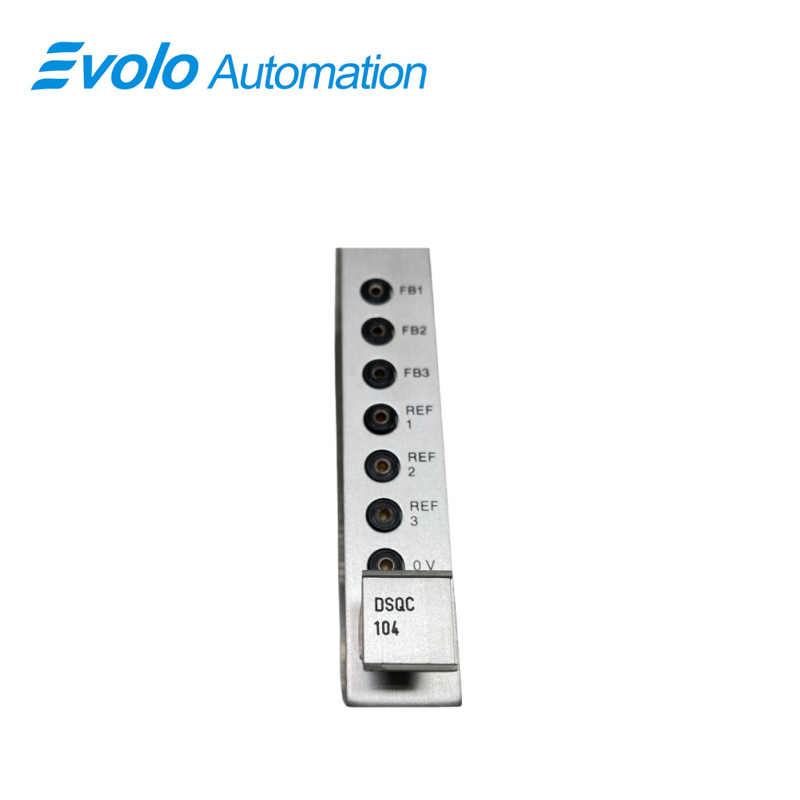
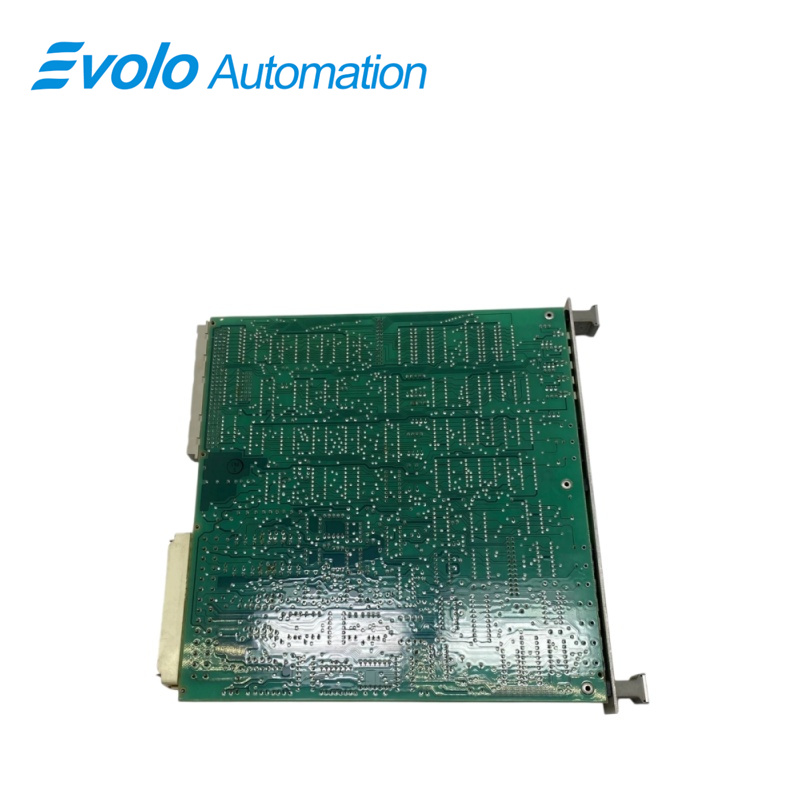
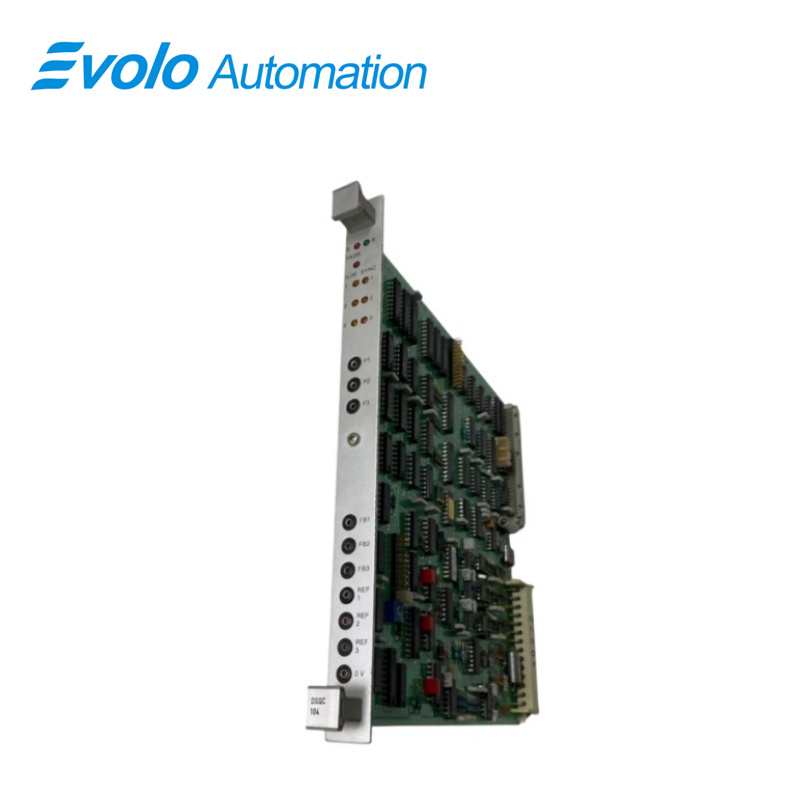
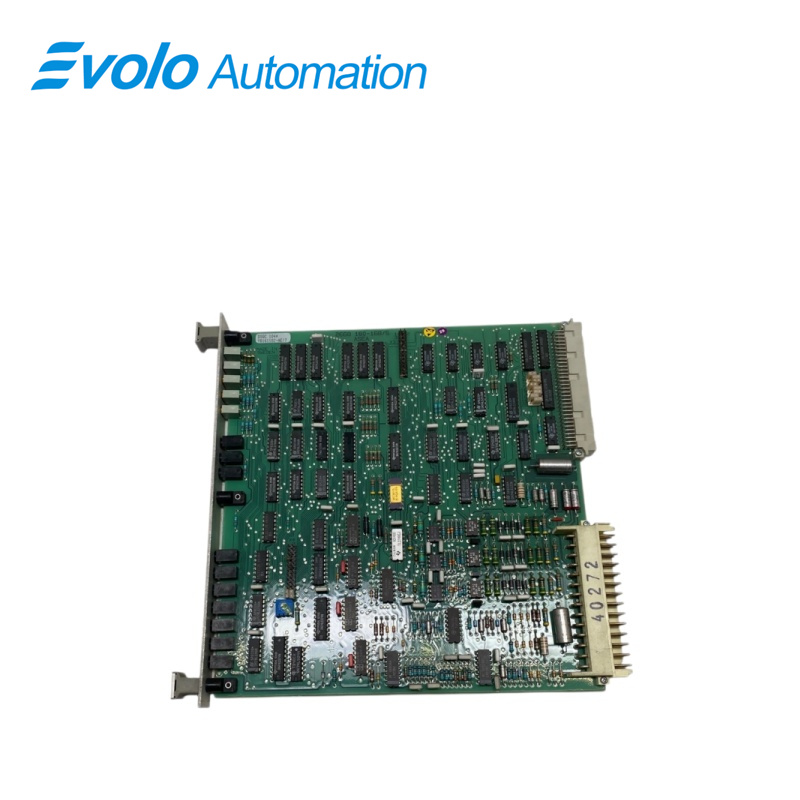
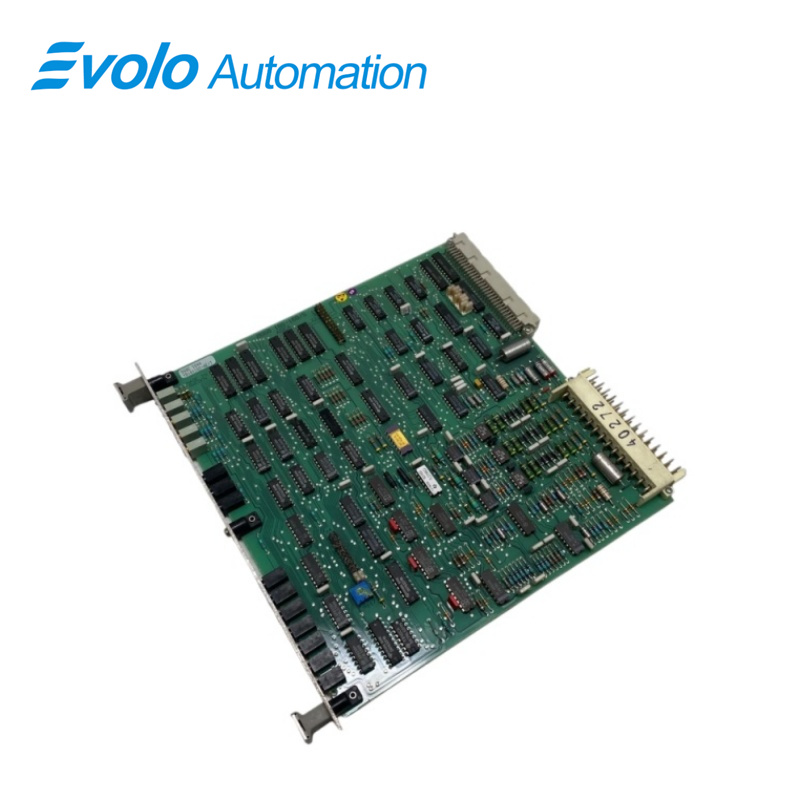
The ABB DSQC 104 is a resolver board primarily used in ABB robot systems. It is not the main CPU, but a core board specifically responsible for processing feedback signals from the robot's joint motors.
Applications
Automotive assembly plants: Ensuring precise positioning of robotic arms during spot welding or painting operations.
Metal processing plants: Controlling casting robots to maintain stable joint position feedback in high-temperature and high-vibration environments.
Heavy machinery plants: Utilizing multi-axis coordinated motion for large lifting or assembly robots.
Home appliance manufacturing plants: Achieving precise palletizing and handling by robots on automated production lines.
Textile machinery plants: Controlling specialized automated robotic arms for precise material transfer.
Competitive Advantage
High-precision control: Employing advanced control algorithms, it achieves high-precision position, speed, and torque control. Its 16-bit resolution ensures accuracy and stability during motion control.
Powerful processing capabilities: A built-in high-speed processor enables rapid processing of complex control commands, meeting the demands of high-speed, high-frequency motion control.
Multiple interface support: Provides a rich set of communication interfaces, including RS232, RS485, CANopen, and EtherCAT, facilitating data exchange and system integration with other devices.
Flexible programming methods: Supports multiple programming languages, such as ladder diagrams, structured text, and function block diagrams, allowing users to choose the appropriate programming method based on their habits and needs.
High reliability: Adopting a modular design, it features excellent heat dissipation and anti-interference capabilities, enabling stable operation in harsh industrial environments.
FAQ
Q1: Will a faulty DSQC104 board cause the robot to drop its arm (slide down)?
A: It will cause a position error and stop the robot, but arm drop is usually caused by a motor brake failure. The resolution board is only responsible for "sensing" the position.
Q2: Does the DSQC104 board support S4 or IRC5 controllers?
A: No. It is a dedicated board for the S3 system, and subsequent systems have integrated it into more advanced measurement systems.
Q3: How can I determine if the DSQC104 board or the motor resolver is faulty?
A: Use a multimeter to measure the resolver resistance at the motor end. If the resistance is normal, the fault is most likely on the resolution board.
Q4: Do I need to update the revolution counters after replacing the DSQC104 board?
A: Yes, you must update the revolution counters to ensure accurate zero-point position.
Q5: How many axes does the DSQC104 board support?
A: The standard design supports 6 robot axes.