EN
EN




- Overview
- Specifications
- Description
- Applications
- Features and functionalities
- FREQUENTLY ASKED QUESTIONS
- Recommended Products
Overview
Place of Origin: |
USA |
Brand Name: |
GE |
Model Number: |
DS200SBCBG1ADC |
Packaging Details: |
Original new Factory Sealed |
Delivery Time: |
5-7 days |
Payment Terms: |
T/T |
Supply Ability: |
In stock |
Specifications
|
Part Number: |
DS200SBCBG1ADC |
|
Manufacturer: |
General Electric |
|
Series: |
Mark V |
|
Product Type: |
Brake Control Card |
|
Number of Channels: |
12 |
|
Maximum Lead Resistance: |
15Ω |
|
Operating Temperature: |
-30 to 55 degrees Celsius |
|
Size (High x Width): |
8.26 cm high x 4.18 cm |
|
Dimensions (cm): |
28.8 x 7.2 x 3.7 |
|
Weight: |
0.38 kg |
|
Country of Origin: |
United States |
|
Sensor Inputs: |
Wheel speed sensors, brake pedal position sensors, brake pressure sensors, other relevant sensors |
|
Microcontroller: |
Processes sensor data, executes control algorithms |
Description
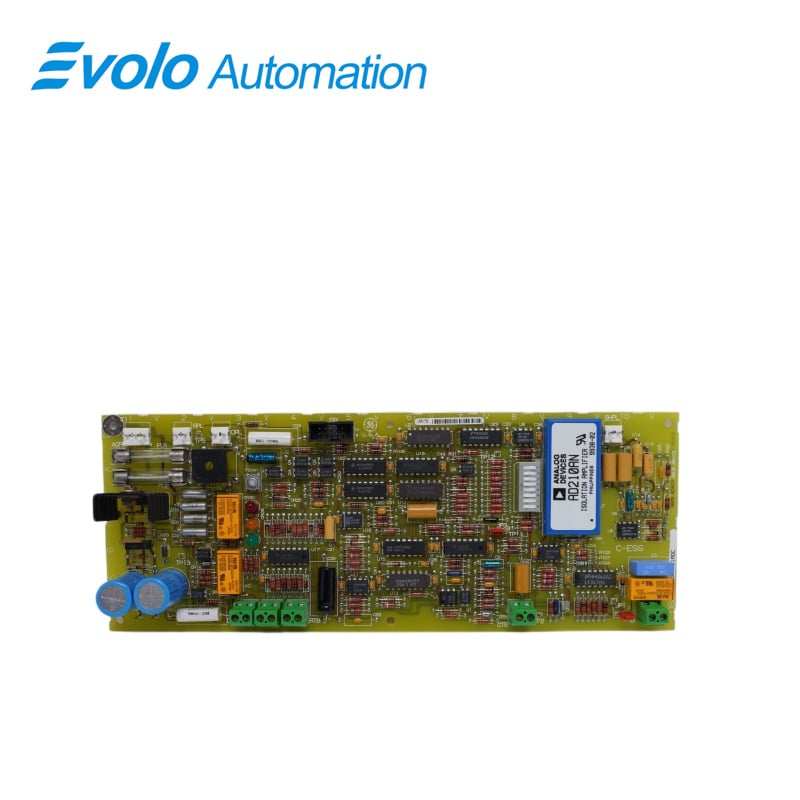
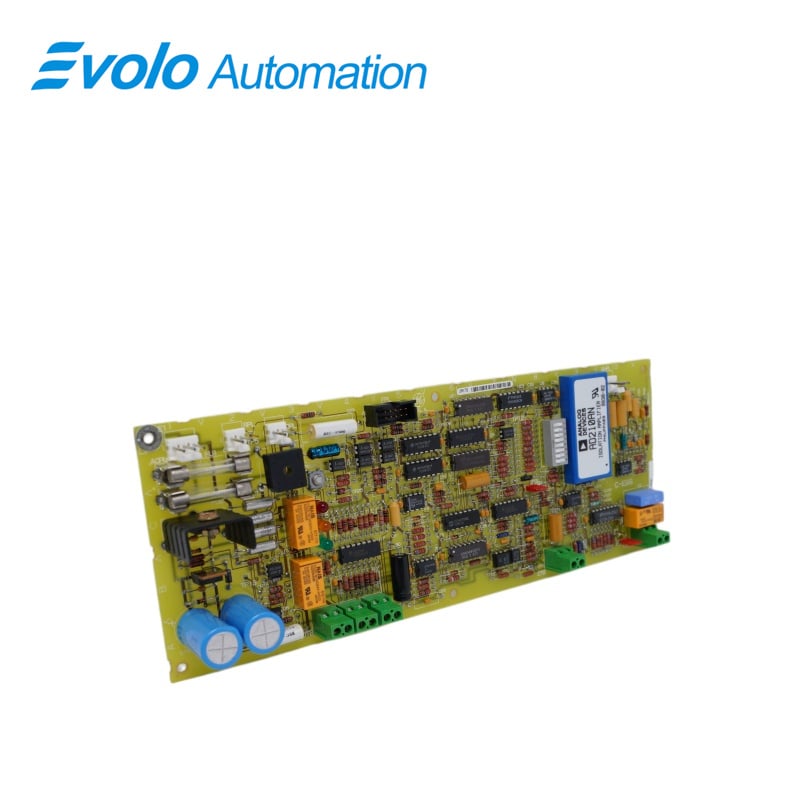
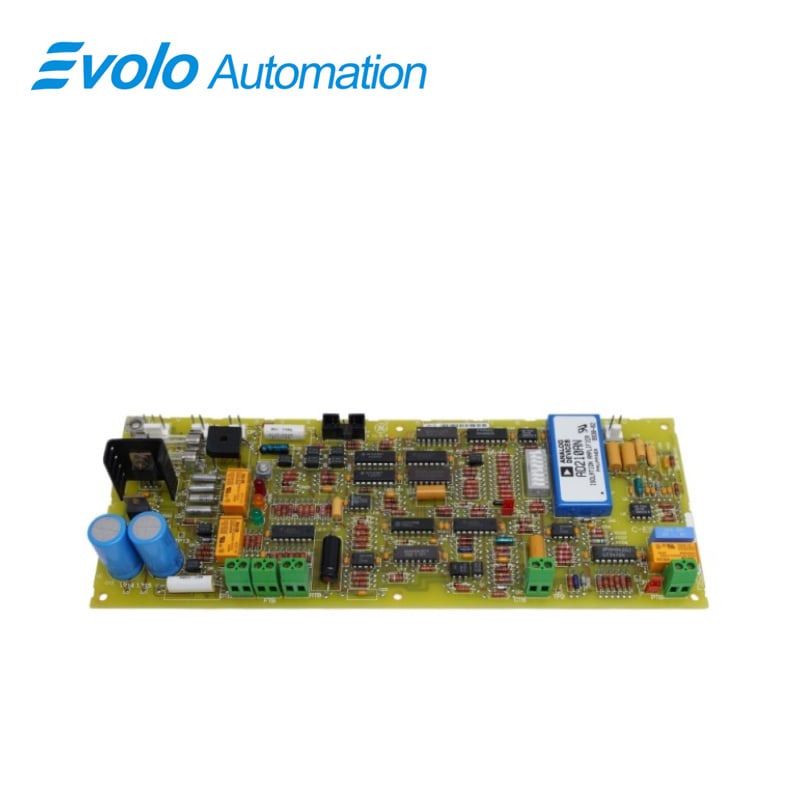
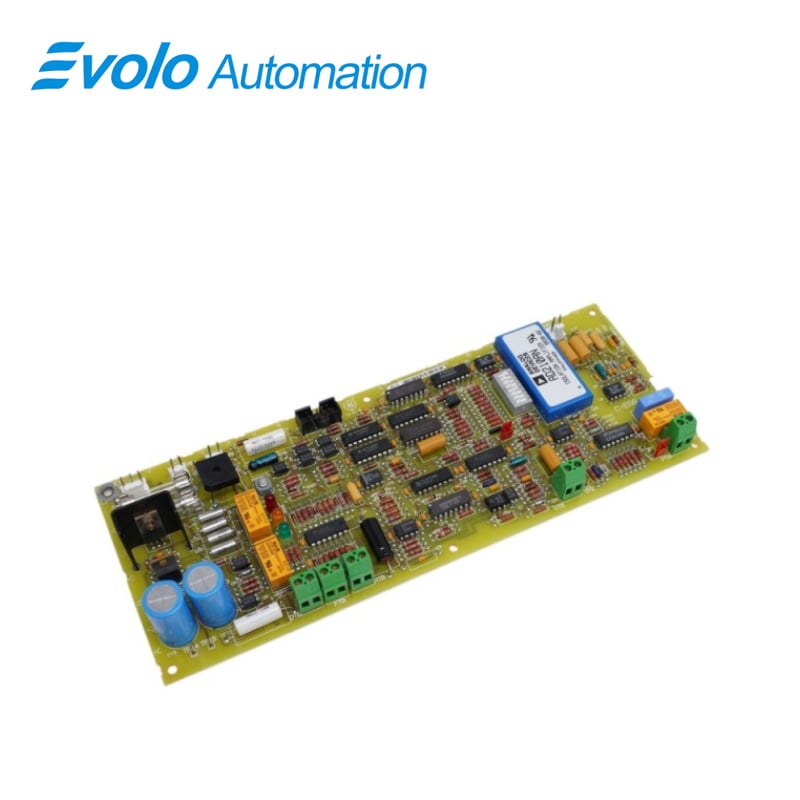
DS200SBCBG1ADC is a Brake Control Card manufactured and designed by General Electric as part of the Mark V Series used in GE Speedtronic Gas Turbine Control Systems.A Brake Control Card, in the context of automotive or engineering, refers to a specialized electronic component or module responsible for controlling the braking system of a vehicle.The card is typically a printed circuit board (PCB) that houses various electronic components and microcontrollers to manage the braking functions efficiently and safely.The main purpose of a Brake Control Card is to receive input signals from the vehicle's sensors, such as wheel speed sensors, brake pedal position sensors, and other relevant data.Based on this input, the card's microcontroller processes the information and activates the braking system accordingly.The card is equipped with various algorithms and safety features to prevent skidding, apply anti-lock braking (ABS) when needed, and distribute braking force optimally among the wheels to maintain stability and control during braking.Additionally, it may communicate with other vehicle control systems, such as the engine control unit (ECU) or the stability control system, to ensure coordinated operation and enhance overall safety.
Applications
Power Industry (Core Market): Thermal and Gas-fired Power Plants: Installed in GE Mark V control cabinets, transmitting key data such as gas turbine or steam turbine speed, exhaust temperature, and vibration to the central control room (CCR) in real time.
Combined Cycle Power Plants (CCPP): Coordinate data exchange between gas turbine and waste heat boiler control systems.
Oil and Gas: Pipeline Booster Stations: Monitor the status of turbines driving large compressors.
Offshore Drilling Platforms: Provide highly robust serial data communication in space-constrained and harsh environments.
Heavy Manufacturing: Steel Mills and Paper Mills: Used to manage networking between large industrial drives (such as Directo-Matic 2000) and the plant's main control system (DCS).
Features and functionalities
1.Sensor Inputs: The card typically receives input signals from various sensors, such as wheel speed sensors, brake pedal position sensors, brake pressure sensors, and other relevant sensors. These inputs provide crucial data for the card to determine the appropriate braking actions.
2.Microcontroller: The Brake Control Card is powered by a microcontroller, which is the brain of the system. The microcontroller processes the sensor data and executes the control algorithms to manage the braking system effectively.
3.Traction Control System (TCS): Some advanced Brake Control Cards include TCS features, which monitor wheel slip and adjust the braking force to optimize traction and prevent wheels from spinning on slippery surfaces.
4.Electronic Stability Control (ESC): ESC is another important feature present in many Brake Control Cards. It continuously monitors the vehicle's stability and, if necessary, applies individual brakes to help the driver maintain control in emergency maneuvers or during challenging road conditions.
5.Communication Interfaces: The card often has communication interfaces to exchange data with other vehicle systems, such as the engine control unit (ECU) and the vehicle's network bus (CAN bus). This allows for coordinated operation and sharing of vital information among various control units.
FREQUENTLY ASKED QUESTIONS
1.Why is it important to turn off the power to the DS200SBCBG1ADC before touching it or connecting circuits?
Turning off the power to the board ensures that there is no electrical current flowing through it, reducing the risk of electric shock when handling the board or any connected circuits. This precaution is essential to protect the safety of personnel working with the equipment.
2.What should I do before removing or re-inserting DS200SBCBG1ADC in the drive?
Before removing or re-inserting boards in the drive, it is crucial to ensure that power is not applied to the drive. Removing or re-inserting boards while power is still on can lead to equipment damage and pose safety risks
3.How are DS200SBCBG1ADC packaged for shipment from you?
Parts are placed in antistatic packets and securely packed in ESD boxes cushioned with ESD Foam designed to safeguard electrical components.