EN
EN




- Overview
- Specifications
- Description
- Applications
- Competitive Advantage
- FAQ
- Recommended Products
Overview
Place of Origin: |
Sweden |
Brand Name: |
ABB |
Model Number: |
DSQC236G |
Packaging Details: |
Original new Factory Sealed |
Delivery Time: |
5-7 days |
Payment Terms: |
T/T |
Supply Ability: |
In stock |
Specifications
|
Parameter |
Value |
|
Model |
DSQC236G |
|
Type |
Servo Drive Unit |
|
Dimensions |
23.3 x 23 x 3.5 cm |
|
Weight |
1.28 kg |
|
Rated Output Current |
25 A (peak), 12 A continuous |
|
Input Power Supply |
200–480 V AC, 3-phase |
|
Control Method |
Vector control PWM |
|
Switching Frequency |
2–8 kHz adjustable |
|
Operating Temperature |
0°C to +55°C |
|
Storage Temperature |
-20°C to +70°C |
|
Relative Humidity |
5% to 95% (non-condensing) |
|
Protection Level |
IP54 (cabinet installation) |
Description
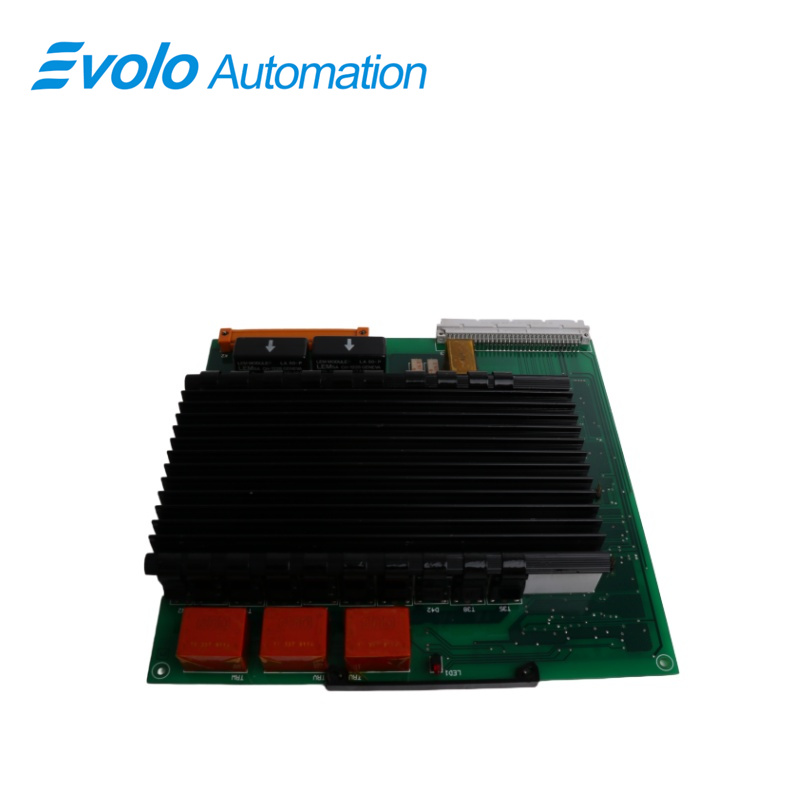
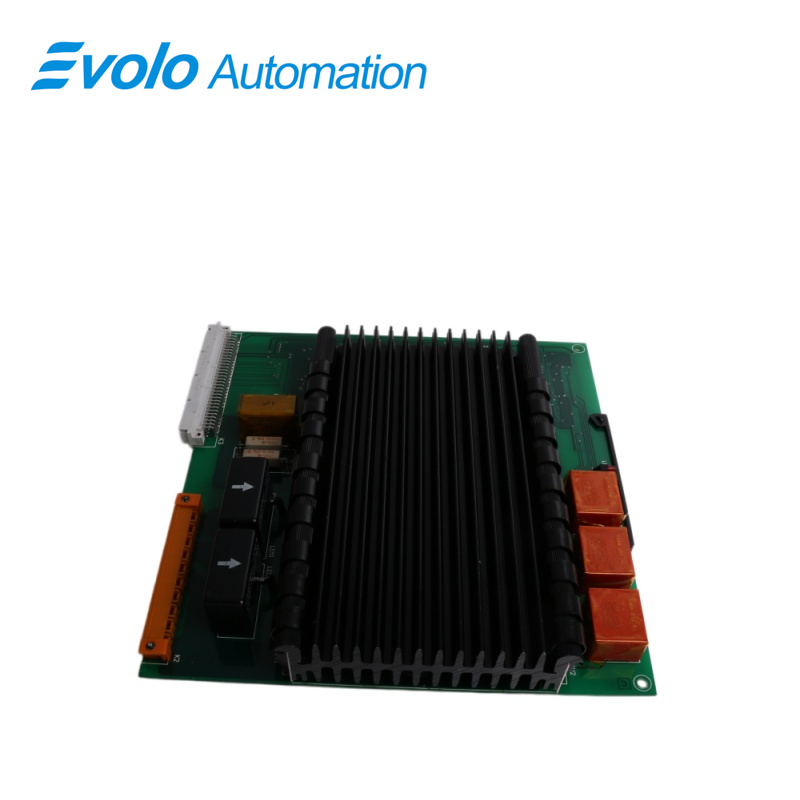
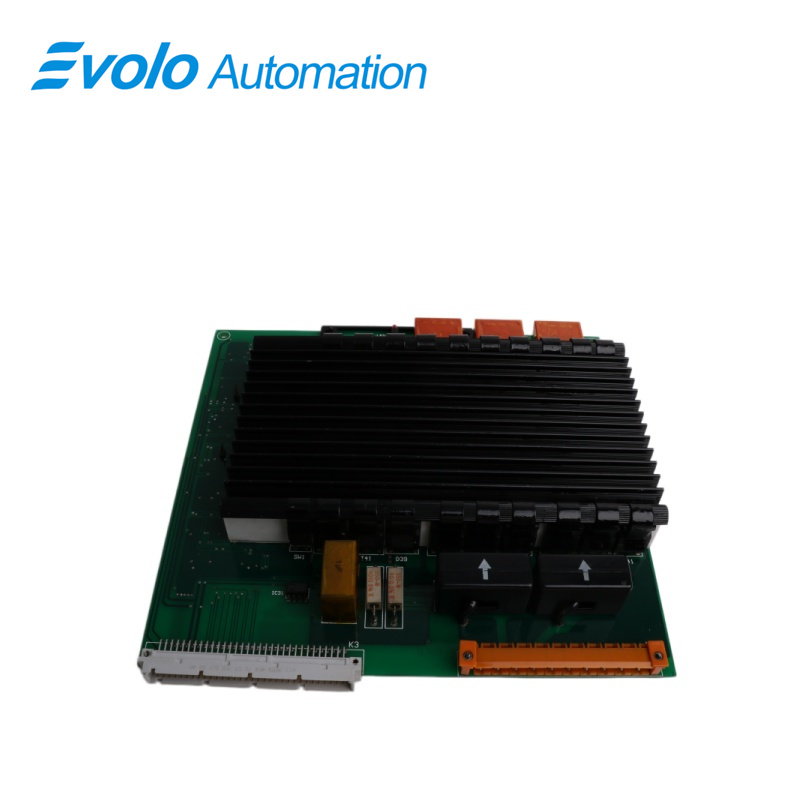
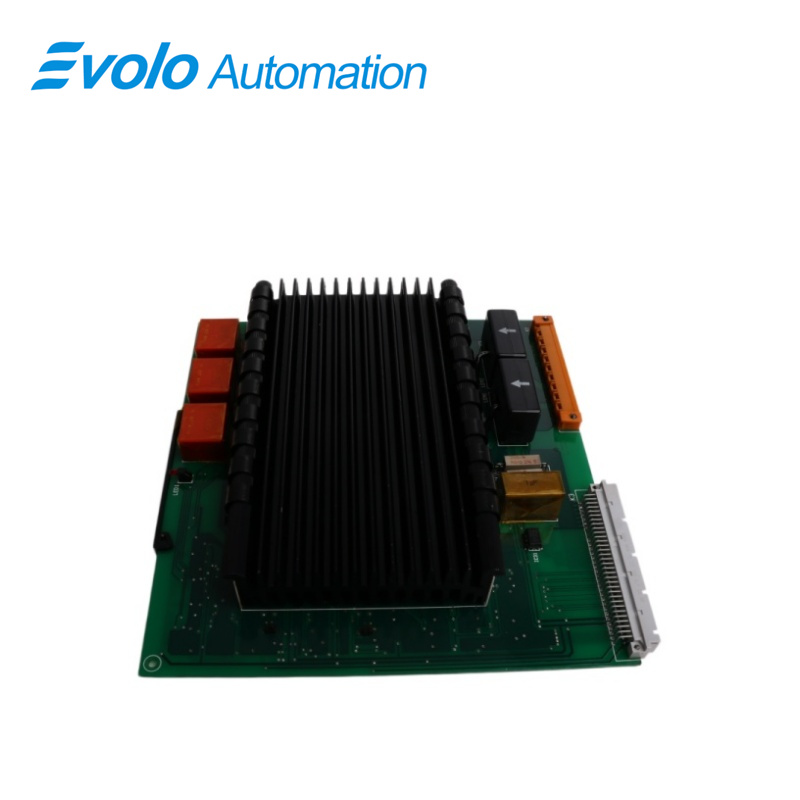
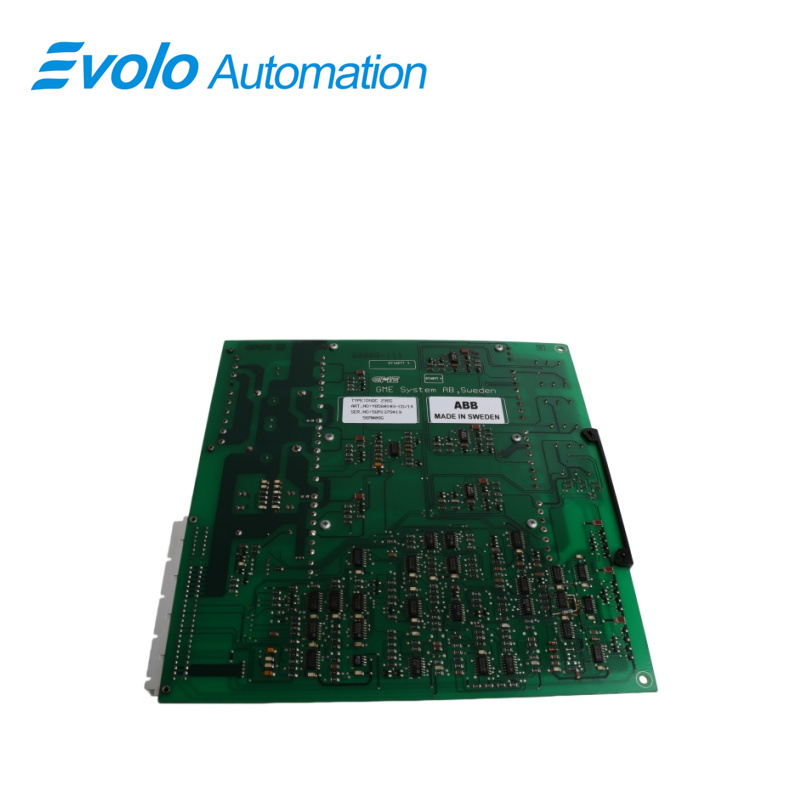
The ABB DSQC236G is a Servo drive unit in ABB's robot control system, specifically designed to provide precise motion control for the IRB series of industrial robots. This unit is engineered to deliver exceptional performance and reliability, making it an ideal choice for industries requiring high-speed, accurate motion control.
Applications
Automotive assembly plant: Precisely controlling servo motor speeds to ensure the robotic arm moves smoothly along the welding trajectory without vibration.
Metal foundry: Maintaining stable servo system signals in smelting workshops with severe electromagnetic interference.
Ceramic processing plant: Driving robots for delicate glazing operations, requiring extremely high levels of motion smoothness.
Plastics manufacturing plant: Working with injection molding machines for rapid part handling, controlling precise deceleration and stopping positions.
Machinery plant: Using robots to control the loading and unloading of automated grinding machines.
Competitive Advantage
High-performance servo control: Employing advanced vector control algorithms, it achieves high-precision torque, speed, and position control. Its rapid response ensures the robot can accurately track complex trajectories.
Comprehensive protection mechanisms: Built-in overcurrent, overvoltage, undervoltage, and overheat protection circuits. An intelligent fault diagnosis system accurately identifies abnormal states and provides detailed fault information via LED indicators and a communication interface.
Efficient heat dissipation design: Utilizing an optimized heat dissipation structure, equipped with a high-performance heatsink and intelligent temperature-controlled fan, temperature monitoring points are distributed on key power components to ensure long-term stable operation.
Convenient maintenance features: Supports hot-swapping, allowing replacement of faulty modules without shutting down the system. Front panel status indicators intuitively display the operating status, and fault codes help quickly locate problems.
FAQ
Q1: Does the DSQC236G board directly drive the motor?
A: No, it doesn't. It sends control signals, and the drive current is provided by the power amplifier module later.
Q2: Does a "Servo Error" report from the robot using the DSQC236G always mean this board is faulty?
A: Not necessarily, but it's one of the three highest priority components to check (the other two are the driver and the cable).
Q3: What if the motor reverses after replacing the DSQC236G board?
A: Check the onboard jumper settings or the phase definition in the system parameters. Replacing with a spare part of the same model usually doesn't cause this problem.
Q4: Does the DSQC236G support S4 controllers?
A: No. S4 and later systems use a completely different digital drive architecture (such as the DSQC 346 series).
Q5: Can I replace only the chip if the DSQC236G is faulty?
A: Theoretically, yes. It mainly consists of operational amplifiers and logic gate arrays, and factories with repair capabilities can perform chip-level repairs.