EN
EN




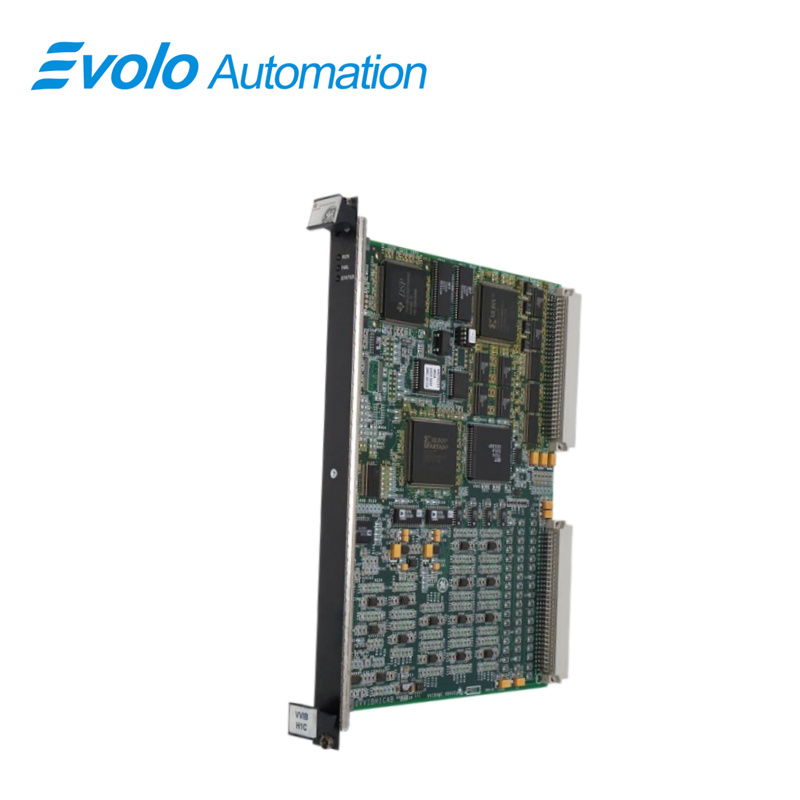
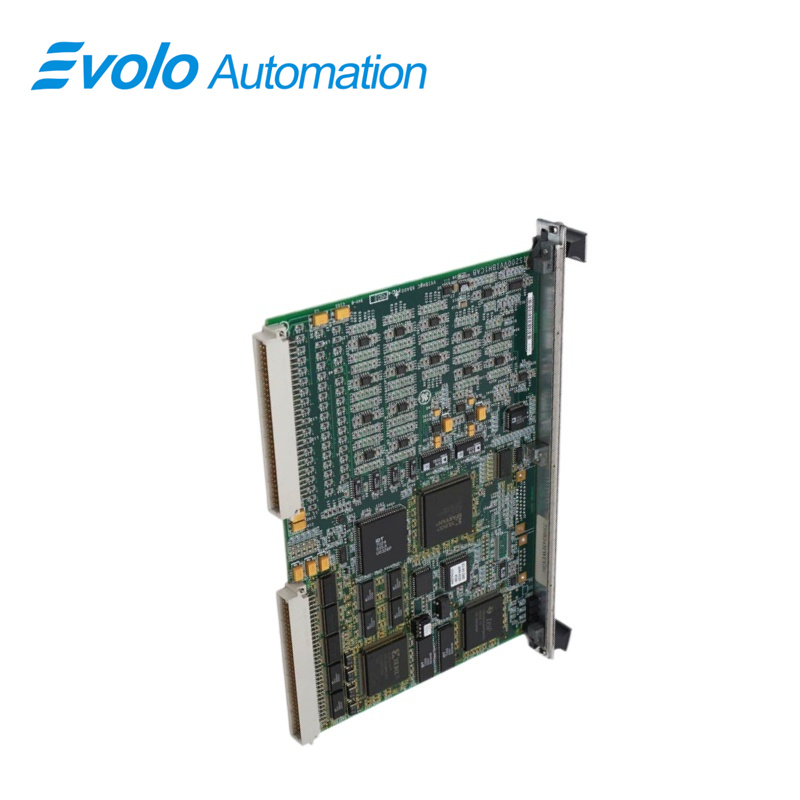
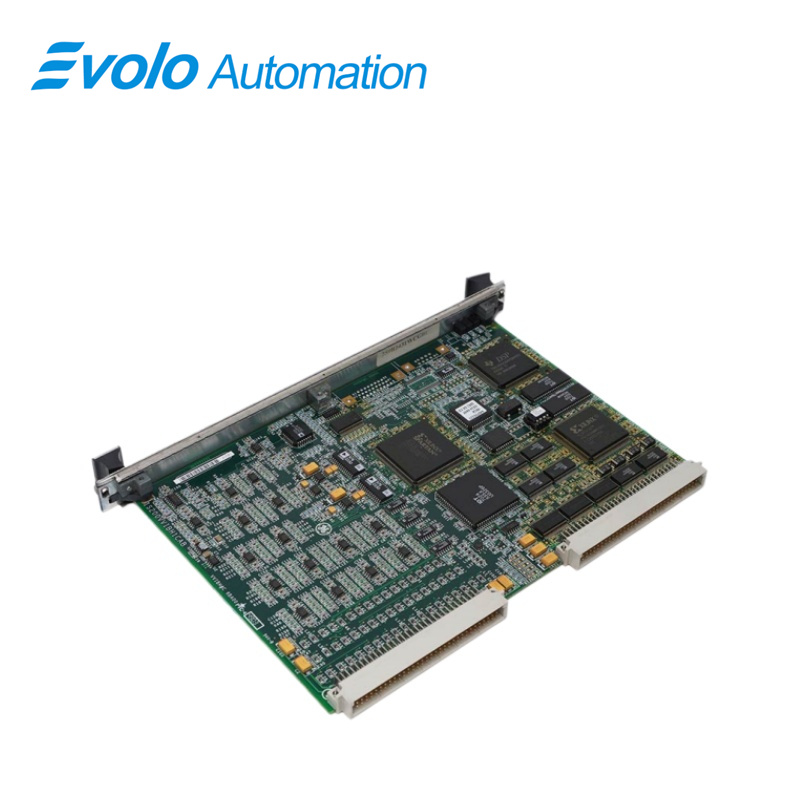
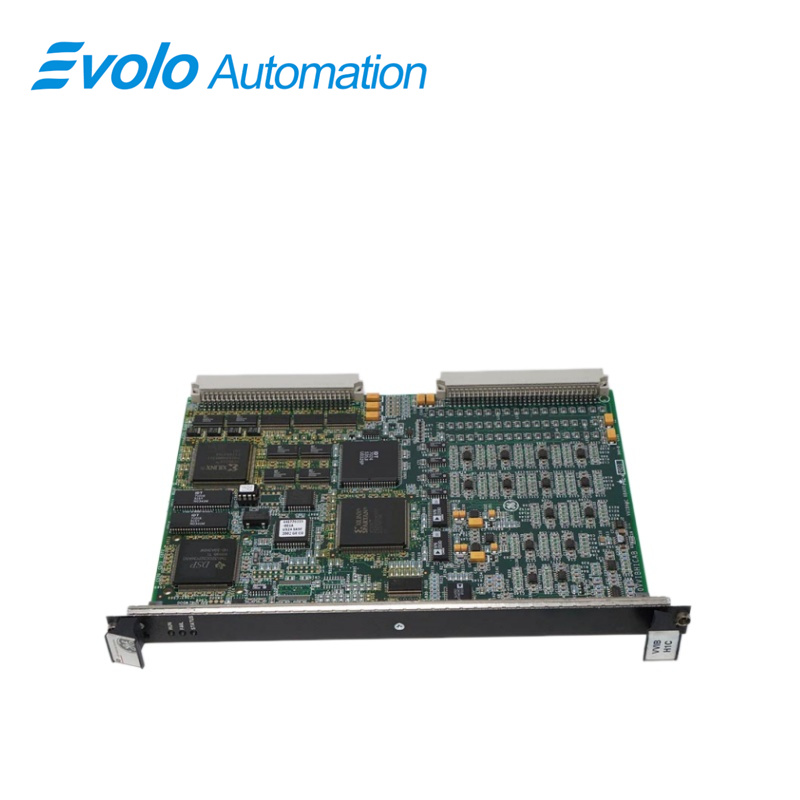
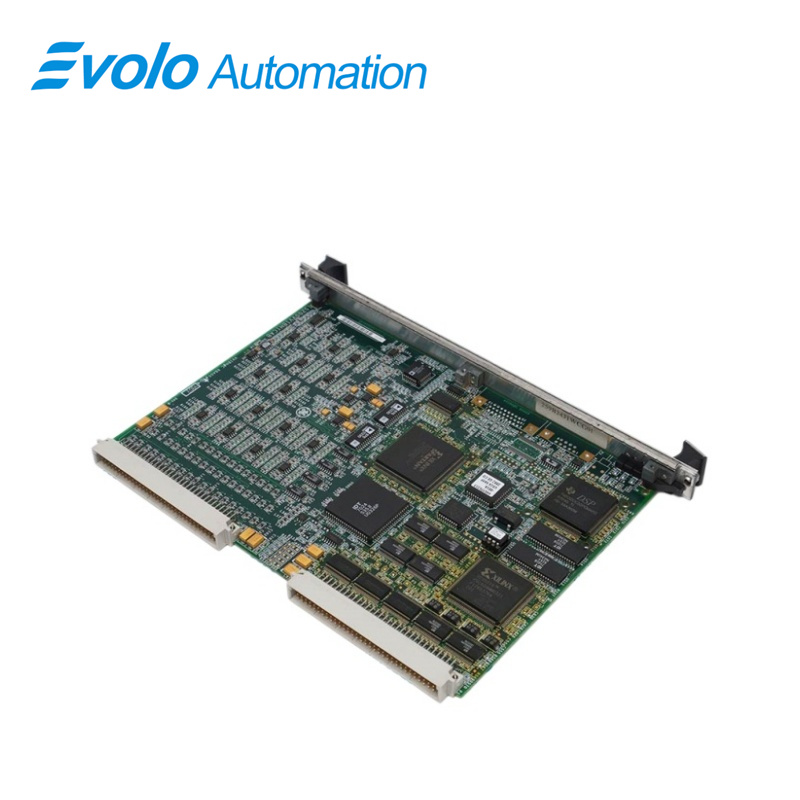
IS200VVIBH1CAB IS200VVIBH1C Vibration Monitor Board
Email: [email protected]
whatsApp: +86-18150117685
- Overview
- Specifications
- Description
- Applications
- Signal Processing and Transmission
- Protective Functions in Turbine Applications
- Features
- Frequently Asked Questions
- Recommended Products
Overview
Place of Origin: |
USA |
Brand Name: |
GE |
Model Number: |
IS200VVIBH1CAB IS200VVIBH1C |
Packaging Details: |
Original new Factory Sealed |
Delivery Time: |
5-7 days |
Payment Terms: |
T/T |
Supply Ability: |
In stock |
Specifications
|
Part Number: |
IS200VVIBH1CAB / IS200VVIBH1C |
|
Manufacturer: |
General Electric |
|
Country of Manufacture: |
United States (USA) |
|
Product Type: |
Vibration Monitor Board |
|
Series: |
Mark VI |
|
Dimensions: |
33.0 x 17.8 cm |
|
Number of Channels: |
26 |
|
Probe Power Supply: |
-28 V DC to -24 V DC, current-limited |
|
Transducer Load: |
12 mA |
|
Signal Sampling: |
16-bit A/D, effective 14-bit |
|
Buffered Outputs Accuracy: |
0.1% amplitude |
|
Fast Scan Rate: |
4,600 samples/sec for 4,000-17,500 rpm |
|
Reduced Mode Scan Rate: |
2,586 samples/sec for lower speeds |
|
Channels Above 4,000 RPM: |
8 vibration channels |
|
Channels Below 4,000 RPM: |
Up to 16 vibration channels |
Description
IS200VVIBH1CAB IS200VVIBH1C is a Vibration Monitor Board developed by GE. It is a part of Mark VI control system. The Vibration Monitor (VVIB) board serves as a critical component in the turbine control system, tasked with processing vibration probe signals originating from either the TvIB or DvIB terminal boards The board is designed to accommodate up to 14 vibration probes, directly connected to the terminal board. It supports the connection of two TVIB boards to the VVIB processor board, enabling the simultaneous processing of multiple vibration signals.
Applications
Combined cycle power plants: Shaft vibration analysis and overspeed/damage protection for gas turbines and steam turbines.
Steel and cement plants: Monitoring the mechanical condition of large centrifugal compressors or fan systems.
Paper mills and chemical plants: Ensuring the continuous and stable operation of large rotary drive equipment in process industries.
Signal Processing and Transmission
1 Vibration signals from the multitude of probes connected to the terminal board are received by the VVIB board, which processes these analog signals and digitizes the raw vibration data for transmission over the VME bus to the central controller of the Mark VI control system.
2 The process begins as the VVIB board converts incoming analog signals into digital format using precise analog-to-digital conversion techniques, ensuring signal integrity and minimizing distortion or inaccuracies associated with analog transmission.
3 Once digitized, the vibration parameters are prepared for transmission across the VME bus to the central controller, utilizing the high-speed and reliable communication capabilities of the VME architecture.
4 The digital transmission of vibration data enables rapid and efficient communication between the VVIB board and the central controller, supporting real-time monitoring and analysis while maintaining accurate representation of vibration parameters without signal degradation.
5 The digital format also allows seamless integration with advanced data processing algorithms and diagnostic tools within the controller, providing enhanced insights into turbine condition and enabling proactive maintenance and performance optimization.
Protective Functions in Turbine Applications
1 Vibration Probes: Play a crucial role in turbine applications, serving four primary protective functions.
2 Vibration Proximity Monitoring: Detects peak-to-peak radial displacement of the shaft, utilizing non-contacting probes and Proximitors to identify alarms, trips, and faults related to shaft motion in journal bearings.
3 Rotor Axial Position Monitoring: Observes the motion of the thrust collar on the turbine rotor through a probe mounted in a bracket assembly off the thrust bearing casing. This system detects thrust bearing wear alarms, trips, and faults.
4 Differential Expansion Monitoring: Utilizes non-contacting probes and Proximitors to detect alarms, trips, and faults related to excessive expansion differential between the rotor and the turbine casing.
5 Rotor Eccentricity Monitoring: Continuously senses the shaft surface adjacent to the probe, updating turbine control systems. It calculates eccentricity once per revolution during turning gear operation, providing alarm and fault indications.
Features
1 Probe Power Supply: The Vibration Monitor (VVIB) board provides power to the probes by stepping down the voltage from the -28 V DC bus to -24 V DC. Each probe supply is current-limited to ensure safe operation.
2 Transducer Load: Each transducer connected to the VVIB board imposes a load of 12 mA. This current requirement is factored into the overall design to ensure proper power distribution and stability.
3 Signal Sampling: The VVIB board employs a 16-bit Analog-to-Digital (A/D) converter for probe signal sampling. However, the effective resolution is 14 bits, ensuring accurate representation of the vibration data.
4 Buffered Outputs: The board features buffered outputs to ensure signal accuracy when interfacing with the Bently Nevada 3500 vibration analysis system. The amplitude accuracy of these buffered outputs is maintained at 0.1%, providing reliable data for precise vibration analysis and diagnostics.
Frequently Asked Questions
Q: What is IS200VVIBH1CAB IS200VVIBH1C?
A: IS200VVIBH1CAB / IS200VVIBH1C is a Resistance Temperature Device (RTD) terminal board developed by General Electric (GE).
Q: What diagnostics are performed on the vibration probe inputs of IS200VVIBH1CAB / IS200VVIBH1C?
A: The IS200VVIBH1CAB IS200VVIBH1C system conducts both high and low limit checks on the input signals using a combination of hardware and software methods. The software-based limit checks are field-adjustable, allowing flexible monitoring settings.
Q: What conditions trigger a probe fault, alarm, or trip in IS200VVIBH1CAB / IS200VVIBH1C?
A: In IS200VVIBH1CAB IS200VVIBH1C, a fault, alarm, or trip condition is triggered when either probe in an X or Y probe pair exceeds its predefined limits, ensuring prompt detection and response to abnormal conditions.
Q: How does the application software of IS200VVIBH1CAB IS200VVIBH1C handle vibration trips in the presence of probe faults?
A: The application software in IS200VVIBH1CAB IS200VVIBH1C includes logic that blocks vibration trip signals (AC component) if a probe fault is identified based on the DC component, preventing false trips and improving system stability.
Q: How are position inputs monitored in IS200VVIBH1CAB IS200VVIBH1C for thrust wear protection, differential expansion, and eccentricity?
A: In IS200VVIBH1CAB / IS200VVIBH1C, position inputs are monitored similarly to vibration inputs, but only the DC component is used for position indication. This method supports accurate monitoring for thrust wear protection, differential expansion, and eccentricity.