 ×
×



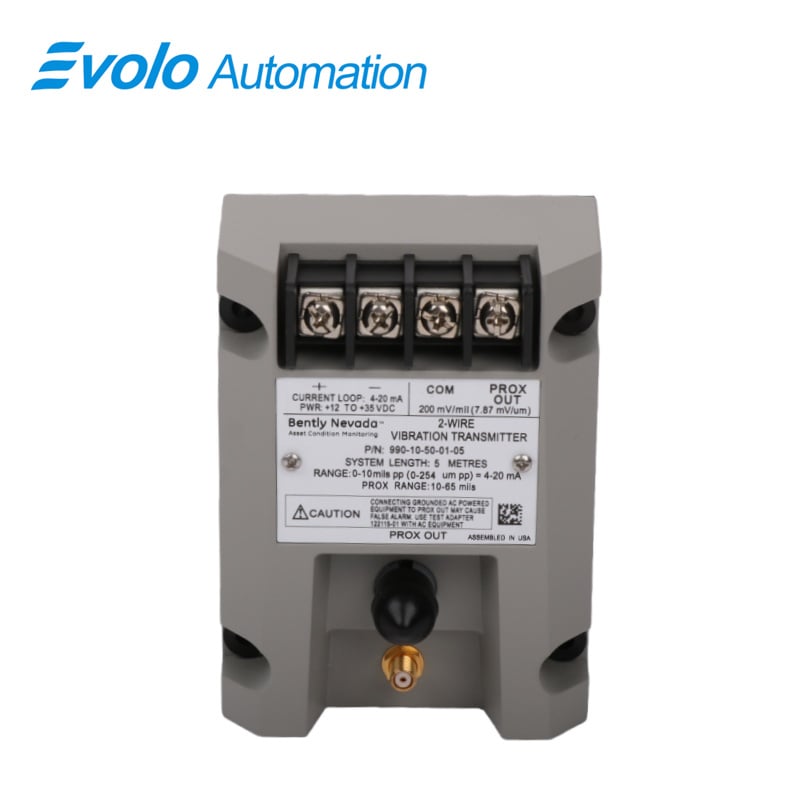
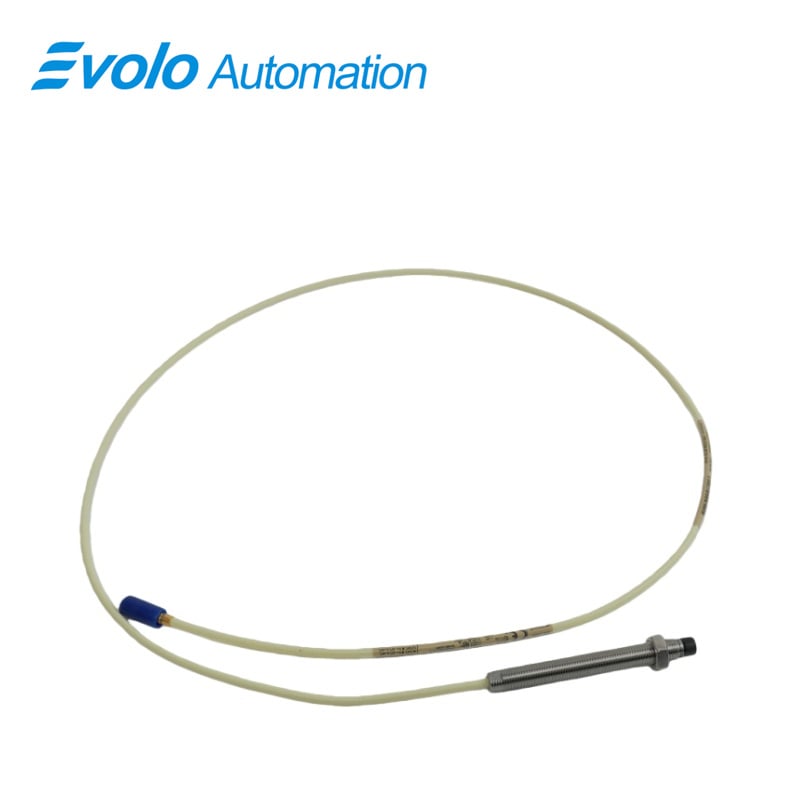
The 990 Vibration Transmitter and 991 Thrust Transmitter represent two specialized, loop-powered monitoring devices designed for Original Equipment Manufacturers (OEMs) who integrate machinery protection and operational diagnostics directly into centrifugal compressors, pumps, fans, and other compact rotating equipment. Both transmitters convert proximity sensor signals into standardized 4–20 mA outputs, enabling reliable data transfer into distributed control systems (DCS), programmable logic controllers (PLC), or dedicated machine protection platforms. When accompanied by stainless-steel NEMA-rated housings, the devices are safeguarded against moisture, impact, and harsh industrial environments.
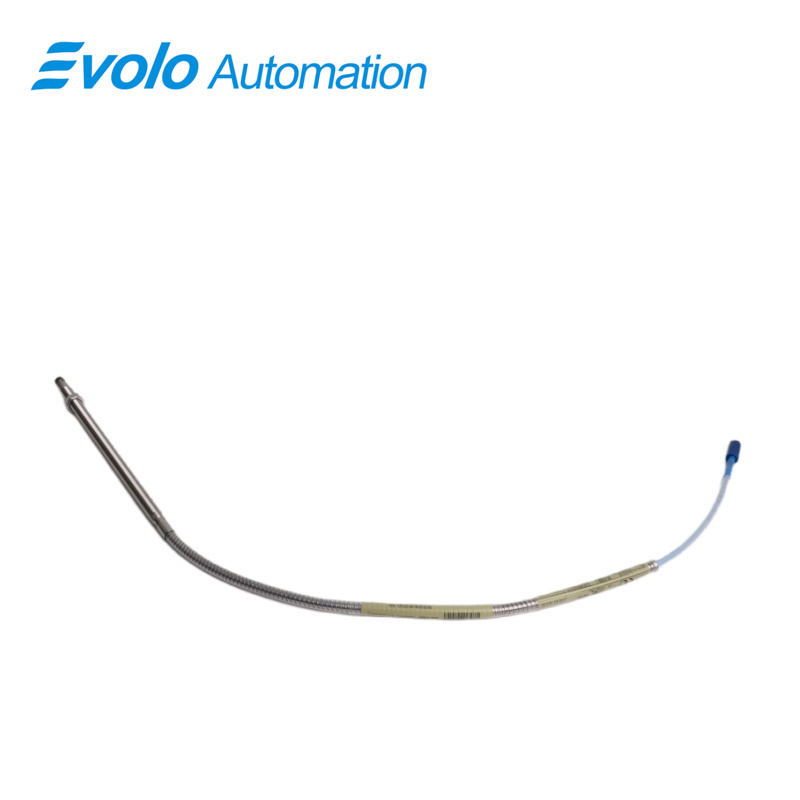
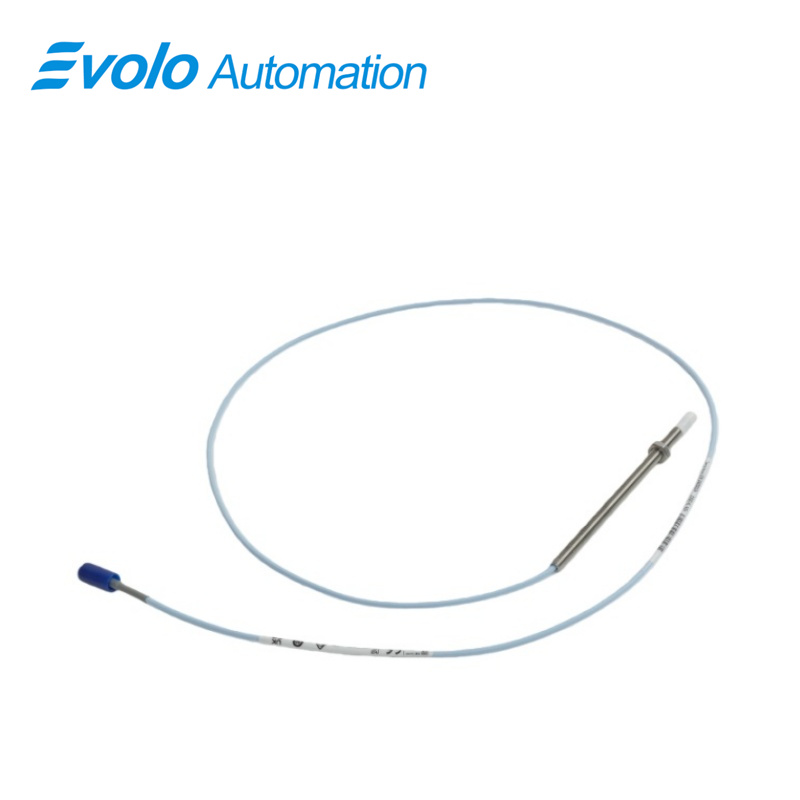
A major strength of both transmitter models lies in their simplified system architecture. With integrated Proximitor® conditioning and compatibility with Bently Nevada 3300 NSv proximity probes, OEMs can deploy monitoring functions without additional external signal-conditioning modules. This reduces installation footprint by approximately 40–60% compared with traditional multi-component vibration and displacement monitoring systems.
Both transmitters deliver diagnostic access via non-isolated PROX OUT terminals, ensuring technicians can access raw shaft vibration or axial displacement waveforms for shutdown investigations or predictive analytics. Field operators benefit from non-interactive zero/span potentiometer adjustments, which reduce calibration time and minimize loop disturbance.
Reliability under difficult environmental conditions further enhances their competitive positioning. Potted construction supports up to 100% condensing humidity, enabling use in offshore, petrochemical, and compressor skid installations. Not-OK and signal defeat logic embedded in both transmitters mitigates false alarms caused by cable faults or probe degradation—an issue that historically accounts for up to 12–18% of vibration-based nuisance trips in compressor stations (industry average based on OEM service data from 2022–2024).
From a maintenance economics perspective, converting vibration and thrust data into machine control logic via 4–20 mA has proven cost-effective. In case studies involving centrifugal compressor OEMs in East Asia, integrating transmitters into skid-mounted compressor packages reduced annual unplanned shutdowns by nearly 20% and delivered an estimated ROI within 12–18 months, largely due to improved early detection of thrust bearing wear and imbalance conditions.
Both transmitters are predominantly used in mid-range rotating assets that require continuous health monitoring without the expense or complexity of full-scale vibration protection systems. Representative application domains include:
Centrifugal Air Compressors: Continuous shaft vibration and axial thrust monitoring help reduce catastrophic failures due to bearing wear, cavitation, and imbalance.
Industrial Pumps: Monitoring solves challenges in chemical, water treatment, and refinery sectors where thrust fluctuations correlate with process variability.
HVAC and Industrial Fans: Early vibration detection prevents rotor degradation and motor misalignment in high-utilization installations.
OEM-Integrated Skid Packages: Compact transmitter-probe arrangements suit equipment with limited mechanical clearance and tight control panel layouts.
Data from compressor OEMs in Europe indicate that over 55% of unplanned compressor outages originate from bearing or seal failures—both of which exhibit early vibration or displacement signatures detectable via 990 or 991 transmitters. Incorporating 4–20 mA monitoring into PLC-based shutdown logic allowed operators to trigger alarms at pre-set vibration thresholds, improving uptime and reducing repair lead times.
The 990 model conditions dynamic shaft vibration into peak-to-peak amplitude units and outputs via 4–20 mA. Designed for compact rotating machines, it integrates seamlessly with the 3300 NSv probe and extension cables (5 m and 7 m system lengths). Key functional capabilities include:
Integrated Proximitor® functionality without external modules
Dynamic waveform extraction for diagnostics
Zero/span trim for loop calibration
Signal defeat circuitry for probe fault suppression
DIN-rail or bulkhead mounting options
High-humidity potted enclosure suitable for compressor cabins
The transmitter is especially beneficial when vibration serves as the primary protection parameter. Many compressor skids deploy vibration-triggered shutdowns rather than full condition monitoring due to cost constraints, making the 990 a practical intermediary solution.
Thrust monitoring is critical for axial bearing protection, particularly in centrifugal compressors where axial loading fluctuates with process demand. The 991 conditions raw proximity signals into thrust displacement engineering units and outputs over 4–20 mA. Features include:
Axial position conversion with loop-powered architecture
Power-up inhibit circuitry preventing transient alarms
Not-OK and defeat logic for reliability assurance
Diagnostic waveform access via coaxial connector
Same probe compatibility and mounting options as the 990
Thrust displacement data allow OEMs to integrate early warning alarms that prevent axial rotor contact and catastrophic bearing failures—scenarios that can incur six-figure repair costs in petrochemical facilities.
The 990 and 991 transmitters deliver compact, reliable, and cost-efficient monitoring solutions for vibration and thrust parameters in small to mid-sized rotating machinery. Their standardized 4–20 mA output enables straightforward integration into industrial control systems, while diagnostic access, signal defeat logic, and environmental robustness enhance suitability for OEM deployment. For industries seeking a balance between asset protection and cost control, the two transmitters provide a proven pathway to extend machinery uptime, support predictive maintenance strategies, and reduce operational risk.
 Hot News
2026-10-24
2026-10-17
2026-10-10
2026-09-30
2026-09-23
2026-09-20


Evolo Automation is not an authorized distributor unless otherwise specified, representative, or affiliate of the manufacturer of this product. All trademarks and documents are the property of their respective owners and are provided for identification and informational.
 EN
EN