EN
EN




- Overview
- Specifications
- Functional Description
- Applications
- Component Installation
- Features
- FAQ
- Recommended Products
Overview
Place of Origin: |
USA |
Brand Name: |
Woodward |
Model Number: |
5466-355 |
Packaging Details: |
Original new Factory Sealed |
Delivery Time: |
5-7 days |
Payment Terms: |
T/T |
Supply Ability: |
In stock |
Specifications
|
Model |
5466-355 |
|
Product Name |
Remote Chassis Transceiver |
|
Dimensions |
2.5 × 24.8 × 26.2 cm |
|
Weight |
0.88 kg |
|
Bus Interface |
VME Parallel Bus |
|
Data Transfer Rate |
VME Transmission Rate (Up to 80 Mbps) |
|
Connector Type |
100-pin Metal Shell Micro-D (x2) |
|
Isolation Voltage |
1500 VDC (Signal Isolation) |
|
Slot Requirement |
Slot 1 (Mandatory) |
|
Termination Resistors |
Required in Last Expansion Chassis |
|
Operating Voltage |
24 VDC (±10%) |
|
Operating Temperature |
-40°C to +85°C |
|
Vibration Resistance |
4 G's (40–2000 Hz) |
|
Protection Rating |
IP20 (Dust/Partial Moisture) |
|
Diagnostics |
No LEDs/Switches |
Functional Description
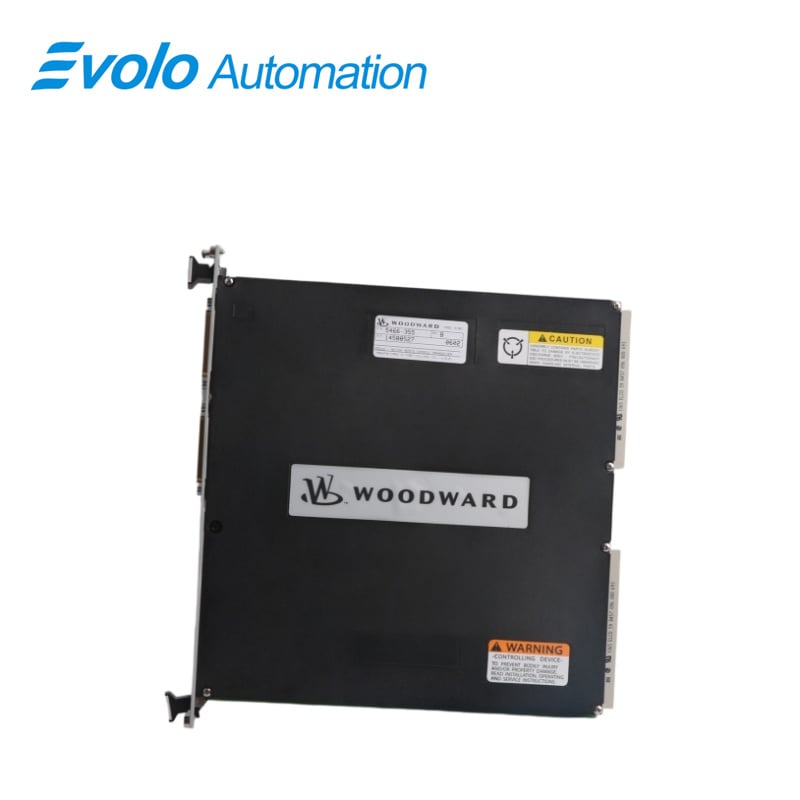
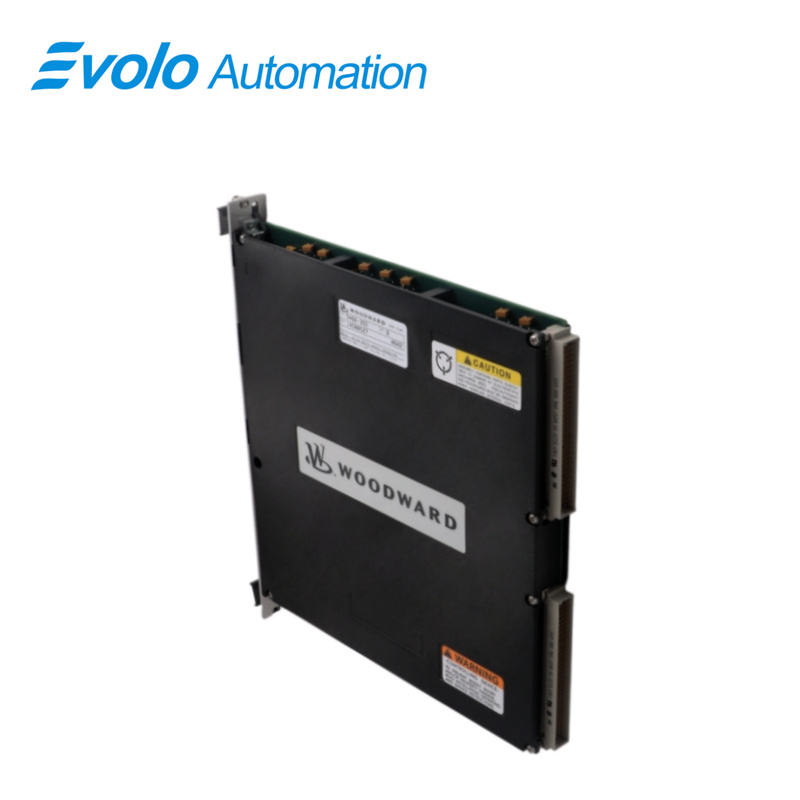
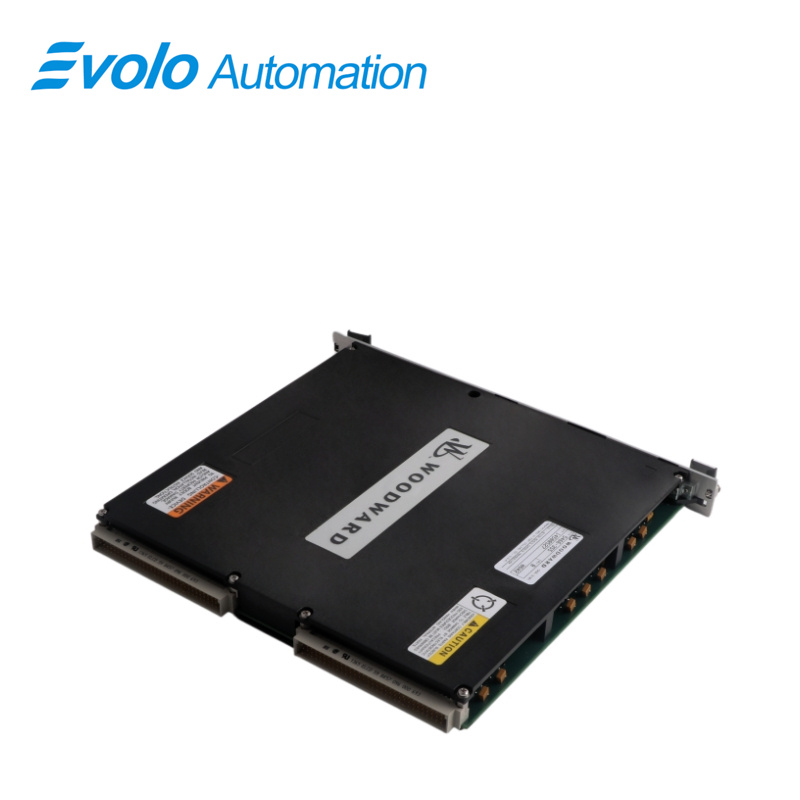
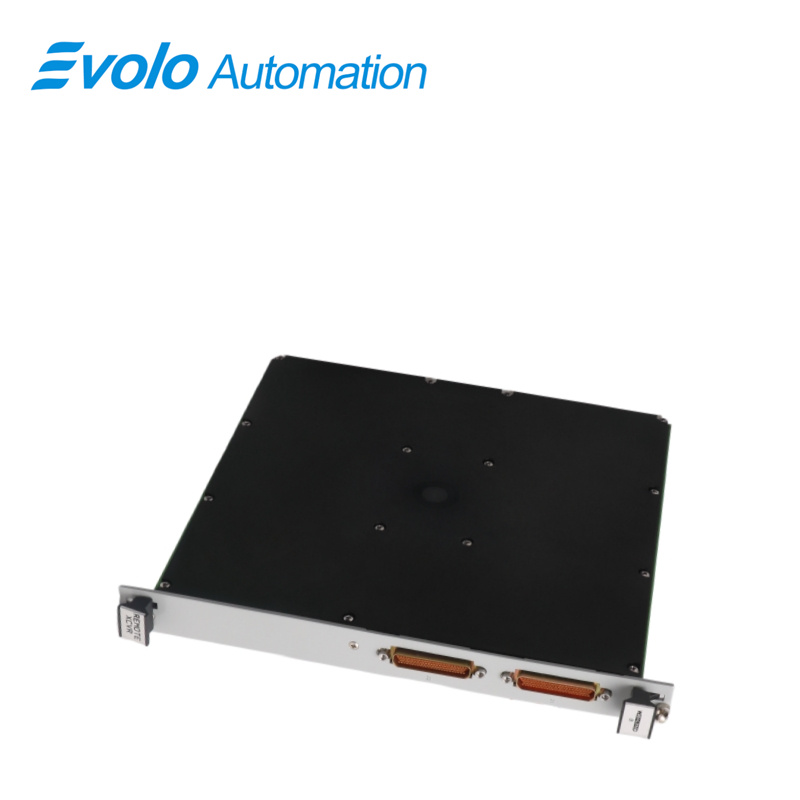
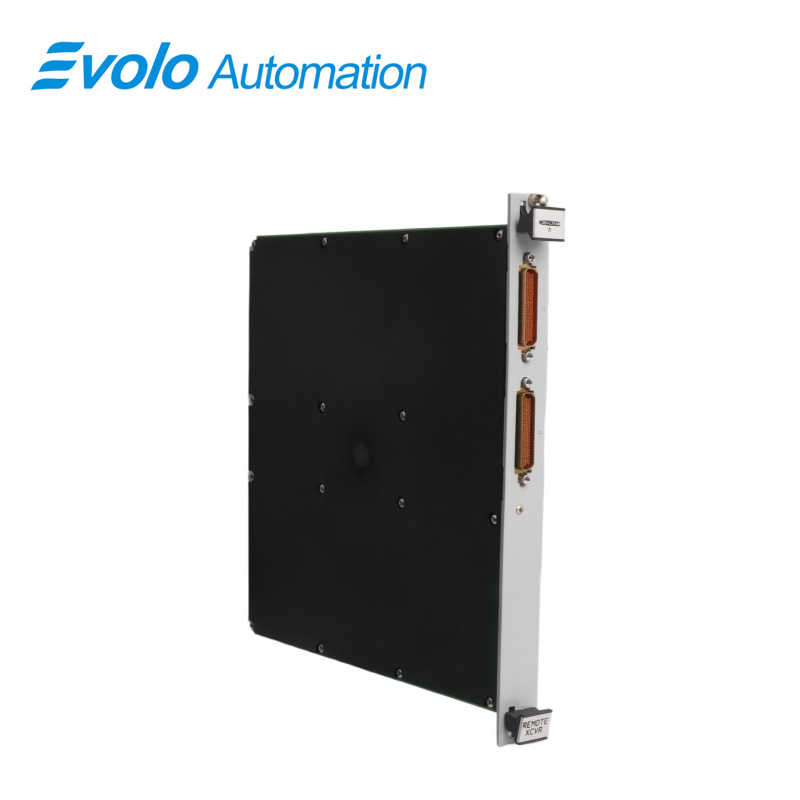
5466-355 is a Remote Chassis Transceiver developed by Woodward. The Remote XCVR module is only available for CPU 68040 systems.The Remote XCVR module receives and sends control, data, and address information to and from the Main XcVR module via cable. This module must be installed in each Remote I/O Chassis that is wired to the Main Chassis. The Remote XCvR module connects to the chassis' VME bus. The system employs a parallel interface distinguished by its utilization of high- speed differential line drivers that operate seamlessly at the VME transmission rate.
Applications
Power Plants: Ensures stable remote control communication in boiler and turbine systems.
Steel Mills: Maintains reliable VME communication in high-vibration areas.
Petrochemical Plants: Supports DCS remote expansion in harsh industrial environments.
Railway Manufacturing: Enables fast data transfer for train control and assembly systems.
Pulp and Paper Mills: Provides stable long-distance remote I/O communication.
Component Installation
There are no switches or LEDs on the Remote XCVR module.
Except for the last expansion chassis in the chain, all expansion chassis should use the Remote XcyR module without termination resistors. This module is required to be installed in Slot 1.
The Remote XCVR module with termination resistors should be used in the final expansion chassis in the chain. This module is required to be installed in Slot 1.
Features
The Remote Transceiver module's bus receiver/driver communicates with the VME bus, exchanging control, data, and address information. If this chassis is to be accessed, the chassis decoder activates the receiver/driver of this chassis' Remote Transceiver module to receive or send information.
Parallel Interface: High-speed, differential line drivers operating at VME transmission rate
Cable Interface: 100 pin metal shell Micro-D connector
Check the cable connections if the Remote XCVR module is not working or is not working properly. If the module is still not working properly after checking the cable connections, replace the cables that connect to it. Replace the module if it is still not working properly after replacing the cables.
FAQ
Q: What is the signal isolation voltage of the 5466-355?
A: Signal isolation voltage is 1500 VDC.
Q: What vibration resistance does the 5466-355 support in terms of frequency range?
A: Vibration resistance is 4 G (operating frequency 40–2000 Hz).
Q: How does the Remote XCVR module communicate with the Main module?
A: The Remote module sends and receives control, data, and address information via a cable connection.
Q: Where should the 5466-355 be installed?
A: It should be installed in each Remote I/O Chassis wired to the Main Chassis, connected to the VME bus, and placed in Slot 1.
Q: Are there any switches or LEDs on the 5466-355?
A: No, there are no switches or LEDs.