EN
EN




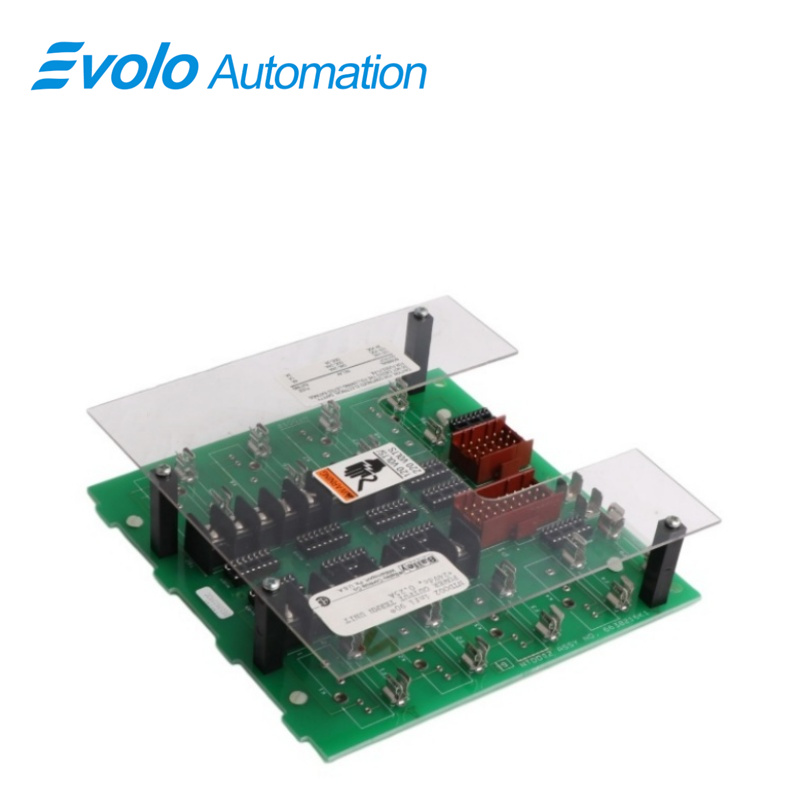
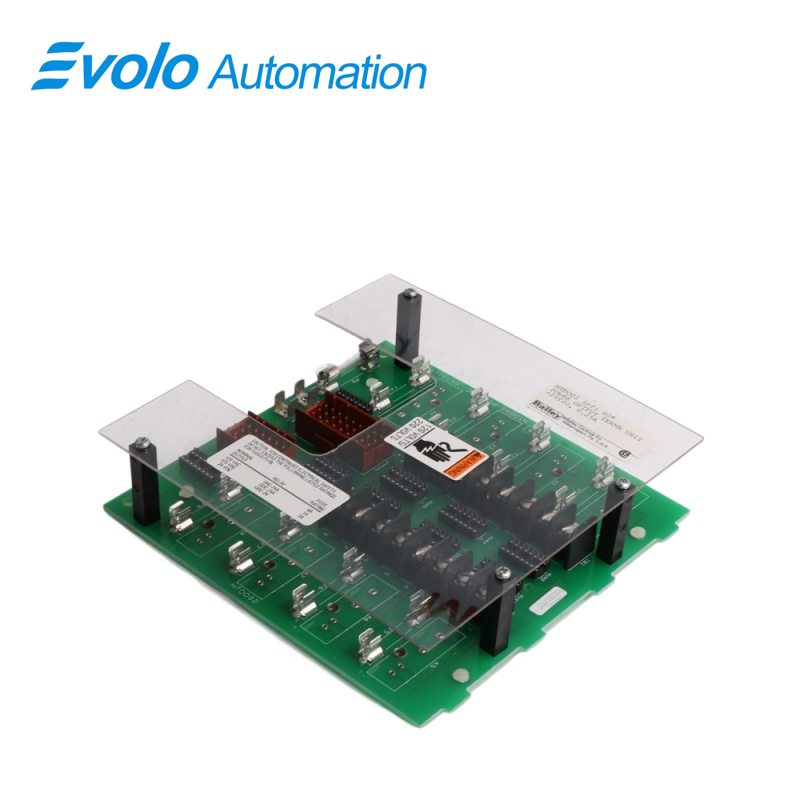
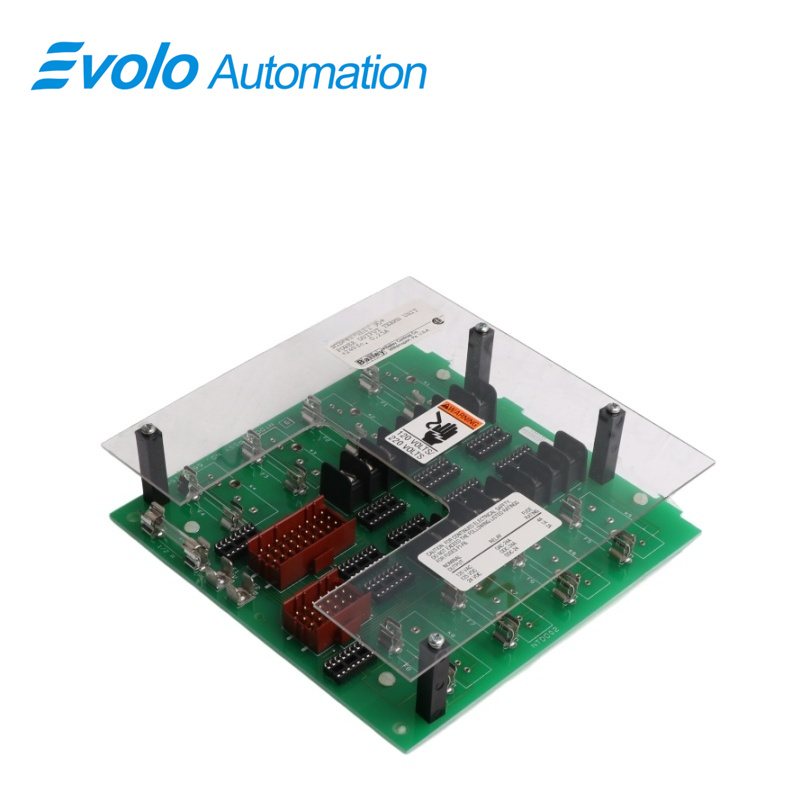
- Overview
- Specifications
- Description
- Applications
- FEATURES
- MAINTENANCE
- FAQ
- Recommended Products
Overview
Place of Origin: |
Sweden |
Brand Name: |
ABB |
Model Number: |
NTDO02 |
Packaging Details: |
Original new Factory Sealed |
Delivery Time: |
5-7 days |
Payment Terms: |
T/T |
Supply Ability: |
In stock |
Specifications
|
Parameter |
Specification |
|
Model |
NTDO02 |
|
Device Type |
Termination Unit |
|
Dimensions |
18.1 × 4.1 × 17.7 cm |
|
Weight |
0.34 kg |
|
Channels |
8 Digital Output |
|
Compatible Modules |
DSO, NKTU |
|
Relays |
Not included |
|
WEEE Category |
Small Equipment (No External Dimension More Than 50 cm) |
|
Number of Batteries |
0 |
|
Power Requirements |
+24 VDC, 268 mA max |
|
Cable Insulation |
PVC (UL Rating PLTC) 80°C at 300 V, Non-PVC (UL Rating PLTC) 90°C at 300 V |
|
Mounting |
Screw mounts on field termination panel |
|
Operating Temperature |
0° to 70°C (32° to 158°F) |
|
Relative Humidity |
5% to 90% up to 70°C (non-condensing) |
|
Altitude |
Sea level to 3 km (1.86 mi) |
|
Air Quality |
Noncorrosive |
|
Installation Category |
Category III |
|
Certification |
CSA certified for ordinary (nonhazardous) location, Factory Mutual approved for Class I, Division 2, Groups A, B, C, D |
|
Relay Type |
120 VAC |
|
Fuse Rating |
4 A slo-blo (60 A for one-cycle surge) |
|
Output Voltage Range |
12 VAC to 280 VAC |
|
Output Current |
3 A rms max (15° to 25°C), 1.2 A rms max at 70°C |
|
Load Frequency |
47 to 63 Hz |
|
Off-state Leakage Current |
0.75 mA rms max |
|
One-cycle Surge Capability |
85 A peak max |
|
Cooling Requirements |
No cooling necessary when used in Bailey cabinets within specified environmental limits |
|
Electromagnetic / RF Interference |
Keep cabinet doors closed; maintain ≥2 m distance from communication equipment |
Description
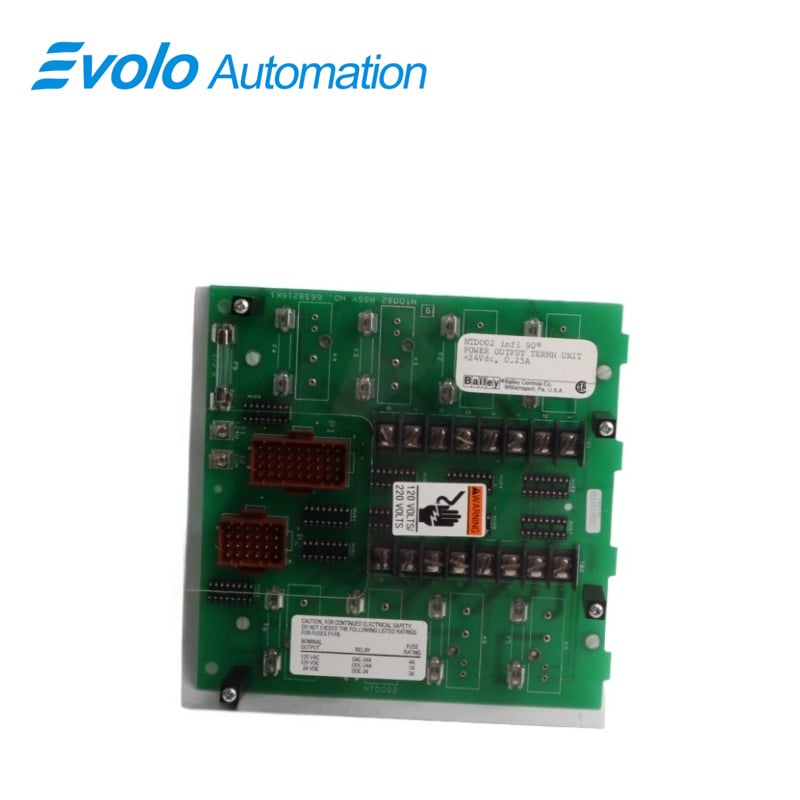
The NTDO02 Digital Output Termination Unit can provide up to eight solid state relay outputs. The configuration contained in a control module determines the output state of the digital output termination unit (TDO) relays. The NTDO02 termination unit is a functional replacement for the NTDO01 termination unit. The TDO termination unit interfaces with an I/O module through a cable connection. It can interface with an IMDSO04 Digital Output Module (DSO) or an IMDSM05 Digital I/O Module (DSM). Each I/O module can have up to 16 output signals for relay control. Each of the 16 output signals can control up to nine relays via the NTDO02 termination unit. The DSM and DSO I/O modules can control up to 18 TDO termination units. If more than one termination unit is used, the additional termination units are interconnected.
Applications
Thermal power plants: Controlling the start and stop of auxiliary pump sets and the opening and closing of pneumatic solenoid valves.
Oil/chemical plants: Driving field shut-off valves, audible and visual alarms, and interlocking control circuits.
Iron and steel metallurgical plants: Remote control of hydraulic and pneumatic valves in blast furnace and converter processes.
Paper and pharmaceutical plants: Execution units for various automated production lines in distributed control systems (DCS).
FEATURES
Using the NTDO02 termination unit, each I/O module output can be assigned to more than one solid state relay (nine maximum). One I/O module can operate up to 144 relays (16 output signals with nine relays each). This is done by interconnecting 18 NTDO02 termination units to accommodate 144 relays.
There are three types of relays available, each with different output capabilities. The relay type used depends on the current and voltage rating of the controlled device. Relays are not provided with the termination unit.
Each relay output is fused. The fuse (F1 through F8) value required for each relay depends on the current capability of the relay type used. Fuses F1 through F8 are not provided with the termination unit. Power (24 VDC) to switch the solid state relays is also fused (provided with termination unit).
MAINTENANCE
The reliability of any stand-alone product or control system is affected by the maintenance of the equipment. Bailey Controls Company strongly recommends that all equipment users practice a preventive maintenance program that will keep the equipment operating at an optimum level.
This section presents procedures that can be performed on-site. These preventive maintenance procedures should be used as guidelines to assist in establishing good preventive maintenance practices. Select the minimum steps required to meet the cleaning needs of your system.
Personnel performing preventive maintenance should meet the following qualifications.
• Should be qualified electrical technicians or engineers that know the proper use of test equipment.
• Should be familiar with the NTDO02 Digital Output Termination Unit, have experience working with process control systems, and know what precautions to take when working on live electrical systems.
FAQ
Q1: Which master cards is the NTDO02 primarily used with?
A: It is most commonly used with IMDSO14 or IMDSO15 discrete output modules.
Q2: Why does the control cabinet display that the output has been sent, but the field solenoid valves are not operating about NTDO02?
A: Please check if the channel fuse on the NTDO02 board is intact, and whether the field circuit power supply voltage is normal.
Q3: Can NTDO02 directly drive AC 220V loads?
A: No. The NTDO02 is typically designed for DC voltage environments. To drive high-power AC loads, an intermediate relay is usually required.
Q4: How can I determine if the fuse on the NTDO02 is blown?
A: Use a multimeter to measure the voltage between the output terminal and the common terminal. If the control card's output indicator is on but there is no voltage at the terminal, the fuse is usually blown.
Q5: Is power disconnection required when replacing this NTDO02?
A: It is recommended to disconnect the external power supply (Field Power) of the relevant output circuit to prevent short circuits during wiring. However, replacing the physical terminal block while the DCS system is running usually does not affect the main program of the system.