EN
EN




- Overview
- Quick Detail
- Description
- Core Components
- Feature
- Indicating Lights
- Functional Capabilities
- Frequently Asked Questions
- Recommended Products
Overview
Place of Origin: |
USA |
Brand Name: |
GE |
Model Number: |
IS200DSPXH1DBD |
Packaging Details: |
Original new Factory Sealed |
Delivery Time: |
5-7 days |
Payment Terms: |
T/T |
Supply Ability: |
In stock |
Quick Detail
|
Model: |
IS200DSPXH1DBD |
|
Manufacturer: |
GE |
|
Series: |
EX2100 |
|
Product Type: |
DSP Control Board |
|
Function: |
Digital Signal Processor Control Board |
|
Application: |
EX2100 Excitation Control / Innovation Series Drives |
|
Processor Type: |
High-Performance DSP |
|
DSP Clock Speed: |
60 MHz |
|
Logic Devices: |
FPGA / ASIC |
|
Memory Types: |
FLASH, RAM, NVRAM, Add-Only Memory |
|
Interrupts: |
INT0, INT1, INT2, INT3 |
|
INT0 Function: |
Stack Overflow |
|
INT1 Function: |
Inner Loop Load Pulse |
|
INT2 / INT3: |
Configurable Inputs |
|
Primary Functions: |
Bridge Control, Motor Regulation, Gating Control, Generator Field Control |
|
Connector P1: |
128-pin DIN Backplane Connector |
|
Connector P5: |
DSP Emulator Port |
|
Connector P6: |
Engineering Monitor Port |
|
LED Indicator DS1: |
FAULT (Red) |
|
LED Indicator DS2: |
STATUS (Green) |
Description
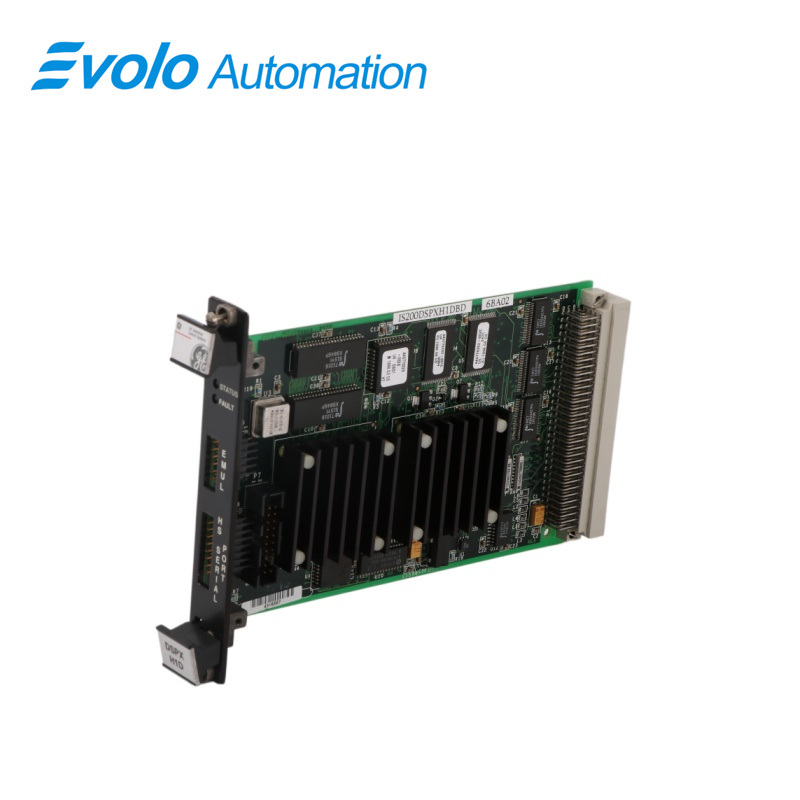
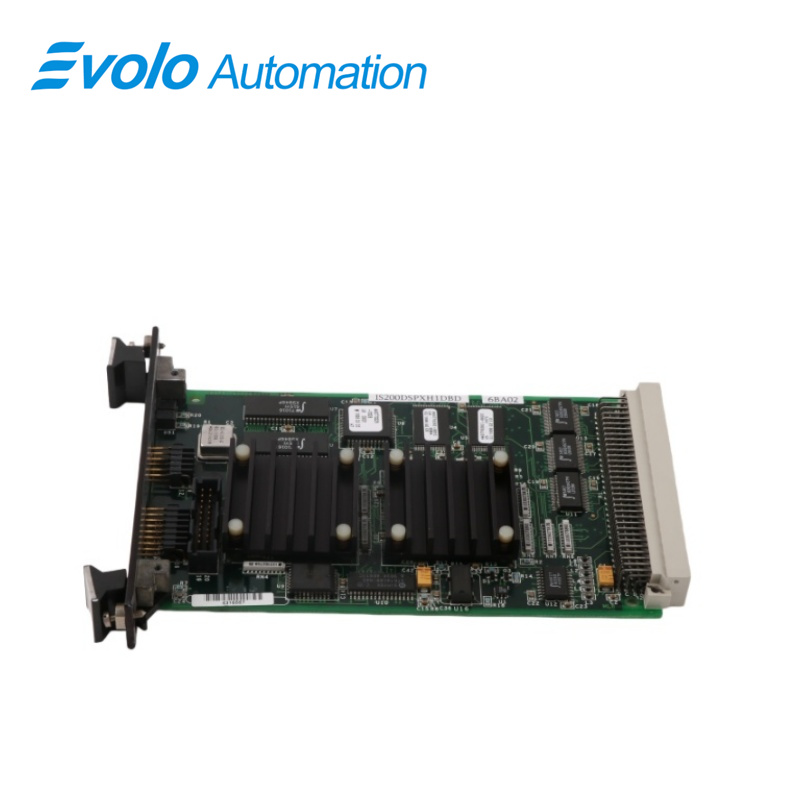
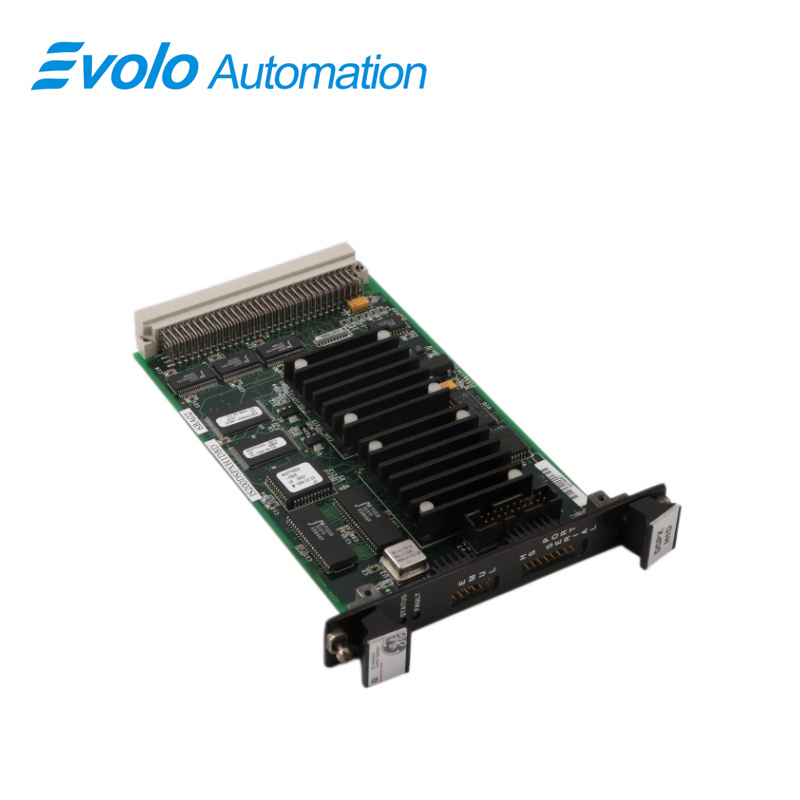
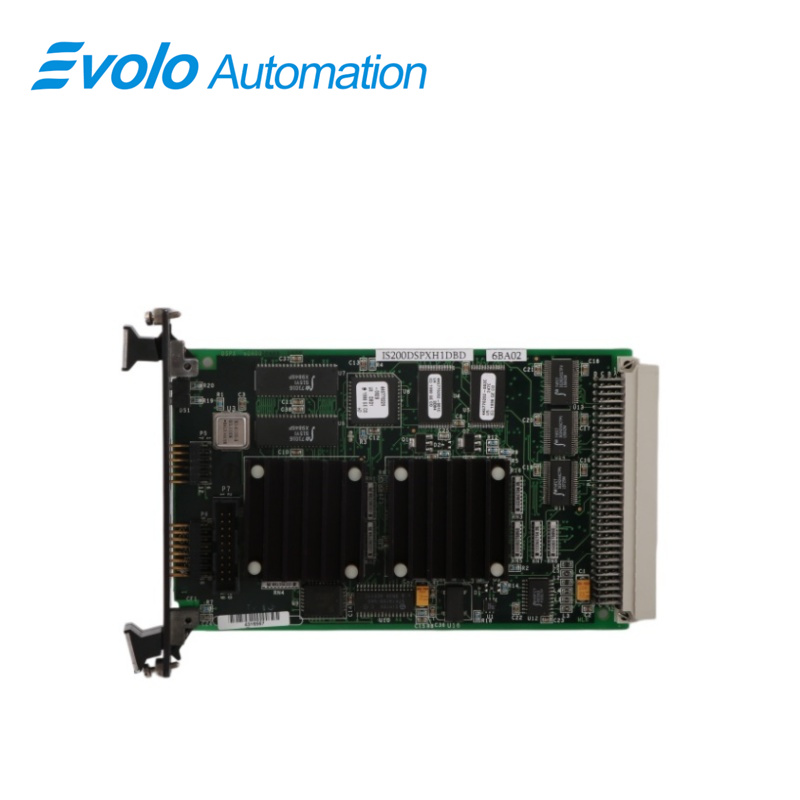
IS200DSPXH1DBD is a DsP control board developed by GE.It is part of the EX2100 series.The Digital Signal Processor Control Board (DSPX) serves as the primary controller for multiple critical functions within the Innovation Series drives and the EX2100 Excitation Control system.Its functionalities encompass the control of bridge and motor regulator operations,gating functions,and oversight of generator field control functions for the EX2100 Excitation Control.Responsible for managing essentia control functions within the Innovation Series drives and EX2100 Excitation Control system.Its capabilities encompass logic processing,interface functions,specialized control via FPGA or AslCs and interface points allowina communication with the backolane DSP emulator and enaineerina monitorina tools for efficient svstem control and diagnostics.
Core Components
High-Performance Digital Signal Processor: The board houses a high-performance DSP, a specialized processing unit capable of executing complex mathematical operations and signal processing tasks efficiently
Standard Memory Components: Complementing the DSP, standard memory components facilitate storage and retrieval of data, configurations, and operational parameters
Application-Specific Integrated Circuit (ASIC): An ASIC is embedded within the board, designed explicitly to execute custom logic functions tailored to the specific requirements of the system
Feature
Interrupts and Signal Handling
During normal operation, the DSPX board is equipped with four external interrupts designated for specific functions:
Stack Overflow (INT0): Indicates a stack overflow situation.
Inner Loop Load Pulse (INT1): Used to handle inner loop load pulse functionalities.
Configurable Inputs (INT2, INT3): Two inputs that can be configured based on specific system requirements or custom functionalities.
Memory Types
Integrates different types of memory, each serving distinct purposes within the system:
FLASH Memory: Used for storing DSP boot images, code execution, configurable item storage, and maintaining system history records.
RAM (Random Access Memory): Utilized for both data storage and execution of code, providing temporary working storage during system operations.
NvRAM (Non-Volatile RAM): Dedicated to nonvolatile data storage, ensuring that crucial information remains stored even during power loss or system shutdown.
Add-Only Memory: Specifically reserved for board revision identification, facilitating the tracking and identification of the board's revision history.
Memory Types and Interrupt
DSP Clock Speed: Operates at 60 MHz, managing various system tasks and operations
Interrupts: Four external interrupts (INT0, INT1, INT2, INT3) available for specific functionalities and system event handling.
Memory Types: FLASH memory for boot images, code execution, and storage; RAM for temporary data storage and code execution; NVRAM for nonvolatile data storage; Add Only Memory for board revision identification.
Primary Functions
The DSPX board acts as the central controller for essential operations, including bridge and motor regulator control for Innovation Series drives, as well as overseeing gating functions critical to their operation. Additionally, it manages generator field control functions integral to the EX2100 Excitation Control.
Logic, Processing, and Interface Functions
Beyond its primary control functionalities, the DSpX board provides logic processing and interface capabilities, ensuring efficient communication and coordination between various system components and functions
Customized Functions via Field Programmable Gate Arrays (FPGA) or ASICs
Specialized functions on the DSpX board are facilitated through custom logic implemented in Field Programmable Gate Arrays (FPGA) or Application-Specific Integrated Circuits (AsICs). These components are equipped with supporting circuits as needed to carry out specific operations efficiently.
Integration into Board Rack via Connector(P1)
The DSPX board is installed in the board rack and interfaces with the system's backplane through a 4-row, 128-pin DIN connector labeled as P1. This connector serves as a primary point of connection, enabling communication and data transfer between the DSPX board and other system components through the backplane.
Additional Connectors for External Communication
The DSPX board features two additional connectors for external communication and monitoring purposes
P5 - DSP Emulator Port: This port allows connectivity for a DSP emulator, enabling debugging, testing, and emulation of the DSPx board for development or troubleshooting purposes.
P6 - Engineering Monitor Port: This port serves as an interface for engineering monitoring tasks, providing access to monitoring and diagnostic functions related to the DSPX board's operations
Indicating Lights
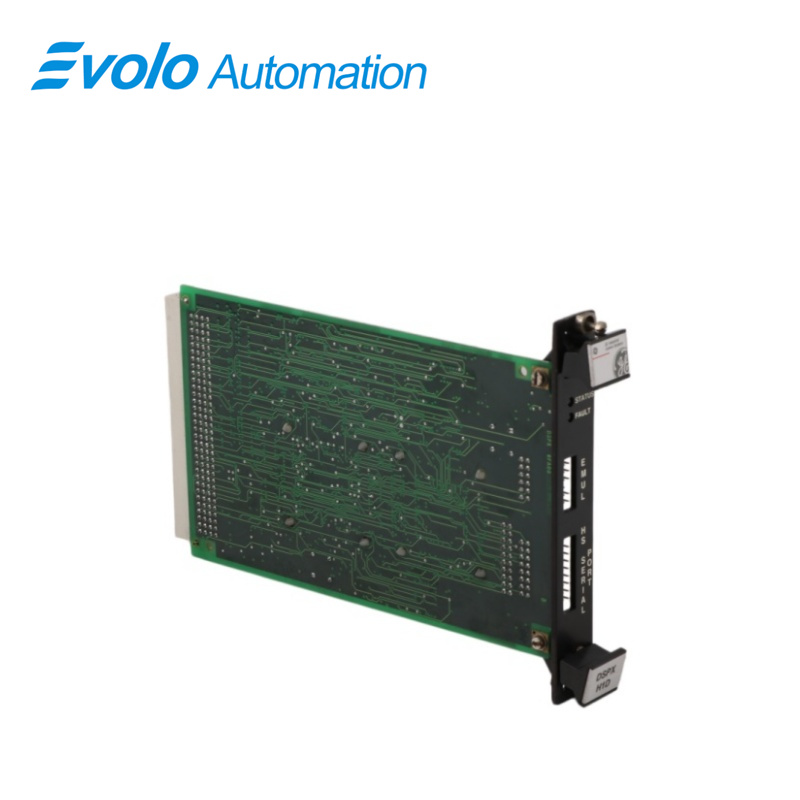
DS1 - FAULT LED (Red):
ON or Flashing: Indicates the occurrence of a fault in the system or when the system is undergoing a reset process. The red LED illuminates steadilly or blinks
to alert operators about the presence of a fault or during system reset procedures
OFF: Indicates the absence of any faults within the system. When the red LED remains off, it signals that no faults are currently detected or active.
DS2- STATUS LED (Green):
Flashing: Signifies that the system is operational and running. The green LED flashes intermittently when the system is in operation, providing a visual cue of
its active status
ON: Indicates that the system has stopped or is currently not running. When the green LED remains steadily illuminated, it denotes a stopped state of the
system or that the system is not currently operational.
OFF: Informs about the occurrence of a fault in the system or during a reset process. Similar to DS1, the green LED remains off when a fault is present or during system reset procedures.
Functional Capabilities
Logic and Processing Functions: The board encapsulates logic, processing, and interface functions essential for regulating, controlling, and managing various
aspects of the drives and excitation control system
Bridge and Motor Regulation: It orchestrates the regulation of the bridge and motor functions, ensuring optimal performance and control over the motorized
components
Generator Field Control: Additionally, the DSPX manages and oversees the control functions related to the generator field within the EX2100 Excitation Contro
system
Controller for Multiple Functions: Manages bridge, motor regulator, gating functions in Innovation Series drives, and generator field control in the EX2100
Excitation Control
Core Components: Houses a high-performance DSP, standard memory units, and an ASIC tailored for executing custom logic functions
Logic and Interface Capabilities: Provides logic, processing, and interface functions crucial for system operations and integration.
Regulation and Control: Ensures efficient regulation of bridge and motor operations while overseeing control functions for the generator field
Frequently Asked Questions
What is IS200DSPXH1DBD?
It is a DSP control board developed by GE under the EX2100 series
What functions does the P1 connector on the IS200DSPXH1DBD support?
The P1 connector provides memory-mapped process bus address space with four chip select signals for interfaces to bridge and customer I/O. It also includes controls for a standard UART serial interface, along with two additional proprietary ISBus serial interfaces for ACL or local expansion functions.
What is the role of the p5 emulator port located on the IS200DSPXH1DBD's front panel?
The P5 emulator port acts as an interface to the TI emulator port, enabling emulation similar to JTAG and facilitating FLASH programming for efficient memory programming.