EN
EN




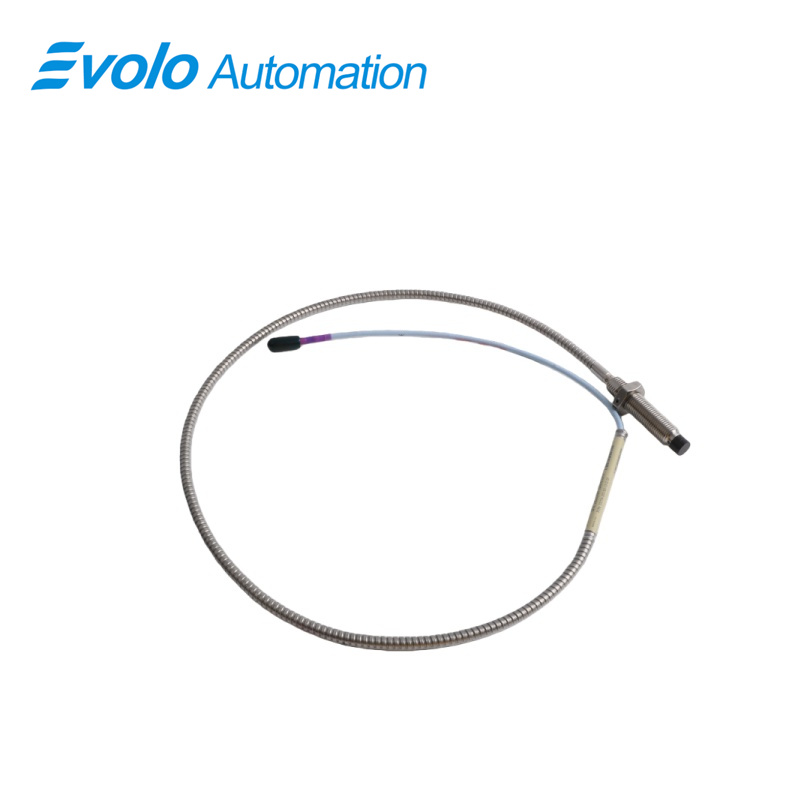
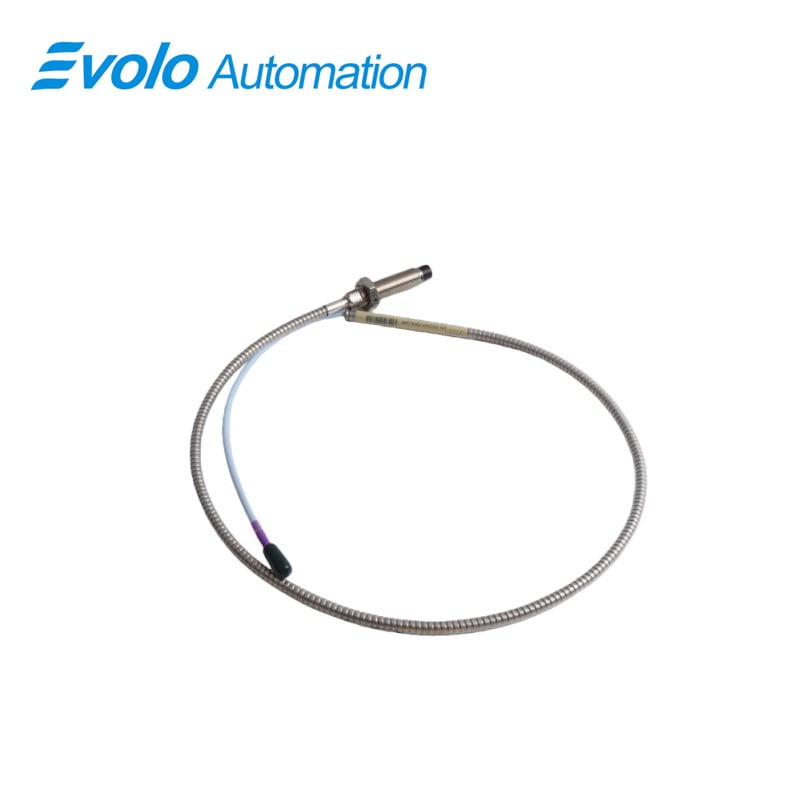
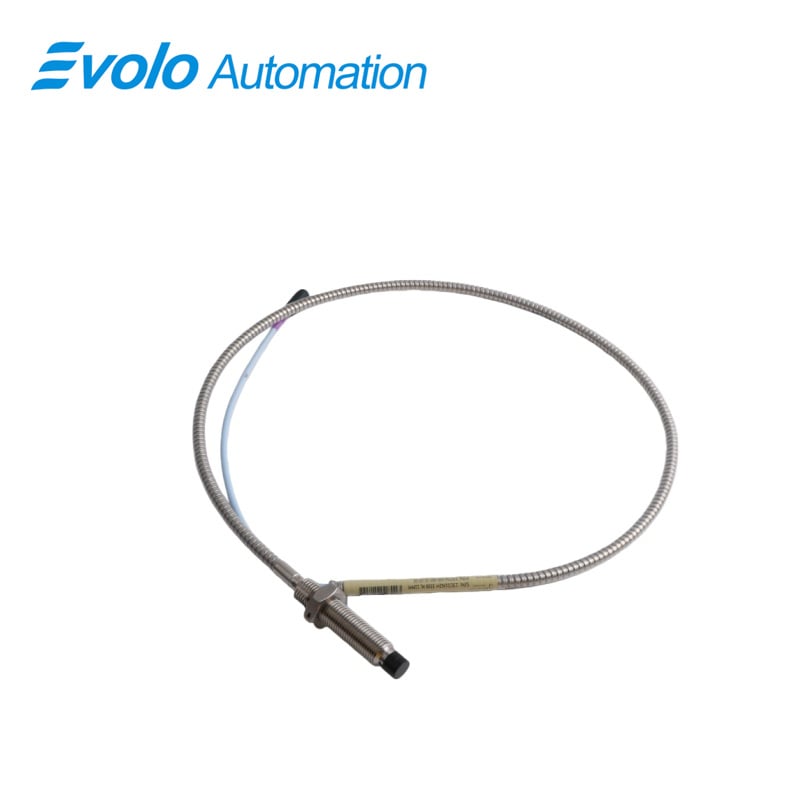
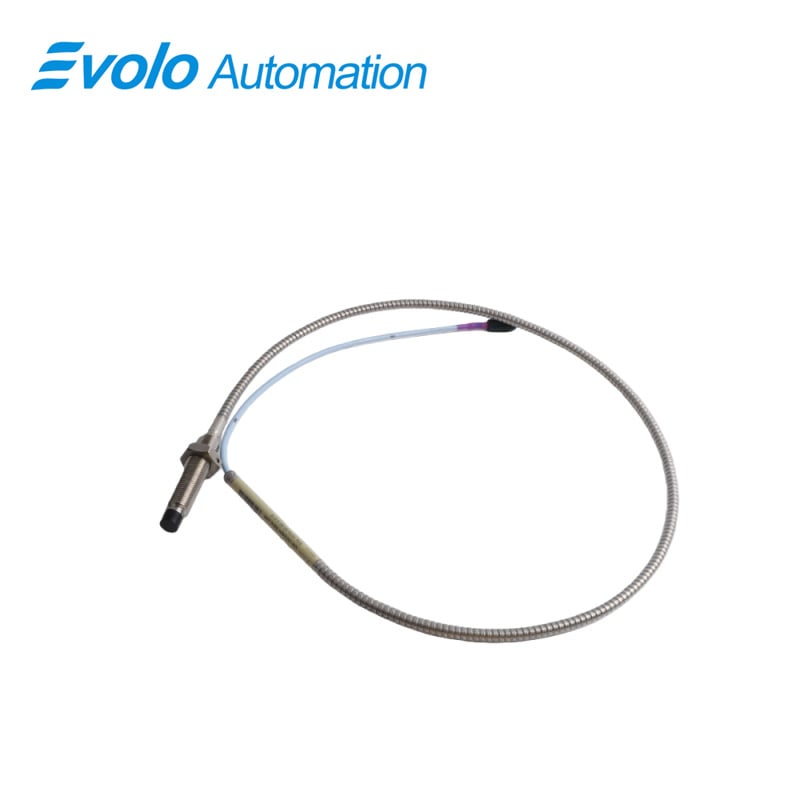
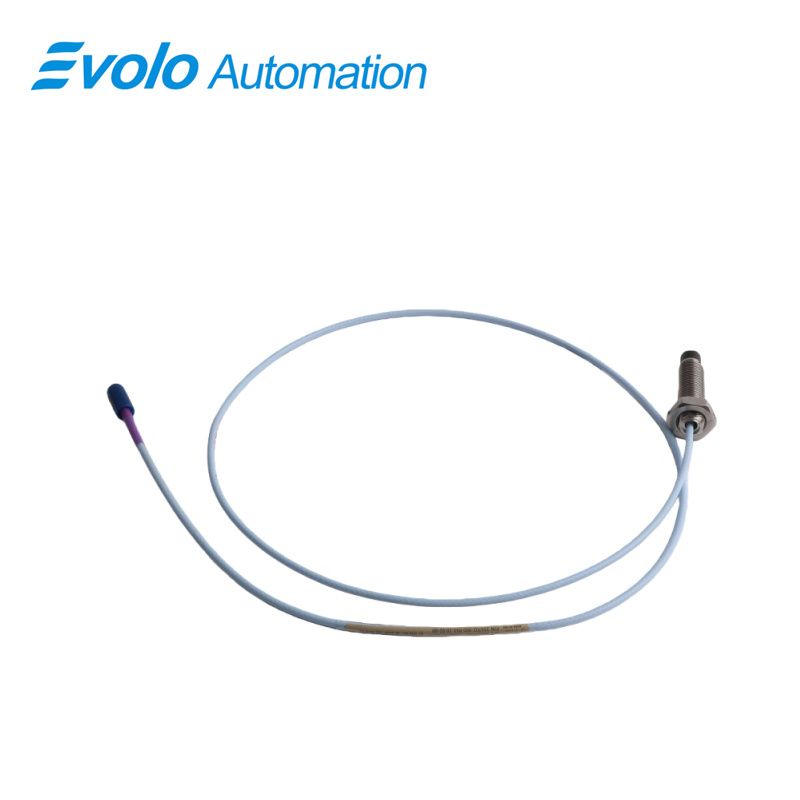
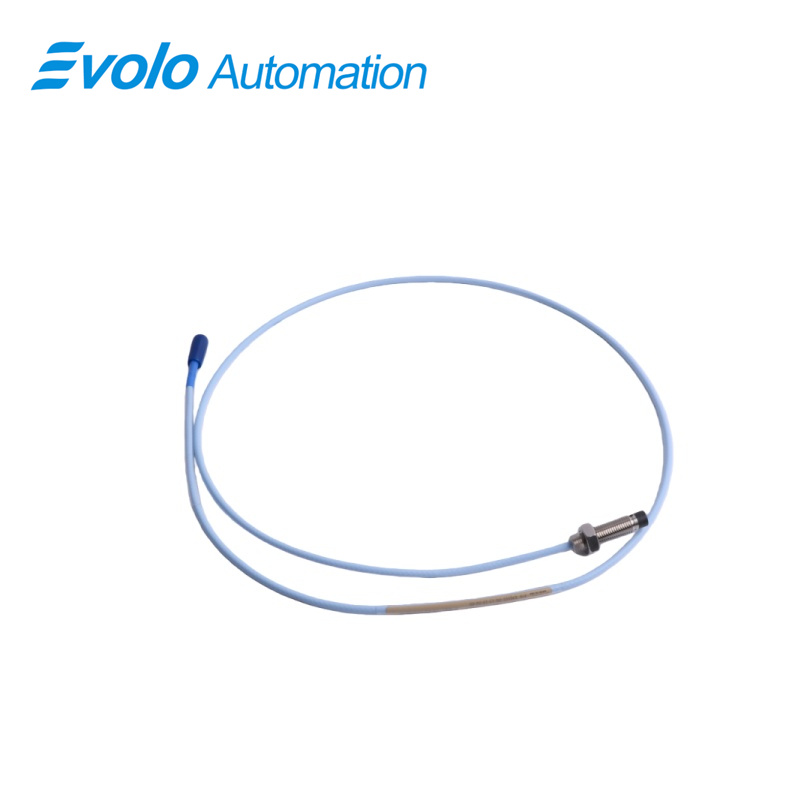
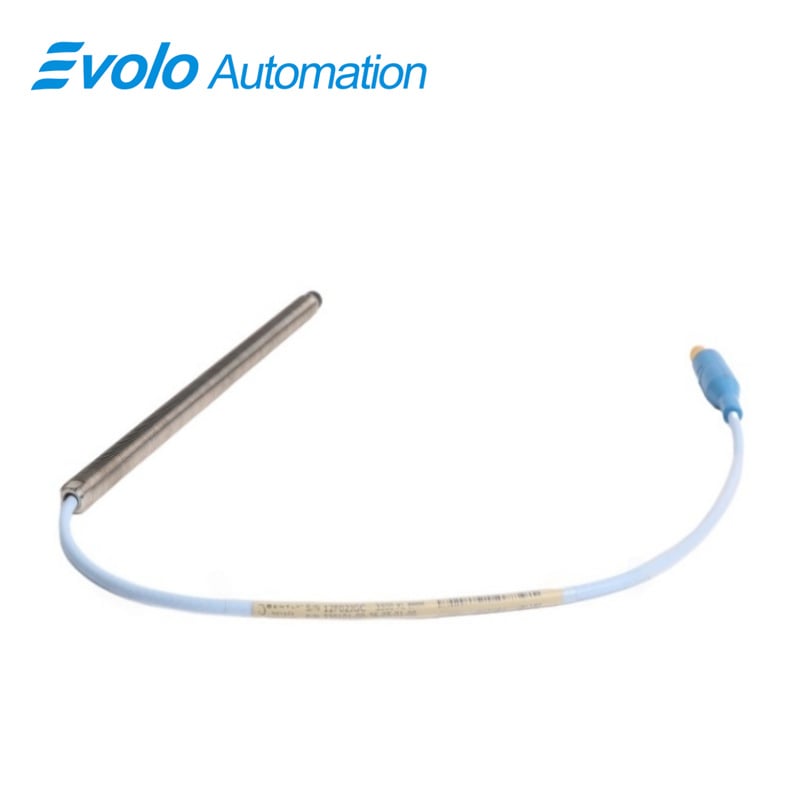
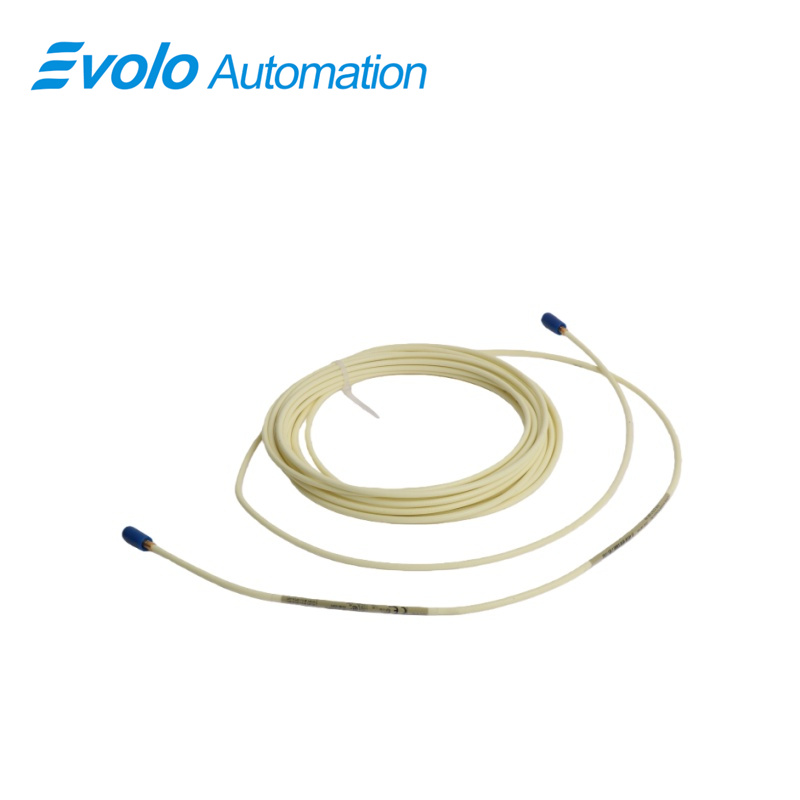
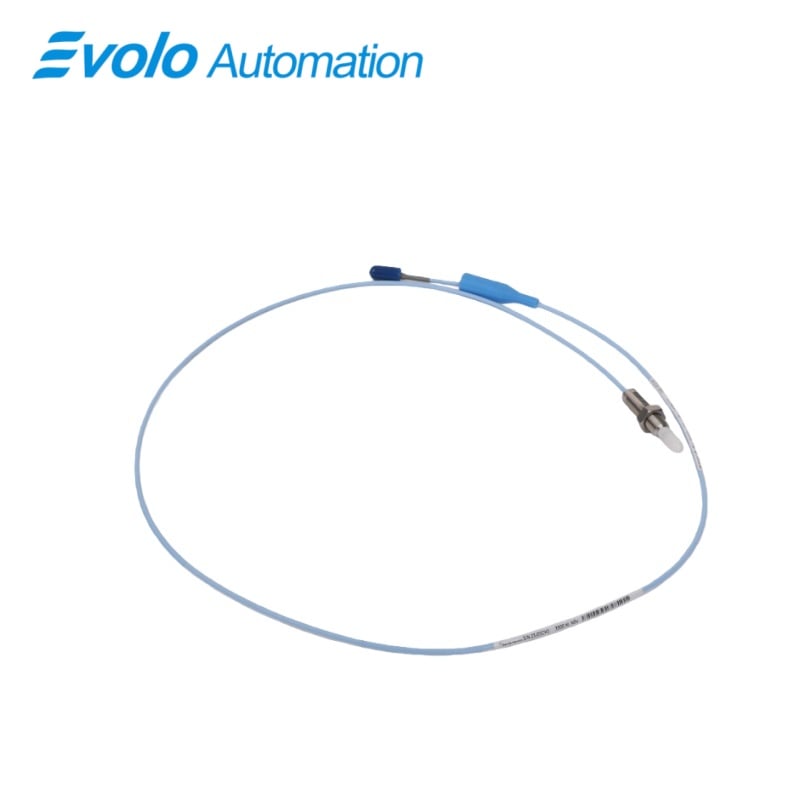
330704-000-060-10-02-00 3300 XL 11 mm Proximity Probes
Email: [email protected]
whatsApp: +86-18150117685
- Overview
- Product Overview
- Key Functions
- Official Specifications
- Frequently Asked Questions
- Compatibility & Ordering Notes
- Hot Selling Models
- Recommended Products
Overview
330704-000-060-10-02-00 3300 XL 11 mm Proximity Probes
At a Glance
Place of Origin: |
USA |
Brand Name: |
Bently Nevada |
Model Number: |
330704-000-060-10-02-00 |
Minimum Order Quantity: |
1 |
Packaging Details: |
Original new Factory Sealed |
Delivery Time: |
5-7 days |
Payment Terms: |
T/T |
Supply Ability: |
In stock |
Product Overview
Description
The 330704-000-060-10-02-00 3300 XL 11 mm Proximity Probes represent a high-performance advancement in eddy current technology, specifically engineered as a superior successor to legacy systems. As a critical element of the 3300 XL 11 mm Proximity Probes lineup, this model is designed to facilitate the comprehensive replacement of aging 7200-series 11 mm and 14 mm transducer systems. Because the 330704-000-060-10-02-00 operates on advanced electrical principles, a successful transition to the 3300 XL 11 mm Proximity Probes platform requires the simultaneous upgrade of all interconnected hardware. Every legacy component must be swapped for genuine 3300 XL 11 mm Proximity Probes parts, including the extension cables and Proximitor sensors, to ensure signal linearity and system protection.
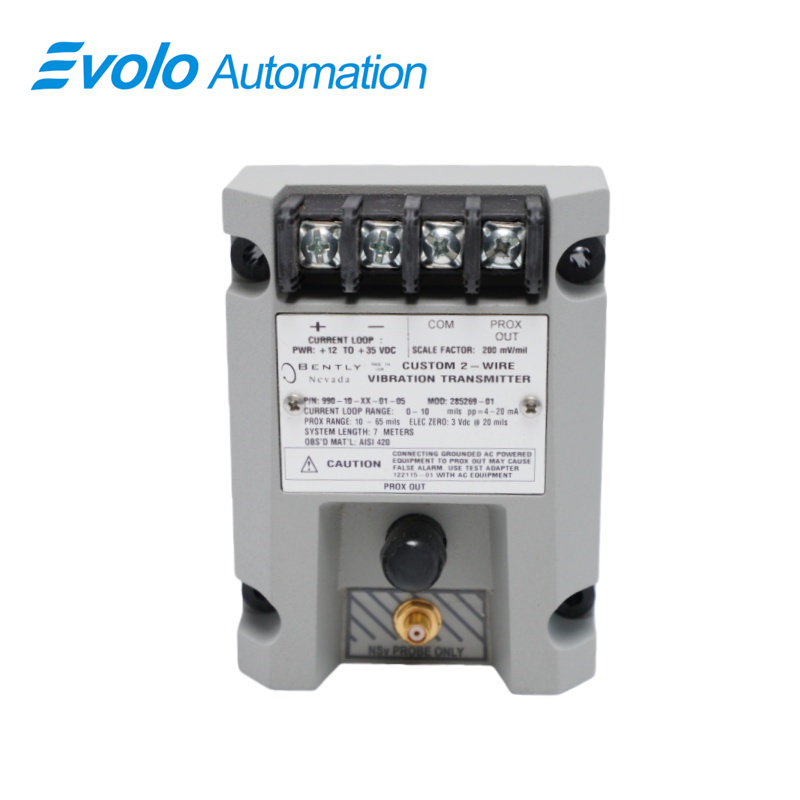
The implementation of the 330704-000-060-10-02-00 3300 XL 11 mm Proximity Probes also necessitates a review of your existing monitoring infrastructure. For facilities utilizing the 3500 Monitoring System, the software configuration must be updated to a version that recognizes the 3300 XL 11 mm Proximity Probes as a validated input option. This ensures that the monitor correctly interprets the 3300 XL 11 mm Proximity Probes voltage-to-gap ratio. Similarly, those maintaining older 3300 Monitoring Systems should be aware that modifications may be required to accommodate the enhanced frequency response and scale factors provided by the 330704-000-060-10-02-00. Consulting with a technical service representative is the best way to ensure your hardware is ready for the 3300 XL 11 mm Proximity Probes integration.
Key Functions
Applications
1.Large-Scale Axial Thrust Monitoring
The most common application for the 330704-000-060-10-02-00 is monitoring the axial position (thrust) of shafts in massive rotating machinery. Because 11 mm probes have a larger sensing area than 8 mm models, they are more resilient to "side-view" interference and are the preferred choice for measuring the longitudinal float of turbine and compressor shafts. This ensures that the rotor does not shift far enough to cause catastrophic contact between the rotating blades and stationary internal components.
2.Radial Vibration in Large Bearing Housings
With an Overall Case Length of 60 mm (2.4 inches) and 0 mm of unthreaded length, this probe is ideally sized for installation in medium-to-large bearing caps. It is applied to measure radial vibration—the dynamic side-to-side motion of a shaft—to identify issues like rotor imbalance, misalignment, or bearing instability. The AISI 303/304 Stainless Steel case and PPS tip allow it to operate continuously while submerged in hot lubrication oil or exposed to high-velocity mist within the machine housing.
3.Protection in High-Vibration, Non-Hazardous Zones
Because this model specifies the Agency Approval Option as "Not Required," it is a cost-effective choice for general industrial plants that do not require explosion-proof certifications. The inclusion of the Miniature coaxial ClickLoc connector with a connector protector makes it particularly useful for:Cooling Tower Fans: Where moisture and vibration are high, requiring a protected electrical connection.Large Pumps and Blowers: Ensuring the connection stays secure despite constant structural resonance.
Official Specifications
Quick Detail
|
Agency Approval Option: |
Not required |
|
Unthreaded Length Option : |
0 mm |
|
Overall Case Length Option : |
60 mm |
|
Total Length Option: |
1.0 meter (3.3 feet) |
|
Connector and Cable-Type Option: |
Miniature coaxial ClickLoc connector with connector protector, standard cable |
|
Dimension: |
114.5x2.5x2cm |
|
Weight: |
0.16kg |
Specifications
|
Operating Temperature Range: |
-53°C to +105°C (-65°F to+210°F) |
|
Linear Range: |
2 mm (80 mils) |
|
Output Resistance: |
45 Ω |
|
Supply Sensitivity: |
Less than 2 mV change in output voltage per volt change in input voltage. |
|
Power: |
Requires -17.5 Vdc to -26 Vdc |
|
Probe Tip Material: |
Polyphenylene sulfide (PPS) |
|
Probe Case Material: |
AISI 303 or 304 stainless steel(SST) |
Frequently Asked Questions
What is the model number?
The listed model number is 330704-000-060-10-02-00.
What is the brand name?
The listed brand name is Bently Nevada.
What is the place of origin?
The listed place of origin is USA.
What are the packaging details?
The listed packaging details are Original new Factory Sealed.
What is the delivery time?
The listed delivery time is 5-7 days.
Is this model available?
The listed supply status is In stock.
What are the payment terms?
The listed payment terms are T/T.
Compatibility & Ordering Notes
Competitive Advantage
1.Enhanced Target Averaging and Reduced Runout
The most significant advantage of the 11 mm probe tip is its larger sensing footprint compared to standard 8 mm models. This allows the 330704-000-060-10-02-00 to effectively "average" the target surface, reducing the impact of mechanical and electrical runout caused by minor scratches, tool marks, or metallurgical inconsistencies on the shaft. This results in a cleaner vibration signal and more accurate diagnostics for large-diameter rotating assets.
2.Dual-Layer Connection Security
This model features the Miniature coaxial ClickLoc connector combined with a factory-installed connector protector. While the ClickLoc mechanism provides a vibration-proof audible lock to prevent accidental disconnection, the protector adds an essential environmental seal. This combination ensures that the electrical interface is shielded from oil mist, moisture, and dust, significantly reducing the maintenance requirements and signal degradation common in "wet" bearing housing environments.
3.Exceptional Low-Temperature Resilience
With an operating temperature range extending down to -53°C (-65°F), this probe offers a distinct advantage for applications in extreme climates or cryogenic processes. Unlike standard sensors that may experience casing embrittlement or signal drift at sub-zero temperatures, the 330704-000-060-10-02-00 maintains its mechanical integrity and 2 mm linear range accuracy, ensuring reliable machinery protection in even the harshest outdoor installations.
4.High Signal Stability and Power Immunity
Technically, this probe is engineered for precision with a low 45 Ω output resistance and a supply sensitivity of less than 2 mV change per volt of input fluctuation. This means the sensor is highly resistant to electrical noise and power supply instability. By delivering a consistent voltage-to-gap ratio, it minimizes false alarms and provides the high-fidelity data necessary for advanced predictive maintenance and automated machinery trips.