EN
EN




- Overview
- Specifications
- Description
- Applications
- Features
- Maintenance
- FAQ
- Recommended Products
Overview
Place of Origin: |
Sweden |
Brand Name: |
ABB |
Model Number: |
DCP10 |
Packaging Details: |
Original new Factory Sealed |
Delivery Time: |
5-7 days |
Payment Terms: |
T/T |
Supply Ability: |
In stock |
Specifications
|
Product Name: |
CPU Module |
|
Model: |
DCP10 |
|
Dimensions: |
4.0 x 20.2 x 31 cm |
|
Weight: |
1.76 kg |
|
Memory: |
8 MB |
|
Rated Current: |
10 A |
|
Rated Voltage: |
380 V |
|
Operating Frequency: |
600 operations/hour |
|
Rated Short-Circuit Current: |
35 kA |
|
Mechanical Life: |
up to 500,000 operations |
|
Electrical Life: |
up to 50,000 operations |
|
Operating Temperature: |
-25 °C to +70 °C |
|
Communication Interfaces: |
Ethernet; PROFIBUS DP; CAN |
|
Processor: |
Intel Pentium 4 |
|
Clock Speed: |
1.7 GHz |
|
Encoder Input Capability: |
Supports 12 V / 24 V HTL level encoders |
Description
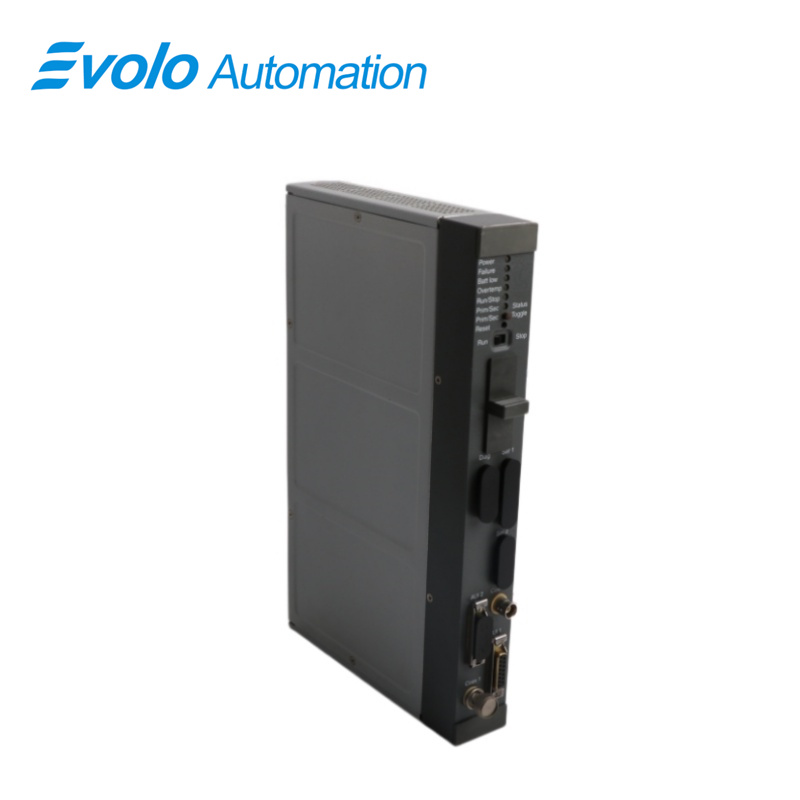
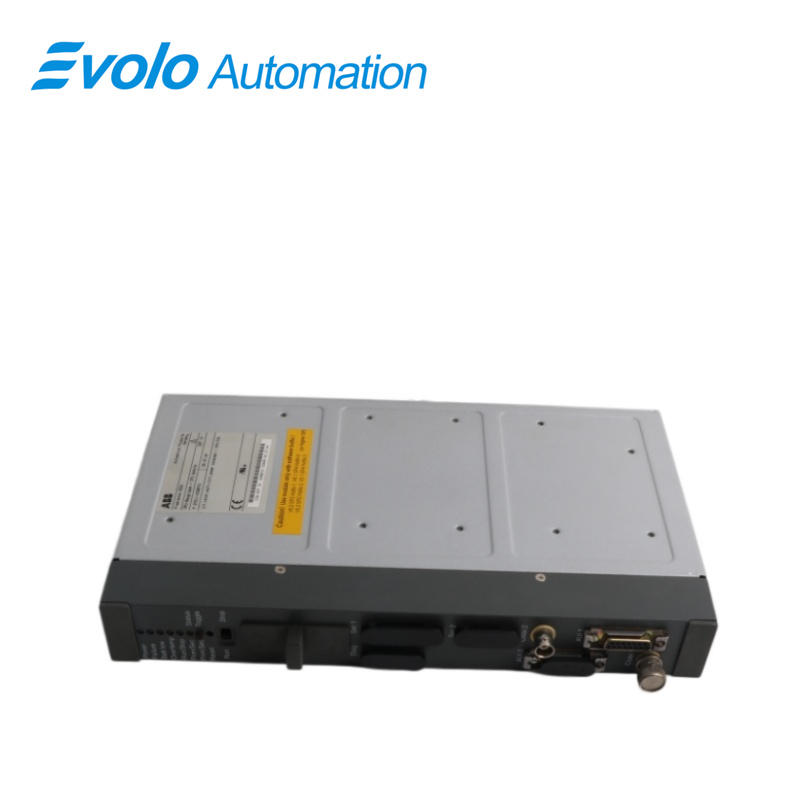
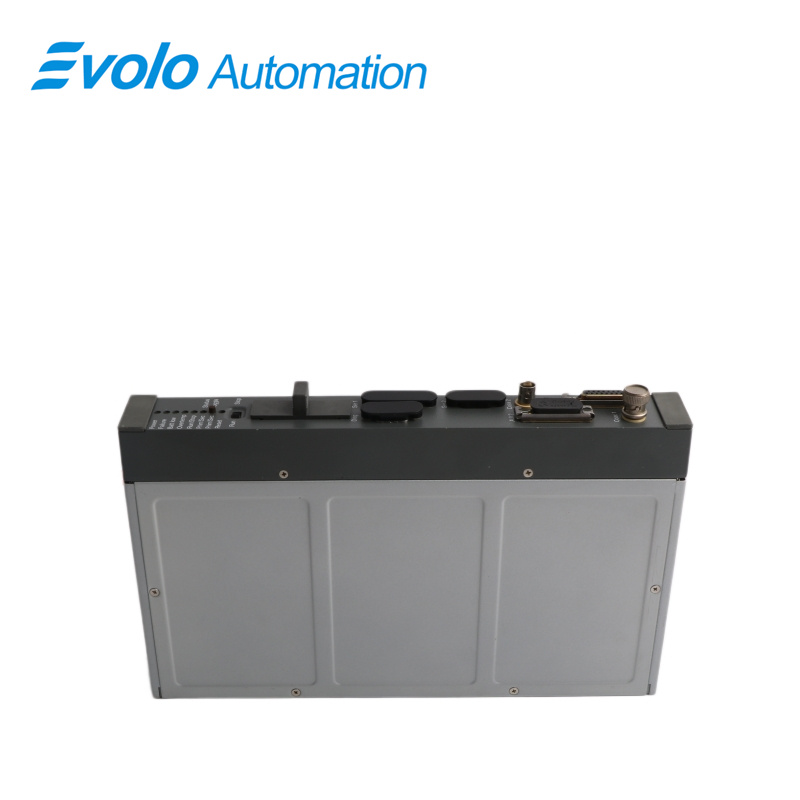
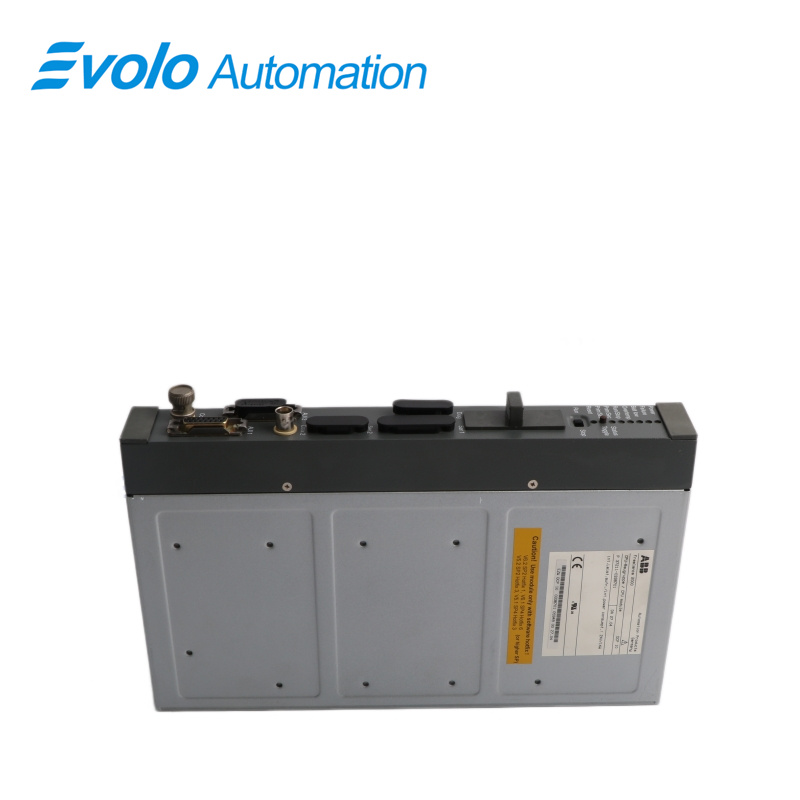
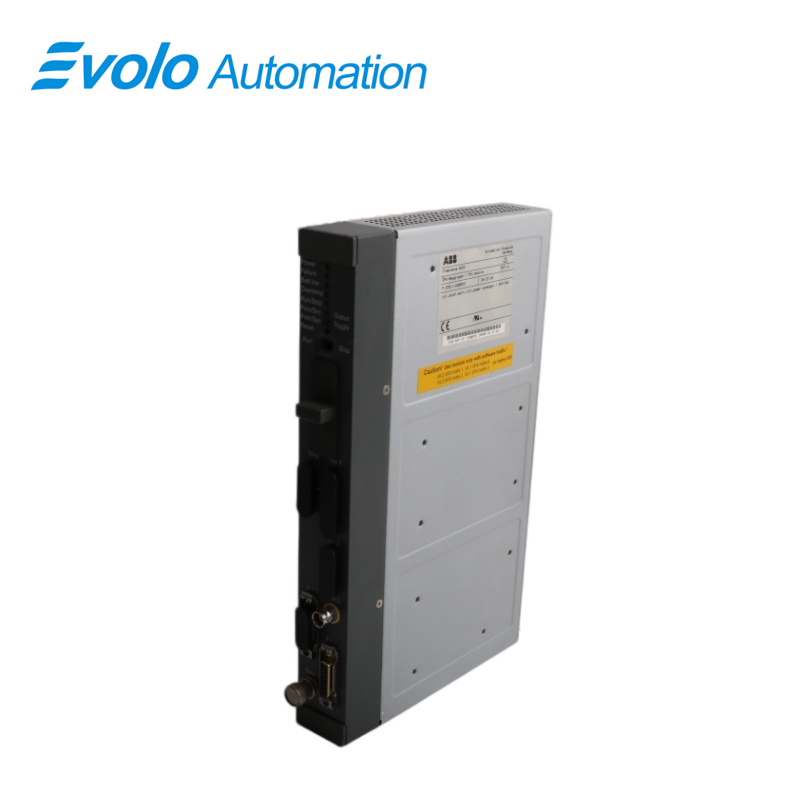
The ABB DCP10 CPU Module is a high-performance and reliable central processing unit (CPU) module for use in industrial automation systems. It is the core of the ABB controller, responsible for the overall operation and logic control of the control system.
Applications
Fine Chemical Plants: Used for precision logic and PID control in multi-station reactors, distillation columns, and batching systems.
Coal Power Plants: Responsible for boiler feedwater control, turbine monitoring, and fully automated operation of auxiliary workshops.
Oil and Gas Plants: Serves as a core control unit in oil and gas processing stations, long-distance pipeline monitoring, and refining units.
Paper and Pulp Plants: Used for pulp preparation, paper machine synchronization, and chemical recovery processes.
Large Metallurgical Plants: Executes complex control algorithms in steel sintering, pelletizing, and blast furnace automation systems.
City Water Supply/Wastewater Treatment Plants: Serves as the core of the plant's automation system, coordinating data processing across distributed I/O.
Pharmaceutical Manufacturing Plants: Suitable for API (Active Pharmaceutical Ingredient) production lines requiring high compliance and continuous production control.
Features
Highly efficient control and processing speed: Utilizing advanced processing technology and design concepts, it can meet various complex control requirements.
Reliable system stability and compatibility: Enables overall and logical control of the system, boasting highly efficient control capabilities and processing speed.
Flexible configuration and scalability: Features easy maintenance and upgrades.
Designed for industrial applications: Capable of controlling and managing a wide range of processes, ideal for use in various industries.
Maintenance
Firmware version synchronization: When replacing with a new DCP10 module, upgrading the CPU firmware is usually not required, but it is necessary to ensure that the hardware jumpers (power supply voltage selection) are consistent with the original board.
Anti-static protection: The DCP10 is directly connected to the CPU's high-speed bus. It is strictly forbidden to plug or unplug it while it is hot. An anti-static wrist strap must be worn during operation, otherwise the CPU motherboard may be easily burned out.
FAQ
Q1: Does the DCP10 come with its own firmware?
A: No. It's just a signal conversion circuit board; all the logic is run by the CPU motherboard (SDCS-CON-4) it's connected to.
Q2: If I upgrade the driver CPU, will the DCP10 still work?
A: If you're upgrading from a DCS500 to a DCS800, the DCP10 is usually compatible; however, if it's the latest DCS880, you'll need to replace it with a FEN series module.
Q3: Why does the DCP10 report a "feedback polarity error"?
A: This is because the encoder A/B phase sequence doesn't match the actual rotation direction of the motor. No rewiring is needed; simply change the "feedback direction" option in the CPU parameters.
Q4: Can two DCP10s be plugged into the CPU module simultaneously?
A: Usually, the motherboard only has one specific encoder slot. If a second feedback path is needed (e.g., tachogenerator + encoder), a different expansion card (such as the IOB series) is usually required.
Q5: Will a damaged DCP10 affect CPU communication?
A: It will not affect Fieldbus (such as Profibus) communication, but it will cause the motor to shut down due to loss of speed feedback.