EN
EN




- Overview
- Quick Detail
- Description
- Applications
- Specifications
- Competitive Advantage
- Recommended Products
Overview
Place of Origin: |
USA |
Brand Name: |
Bently Nevada |
Model Number: |
190501-06-00-00 |
Minimum Order Quantity: |
1 |
Packaging Details: |
Original new Factory Sealed |
Delivery Time: |
5-7 days |
Payment Terms: |
T/T |
Supply Ability: |
In stock |
Quick Detail
|
Mounting Hardware Option: |
Stud 3/8-in 24 to 1/4-in 28 |
|
Connection Option: |
MIL-C-5015 connection interface |
|
Agency Approval Option: |
No Approvals |
|
Dimension: |
8.5x3.5x3cm |
|
Weight: |
0.32kg |
Description
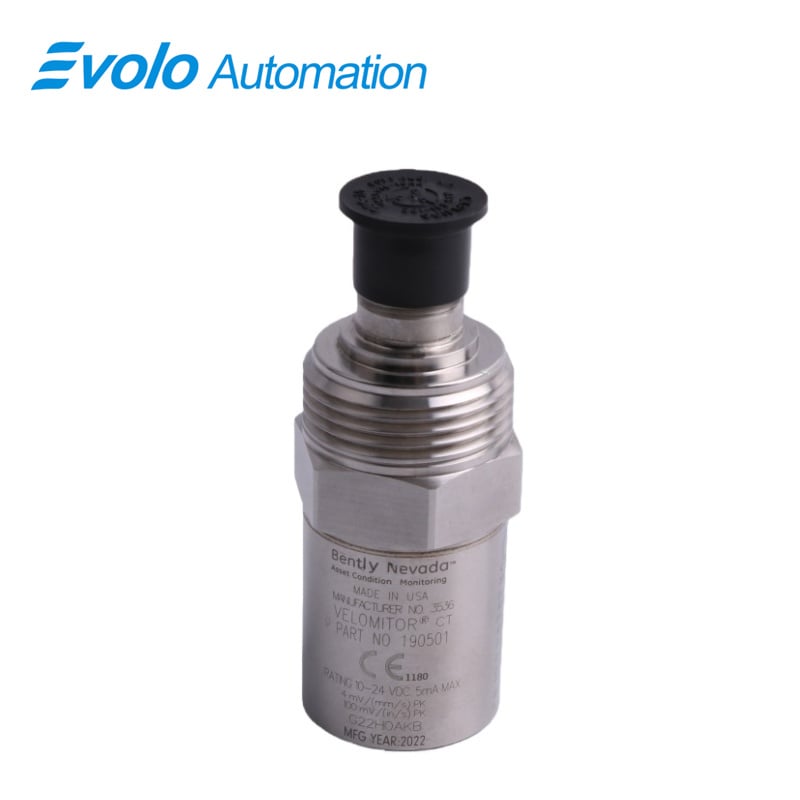
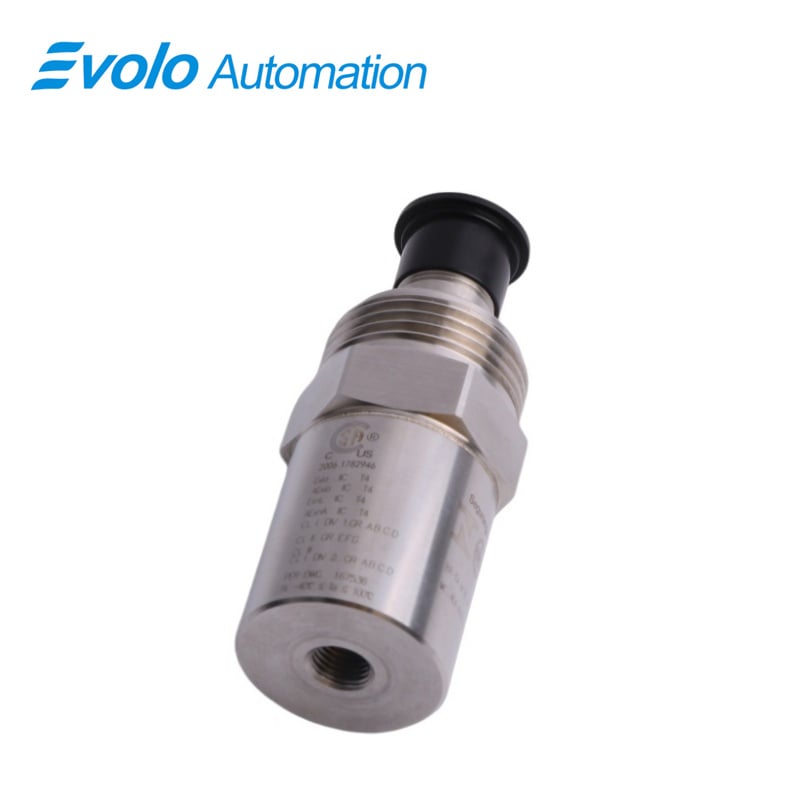
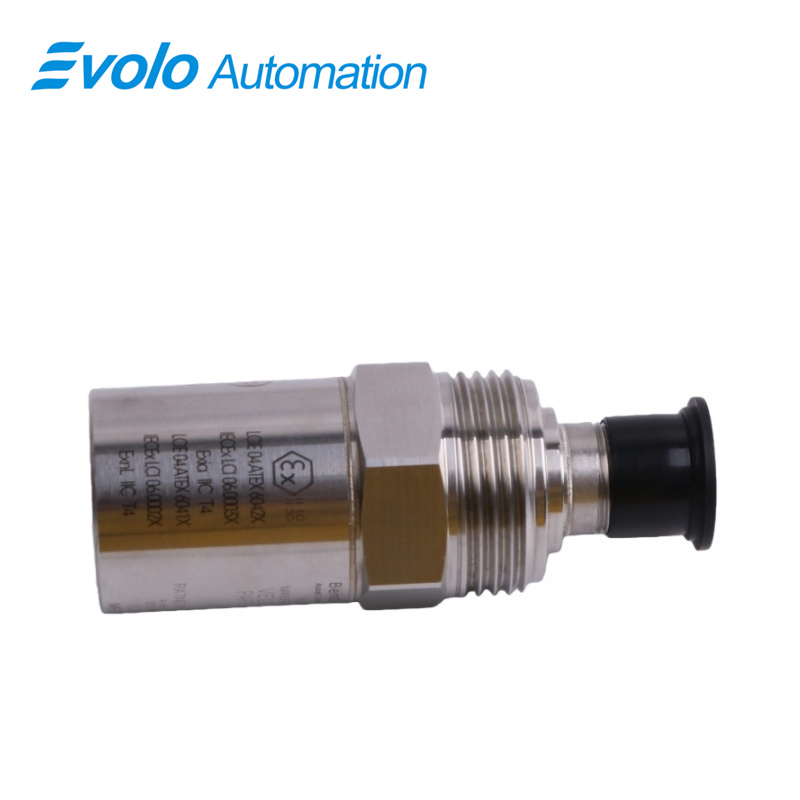
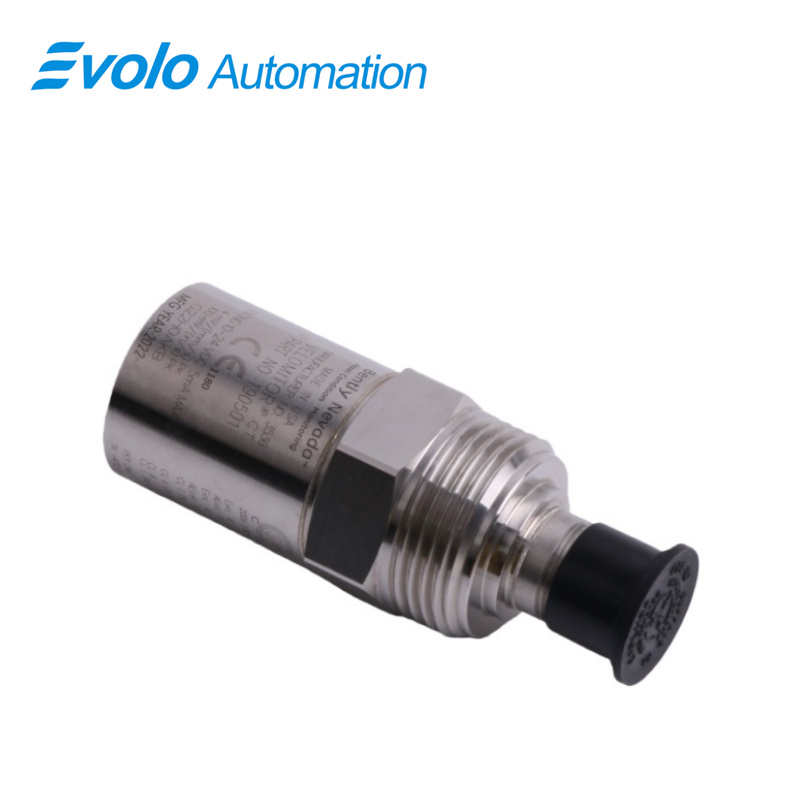
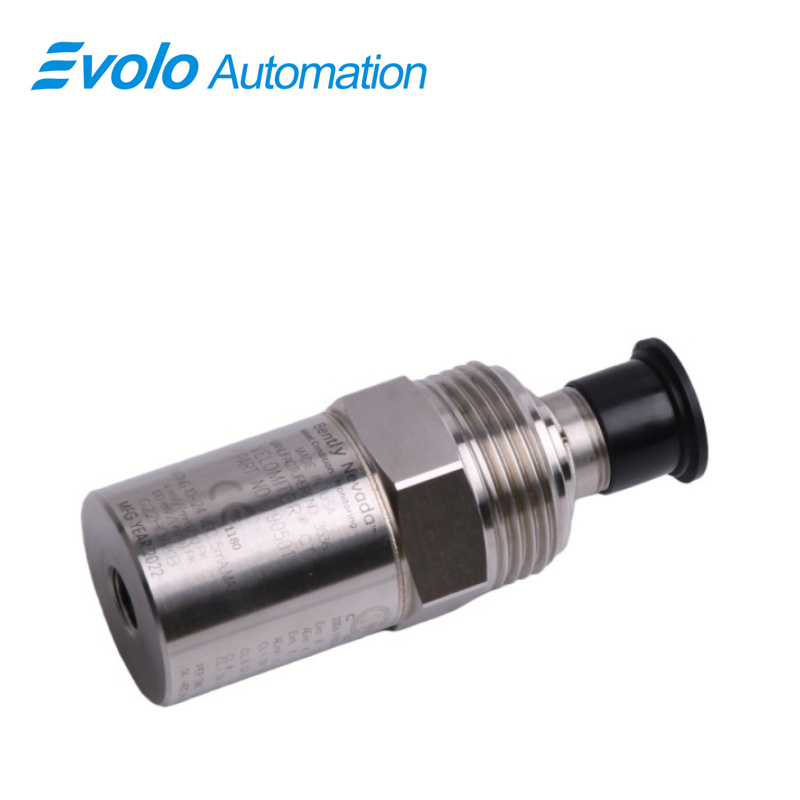
The 190501-06-00-00 Velomitor CT Velocity Transducer is an industrial vibration velocity sensor engineered for condition monitoring and machinery health diagnostics in automated rotating equipment systems. Designed as a low-frequency variant of the Velomitor piezo-velocity platform, this transducer accurately detects casing vibration velocity across 3 Hz to 900 Hz (or up to 1 kHz) to support predictive maintenance strategies in cooling towers, air-cooled heat exchangers, and fan-drive assemblies operating at ≥90 rpm. The model 190501-06-00-00 features a rugged 316L stainless steel enclosure, MIL-C-5015 electrical interface, and a 3.94 mV/mm/s sensitivity rating, providing stable output for integration into PLC, DCS, and machinery protection systems. With a high 5000 g shock limit, 100% condensing humidity tolerance, and operating range of −40°C to +85°C, the Velomitor CT transducer delivers reliable measurements in harsh industrial environments such as petrochemical, HVAC utility, and energy facilities. Its compact stud-mount design enables flexible orientation and fast installation for retrofits and OEM equipment platforms, enhancing automation system response and improving asset uptime through actionable vibration data.
Applications
Application 1: Cooling Tower Fan Vibration Monitoring
Measures low-frequency casing vibration on cooling tower fans running from 100–300 rpm, supporting failure diagnostics for imbalance, blade wear, and gearbox issues.
Application 2: Heat Exchanger Motor & Gearbox Diagnostics
Provides velocity feedback for air-cooled exchanger fan drives, improving preventive maintenance intervals and reducing mechanical failure rates by 10–25%.
Application 3: Condition-Based Maintenance in Utilities
Integrated into plant-wide DCS/SCADA platforms for continuous vibration trending, enabling early detection of low-frequency vibration signatures typically missed by accelerometers.
Application 4: Fan Blade Health & Structural Integrity Assessment
Supports vibration signature analysis to detect resonance and blade fatigue, extending fan-service life in petrochemical and power-generation facilities.
Application 5: OEM Machinery Instrumentation
Used by cooling tower manufacturers to embed diagnostic capability into fan drive systems, differentiating equipment with built-in reliability and monitoring functions.
Specifications
|
Sensitivity: |
3.94 mV/mm/s (100 mV/in/s) ±5% |
|
Frequency Response: |
3.0 Hz to 900 Hz (180 to 54,000 cpm) ±1.0 dB or 1.5 Hz to 1.0 kHz (90 to 60,000 cpm) ±3.0 dB |
|
Temperature Sensitivity: |
-8% to +5% typical over the operating temperature range |
|
Case Material: |
316L stainless steel |
|
Connector: |
2-pin 316L stainless steel MIL-C-5015, top |
|
Mounting Torque: |
4.5 N-m ± 0.6 N-m (40 in– lbf ± 5 in-lbf) |
|
Mounting Angle: |
Any orientation |
|
Mounting Surface: |
33 mm diameter (1.3 in diameter) |
|
Operating Temperature: |
-40°C to +85°C (-40°F to +185°F) |
|
Storage Temperature: |
-40°C to +100°C (-40°F to +212°F) |
|
Shock Limit: |
5000 g pk, maximum |
|
Humidity Limit: |
100% condensing, non-submerged |
Competitive Advantage
Advantage 1: Low-Frequency Sensitivity for Fan Equipment
Engineered to detect low-frequency vibration (<5 Hz), outperforming standard piezo-velocity sensors on slow-speed rotating machinery.
Advantage 2: Rugged Environmental Durability
Operates in −40°C to +85°C, tolerates 100% humidity, and survives 5000 g shock, making it ideal for outdoor utility and corrosive-process environments.
Advantage 3: Stainless Steel Construction for Corrosion Resistance
316L stainless steel housing provides enhanced longevity in cooling tower and seawater-adjacent installations, reducing corrosion-related sensor replacements.
Advantage 4: Direct Integration with Automation Systems
Standard 3.94 mV/mm/s sensitivity and MIL-C-5015 connection allow drop-in integration with PLC/DCS and machinery protection systems without signal conditioning.
Advantage 5: Improved Maintenance Economics
Supports predictive failure detection on fan assemblies, decreasing unplanned downtime and reducing maintenance expenditure by 15–35% over reactive service models.