EN
EN




- Overview
- Specifications
- Description
- Applications
- Competitive Advantage
- FAQ
- Recommended Products
Overview
Place of Origin: |
Sweden |
Brand Name: |
ABB |
Model Number: |
DSBC173 |
Packaging Details: |
Original new Factory Sealed |
Delivery Time: |
5-7 days |
Payment Terms: |
T/T |
Supply Ability: |
In stock |
Specifications
|
Model: |
DSBC173 |
|
Type: |
Bus Repeater Slave |
|
Dimensions: |
2.1 x 25 x 24.4 cm |
|
Weight: |
0.3 kg |
|
Bus Compatibility: |
S100 I/O Bus |
|
Operating Voltage: |
12–24 V DC |
|
Data Transfer Rate: |
Up to 1 Mbps |
|
Communication Protocols: |
Modbus RTU, DeviceNet |
|
Number of Channels: |
4 |
|
Operating Temperature: |
−20°C to +55°C |
|
Humidity: |
5% to 95% |
|
Power Consumption: |
≤10 W |
Description
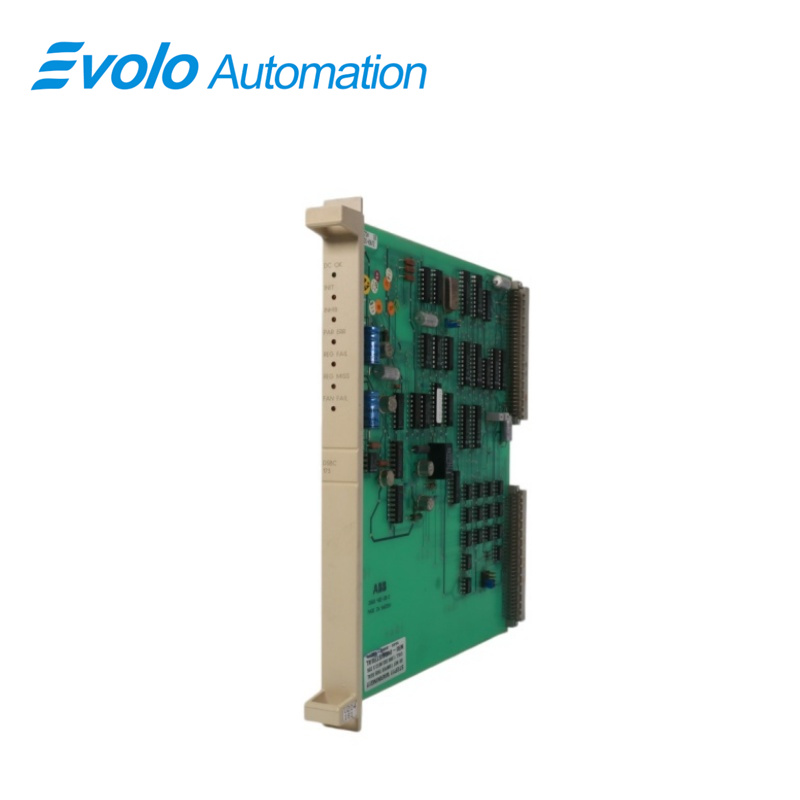
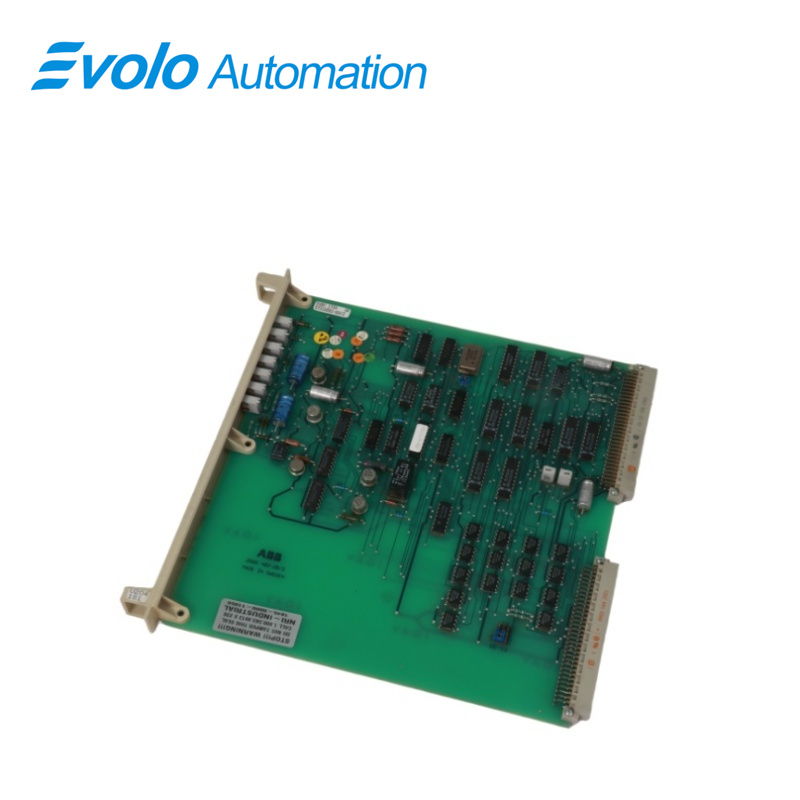
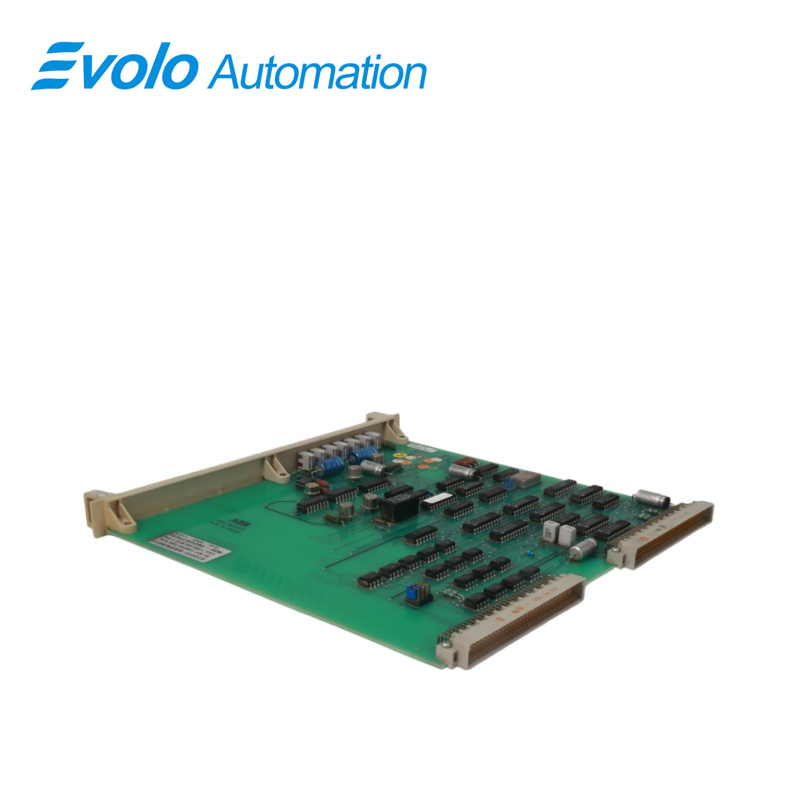
The ABB DSBC173 is a Bus Repeater Slave module designed to extend bus communication in industrial automation systems. It enables reliable data transfer over longer distances and supports multiple bus segments. Equipped with MODBUS RTU communication protocol, the DSBC173 ensures compatibility with a wide range of automation devices, facilitating seamless integration and operation.
Applications
Large petrochemical plants: Connect remote I/O stations located in different fire compartments or explosion-proof control rooms.
Combined cycle power plants: Establish bus links in large areas such as generator units and water treatment workshops.
Large wastewater treatment plants: Manage level and pump station control points scattered across various pool areas.
Competitive Advantage
Signal Repeater: As a bus repeater slave, it effectively enhances and extends bus signals, reduces signal attenuation and interference, and ensures the accuracy and stability of data during long-distance transmission. It can connect to remote I/O devices.
Plug and Play: It features plug-and-play functionality, is easy to install and configure, and can be quickly integrated into existing systems, reducing system debugging time.
Strong Compatibility: Compatible with all S100 I/O bus devices, it can be flexibly applied to various industrial automation control systems based on the S100 bus.
FAQ
Q: Must the DSBC173 be used in conjunction with the DSBC174?
A: Yes. The DSBC173 acts as a repeater and requires master/slave pairing. It is installed at the remote rack end, while the DSBC174 is placed at the CPU-side rack end.
Q: Does the DSBC173 support fiber optic transmission?
A: Yes. With a specific fiber optic transceiver kit, the DSBC173 can convert S100 bus signals into optical signals for long-distance transmission.
Q: Will the I/O response speed be slower after using the DSBC173 repeater?
A: There is a microsecond-level physical delay, but it is negligible compared to typical industrial control process times.
Q: If the DSBC173 fails, will it affect the operation of the main controller?
A: The main controller will continue to operate, but all I/O points on the corresponding remote rack will show “Bad” values and trigger an alarm.
Q: Does the address need to be set during DSBC173 installation?
A: Yes. The hardware coding on the module must be set according to the system manual to ensure the master station correctly identifies the slave path.