EN
EN




- Overview
- Specifications
- Description
- Applications
- Competitive Advantage
- FAQ
- Recommended Products
Overview
Place of Origin: |
Sweden |
Brand Name: |
ABB |
Model Number: |
DSAI155 57120001-HZ |
Packaging Details: |
Original new Factory Sealed |
Delivery Time: |
5-7 days |
Payment Terms: |
T/T |
Supply Ability: |
In stock |
Specifications
|
Product Name: |
Analog Input Board |
|
Model: |
DSAI155 57120001-HZ |
|
Number of Input Channels: |
32 |
|
Signal Type: |
Configurable 0-20 mA / 4-20 mA / 0-10 V |
|
Resolution: |
16-bit ADC |
|
Sampling Rate: |
10 μs per channel |
|
Protection Class: |
IP20 |
|
Operating Temperature: |
-25°C to +70°C |
|
Weight: |
0.54 kg |
Description
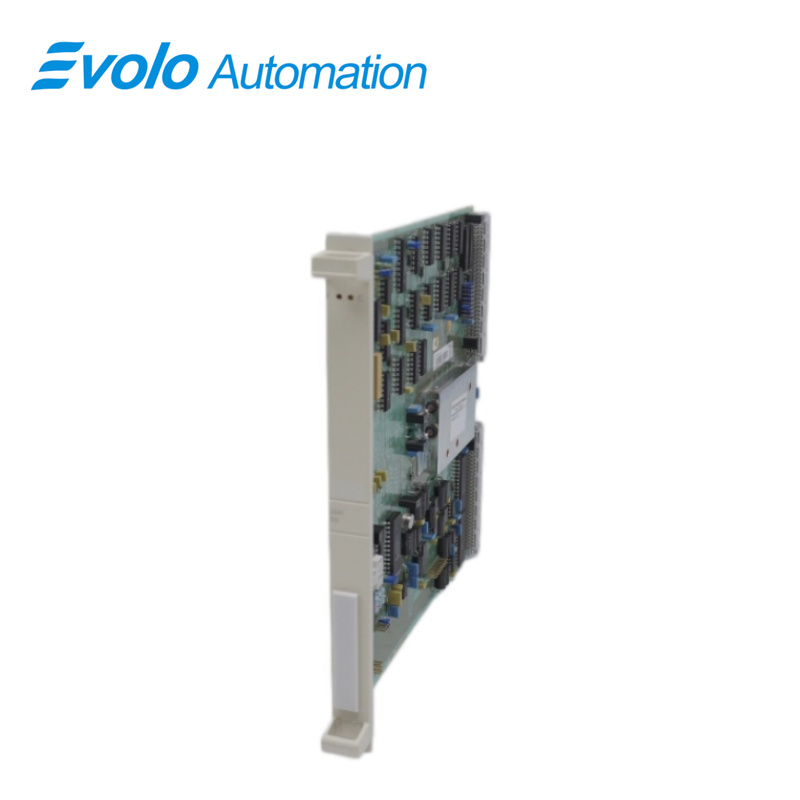
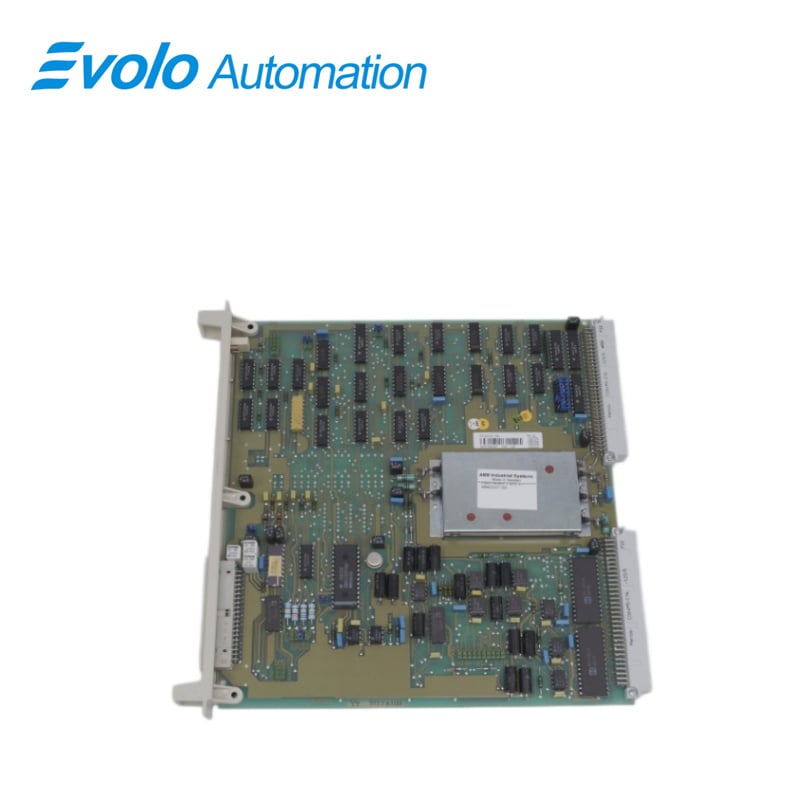
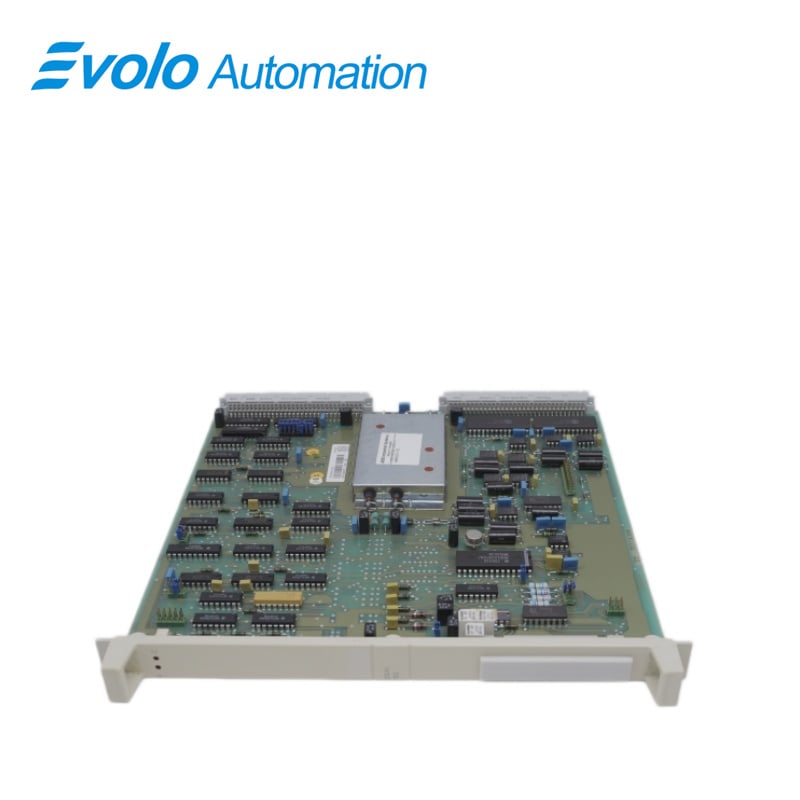
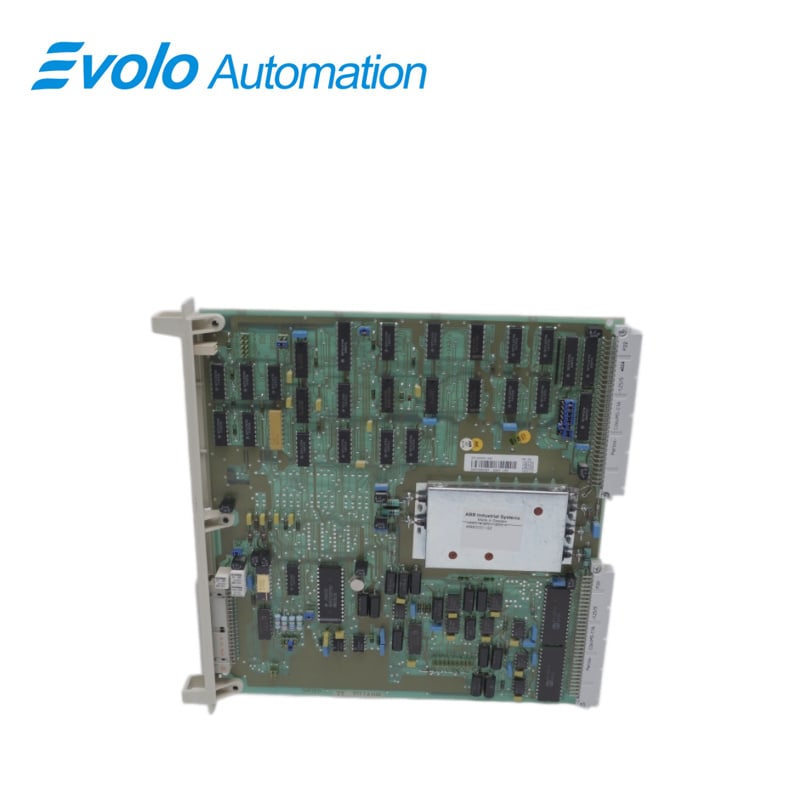
The ABB DSAI155 57120001-HZ Analog Input Board, as a core component in industrial automation, has become the preferred solution for industries such as power, chemical, and manufacturing due to its superior signal processing capabilities and stable system compatibility. This module can accurately acquire various analog signals such as voltage and current, and its 32-channel parallel processing significantly improves system response efficiency.
Applications
Large Thermal Power Plants (Generator/Bearing Monitoring):
Monitoring the temperature of generator stator windings, turbine bearings, and cooling water. Pt100 is more stable and accurate than thermocouples in the low-to-medium temperature range, and DSAI155 ensures reliable thermal protection logic for critical rotating machinery.
Petrochemical and Refining Plants (Heat Exchangers/Distillation Towers):
Controlling precise temperature compensation in chemical reactions. RTD signals are sensitive to environmental interference; this module's high common-mode rejection capability ensures data accuracy.
Food, Beverage, and Pharmaceutical Plants (Sterilization/Fermentation Tanks):
These industries have extremely stringent temperature accuracy requirements. The linear processing of DSAI155 57120001-HZ ensures that the fermentation or sterilization process complies with the process specifications.
Competitive Advantage
This analog input board integrates several ABB patented technologies: First, it employs an adaptive filtering algorithm that dynamically adjusts filtering parameters based on ambient interference frequencies; second, it supports HART protocol signal overlay for bidirectional communication with intelligent instruments; and third, its unique channel grouping calibration function achieves an overall measurement accuracy of ±0.1%. In terms of system compatibility, it not only perfectly adapts to ABB's entire range of DCS systems but also interconnects with other PLC systems via a standard Profibus-DP interface. For redundancy, the module incorporates dual independent ADC converters, coupled with a watchdog timer for millisecond-level fault switching, ensuring continuous acquisition of critical process parameters.
FAQ
Q1: Does the DSAI155 57120001-HZ support thermocouples (TC)?
A: No. Thermocouples require the DSAI145/146. The DSAI155 57120001-HZ is specifically designed for resistance sensors.
Q2: Why is 3-wire wiring better than 2-wire wiring about DSAI155 57120001-HZ?
A: 3-wire wiring can compensate for measurement errors caused by wire resistance. For Pt100 sensors used in long-distance transmission (over 10 meters), this is crucial for ensuring accuracy.
Q3: Why is there a temperature display deviation of a few degrees after replacing the DSAI155 57120001-HZ?
A: Check if the hardware jumper settings of the old and new modules are consistent, and confirm that the sensor type defined in the software (e.g., Pt100 or Ni100) matches.
Q4: Can its 8 channels connect to different types of RTDs about DSAI155 57120001-HZ?
A: Usually, they need to be configured in groups. If mixing, the independence of the hardware groups and the definition of the software DB Element must be confirmed.
Q5: What does a red (Fault) indicator light mean about DSAI155 57120001-HZ?
A: Module self-test failed or communication with the CPU was interrupted. This could be due to a backplane power supply malfunction, address code conflict, or board hardware failure.