EN
EN




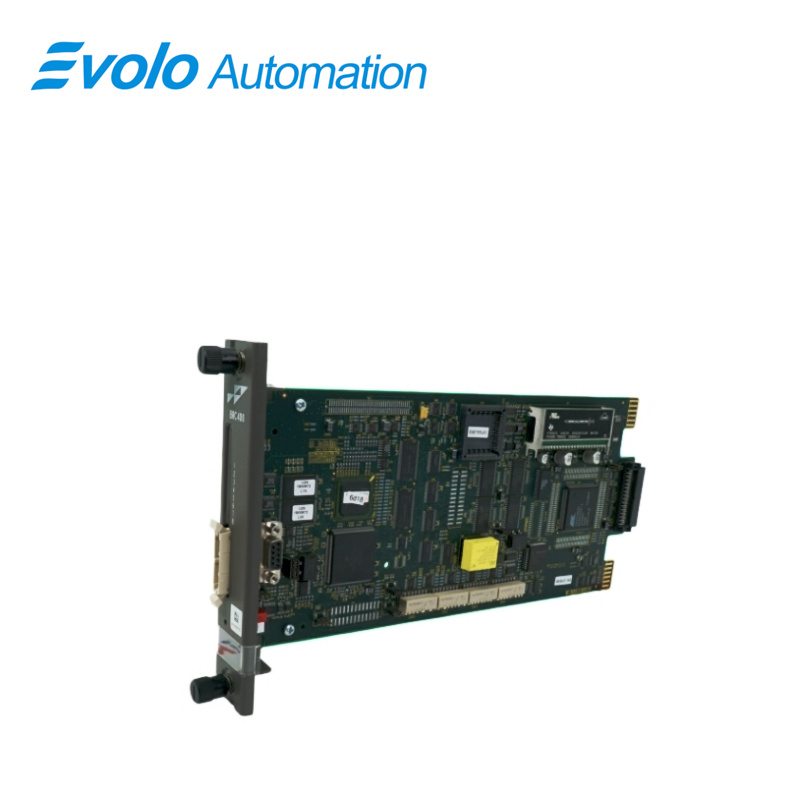
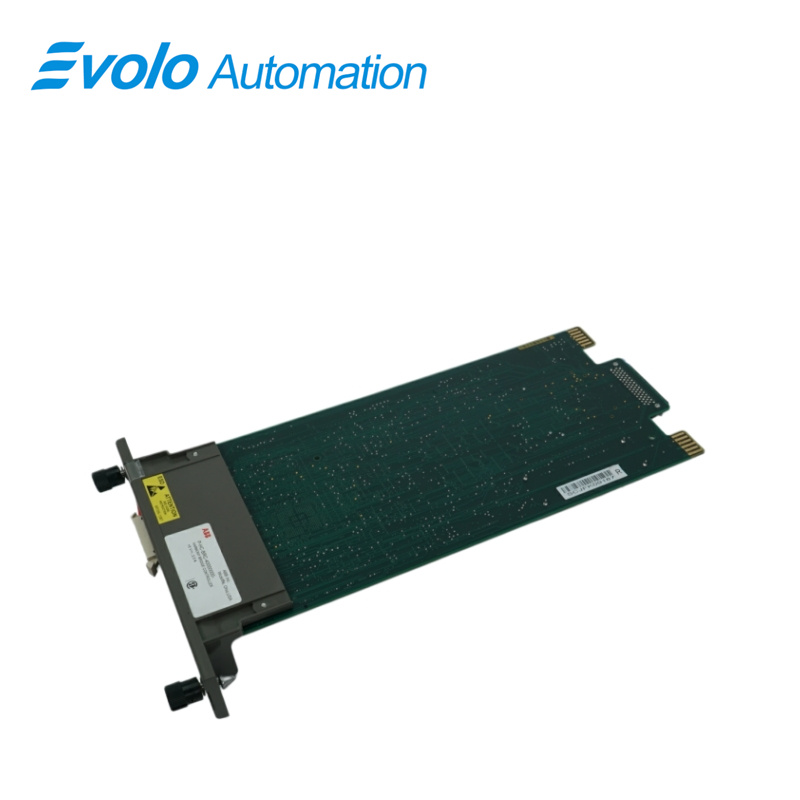
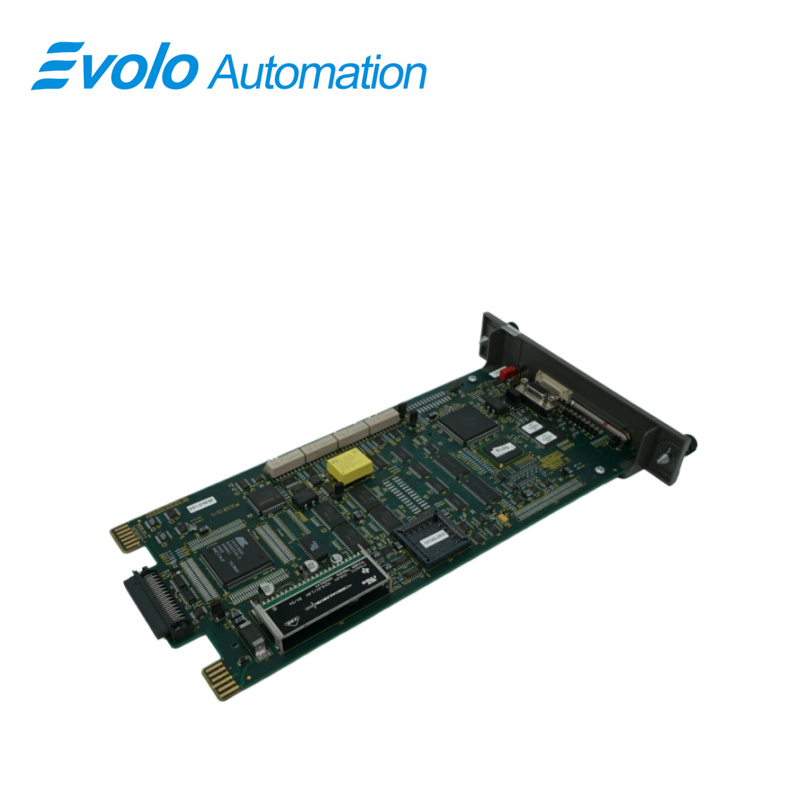
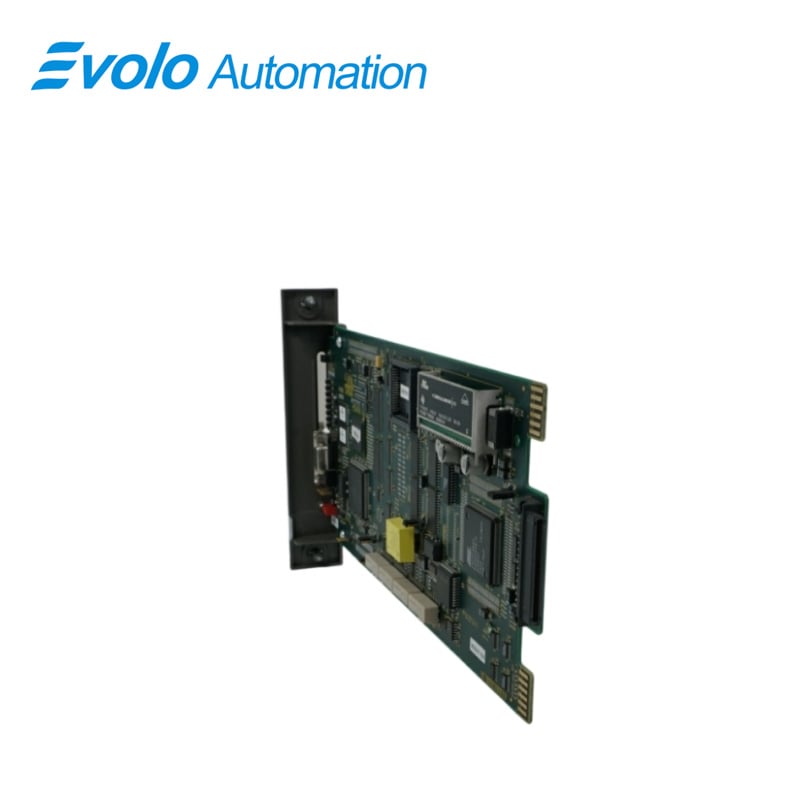
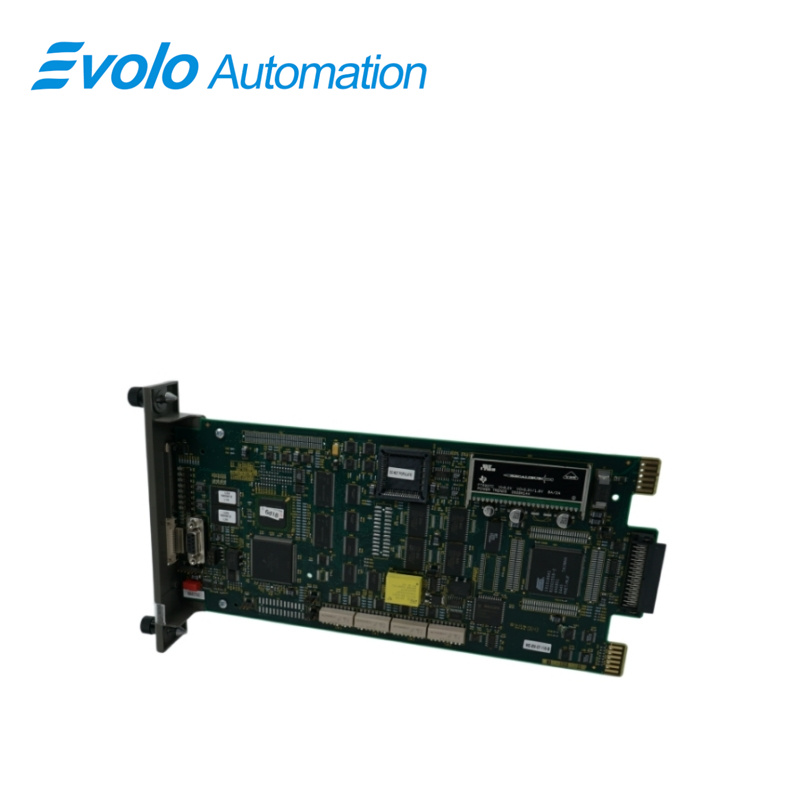
BRC400 P-HC-BRC-40000000 Bailey Harmony Bridge Controller
Email: [email protected]
whatsApp: +86-18150117685
- Overview
- Specifications
- Description
- Applications
- Features
- Installation
- Operation
- Troubleshooting
- FAQ
- Recommended Products
Overview
Place of Origin: |
Sweden |
Brand Name: |
ABB |
Model Number: |
BRC400 P-HC-BRC-40000000 |
Packaging Details: |
Original new Factory Sealed |
Delivery Time: |
5-7 days |
Payment Terms: |
T/T |
Supply Ability: |
In stock |
Specifications
|
Model: |
BRC400 Bailey Harmony Bridge Controller P-HC-BRC-40000000 |
|
Dimensions: |
3.6 x 33 x 17.7 cm |
|
Weight: |
0.28 kg |
|
Air Quality: |
Noncorrosive |
|
Altitude: |
Sea level to 3,048 m (10,000 ft) operational, up to 9,000 m (29,528 ft) max |
|
Relative Humidity: |
5% to 90% up to 55°C (131°F), 5% to 45% between 55°C and 70°C (131–158°F) non-condensing |
|
Temperature: |
0° to 70°C (32° to 158°F) operational, -25° to +85°C (-13° to 185°F) internal enclosure |
|
Vibration: |
10–60 Hz, 0.0375 mm longitudinal, 0.74 Grms; transverse 0.20 Grms; 60–150 Hz, 0.5 G sine, 1.04 Grms vertical; 10–500 Hz random |
|
Shock: |
15 G, 11 ms |
|
Microprocessor: |
32-bit processor running at 160 MHz |
|
Memory: |
All memory has 32-bit data path |
|
Power Requirements: |
Controller: 5 VDC at 2 A; 10 W typical, PBA: 5 VDC at 100 mA; 0.5 W typical |
|
Station Support: |
128 40-kbaud serial stations (IISAC01) or eight 5-kbaud serial stations |
|
Redundant Communication: |
Yes, 4 MHz per byte per second (normal operation) |
|
Programmability: |
FCs, C, Batch 90, User Defined Function (UDF) Codes |
|
Communication Ports: |
2 RS-232-C or 1 RS-232-C and 1 RS-485, 1 IISAC01 channel |
|
Ambient Temperature: |
0° to 70°C (32° to 158°F) |
|
Relative Humidity (detailed): |
20% to 95% from 0°C to 55°C, 20% to 45% from 55°C to 70°C, non-condensing |
|
Atmospheric Pressure: |
Sea level to 3 km (1.86 mi) |
|
Certifications: |
CSA certified for ordinary and hazardous locations (Class I, Div II, Groups A–D), pending for BRC-400; CE mark compliant for EMC and LV directives |
|
Hnet Communication Rate: |
4 Mbaud |
|
Max Number of NTRLO4 Devices: |
Up to 12 (6 redundant Hnet drops) on one local Hnet |
|
Intra-Cabinet Distance: |
30 m (electrical) |
|
Inter-Cabinet Distance: |
3,000 m (optical) |
|
Fiber Optic Type: |
62.5/125 μm multimode |
|
Fiber Attenuation: |
≤3.5 dB/km |
|
Wavelength: |
840 nm |
|
Bandwidth: |
160 MHz/km |
|
Connector Type: |
ST style with right-angle strain relief, 40 mm bend radius |
|
Transmission Mode: |
Multimode |
Description
The BRC400 P-HC-BRC-40000000 is a high-perfornance. high-capacity process rack controller designed to interface with Harmony block I/O. Harmony rack I/O., and S800 I/O in the Symphony Enterprise Managernent and Control Systerm. The controller is fully con-patible with the INFI 90 OPEN system in functionality, com-munication, and packaging. The controller is a stand-alone device that can handle specific control and information processing applications in addition to multiple-loop analog. sequential, and batch control. It has the power to execute demanding process control applications that are data intensive. program intensive or both. The controller supports multiple control languages such as C. function codes (FC), and Batch 90M. The Symphony system uses a variety of analog. control, and digital I/O devices to interface with the process. Control I/O is available from block I/O using the Harmony communication network (Hnet) or from Harmony rack I/O controllers using the I/O expander bus.
Applications
Large-scale thermal power plants: Used for core DCS control of 600MW and above ultra-supercritical units, managing a massive number of I/O points across the entire plant.
Integrated oil and chemical plants: Responsible for plant-wide production integration and scheduling, handling extremely complex interlocking logic and PID loops.
Modern large-scale chemical plants: Perform high-precision process control in large-scale ethylene, coal chemical, and synthetic ammonia processes.
Large-scale integrated steel enterprises: Used for automated production lines with extremely high real-time requirements, such as blast furnaces and hot rolling mills.
Extra-large paper mills: Monitor the entire high-speed paper machine line, alkali recovery, and wastewater treatment systems, among other large-scale integrated systems.
Nuclear power plant conventional island: Provides extremely reliable process monitoring and data processing in the conventional section of nuclear power plants.
Features
1 Backup battery power for NVRAM
2 Capable of supporting a 32.000 function block configuration
3 Compatible with existing INFI 90 OPEN systems
4 Downloadable firmware
5 Eight megabytes of onboard DRAM
6 Online Hnet communication bus diagnostics and fault isolation
7 Redundant Hnet bus via the PBA
8 Removable NVRAM battery jumper for extended shelf life
9 Sinultaneous Hnet bus and I/O expander bus communication supports both Harmony block I/O and Harmony rack I/O controllers
10 Status output alarm monitoring
11 Automatic downloading of Harmony block I/O configurations
12 2.000 Batch 90, C Program, and Data files support
13 Replaces the BRC-200
Installation
Before installing a controller:
1. Verify all controller dipswitch and jumper settings are con- figured properly.
2. Verily that the PBA if required, is attached to the proper slot on the MMU backplane.
To install a controller:
1. Slide the controller into its mounting slot while guiding the top and bottom edges of the controller along the top and bot- tom rails of its assigned slot in the MMU.
2. Push only on the latching screws on the faceplate until the rear edge of the controller is firmly seated in the P5 connector of PBA.
3. Turn the two latching screws 4-turn either way to lock the controller in place. The controller is locked into place when the open end of the slot on each latching screw faces the center of the faceplate.
4. Repeat this procedure for redundant controllers.
5. After the redundant controller is installed, connect the redundancy cable between the faceplates of the adjacent redundant controllers. The cable is keyed and only inserts in one orientation.
To remove a controller:
1.The eoeralerts non redamanl urnla lehlil tr' umms slot by pulling on the screws.
2. If the controller is redundant, the redundancy cable must be renoved. Once this is complete, the controller may now be unlatched by turning the screws 4-turn either way and rermoved fron the mounting slot by pulling on the screws
Operation
The controller incorporates the power of a second generation 32-bit microprocessor operating at 160 megahertz. This is coupled with 32-bit wide memory design with an optimized interface. The microprocessor supplies superior performance capable of supplanting the need for external mainframes or minicomputers. Control I/O is available from block I/O using Hnet or from Harmony rack I/O controllers using the I/O expander bus. The data within the controller may be exported to the Cnet communication network and to existing INFI-NET ® and Plant Loop communication systems. In some processes, the effects of a control failure in the system can create dangerous situations or cause economic loss. To reduce the possibility of these problems occurring, redundant controllers provide increased availability.
Troubleshooting
Error codes provide specific controller fault information and appropriate corrective action. Troubleshooting flowcharts provide a quick look at hardware associated problems that may occur during controller installation and startup. Diagnostic tests help determine if there is a problem with controller components or circuitry. They are useful for testing the controller when the system is down or there is some other means of controlling the process. For example, use the redundant controller (if redundant controllers are installed) to control the process while testing the primary controller. The controller status summary is a 16-byte controller status record that provides summary flags for error conditions, controller type, and firmware revision level.
FAQ
Q: What is the BRC400 P-HC-BRC-40000000?
A: It is a Bailey Harmony Bridge Controller.
Q: Can the BRC400 P-HC-BRC-40000000 directly replace the BRC300?
A: Yes. The hardware slots are compatible, but at the software level (Composer), the controller type needs to be changed and the system recompiled and downloaded.
Q: What are the differences between BRC400 P-HC-BRC-40000000 and the BRC410?
A: The BRC410 typically integrates more Ethernet communication capabilities, while the BRC400 focuses on high-speed logic processing under the traditional Cnet bus architecture.
Q: How to Check Price and Availability for BRC400 P-HC-BRC-40000000?
A: Please contact John Yang for sales at +86-18150117685 or request a quote.