EN
EN




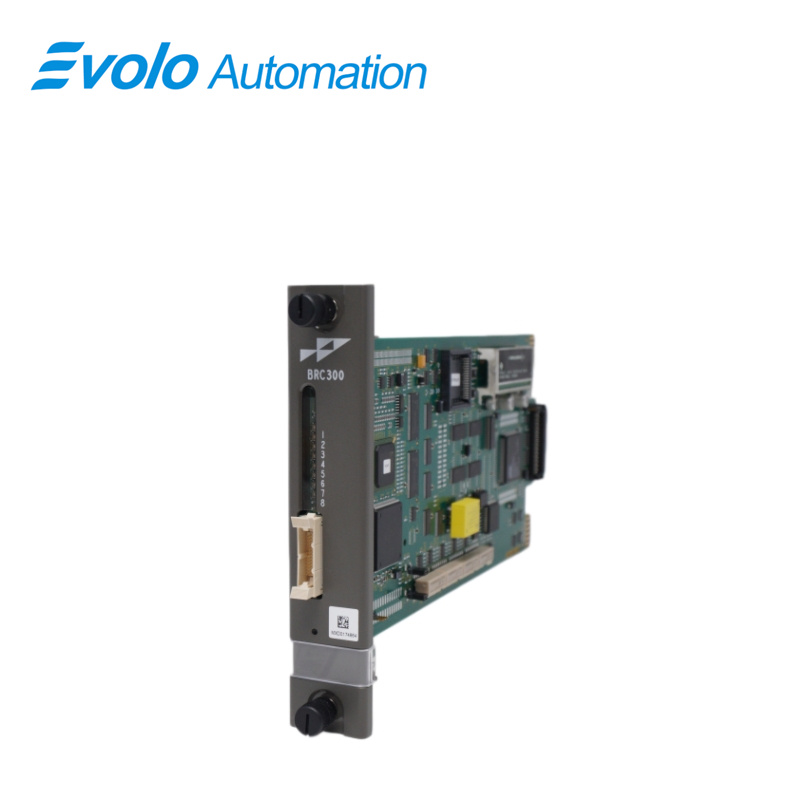
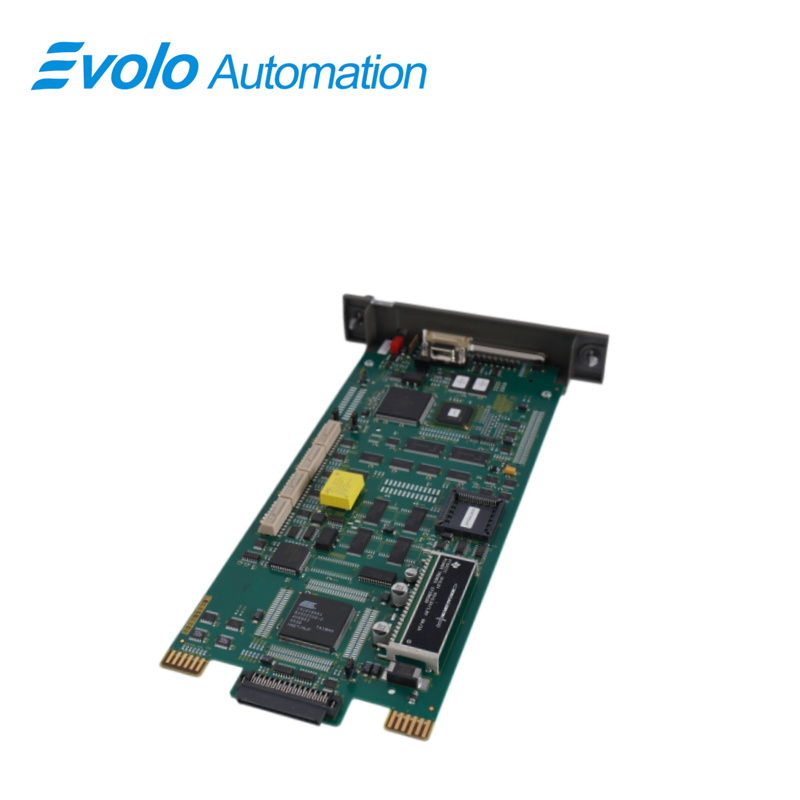
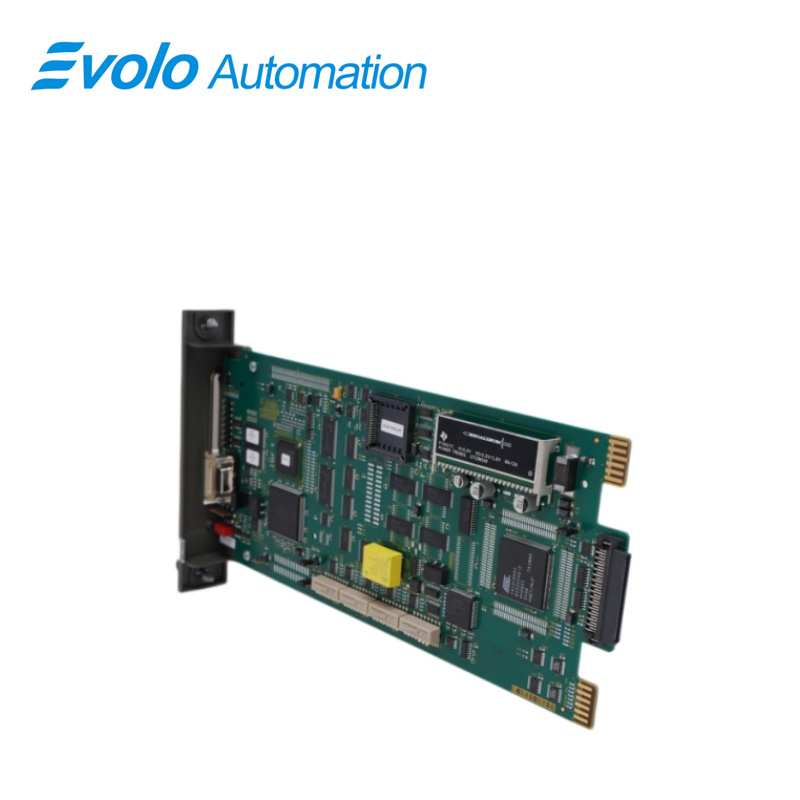
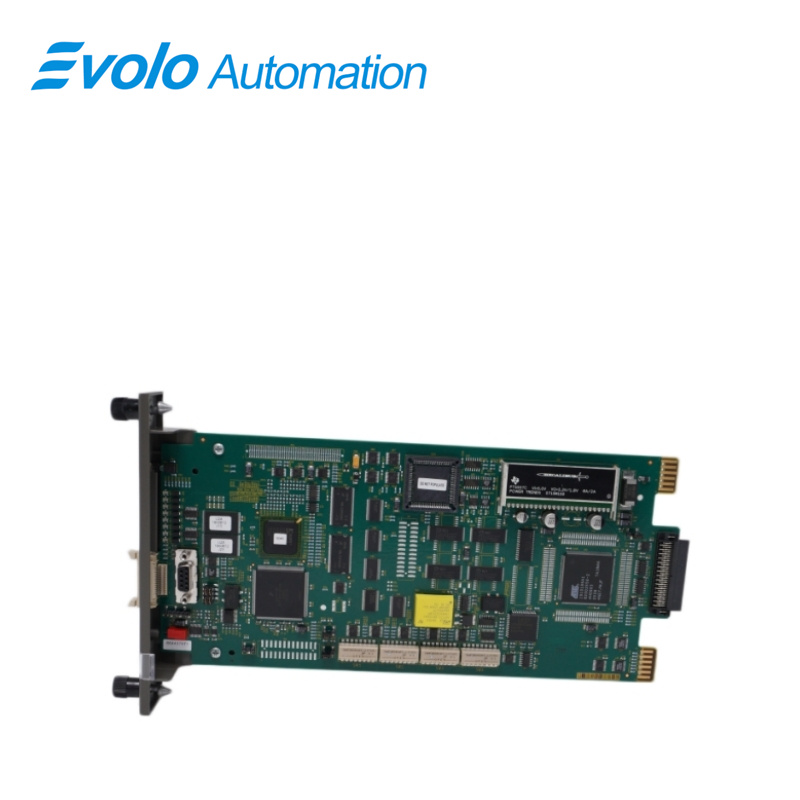
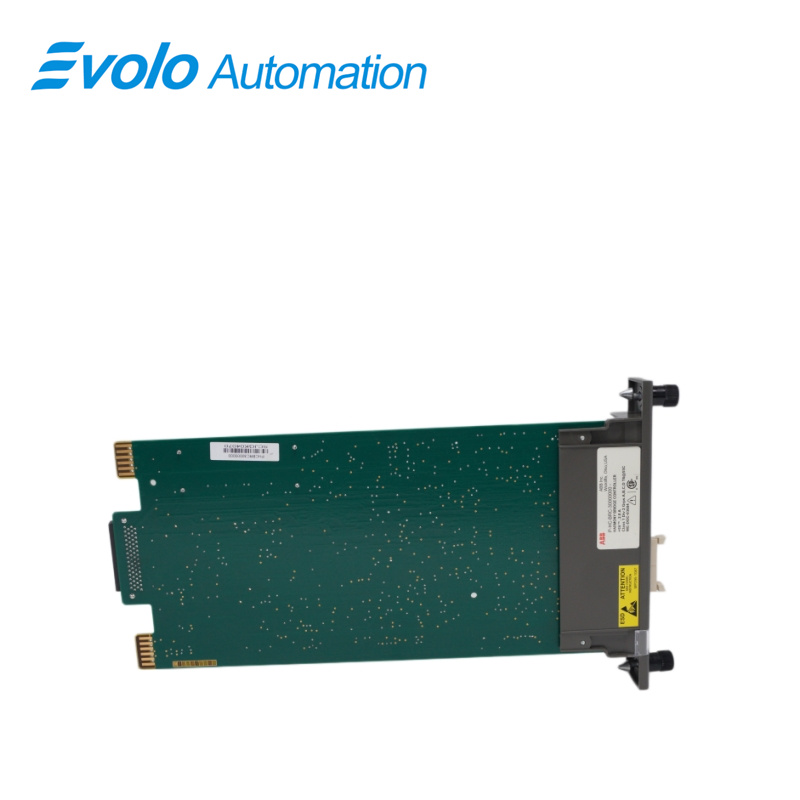
BRC300 P-HC-BRC-30000000 Bailey Harmony Bridge Controller
Email: [email protected]
whatsApp: +86-18150117685
- Overview
- Specifications
- Description
- Applications
- Features
- Operation
- Installation
- Troubleshooting
- FAQ
- Recommended Products
Overview
Place of Origin: |
Sweden |
Brand Name: |
ABB |
Model Number: |
BRC300 P-HC-BRC-30000000 |
Packaging Details: |
Original new Factory Sealed |
Delivery Time: |
5-7 days |
Payment Terms: |
T/T |
Supply Ability: |
In stock |
Specifications
|
Model: |
BRC300 P-HC-BRC-30000000 |
|
Microprocessor: |
32-bit processor running at 160 MHz |
|
Memory: |
All memory has 32-bit data path |
|
Power Requirements: |
Controller: 5 VDC at 2 A; 10 W typical, PBA: 5 VDC at 100 mA; 0.5 W typical |
|
Station Support: |
64 40-kbaud serial stations (IISAC01) or eight 5-kbaud serial stations |
|
Redundant Communication: |
Yes, redundant controller communication link |
|
Data Rate: |
4 MHz per byte per second (normal operation) |
|
Programmability: |
FCs, C, Batch 90 (future) |
|
Communication Ports: |
2 RS-232-C or 1 RS-232-C and 1 RS-485, 1 IISAC01 channel |
|
Operating Temperature: |
0° to 70°C (32° to 158°F) |
|
Relative Humidity: |
0% to 95% up to 55°C (131°F) non-condensing, 0% to 45% at 70°C (158°F) non-condensing |
|
Atmospheric Pressure: |
Sea level to 3 km (1.86 mi) |
|
Certifications: |
CSA certified for ordinary locations, FM Class I Div II Groups A-D, CE mark compliant for EMC and LV directives |
|
Type: |
Bailey Harmony Bridge Controller |
Description
The BRC300 P-HC-BRC-30000000 is a high-performance, high-capacity process controller. It is a rack controller designed to interface with Harmony block I/O, Harmony rack I/O, and S800 I/O in the Symphony Enterprise Management and Control System. The controller is fully compatible with the INFI 90 OPEN system in functionality, communication, and packaging. The controller is a stand-alone device that can handle specific control and information processing applications in addition to multiple-loop analog, sequential, and batch control. It has the power to execute demanding process control applications that are data intensive, program intensive or both. The controller supports multiple control languages such as C and function codes (FC).
Applications
Large chemical plants: Used to handle extremely complex control loops, such as ethylene cracking and distillation column control.
Coal power plants: Responsible for the core control system (DCS) of supercritical and ultra-supercritical units, managing thousands of I/O points.
Oil refineries: Perform high-density logic and simulation calculations in key refining units such as hydrocracking and reforming.
Large steel and metallurgical plants: Used for automated interlocking and process monitoring of blast furnaces, converters, and hot and cold rolling production lines.
Paper and pulp mills: Serve as the central control unit in large paper machines, digesters, and alkali recovery systems.
Nuclear power plant auxiliary systems: Used for monitoring non-safety-grade conventional islands and auxiliary water treatment systems.
Features
• Simultaneous Hnet bus and I/O expander bus communication supports both Harmony block I/O and Harmony rack I/O controllers.
• Redundant Hnet bus via the PBA.
• Automatic downloading of Harmony block I/O configurations.
• Backup battery power for NVRAM.
• Status output alarm monitoring.
• Eight megabytes of onboard SDRAM.
• Compatible with existing INFI 90 OPEN systems.
• Downloadable firmware.
Operation
The controller incorporates the power of a second generation 32-bit microprocessor operating at 160 megahertz. This is coupled with 32-bit wide memory design with an optimized interface. The microprocessor supplies superior performance capable of supplanting the need for external mainframes or minicomputers. Control I/O is available from block I/O using Hnet or from Harmony rack I/O controllers using the I/O expander bus. The data within the controller may be exported to the Cnet communication network and to existing INFI-NET ® and Plant Loop communication systems. In some processes, the effects of a control failure in the system can create dangerous situations or cause economic loss. To reduce the possibility of these problems occurring, redundant controllers provide increased availability.
Installation
Before installing a controller:
1. Check all controller dipswitch and jumper settings (normal and special operation).
2. Verify that the PBA if required, is attached to the proper slot on the MMU backplane.
To install a controller:
1. Slide the controller into its mounting slot while guiding the top and bottom edges of the controller along the top and bottom rails of its assigned slot in the MMU.
2. Push only on the latching screws on the faceplate until the rear edge of the controller is firmly seated in the P5 connector of PBA.
3. Turn the two latching screws ½-turn either way to lock the controller in place. The controller is locked into place when the open end of the slot on each latching screw faces the center of the faceplate.
4. Repeat this procedure for redundant controllers.
5. After the redundant controller is installed, connect the redundancy cable between the faceplates of the adjacent redundant controllers. The cable is keyed and only inserts in one orientation.
Troubleshooting
Error codes provide specific controller fault information and appropriate corrective action. Troubleshooting flowcharts provide a quick look at hardware associated problems that may occur during controller installation and startup. Diagnostic tests help determine if there is a problem with controller components or circuitry. They are useful for testing the controller when the system is down or there is some other means of controlling the process. For example, use the redundant controller (if redundant controllers are installed) to control the process while testing the primary controller. The controller status summary is a 16-byte controller status record that provides summary flags for error conditions, controller type, and firmware revision level.
FAQ
Q: What is the BRC300 P-HC-BRC-30000000?
A: It is a Bailey Harmony Bridge Controller.
Q: Can the BRC300 P-HC-BRC-30000000 replace the BRC100?
A: Yes. It is fully backward compatible, but you need to use Composer software to change the controller type to BRC300 and recompile and download it.
Q: Does its part number BRC300 P-HC-BRC-30000000 include a battery?
A: Usually, it is included by the manufacturer, but if it is kept as a long-term spare part, the battery may be degraded, and the voltage needs to be tested before installation.
Q: What is the difference between BRC300 P-HC-BRC-30000000 and the BRC400?
A: The BRC400/410 offers more advanced Ethernet integration and larger user memory, while the BRC300 is currently the most cost-effective general-purpose mainstream controller.
Q: How to Check Price and Availability for BRC300 P-HC-BRC-30000000?
A: Please contact John Yang for sales at +86-18150117685 or request a quote.