EN
EN




- Overview
- Specifications
- Description
- Applications
- Troubleshooting and Maintenance
- FAQ
- Recommended Products
Overview
Place of Origin: |
Sweden |
Brand Name: |
ABB |
Model Number: |
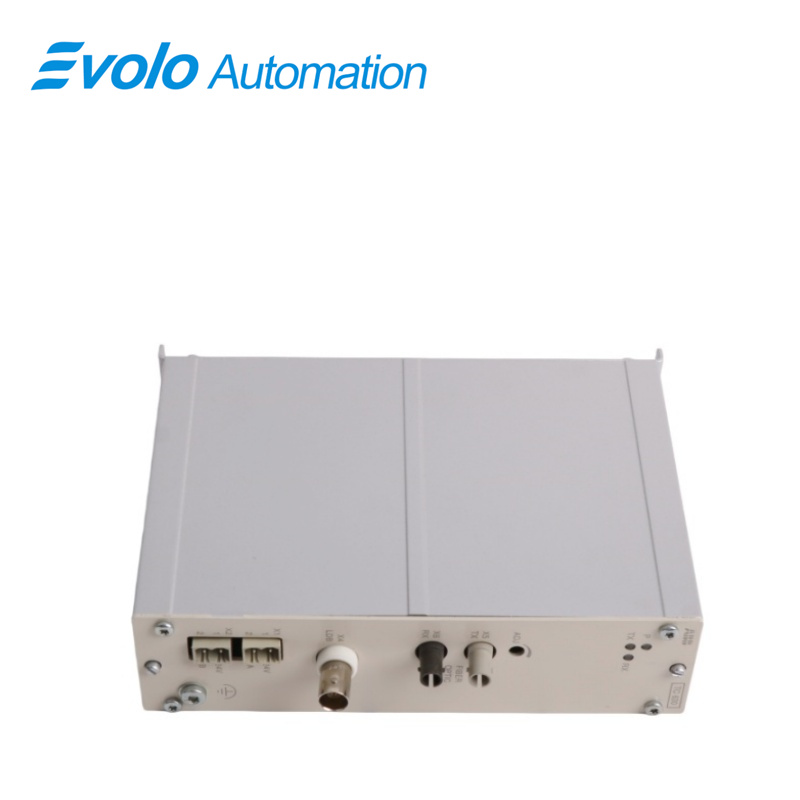
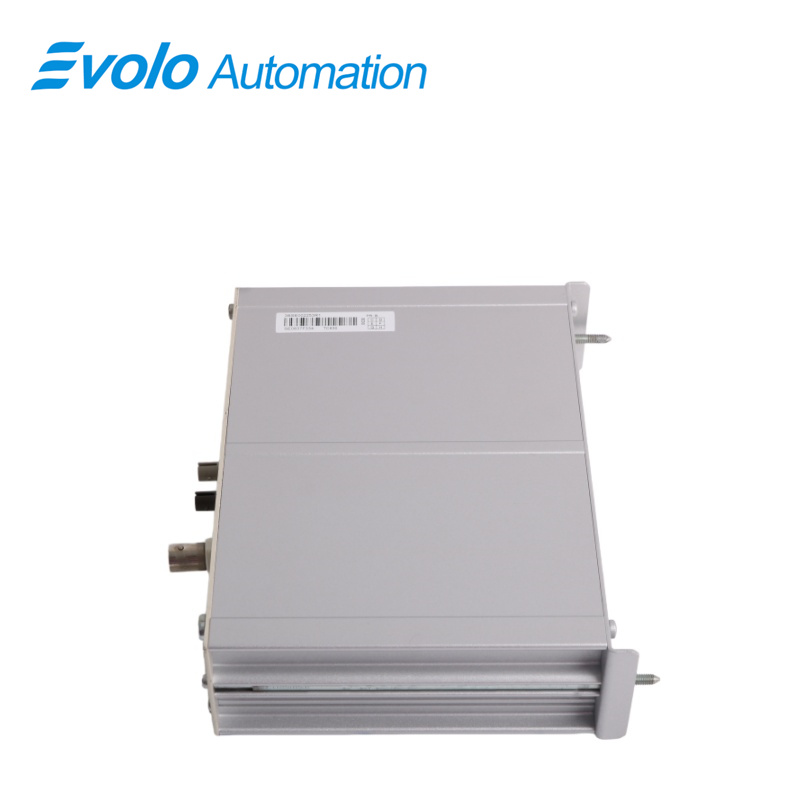
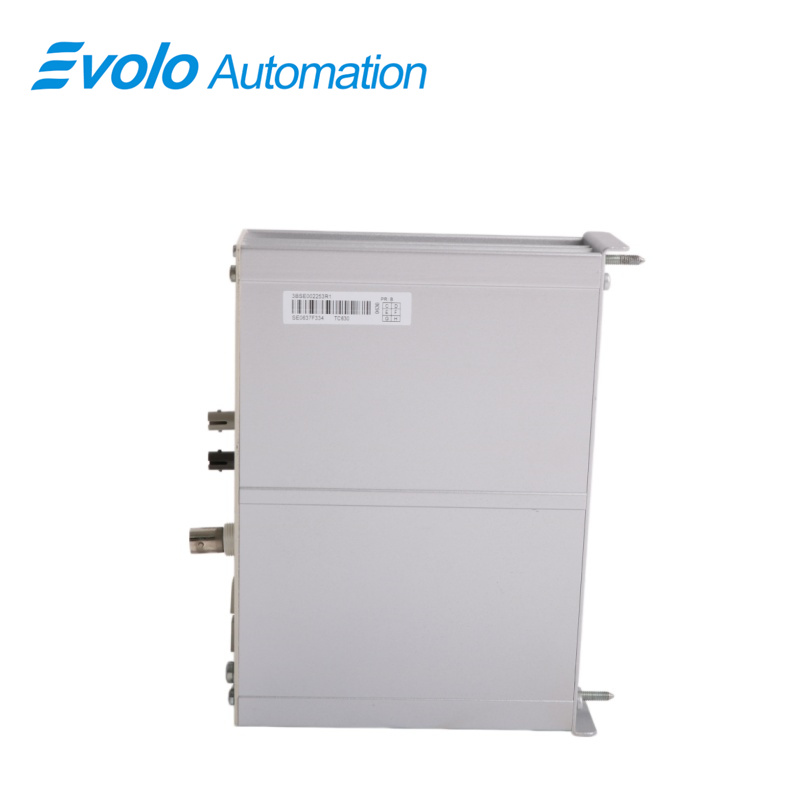
TC630 3BSE002253R1 |
Packaging Details: |
Original new Factory Sealed |
Delivery Time: |
5-7 days |
Payment Terms: |
T/T |
Supply Ability: |
In stock |
Specifications
|
Parameter |
Value |
|
Model |
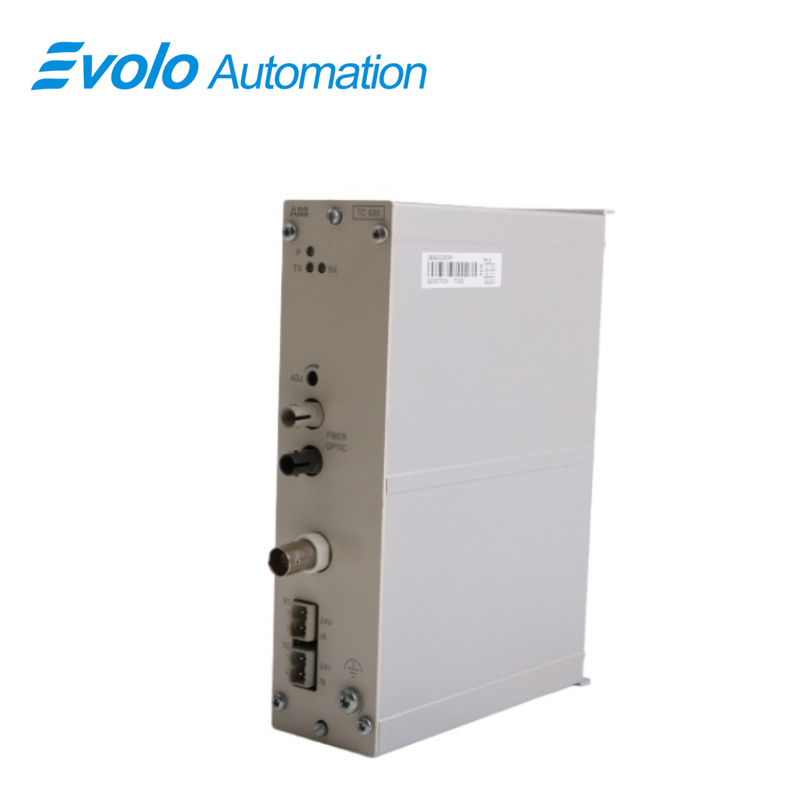
TC630 (3BSE002253R1) |
|
Module Type |
AF 100 Optical Modem |
|
Dimensions |
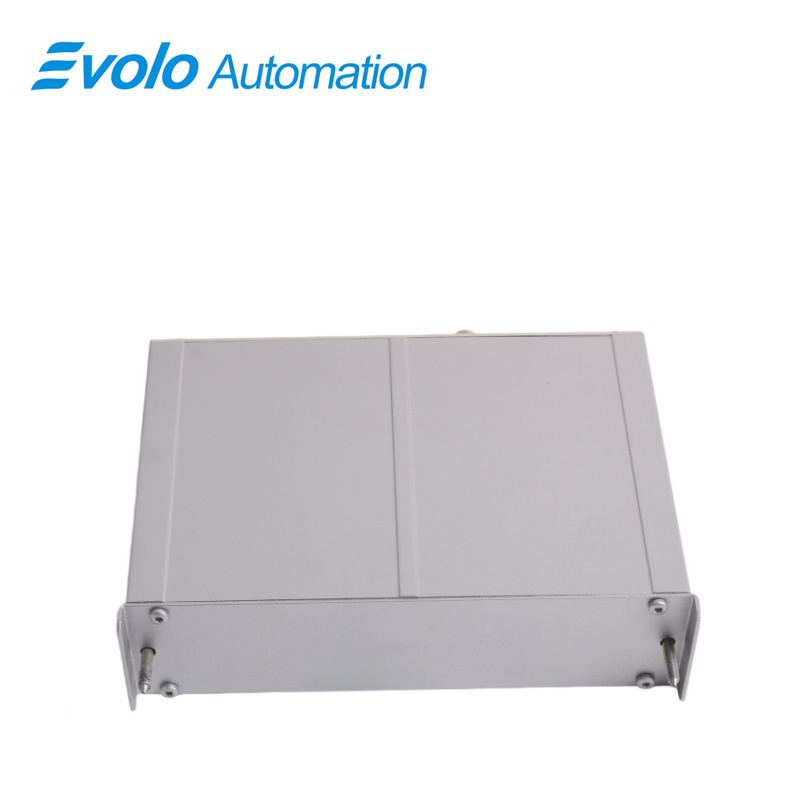
4.4 x 15 x 17.6 cm |
|
Weight |
0.7 kg |
|
Compatible Media |
Advant Fieldbus 100 coaxial/optical or optical/coaxial cable |
|
Optical Fiber |
2 x 65.5/125 µm or 100/400 µm |
|
Connectors |
ST-style |
|
Transmission Speed |
10 Mbit/s |
|
Power Supply |
24 V DC |
|
RoHS Information |
Compliant with EU Directive 2011/65/EU |
|
WEEE Category |
5. Small Equipment (No External Dimension More Than 50 cm) |
|
Number of Batteries |
0 |
Description
The ABB TC630 3BSE002253R1 AF 100 Optical Modem is a high-performance industrial-grade device designed to meet the needs of modern industrial automation. It utilizes advanced fiber optic communication technology to provide stable and reliable data transmission services. This modem features a wide operating voltage range, adapting to various industrial environments. Its rugged design enables it to withstand harsh operating conditions, including high temperatures, low temperatures, and high humidity. Furthermore, this product has passed stringent testing standards to ensure long-term stable operation in various industrial scenarios.
Applications
Large chemical plants: Utilizing the interference immunity of fiber optics to connect explosion-proof areas with the main control room.
Coal power plants: Transmitting bus signals in strong electromagnetic environments (such as boiler rooms or near generating units).
Steel and iron metallurgical plants: Achieving long-distance distributed I/O networking within large-span plant buildings.
Water treatment plants: Connecting multiple geographically dispersed water treatment pumping stations.
Paper machinery plants: Ensuring real-time communication of control logic on high-speed production lines.
Troubleshooting and Maintenance
Common Faults: Optical path interruption (Link light off), signal reflection (due to missing terminating resistor), power fluctuation.
Troubleshooting Methods:
Check if the fiber optic ST or universal connector is firmly inserted. Use a red light pen to confirm the link is clear.
Confirm that a TB807 terminating resistor is installed at the end.
Measure the 24V input voltage to rule out unstable power supply causing module restarts.
Maintenance Recommendations:
Optical Port Dust Protection: Fiber optic interfaces must be covered with dust caps when not in use or during maintenance.
Bending Monitoring: Excessive bending of the fiber optic cable is strictly prohibited to prevent excessive signal attenuation and packet loss.
FAQ
Q: Can TC630 3BSE002253R1 and TC520 3BSE001449R1 be used together?
A: Yes. They both belong to ABB’s communication extension family. The TC630 3BSE002253R1 is responsible for physical-layer photoelectric conversion.
Q: What is the maximum supported distance for TC630 3BSE002253R1?
A: It supports up to 15 meters using POF fiber and up to 200 meters using HCS fiber.
Q: Can TC630 3BSE002253R1 achieve redundant communication?
A: The TC630 3BSE002253R1 is a single-path converter. Redundancy typically requires TB840 or a dual-channel cabling design.
Q: What does it mean if the Error light on TC630 3BSE002253R1 turns red?
A: It usually indicates an internal self-test failure or a serious ModuleBus communication fault.
Q: Does replacing TC630 3BSE002253R1 require system downtime?
A: Yes. Downtime is recommended, because removing the bus converter will interrupt communication to all downstream I/O stations.