EN
EN





- Overview
- Specifications
- Description
- Applications
- Maintenance Recommendations
- FAQ
- Recommended Products
Overview
Place of Origin: |
Sweden |
Brand Name: |
ABB |
Model Number: |
SPIIT13 |
Packaging Details: |
Original new Factory Sealed |
Delivery Time: |
5-7 days |
Payment Terms: |
T/T |
Supply Ability: |
In stock |
Specifications
|
Parameter |
Value |
|
Model |
SPIIT13 |
|
Dimensions |
3.5 x 32 x 17.5 cm |
|
Weight |
0.26 kg |
|
Module Type |
Local Transfer Module |
|
Supported Protocols |
RS-232, RS-422, RS-485 (Industrial Standard Serial Protocols) |
|
Hardware |
Industrial-grade RISC Processor, 64 MB RAM, 4 MB ROM |
|
Power Supply |
24 VDC, Typical Power Consumption ~5 W |
|
Communication |
INFI-NET to INFI-NET |
|
WEEE Category |
5. Small Equipment (No External Dimension More Than 50 cm) |
|
Number of Batteries |
1 |
|
Battery Chemical Composition |
Lithium |
|
Battery Type |
Button Cell |
|
Battery Weight |
5 g |
Description
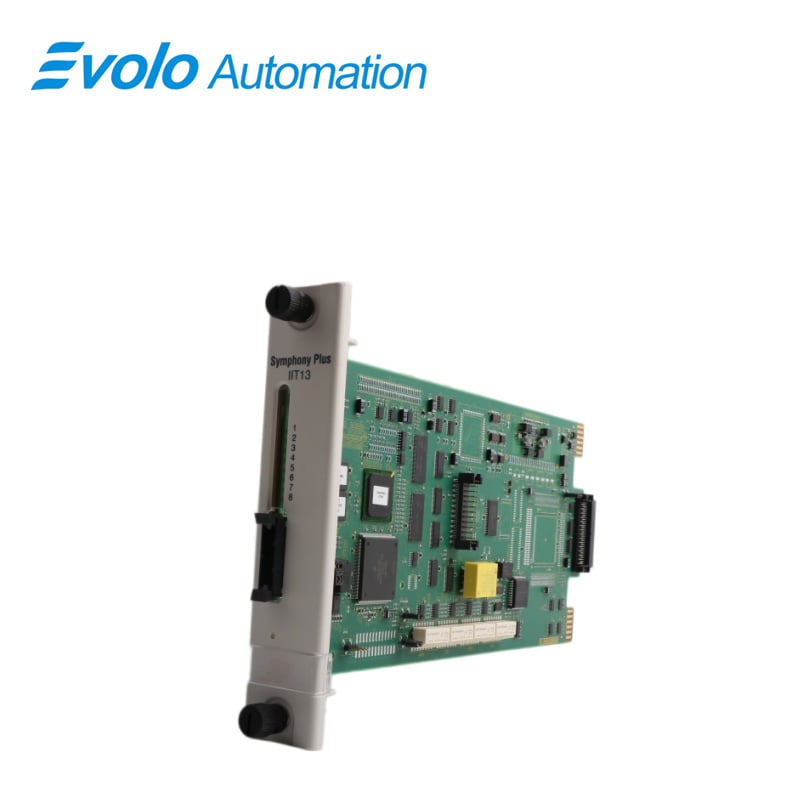
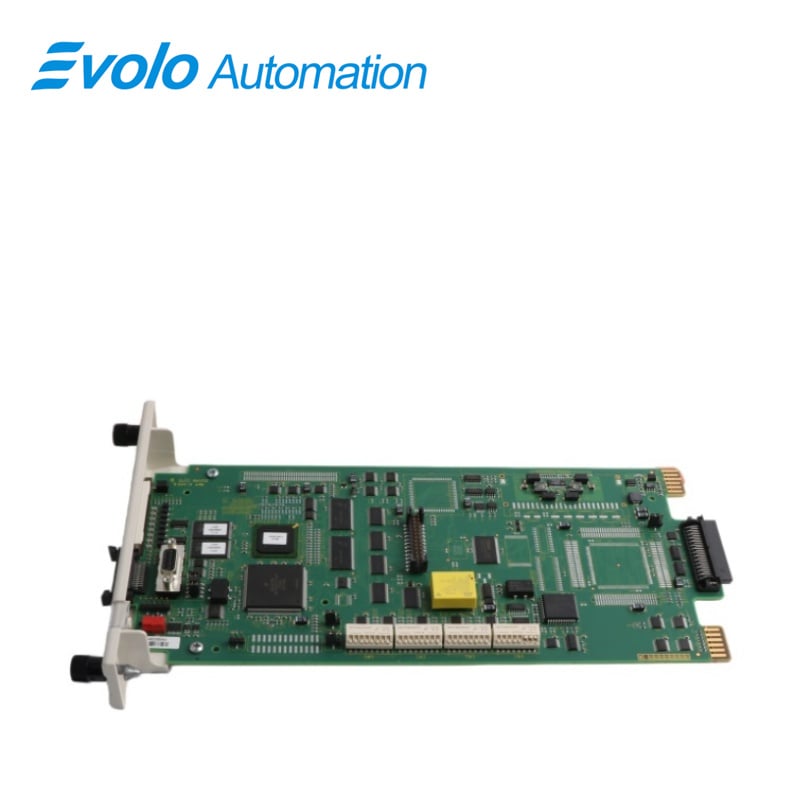
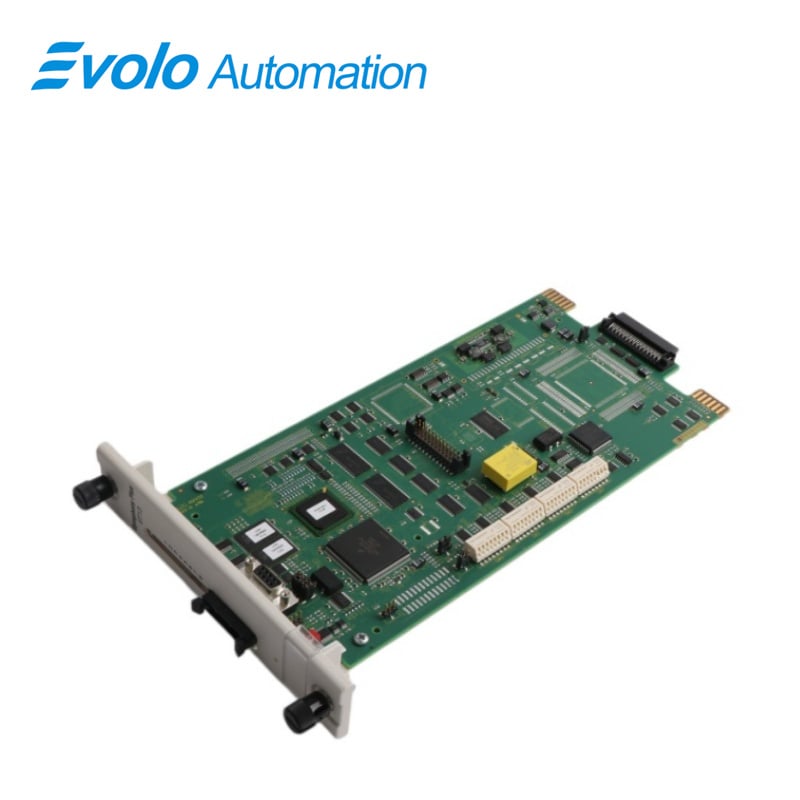
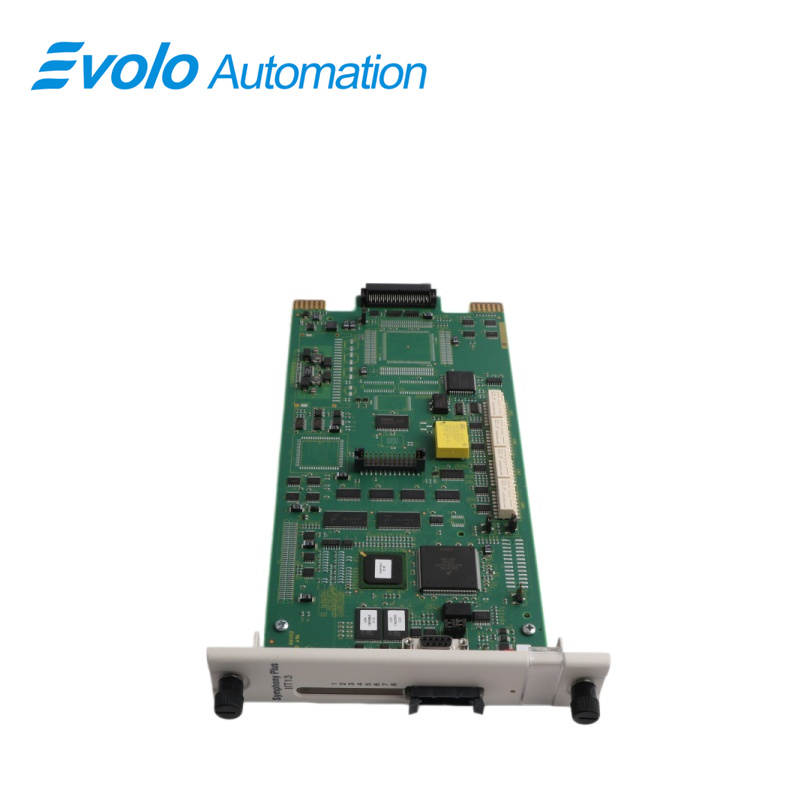
The SPIIT13 is an INFI-NET to INFI-NET Local Transfer Module in the ABB Symphony Plus (Harmony Rack) series. It acts as a "bridge" in a DCS system, responsible for the transparent exchange and transmission of data between INFI-NET communication loops. The compact design of this module makes it easy to integrate into existing systems without requiring excessive space.
Applications
Maintenance Recommendations
Spare Parts Redundancy: Since this module is located at the core of the communication system, it is recommended to configure redundant pairs on critical nodes and regularly test the redundancy switching function.
Environmental Dust Prevention: Regularly clean the rack filters to prevent dust accumulation that could cause poor contact of the gold fingers.
Firmware Backup: Before upgrading the system, be sure to back up the current node configuration information using S+ Engineering.
FAQ
Q: What is the main function of the SPIIT13?
A: The SPIIT13 functions like a communication router, enabling different INFI-NET loops to exchange data and allowing cross-loop communication.
Q: What are the differences between the SPIIT13 and the older INIIT13?
A: The SPIIT13 belongs to the Symphony Plus generation. It retains the same core functionality as the INIIT13 but offers improved hardware reliability and better system compatibility.
Q: Does replacing the SPIIT13 require system downtime?
A: In systems with redundancy, hot-swapping is typically supported without interrupting operation. In standalone configurations, replacement during scheduled maintenance is recommended.
Q: Why is the Status light on the SPIIT13 flashing?
A: A flashing light usually indicates active data communication or system initialization. If abnormal patterns occur (such as constant red or alternating red/green), the error code should be checked.
Q: Can the SPIIT13 connect directly to Ethernet?
A: No. It is designed for INFI-NET serial communication. To connect to industrial Ethernet, it must be used with an interface module such as SPIET800.