EN
EN




- Overview
- Specifications
- Description
- Applications
- Competitive Advantage
- FAQ
- Recommended Products
Overview
Place of Origin: |
Sweden |
Brand Name: |
ABB |
Model Number: |
PE1364B |
Packaging Details: |
Original new Factory Sealed |
Delivery Time: |
5-7 days |
Payment Terms: |
T/T |
Supply Ability: |
In stock |
Specifications
|
Parameter |
Value |
|
Model |
PE1364B |
|
Type |
Protocol Converter |
|
Dimensions |
19 x 13.6 x 2.8 cm |
|
Weight |
0.24 kg |
|
Power Supply |
24 V DC (12–30 V DC) |
|
Current Consumption |
170 mA @ 24 V DC |
|
Mounting Depth Required |
50 mm |
|
Mounting Screws |
4 x M5 |
|
Mounting Hole Position |
176 x 160 mm (W x H) |
|
Enclosure Class |
IP00 |
|
Operating Temperature |
5°C to +40°C |
|
Storage Temperature |
-40°C to +70°C |
|
Communication Interfaces |
ABB AC80 / AC800 / AC4xx; Modbus TCP |
|
Fiber Optic Type |
POF 1.0 mm or HCS 200 µm |
|
Optical Transmission Speed |
4 Mbit/s |
|
Max Fiber Length |
200 m (HCS 200 µm) or 15 m (1.0 mm POF) |
|
Ethernet Interface |
RJ45 (Modbus TCP via AnyBus S card) |
Description
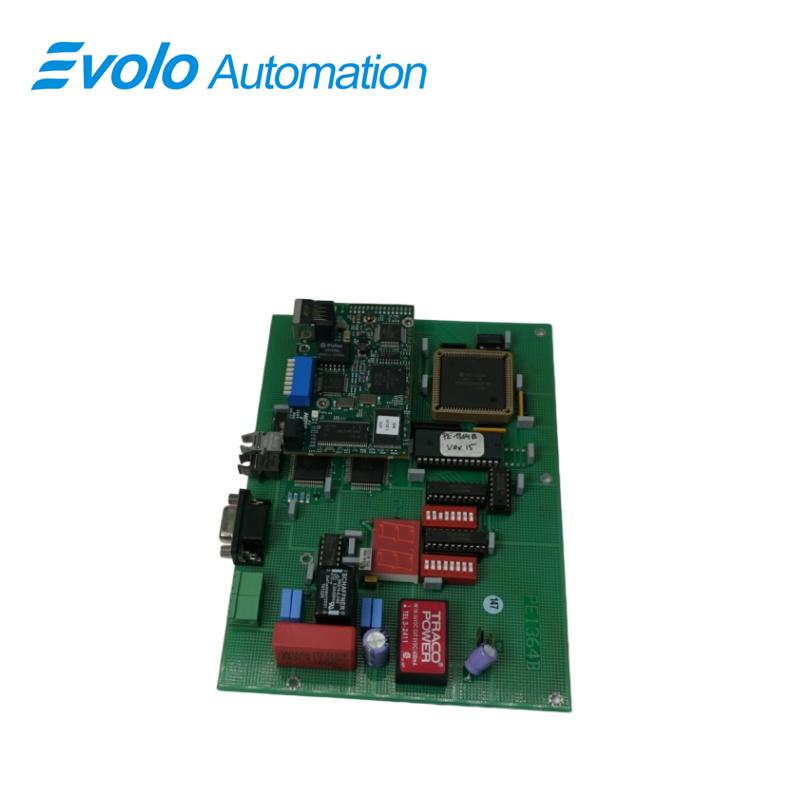
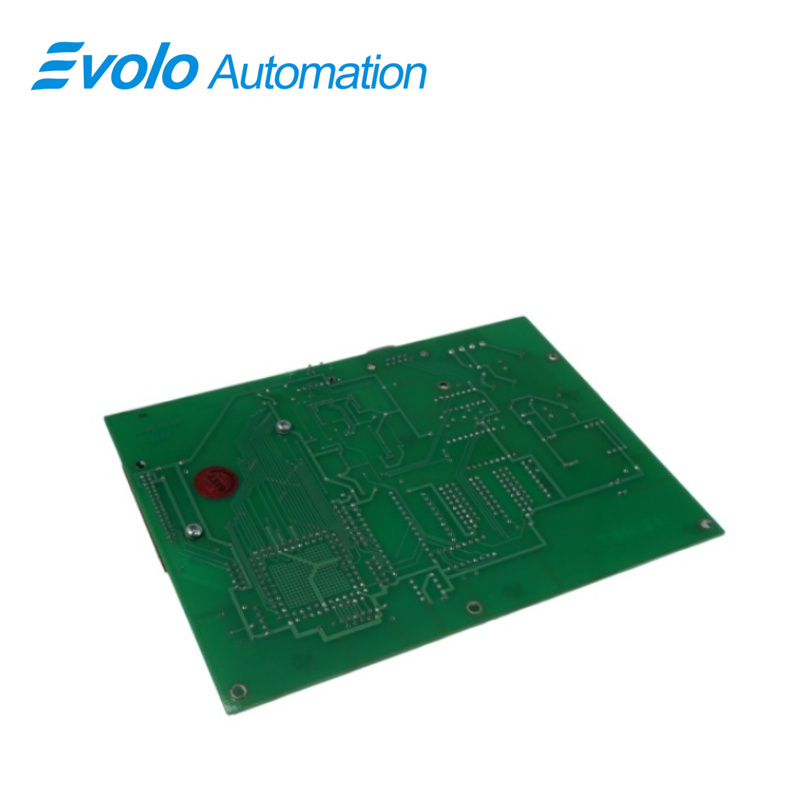
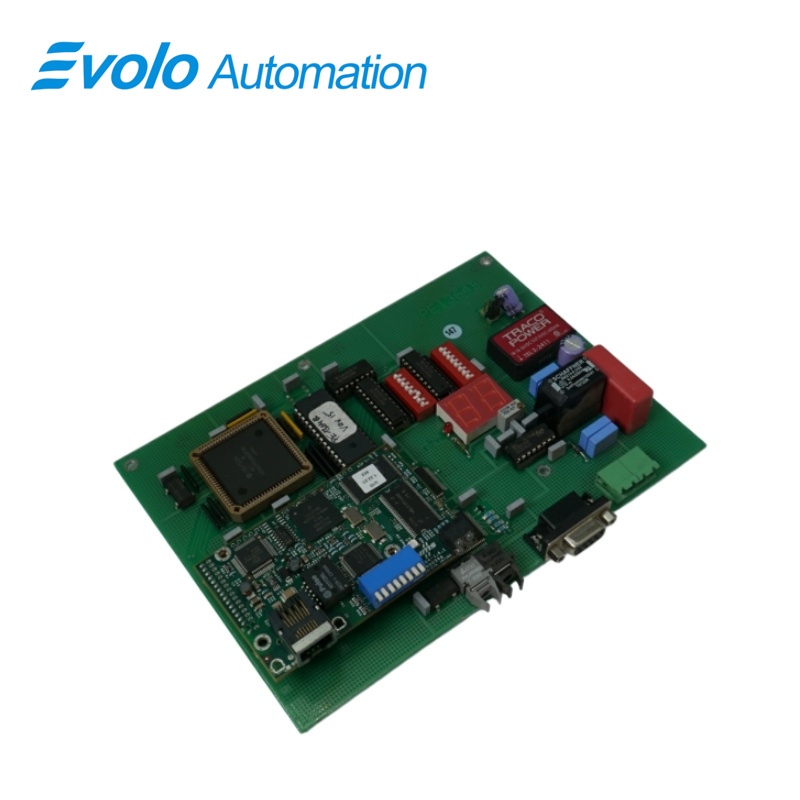
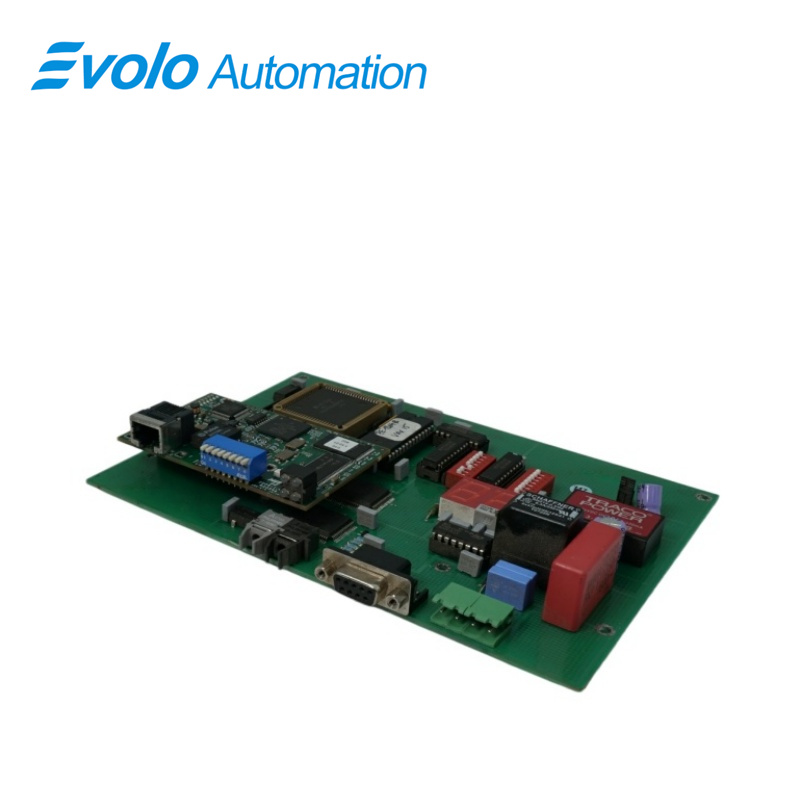
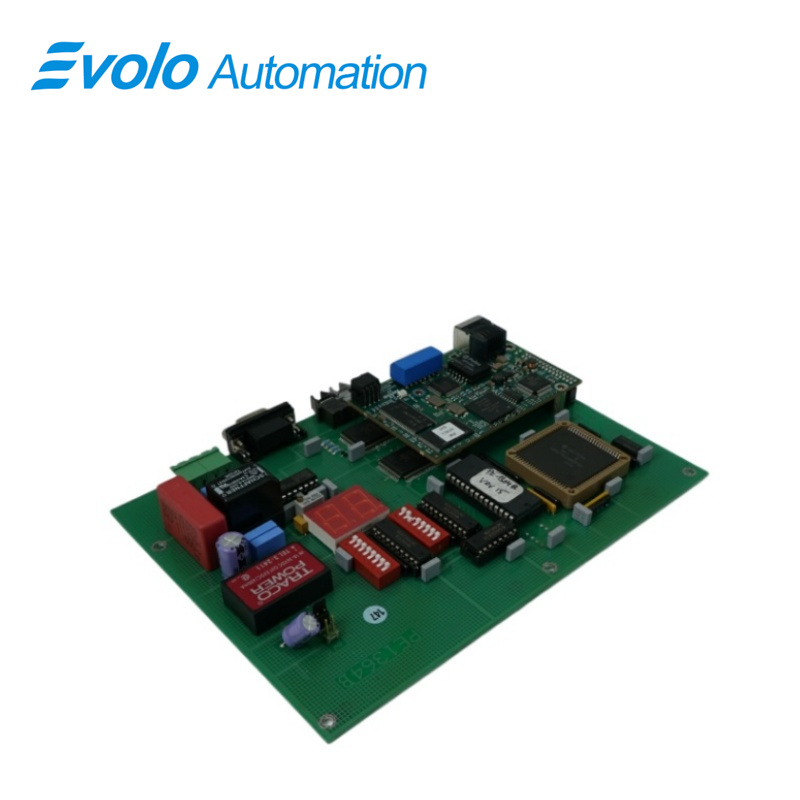
PE1364B is a protocol converter designed to read data traffic on DDCS communication and make the data available on ModBus TCP. It can also act as Slaves 1-8 on the Modulbus (DDCS). This give possibility to transfer data from AC80/AC800 to Modbus TCP. The unit is enclosed in a metal box with connection terminal for Power supply. Connector type 9 pins Dsub for Service port RS232 (Mudbus RTU 9600Baud). The ModuleBus (DDCS) has optical fiber for transmit and received data. Modbus TCP connection is made with RJ45 ethernet connector.
Applications
Power plants: Upload operating data from excitation systems or converters to the central control system via Ethernet.
Steel and iron smelting plants: Monitor real-time communication traffic of large rolling mill drive systems.
Paper mills: Used for data exchange and remote diagnostics of paper machine control systems.
Petrochemical plants: Utilize fiber optic isolation for secure data transmission in explosion-proof or high-interference environments.
Marine propulsion plants: Used for protocol conversion in marine electric propulsion systems.
Competitive Advantage
Multi-protocol integration: Allows the AC80/AC800 to simulate up to 8 Modulbus slaves, greatly enhancing system compatibility.
Fiber optic isolation: Achieves perfect electrical isolation through DDCS fiber optic communication, adapting to extremely harsh industrial noise environments.
Industrial-grade design: Rugged metal enclosure with extremely high EMC immunity.
FAQ
Q: What is the difference between the PE1364B and PE1364DM?
A: The PE1364B is a converter for Modbus TCP, while PE1364DM is a converter for Profibus DP.
Q: What is the maximum number of DDCS nodes the PE1364B module supports?
A: In standard configuration, the PE1364B supports a maximum of 18 DDCS nodes and 8 datasets.
Q: Is the service port on the PE1364B module only for debugging?
A: It can be used for service configuration and supports reading basic status information via the Modbus RTU protocol, but primary communication is still performed via the Ethernet port.
Q: How do I obtain the IP address information of the PE1364B?
A: The IP address is usually initially set using the AnyBus dedicated configuration tool or via the service port, ensuring it is on the same network segment as the factory production network.
Q: Can the PE1364B be installed directly in an environment with strong electromagnetic interference?
A: Yes. Its DDCS terminal uses fiber optic communication, which is physically immune to electromagnetic interference, making it suitable for high-voltage frequency conversion and power system communication.