EN
EN




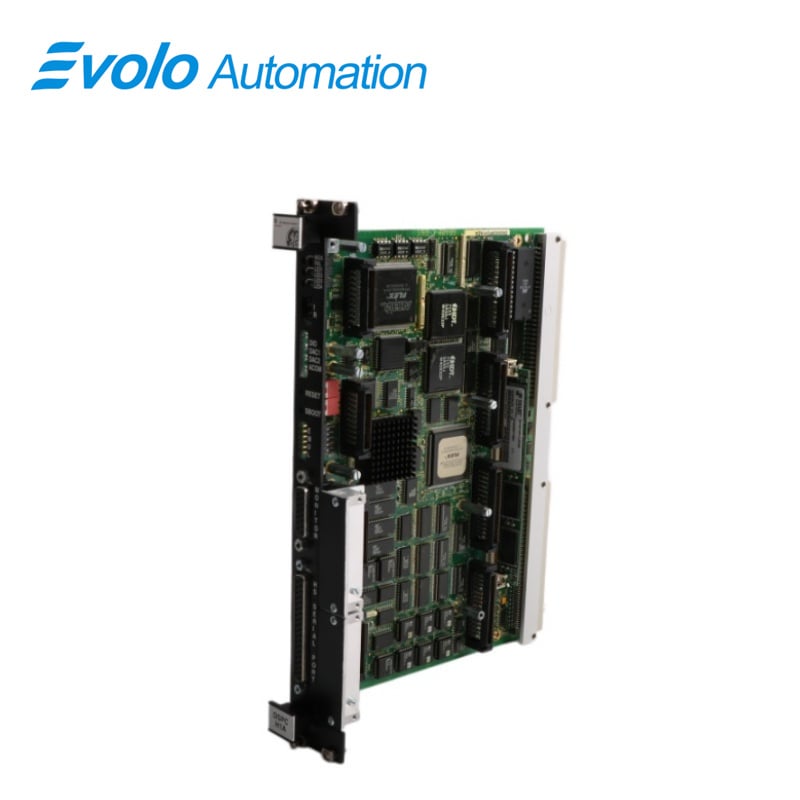
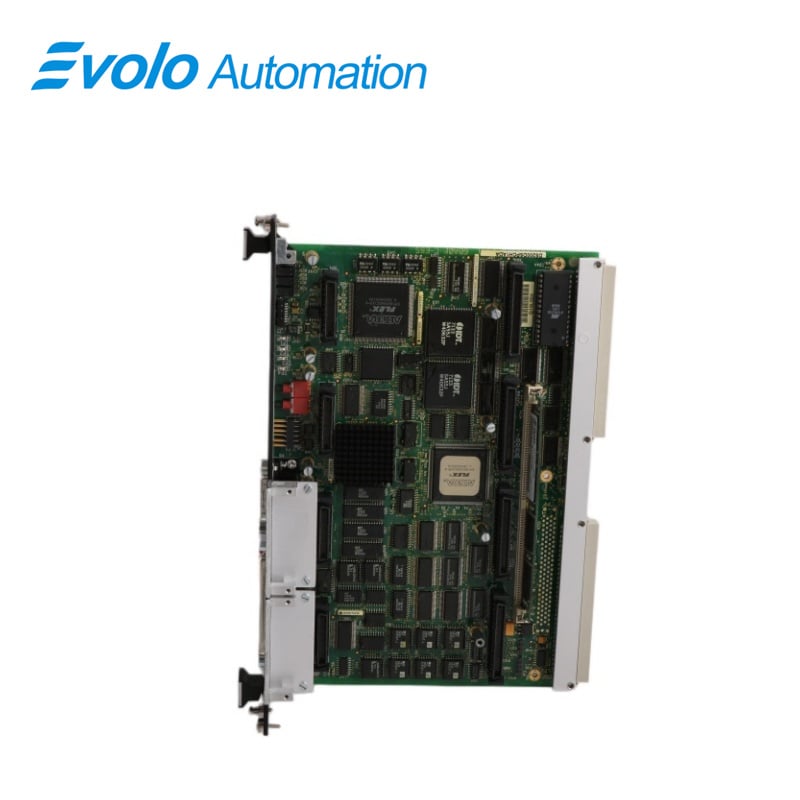
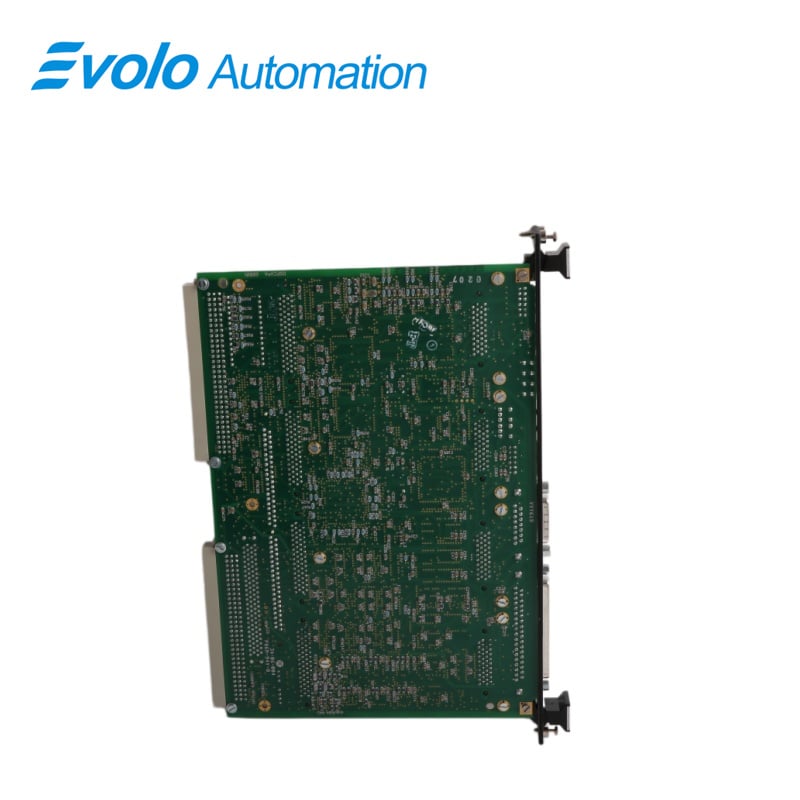
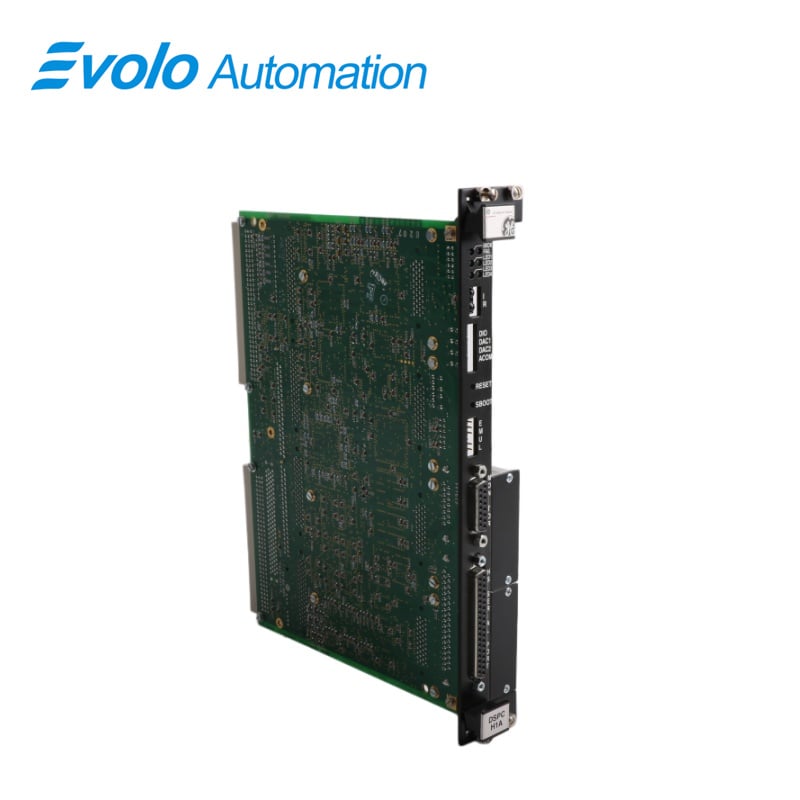
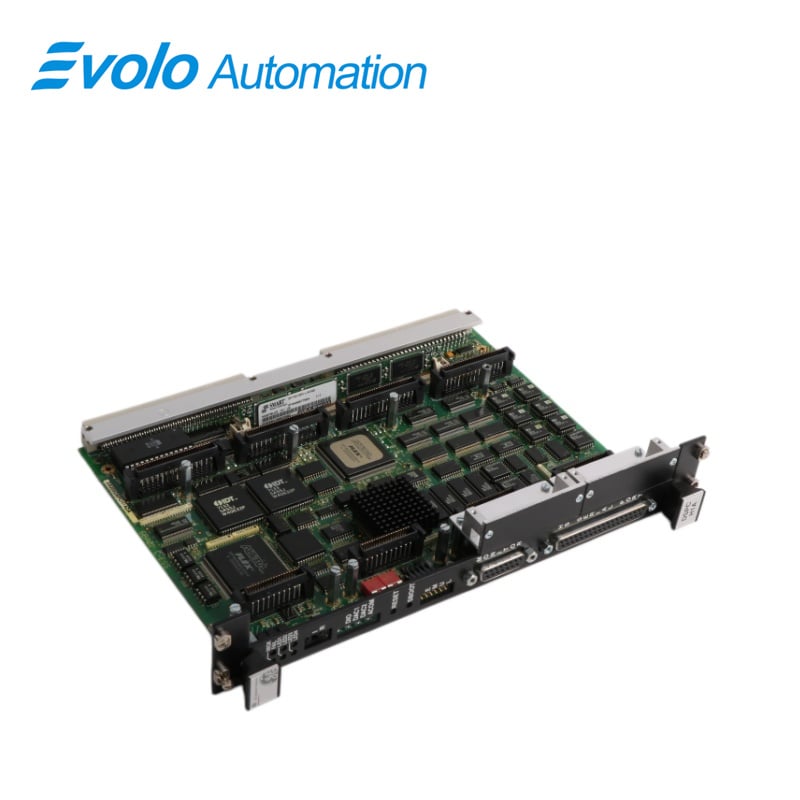
DS200DSPCH1A DS200DSPCH1ADA Digital Signal Processor Control Board
Email: [email protected]
whatsApp: +86-18150117685
- Overview
- Specifications
- Description
- Applications
- FEATURES
- Advantages
- FREQUENTLY ASKED QUESTIONS
- Recommended Products
Overview
Place of Origin: |
USA |
Brand Name: |
GE |
Model Number: |
DS200DSPCH1A DS200DSPCH1ADA |
Packaging Details: |
Original new Factory Sealed |
Delivery Time: |
5-7 days |
Payment Terms: |
T/T |
Supply Ability: |
In stock |
Specifications
|
Part Number |
DS200DSPCH1A, DS200DSPCH1ADA |
|
Manufacturer |
General Electric |
|
Series |
Mark V |
|
Product Function |
Digital Signal Processor Control Board |
|
Power Requirements |
+5 V DC, 6 A |
|
Number of Relay Channels |
12 |
|
Trip Solenoid Rating |
125 V DC |
|
Power Supply Voltage |
28 V DC |
|
Voltage Range |
18–32 V DC |
|
Mounting Option |
DIN-rail mounting |
|
Operating Temperature |
-30 to +65 °C |
|
Dimensions |
4 x 18.6 x 26.1 cm |
|
Weight |
0.48 kg |
|
VME Bus Connectors |
P1 and P2 |
|
PLC Compatibility |
GE Fanuc 90/70 |
|
VME Bus Slave |
A24/D16, 8K dual-ported SRAM |
|
VME Bus Master |
Supports bus transfer cycle and arbitration |
|
Bus Control |
SRAM-based FPGA |
|
Bus Configuration |
Programmable logic device, reconfigurable |
|
VME I/O |
Asynchronous, timeout for non-responding addresses |
|
Program Storage |
Flash memory on removable SIMM |
|
Configurable Items |
Socket-mounted EEPROM |
|
Execution |
High-speed static RAM after startup |
|
Flash EPROM |
Supports downloading and updating real-time code and EPLD logic |
|
Logic Devices |
SRAM-based FPGAs and EPLD programmable logic |
|
Surface-Mounted Devices |
In-circuit programmable for ready generation, chip selection, boot control, ISP serial interface |
Description
DS200DSPCH1A DS200DSPCH1ADA is a Digital Signal Processor Control Board manufactured and designed by General Electric as part of the Mark V Series used in GE Speedtronic Control Systems.The DS200DSPCH1A DS200DSPCH1ADA board (DSPC) is a high-performance processor board based on a digital signal processor that provides computational capacity and communications bandwidth for direct control of high-performance power converters applications such as uninterruptable power sources (UPS), active filters dynamometers, wind turbines, high performance drives, and large multi-bridge power converters. The board plugs into one slot of a VME rack but occupies two slots of space (for the quantity of one to four daughterboards).The DSPC board can serve as a master or slave device, yet it provides its program memory and expandable local high speed I/O for direct interface to control signals without using the VME datapath.
Applications
Industrial Steam Turbine Control: Precise control of key parameters such as steam turbine speed and load.
Industrial Gas Turbine Control: Used for gas turbine start-up, shutdown, speed, and load control.
High-Performance Drive Control: Applied to motor drive systems requiring precise control.
Power Converter Applications: Such as uninterruptible power supplies (UPS), active power filters, etc.
Dynamometer Control System.
Wind Power Generation System Control.
FEATURES
The DSPC board provides optional VME bus interface connectors (P1 and P2) that are compatible with the GE Fanuc 90/70 Programmable Logic Controllers (PLCs). The DSPC board can function as an A24/D16 VME bus slave with an 8K dual-ported SRAM interface.
The board can also function as a VME bus master to initiate a bus transfer cycle, including bus arbitration. VME bus access is controlled in a configurable static random access memory (SRAM) based field programmable gate array (FPGA) device.
Bus interface configuration information resides in a programmable logic device that can be reconfigured as required for a specific application (this method minimizes manual jumpers). VME bus I/O is asynchronous and a timeout is provided for non- responding addresses.
Program and FPGA logic configuration data is stored in flash memory on a removable SIMM, while configurable items for applications are stored in a socket- mounted EEPROM. Program code is executed from high-speed static RAM after startup.
Flash EPROM facilitates the downloading and updating of the application's real-time code and erasable programmable logic device (EPLD) logic. Logic is concentrated in a combination of SRAM-based FPGAs and EPLD programable logic devices.
Surface-mounted in-circuit programmable devices are used for the ready generation, chip selection, and boot control logic (these devices are programmed by an in-system programmable [IsP] serial interface).
Advantages
High-performance digital signal processing: The GE DS200DSPCH1ADA employs a dedicated digital signal processor, capable of efficiently executing complex signal processing algorithms to meet the demands of real-time control applications.
Direct interface control: This control board features independent program memory and scalable local high-speed I/O, allowing direct interface with control signals without relying on the VME data path, thus improving control efficiency and response speed.
Flexible master/slave operation: The GE DS200DSPCH1ADA can function as either a master or slave in a PROFIBUS DP network, providing flexible system integration options.
Scalable I/O capabilities: The DS200DSPCH1ADA is designed with scalable inputs and outputs to adapt to different system configurations and requirements.
Built-in signal conditioning circuitry: Through an integrated daughterboard, the GE DS200DSPCH1ADA can scale, buffer, isolate, and condition input signals, ensuring signal quality and reliability.
Comprehensive protection functions: Typically equipped with overvoltage and overcurrent protection mechanisms, enhancing the safety of the control board and the entire system.
FREQUENTLY ASKED QUESTIONS
1.What is a DS200DSPCH1A DS200DSPCH1ADA Digital Signal Processor (DSP) Control Board?
A DSP Control Board is a hardware component that incorporates a Digital Signal Processor, a specialized microprocessor designed for efficiently processing digital signals. It is used in various applications such as audio processing, telecommunications, and control systems.
2.What is the role of a DS200DSPCH1A DS200DSPCH1ADA DSP Control Board in a system?
The DSP Control Board is responsible for executing signal processing algorithms in real-time. It takes in analog or digital signals, processes them using DSP algorithms, and produces output signals. It plays a crucial role in applications requiring high-speed and precision signal processing/
3.How does a DS200DSPCH1A DS200DSPCH1ADA DSP Control Board differ from a general-purpose microcontroller?
DSP Control Boards are optimized for processing signals, and performing tasks like filtering, modulation, and convolution efficiently. They often have specialized instruction sets and hardware accelerators for these tasks, making them more suitable for real-time signal processing compared to general-purpose microcontrollers.