EN
EN




- Overview
- Specifications
- Description
- Applications
- Features
- Benefits
- Design and Integration
- FAQ
- Recommended Products
Overview
Place of Origin: |
USA |
Brand Name: |
Woodward |
Model Number: |
5464-210 |
Packaging Details: |
Original new Factory Sealed |
Delivery Time: |
5-7 days |
Payment Terms: |
T/T |
Supply Ability: |
In stock |
Specifications
|
Parameter |
Value |
|
Model |
5464-210 |
|
Product Type |
Actuator Driver Module |
|
Dimensions |
38.1 × 12.7 × 38.1 cm |
|
Weight |
0.6–1.0 kg |
|
Drive Channels |
2 independent actuator drive channels per module |
|
Output Signal Range |
0–25 mAdc or 0–200 mAdc |
|
Physical Structure |
Slot-based card design |
|
System Interface |
VME Bus Interface (VME-bus) |
|
Indicator |
FAULT LED Fault Indicator |
Description
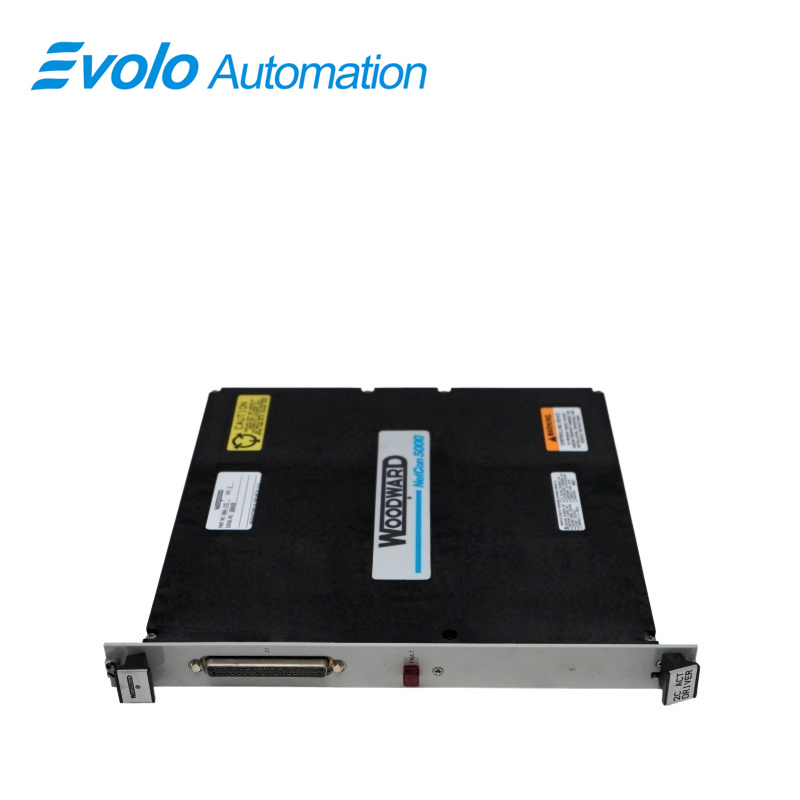
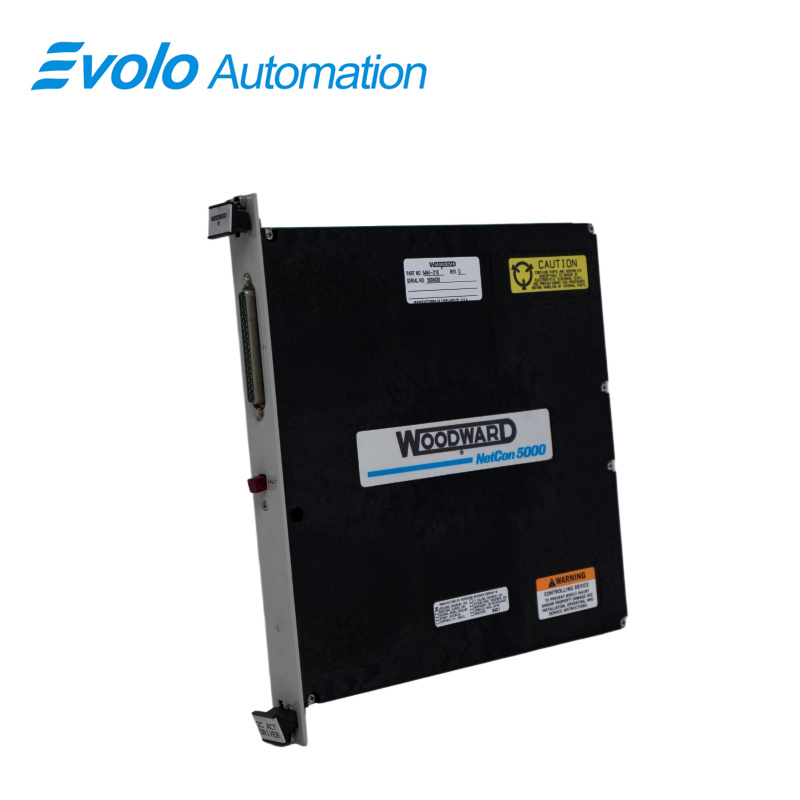
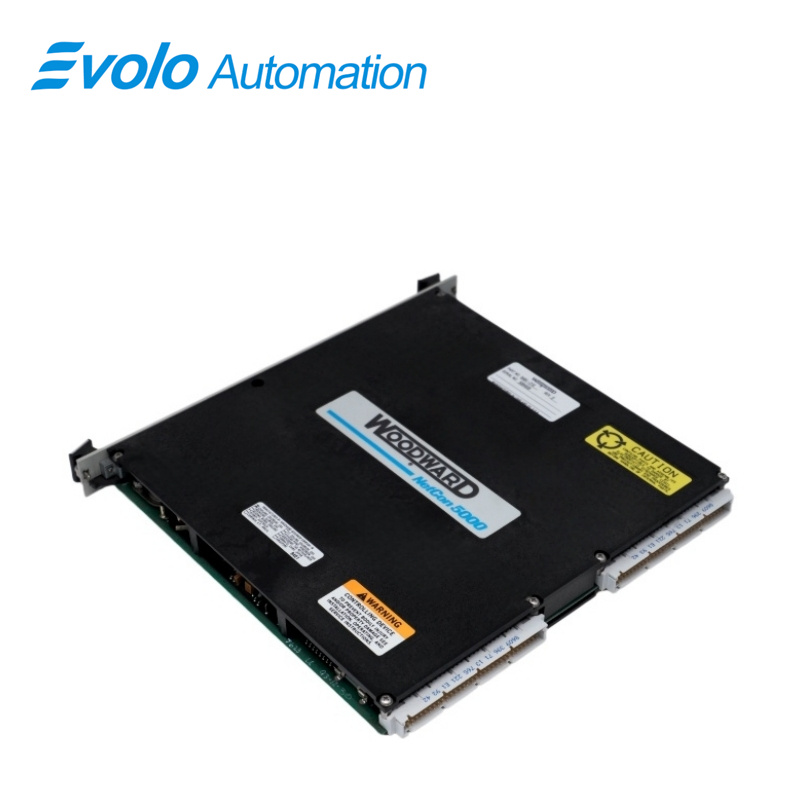
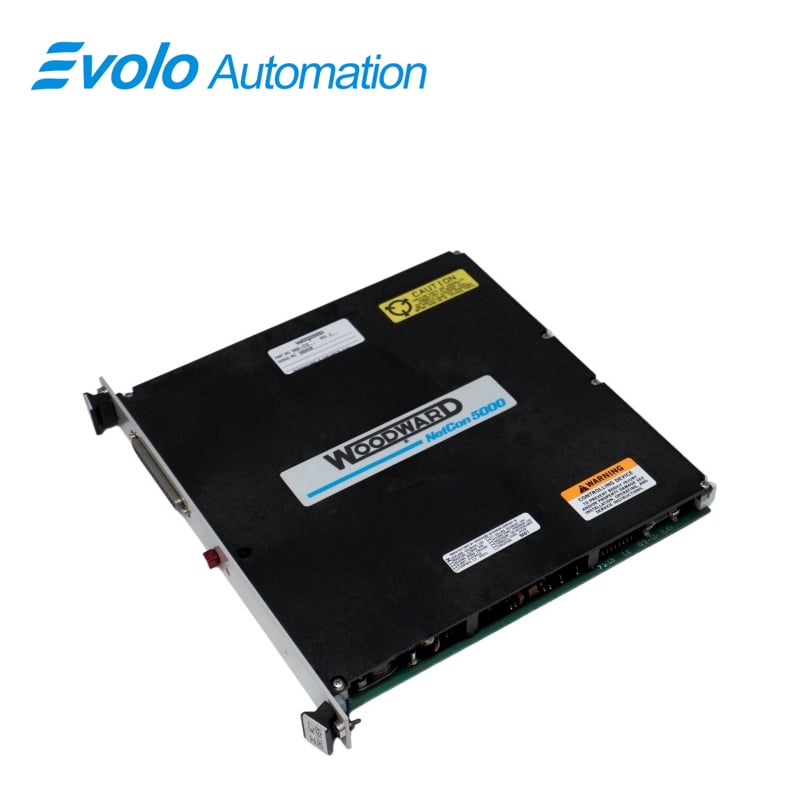
5464-210 is an Actuator Driver Module developed by Woodward. This module receives digital commands from a CPU and generates proportional actuator-driver signals for driving the system's actuators. It offers highly accurate signal scaling and feedback monitoring to ensure reliable and precise operation.
Applications
Thermal power plant: Used in DEH turbine control systems to directly drive high-pressure servo valves and main steam valves for precise regulation.
Heavy chemical plant: Installed in compressor anti-surge control racks, providing independent channels for fuel gas and bypass valve modulation.
Shipbuilding yard: Applied in marine diesel engine governor systems, using rugged plug-in design to withstand continuous vessel vibration.
Aviation engine test facility: Used in ground test rigs for fuel metering valve closed-loop control, enabling fast response to engine load changes.
Features
Proportional actuator-driver outputs:
The module provides four actuator control outputs with selectable ranges from 0–25 mA DC or 0–200 mA DC, supporting different actuator types in industrial systems.
Dual-port memory interface:
Output values are written via VME bus into dual-port memory, ensuring synchronized and timely control signal transfer to actuators.
Microcontroller calibration:
An onboard microcontroller scales outputs using EEPROM-stored calibration data, enabling precise control and improved system stability.
Benefits
Robust design and monitoring features provide both reliability and safety, while the ability to handle multiple actuator signals allows for greater flexibility in system design.
By offering fault detection, calibration scaling and easy integration into control systems, this module ensures the smooth and reliable operation of industrial actuators, leading to enhanced system performance and reduced maintenance requirements.
Design and Integration
The actuator driver module is designed for panel-mount installation, which allows for easy integration into control panels. This feature makes it highly versatile and suitable for various industrial applications, simplifying installation and maintenance.
The module comes with user-friendly software tools that simplify its setup and maintenance. These tools enable users to configure the actuator driver module with ease, making the system more accessible and reducing the complexity typically associated with actuator control systems.
FAQ
Q: How many independent actuator drive channels does the 5464-210 include per module?
A: Includes 2 independent actuator drive channels.
Q: What physical structure does the 5464-210 use?
A: Uses a slot-based card design structure.
Q: What types of signals does the 5464-210 module generate?
A: Generates four proportional actuator-driver signals, adjustable within 0–25 mAdc or 0–200 mAdc.
Q: How does the 5464-210 communicate with the control system?
A: Communicates via VME-bus interface, writing output values to dual-port memory for real-time synchronization.
Q: What role does the microcontroller play in the 5464-210?
A: The microcontroller scales actuator driver signals using EEPROM-stored calibration constants to ensure accurate output.