EN




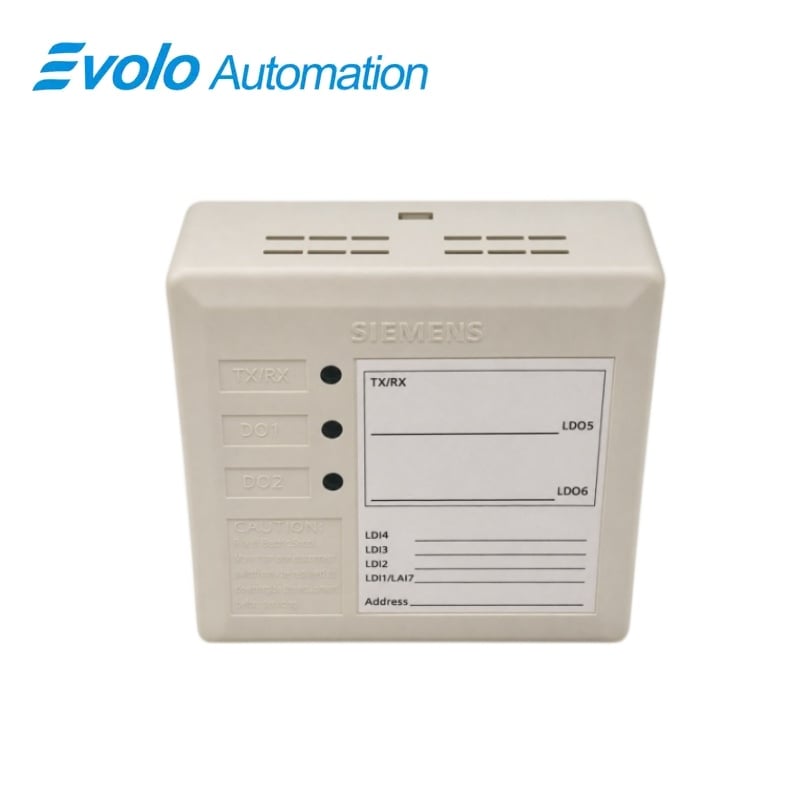
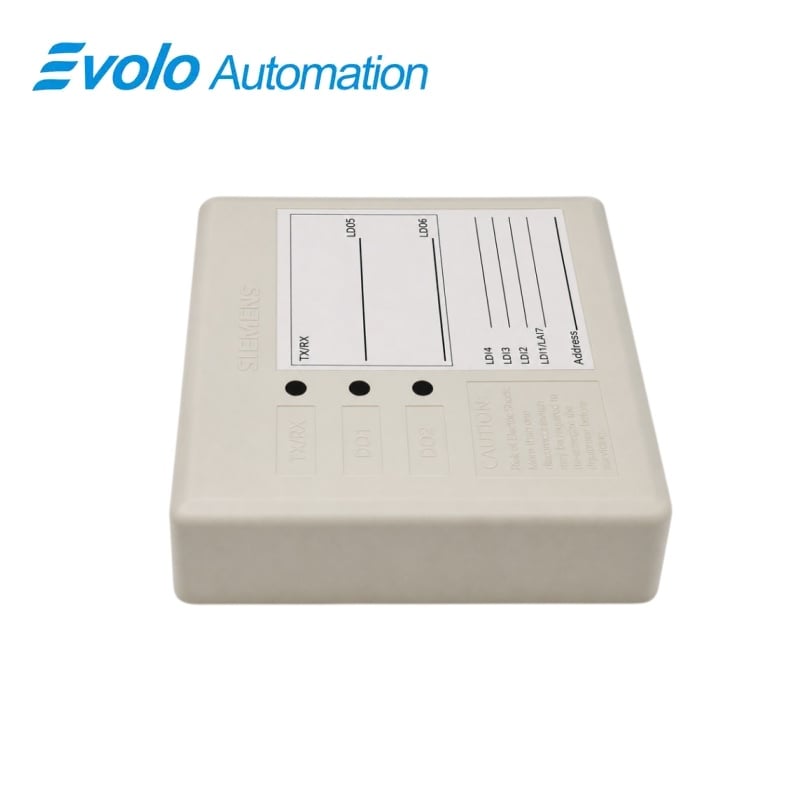
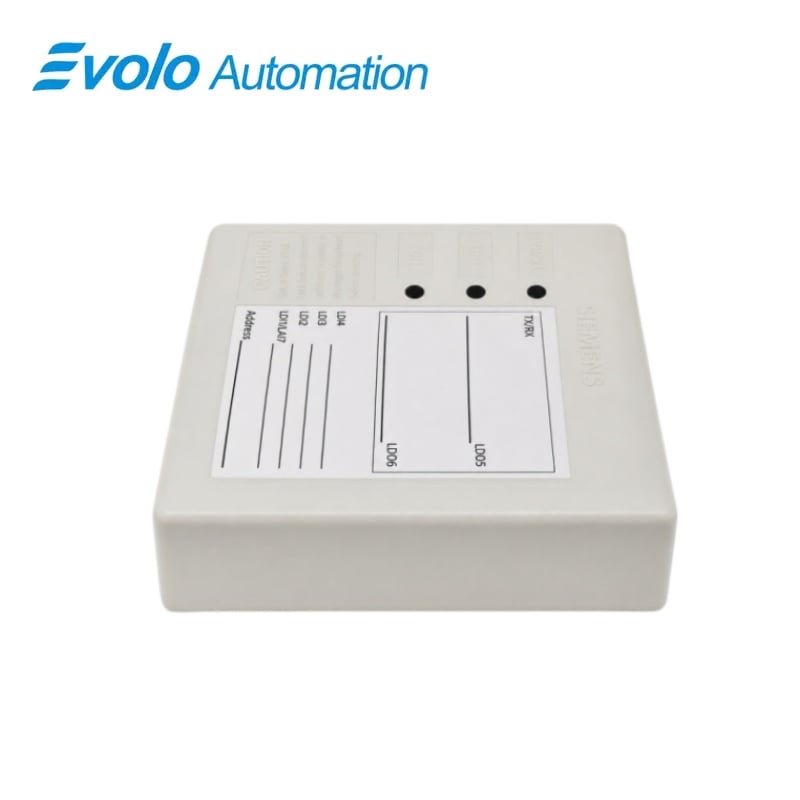
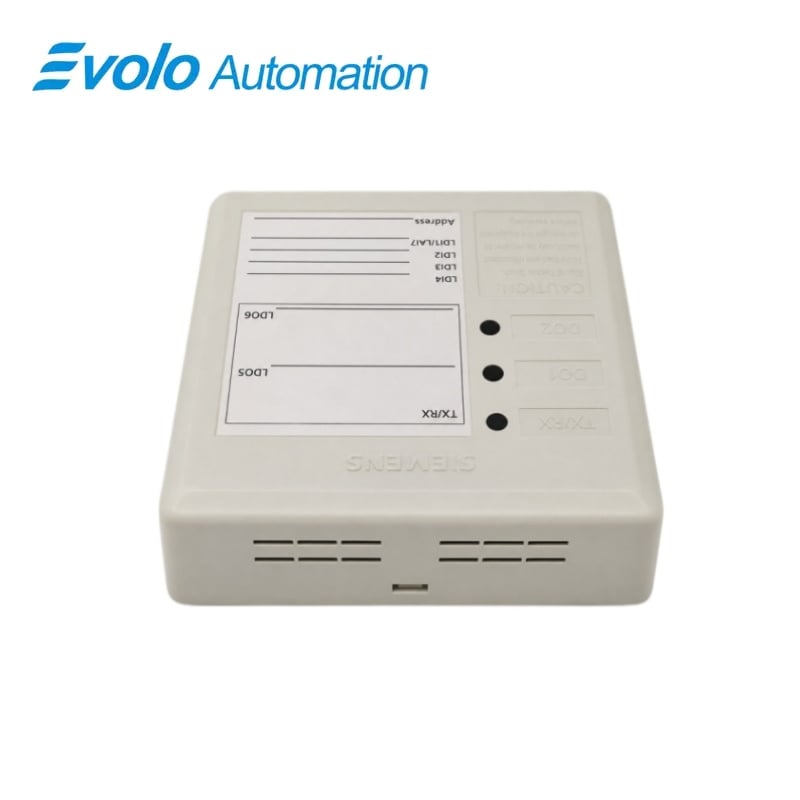
Siemens PPM-1U32.PPF APOGEE P1 FLN Point Pickup Module
Manufacturer: Siemens
Condition: Brand New
Lead Time: In Stock
Origin: China
Warranty: 12 Months
Email: [email protected]
whatsApp: +86-18150117685
- Overview
- Hot Selling Models
- Recommended Products
Overview
- Use a compatible P1 FLN or expansion-bus field panel and assign the module address.
- Provide the specified AC supply and set the sensor-mode slide switch for the connected input.
- Keep relay loads within the resistive or general-purpose rating and maintain the wiring barrier.
- Choose the junction-box mounting arrangement or the separately ordered DIN-rail kit.
PPM-1U32.PPF APOGEE P1 FLN Point Pickup Module
An Asia-Pacific PPM with fixed terminals, configurable thermistor or contact sensing, dry-contact inputs and two relay outputs.
At a Glance
| Brand | Siemens |
|---|---|
| Model | PPM-1U32.PPF |
| Product Type | Building-control I/O expansion module |
| Core Function | Expanding field-panel input and output points |
| Application | APOGEE panels with P1 FLN or expansion-bus capability |
Configurable sensing point
A slide switch selects a 10 kΩ Type II NTC thermistor or a dry-contact digital input.
Digital point expansion
Fixed digital inputs and normally open relay outputs extend field-panel connections.
Automatic communication recovery
The module resumes network communication after a power interruption without operator intervention.
Product Overview
PPM-1U32.PPF adds primarily digital field points to a compatible APOGEE panel.
The P1 FLN or expansion-bus module combines one switch-configurable analog/digital input, three fixed digital inputs and two relay outputs in a junction-box-mountable housing.
Key Functions
Configurable sensing point
A slide switch selects a 10 kΩ Type II NTC thermistor or a dry-contact digital input.
Digital point expansion
Fixed digital inputs and normally open relay outputs extend field-panel connections.
Automatic communication recovery
The module resumes network communication after a power interruption without operator intervention.
Official Specifications
| Supply voltage and frequency | 19.2–28.8 V AC; 50 or 60 Hz |
|---|---|
| Power consumption | 4 VA |
| I/O allocation | 1 configurable AI/DI, 3 fixed digital inputs and 2 digital outputs |
| Analog sensor type | 10 kΩ Type II NTC thermistor |
| Digital-input functions | Dry contact or LPACI |
| Relay contact ratings | Form A normally open, shared common; 24–250 V AC, 3 A resistive or 2 A general purpose |
| Communication rates | 4,800 default; auto-detect 9,600, 19,200, 38,400, 57,600 or 115,200 bit/s |
| Address selection | 8-bit DIP switch |
| Local communication interface | None |
| Temperature-monitoring accuracy | ±0.25 °F over 55–95 °F (13–35 °C) |
| Temperature failure thresholds | Point displays FAILED below 20 °F (−6.7 °C) or above 120 °F (48.9 °C) |
| Operating environment | 0–50 °C; 5–95% RH, non-condensing |
| Storage ambient | −40 to +70 °C |
| Terminal version | Fixed terminal blocks |
| Dimensions and weight | 114.3 × 114.4 × 34.5 mm; 0.5 lb |
Frequently Asked Questions
Can I change the configurable input of PPM-1U32.PPF from a contact to a temperature sensor?
A slide switch selects dry-contact input or a 10 kΩ Type II NTC thermistor.
Which field-panel network is used by PPM-1U32.PPF?
The module communicates on a P1 FLN or a compatible field-panel expansion bus.
Will PPM-1U32.PPF rejoin the network automatically after a power interruption?
The module recovers and resumes communication without operator intervention.
Can I use an ordinary DC supply for the specified power input of PPM-1U32.PPF?
The specified input is 19.2–28.8 V AC at 50 or 60 Hz.
Why can the temperature point on PPM-1U32.PPF show FAILED at a low outdoor temperature?
The point displays FAILED when its temperature falls below 20 °F, or approximately −6.7 °C.
What accessory is needed to mount PPM-1U32.PPF on a DIN rail?
Use the separately supplied PPM-DINKIT mounting kit.
How does PPM-1U32.PPF separate high-voltage and low-voltage junction-box wiring?
An integrated removable barrier separates the wiring areas.