EN
EN




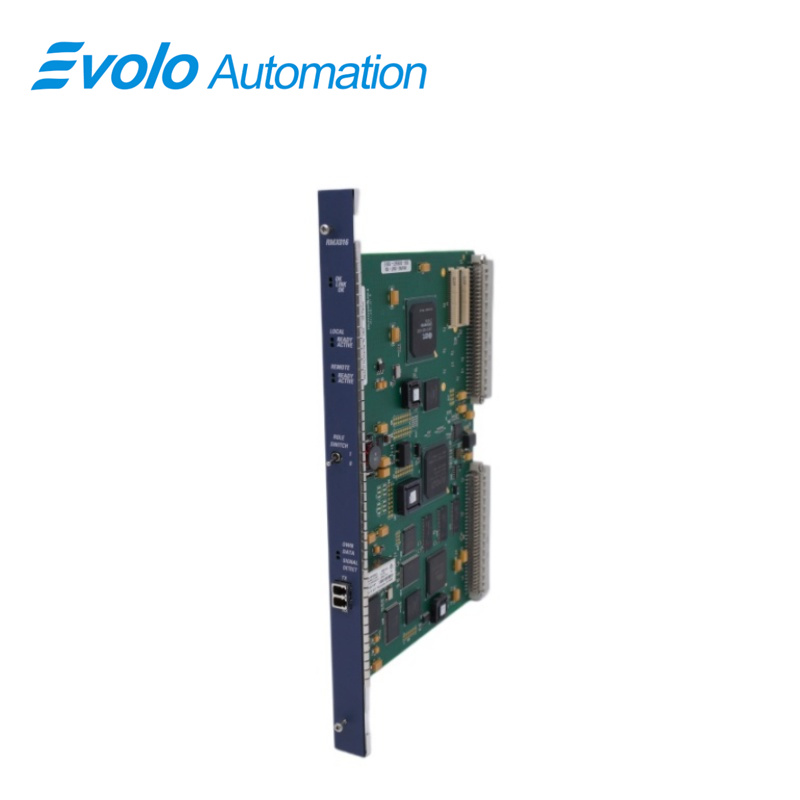
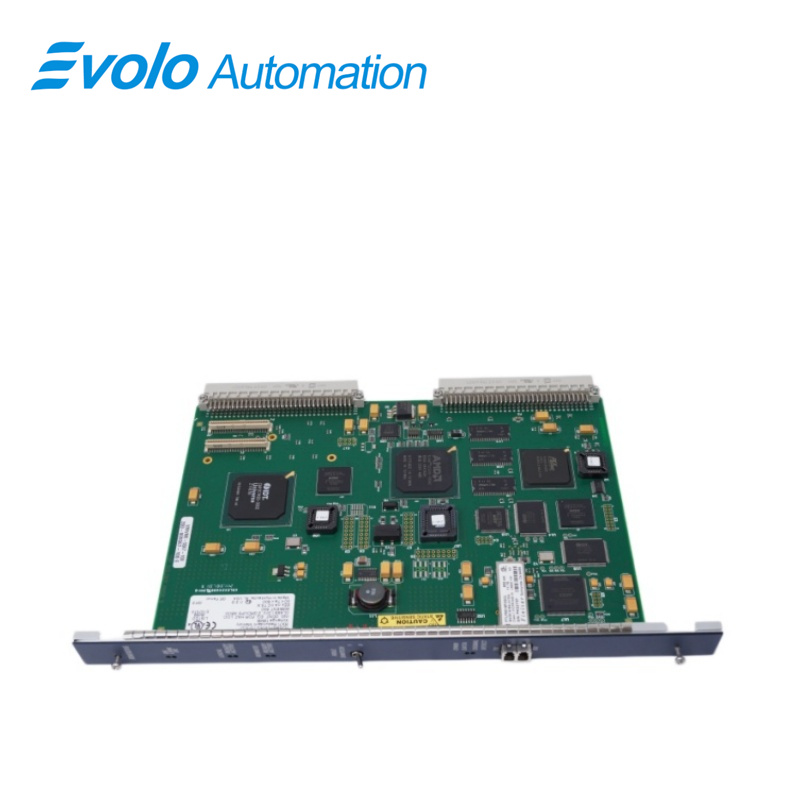
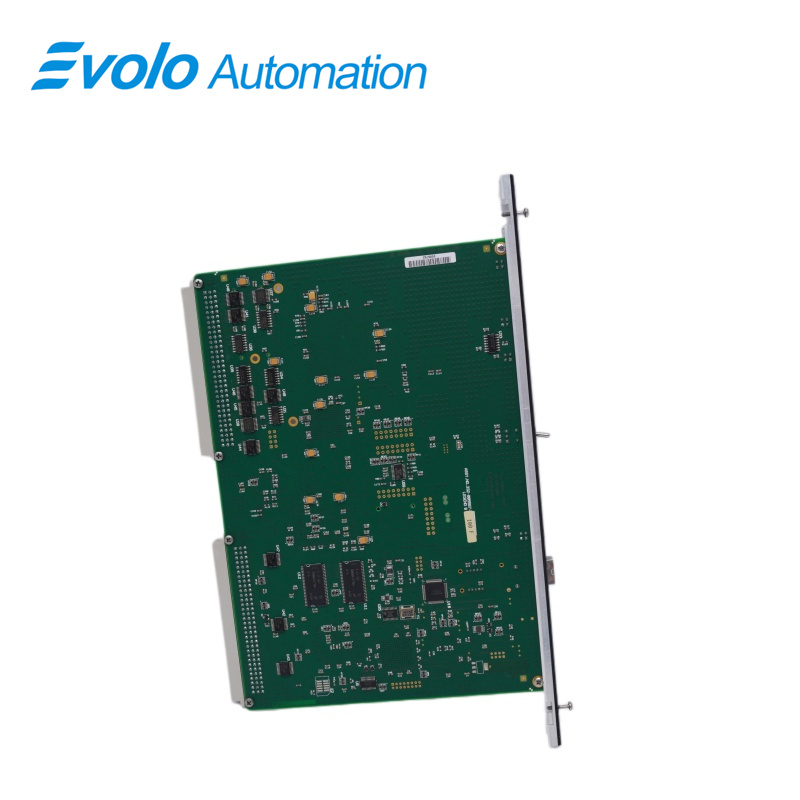
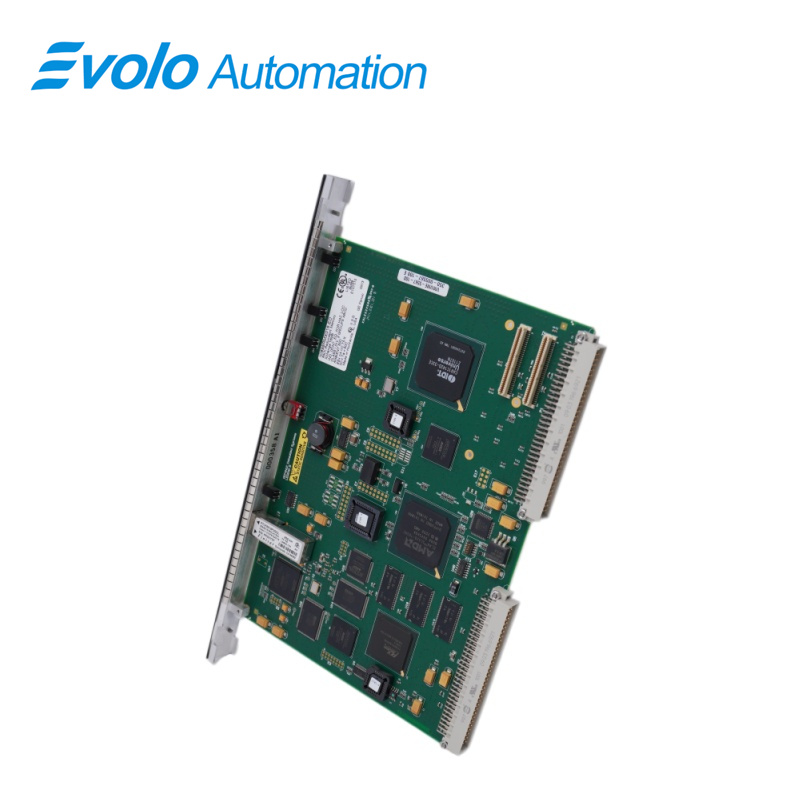
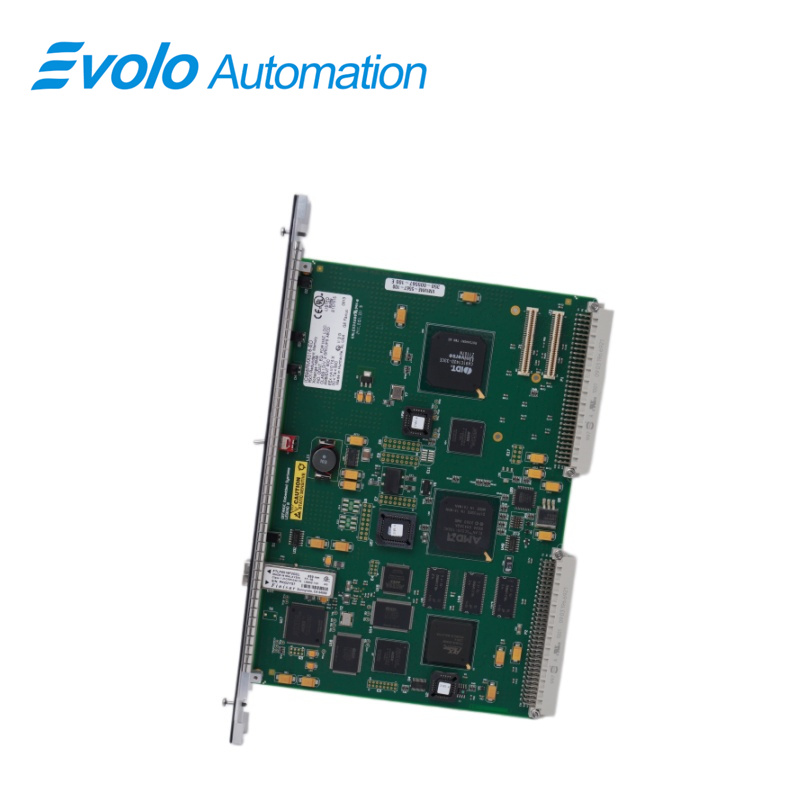
IC698RMX016 Redundancy Memory Xchange (RMX) module
Email: [email protected]
whatsApp: +86-18150117685
- Overview
- Specifications
- Description
- Applications
- Features
- Installation
- FAQ
- Recommended Products
Overview
Place of Origin: |
USA |
Brand Name: |
GE |
Model Number: |
IC698RMX016 |
Packaging Details: |
Original new Factory Sealed |
Delivery Time: |
5-7 days |
Payment Terms: |
T/T |
Supply Ability: |
In stock |
Specifications
|
Model: |
IC698RMX016 |
|
Module Type: |
Redundancy Memory Xchange (RMX) Module |
|
Dimensions (HxWxD): |
2.1 x 18 x 29.2 cm |
|
Weight: |
0.3 kg |
|
User Memory: |
16 MB SDRAM |
|
Packet Size: |
Dynamic, automatically controlled by Memory Xchange module |
|
Operating Voltage: |
+5 VDC (from power supply) |
|
Current Requirements: |
1.8 A |
|
Connectors: |
Fiber optic LC type, IEC 61754-20; Zirconium ceramic ferrule |
|
Insertion Loss: |
0.35 dB maximum |
|
Return Loss: |
-30 dB |
|
Operating Temperature: |
-20°C to +85°C |
Description
The IC698RMX016 Redundancy Memory Xchange (RMX) module operates as a node on a reflective memory network or as a dedicated link between CPUs in a redundant RX7i system. When the RMX is not being used as a link in a redundancy system, it is functionally identical to the IC698CMX016 module. Each node in the network can be any reflective memory device that is compatible with the 5565 family. Whenever data is written to one node, all nodes on the network are automatically updated with the new data. When used as a node on a reflective memory network, the RMX module provides deterministic sharing of data among PLCs and other computing devices on a high-speed fiber optic network. A reflective memory network can contain up to 256 nodes.
Applications
Nuclear and large thermal power plants: Ensure microsecond-level switching of generator protection systems and turbine controls in the event of main unit failure.
Oil and gas refineries: Used for emergency shutdown (ESD) systems in critical reactor temperature control and high-pressure pipelines.
Large steel mills: Ensure controller redundancy for uninterrupted processes such as blast furnace cooling systems and continuous casting lines.
Semiconductor and chip manufacturing plants: Prevent control failures from causing the scrapping of entire batches of expensive wafers, maintaining a stable production environment.
Features
PACSystems RX7i single slot form factor.
16 Mbytes reflective memory with parity.
Software configuration of all node parameters (no jumper or switch settings required).
High-speed easy-to-use 2.12 Gbaud fiber-optic network.
No RX7i CPU processing required to operate the network.
Network-compatible with VMIC 5565 family of reflective memory devices.
Connection with multimode fiber up to 300m /984.25ft.
Dynamic packet sizes of 4 to 64 bytes, controlled by the Memory Xchange module.
Maximum network transfer rate of 43 Mbyte/s (4 byte packets) to 174 Mbyte/s (64 byte packets).
Programmable VMEbus interrupt output.
Four general purpose network interrupts with 32 bits of data each.
Network error detection.
Up to 256 nodes per network.
Redundant transfer mode operation. This optional mode reduces the chance of a data packet being dropped from the network.
Configurable network memory offset allows you to assign nodes on a network to groups according to the 16MB segment in the network address space that they use.
Installation
Make sure you have the items listed below before you begin.
1 A PACSystems RX7i CPU with release 2.00 or higher firmware
2 A PACSystems Rx7i CPU rack with power supply.
3 Programming software: Machine Edition – Logic Developer PLC, version 4.5 or later (and 4 PCcompatible computer).
5 Cables. For details, see “Fiber optic Cables and Connectors” in the PACSystems RX7i Memory Xchange Modules User’s Manual, GFK-2300.
FAQ
Q: What is an IC698RMX016?
A: The IC698RMX016 is a Redundancy Memory Xchange module from the GE Fanuc RX7i Series.
Q: What does IC698RMX016 provide?
A: This module operates as a node on a reflective memory network or as a dedicated link between CPUs in a redundant RX7i system.
Q: What is reflective memory technology/a reflective memory network?
A: A reflective memory network can contain up to 256 nodes. Each node can be any reflective memory device that is compatible with the 5565 family. So, when data is written to one node, all nodes on the network are automatically updated with the new data.
Q: How are the nodes in a reflective memory network connected?
A: Each node is connected in a daisy-chained loop using fiber optic cables. The transmitter of the first node is tied to the receiver of the second. The transmitter of the second node is tied to the receiver of the third, and so on, until the loop is completed back at the receiver of the first node.
Q: When used as a node, what does the IC698RMX016 do?
A: When used as a node on a reflective memory network, the RMX module provides deterministic sharing of data among PLCs and other computing devices on a high-speed fiber optic network.