EN
EN




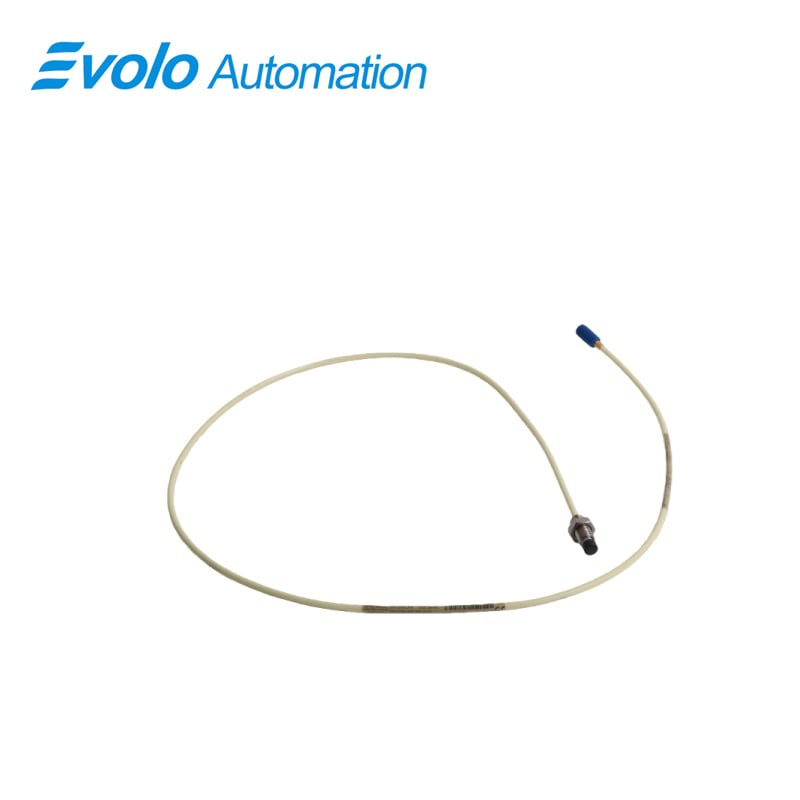
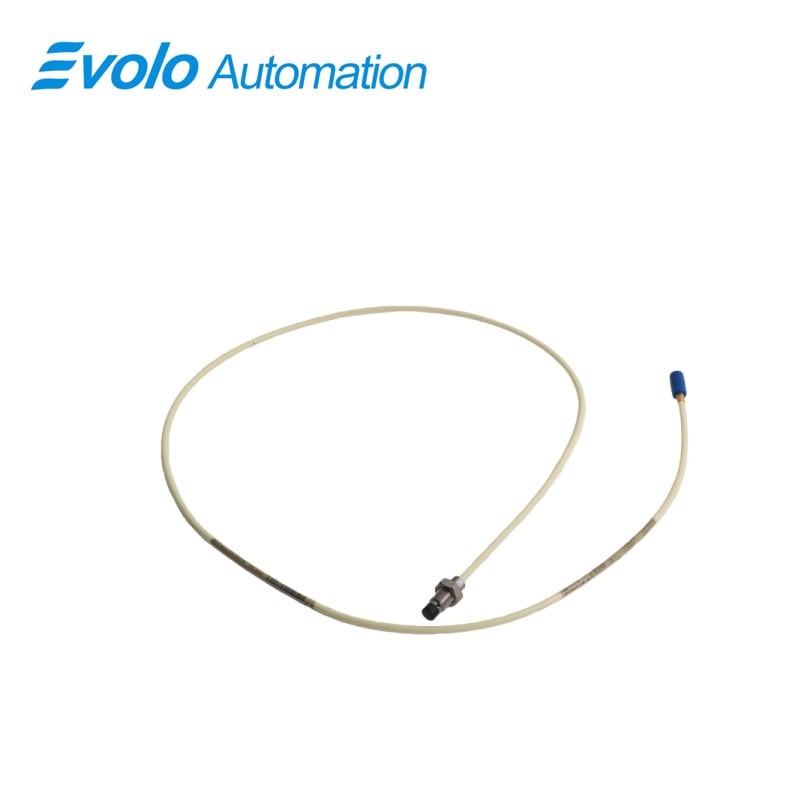
21504-000-008-10-02 Standard Mount Probe
Email: [email protected]
whatsApp: +86-18150117685
- Overview
- Product Overview
- Key Functions
- Official Specifications
- Frequently Asked Questions
- Compatibility & Ordering Notes
- Hot Selling Models
- Recommended Products
Overview
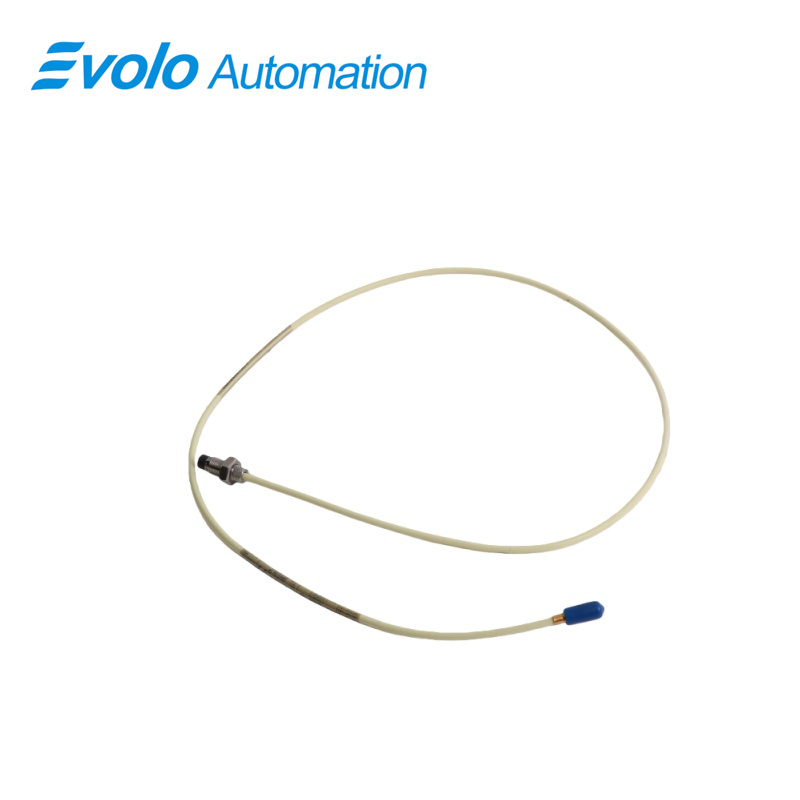
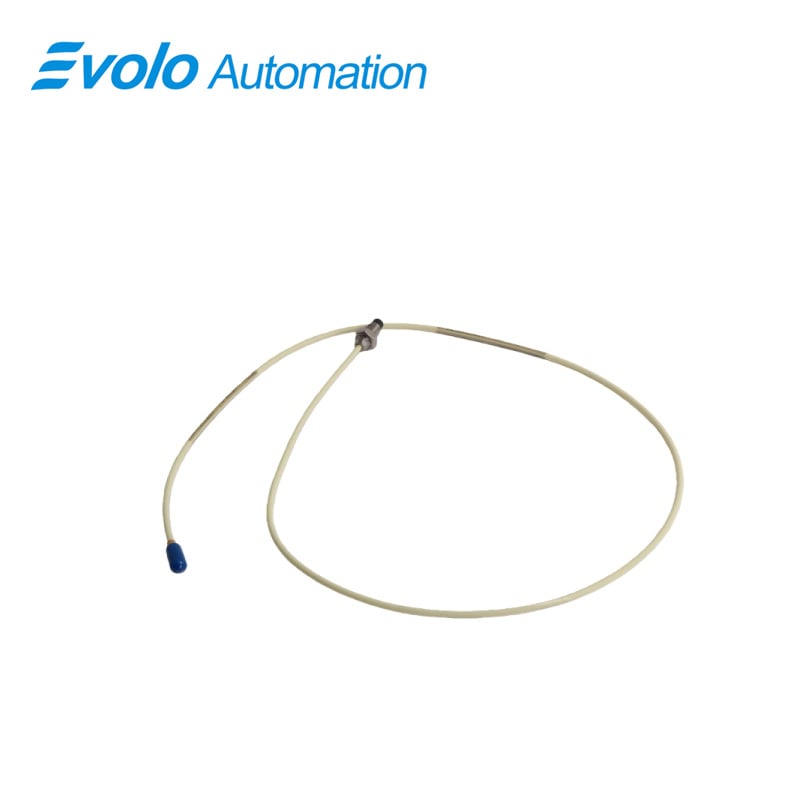
21504-000-008-10-02 Standard Mount Probe
At a Glance
Place of Origin: |
USA |
Brand Name: |
Bently Nevada |
Model Number: |
21504-000-008-10-02 |
Minimum Order Quantity: |
1 |
Packaging Details: |
Original new Factory Sealed |
Delivery Time: |
5-7 days |
Payment Terms: |
T/T |
Supply Ability: |
In stock |
Product Overview
Description
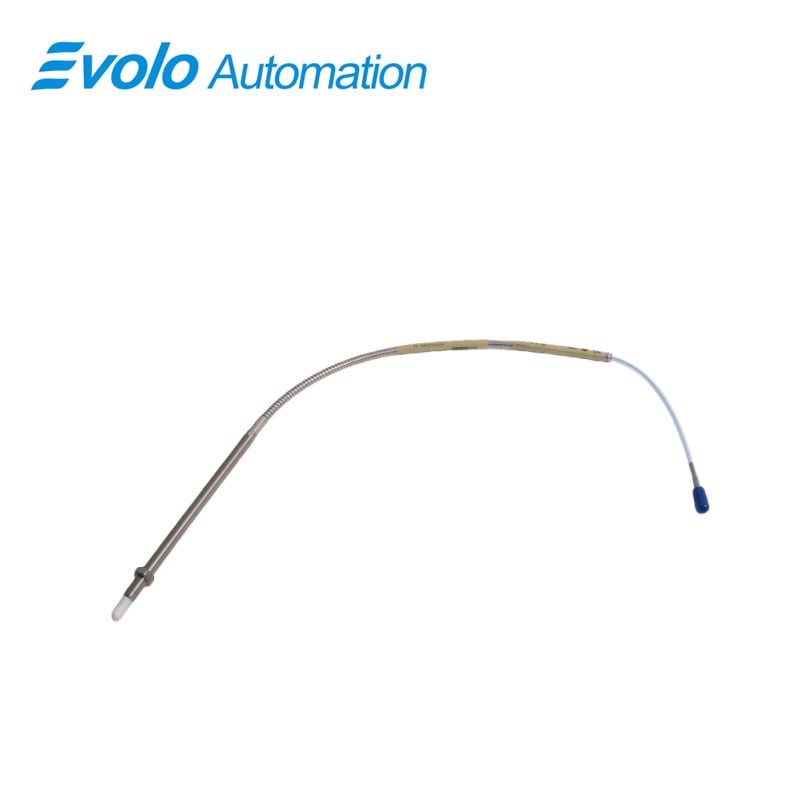
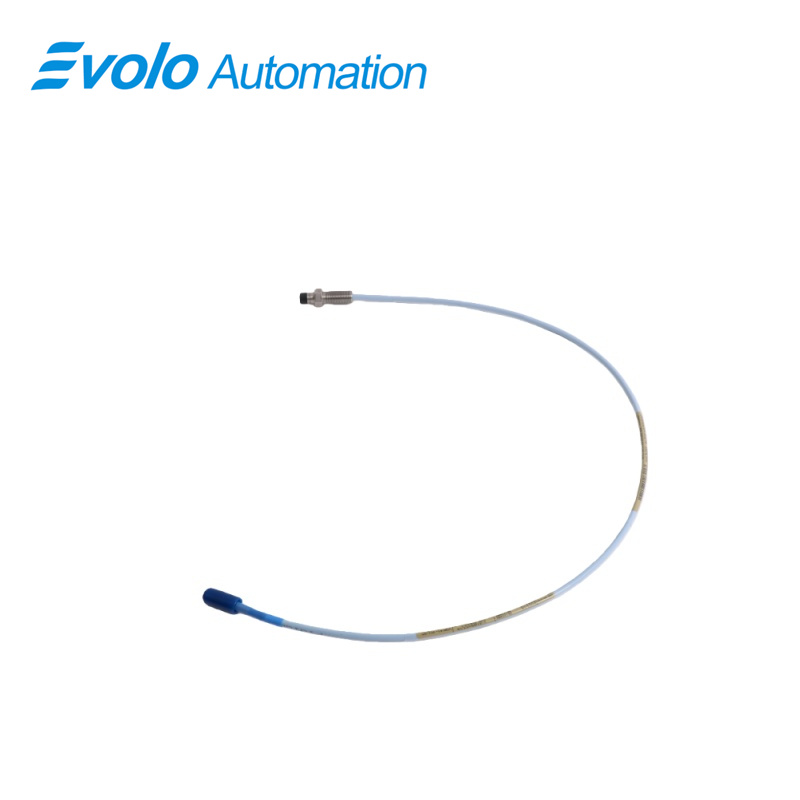
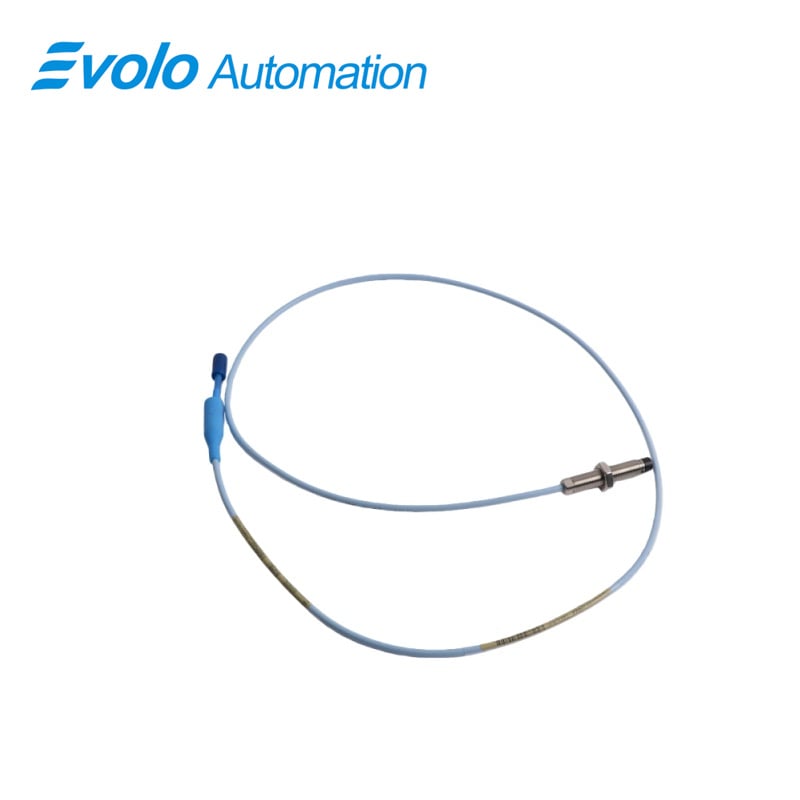
The 21504-000-008-10-02 Standard Mount Probe from Bently Nevada is a globally certified, high-performance eddy current proximity transducer designed for reliable shaft vibration and position monitoring in demanding and hazardous industrial environments. This standard mount probe embodies the industry-proven reliability of Bently Nevada's sensor technology in a versatile package, engineered to deliver precise, non-contact measurement of dynamic and static gaps between its sensing tip and a conductive target surface. As a core sensing component, it converts minute mechanical displacements into a stable, linear electrical signal, providing the critical data foundation for machinery protection systems (MPS) and predictive maintenance programs across a wide spectrum of rotating equipment.
This specific model is characterized by its robust construction and extended reach. It features a substantial total cable length of 10 meters, providing exceptional installation flexibility for large machinery or complex plant layouts where the monitoring system is located far from the measurement point. The probe incorporates an overall case length of 120 mm (4.724 in) with a defined unthreaded length of 8 mm (0.315 in), making it a true standard mount solution compatible with common mounting housings and brackets. It is equipped with a reliable miniature ClickLoc coaxial connector, ensuring a secure, vibration-resistant connection. Critically, this probe carries major international safety certifications, including CE, ATEX II 1G Ex ia IIC T4 Ga, and IECEx ia IIC T4 Ga approvals, authorizing its safe use in explosive atmospheres—a key requirement for oil & gas, chemical, and pharmaceutical applications.
Key Functions
Applications
The 21504-000-008-10-02 Standard Mount Probe is ideally deployed for critical vibration and position monitoring within classified hazardous areas, such as zones containing flammable gases or dust. Its CE, ATEX, and IECEx certifications make it a compliant and reliable choice for installation on gas compressors, fuel pumps, and agitators in refineries, offshore platforms, and chemical processing plants, where safety regulations mandate the use of intrinsically safe equipment to prevent ignition risks.
With its exceptionally long 10-meter integrated cable, this probe is perfectly suited for monitoring large-scale rotating equipment like steam turbines, gas turbines, and multi-stage compressors. The extended cable length allows for direct routing from the sensor on the machine casing to remote monitoring panels or junction boxes located at a safe distance, eliminating the need for intermediate junction boxes and simplifying installation while maintaining signal integrity over long runs.
This standard mount probe serves as a versatile, go-to solution for general-purpose condition monitoring on a wide array of industrial rotating machinery, including motors, fans, blowers, and centrifugal pumps. Its standardized 120 mm case length and 8 mm unthreaded length ensure compatibility with common mounting fixtures, facilitating easy installation, replacement, or system expansion. The 0 to 8 mm linear range provides sufficient span to effectively monitor both radial vibration for fault detection and axial position for thrust bearing protection.
Official Specifications
Quick Detail
|
Agency Approval Option: |
CE, ATEX II 1G Ex ia IIC T4 Ga, IECEx ia IIC T4 Ga |
|
Total Length Option: |
10 m |
|
Connector and Cable-Type Option: |
Miniature ClickLoc coaxial connector |
|
Unthreaded Length Option (Minimum unthreaded length): |
8 mm (0.315 in) |
|
Overall Case Length Option: |
120 mm (4.724 in) |
|
Dimension: |
1.5x1.3x106.5cm |
|
Weight: |
0.04kg |
Specifications
|
Operating Temperature Range: |
-40°C to +125°C (-40°F to +257°F) |
|
Linear Range: |
0 to 8 mm (0.000 in to 0.315 in) |
|
Output Resistance: |
50 Ω ± 2 Ω |
|
Supply Sensitivity: |
0.4 V/mA |
|
Power: |
Max 1.8 W |
|
Probe Tip Material: |
Polyphenylene sulfide (PPS) |
|
Probe Case Material: |
AISI 303 or 304 stainless steel(SST) |
Frequently Asked Questions
What is the model number?
The listed model number is 21504-000-008-10-02.
What is the brand name?
The listed brand name is Bently Nevada.
What is the place of origin?
The listed place of origin is USA.
What are the packaging details?
The listed packaging details are Original new Factory Sealed.
What is the delivery time?
The listed delivery time is 5-7 days.
Is this model available?
The listed supply status is In stock.
What are the payment terms?
The listed payment terms are T/T.
Compatibility & Ordering Notes
Competitive Advantage
1. Certified for Global Use in Hazardous Locations
This probe holds full ATEX and IECEx certifications for intrinsic safety (Ex ia), allowing its direct installation in Zone 0/1 hazardous areas without requiring external barriers in appropriately designed loops. This global compliance simplifies procurement, engineering, and maintenance for multinational operations in oil & gas, chemical, and pharmaceutical sectors, ensuring safety and reducing certification complexities.
2. Extended Cable Length for Maximum Installation Flexibility
Featuring a generous 10-meter (32.8-foot) factory-integrated cable, this probe offers unmatched installation flexibility. It is designed for large equipment and complex plants where measurement points are distant from monitoring systems, effectively reducing the need for field splices, additional conduit, or extension cables, which minimizes potential failure points and installation labor.
3. Robust and Precise Standard-Mount Design
Built with a stainless steel case and PPS tip, the probe is engineered for long-term durability in harsh environments. Its standard 120 mm case length and specified linear range of 0 to 8 mm provide a reliable, off-the-shelf solution that delivers accurate and repeatable measurements for both vibration and position, ensuring compatibility and performance across countless common industrial applications.
4. Secure Connectivity with ClickLoc Technology
The inclusion of the miniature coaxial ClickLoc connector ensures a positive-lock, vibration-proof connection between the probe cable and the system. This proprietary design prevents accidental disconnection in high-vibration environments, guaranteeing continuous signal transmission and data reliability, which is crucial for effective machinery protection.