EN
EN




- Overview
- Specifications
- Description
- Applications
- Competitive Advantage
- FAQ
- Recommended Products
Overview
Place of Origin: |
Sweden |
Brand Name: |
ABB |
Model Number: |
DSPC155 |
Packaging Details: |
Original new Factory Sealed |
Delivery Time: |
5-7 days |
Payment Terms: |
T/T |
Supply Ability: |
In stock |
Specifications
|
Parameter |
Value |
|
Type |
Processor Board |
|
Dimensions |
2 × 25.4 × 24.3 cm |
|
Weight |
0.45 kg |
|
Rated Voltage |
85–132 V AC |
|
Rated Frequency |
47–63 Hz |
|
Rated Current |
0.5 A |
|
Program Capacity |
16 MB |
|
Processing Capability |
Real-time multitasking, response time ≤ 1 ms |
|
Communication Interfaces |
Ethernet, RS232, RS485 |
|
Operating Temperature Range |
-40 °C to +70 °C |
|
Storage Temperature Range |
-40 °C to +85 °C |
|
Humidity |
5% – 95% RH (non-condensing) |
Description
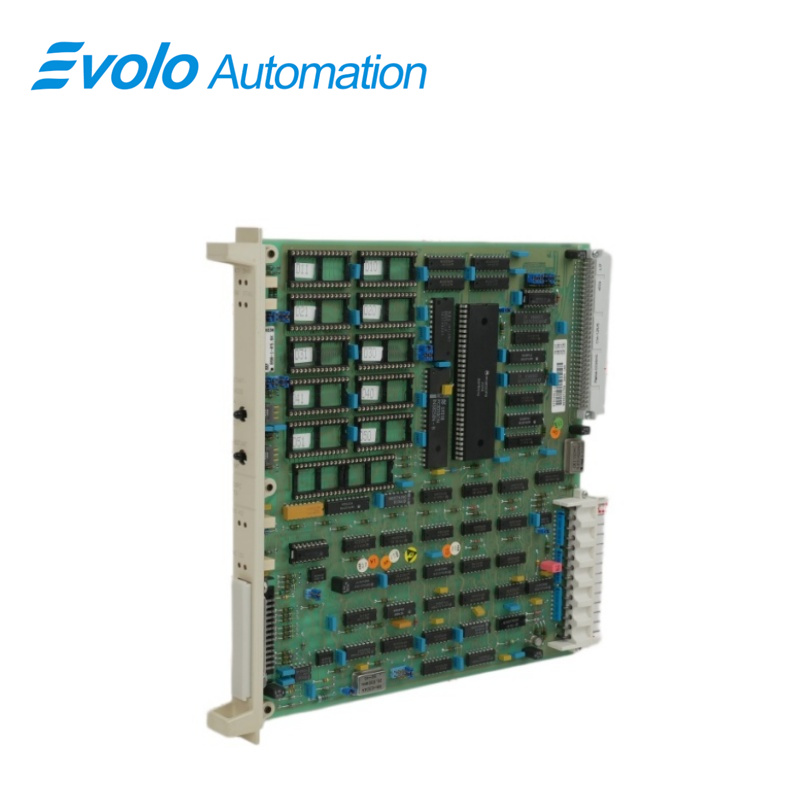
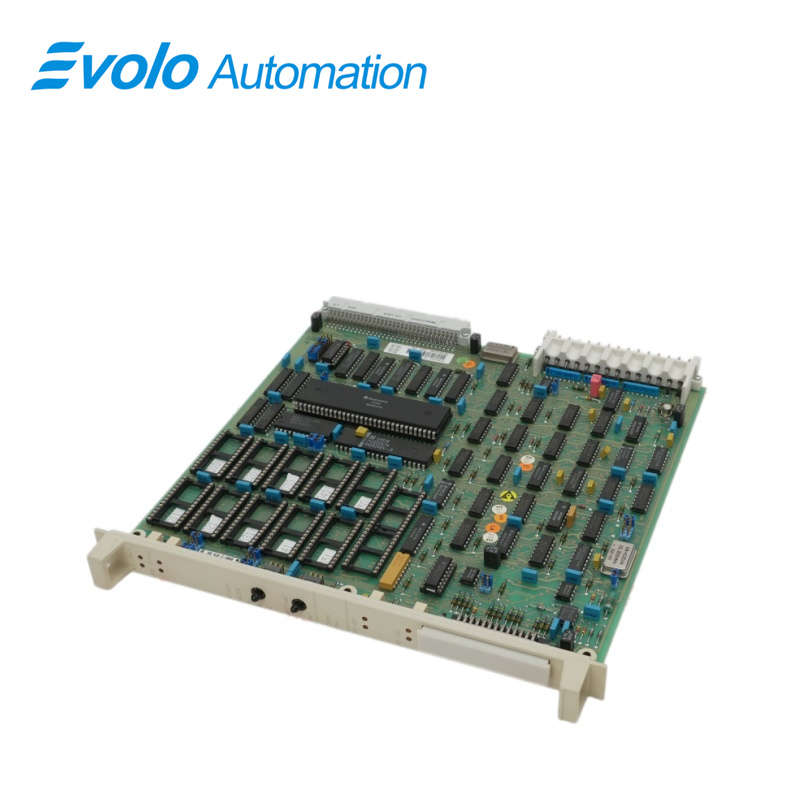
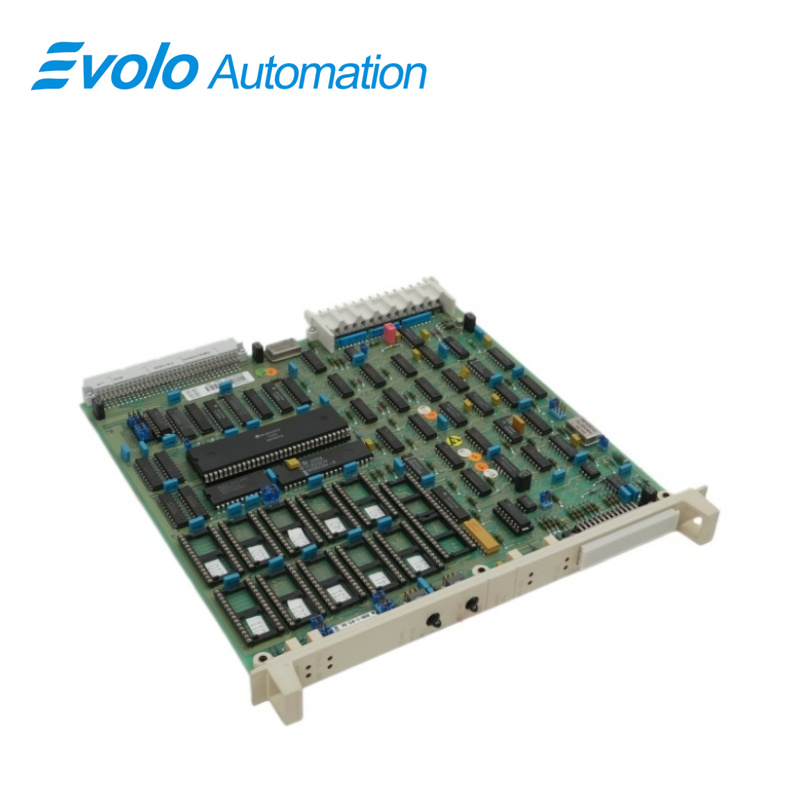
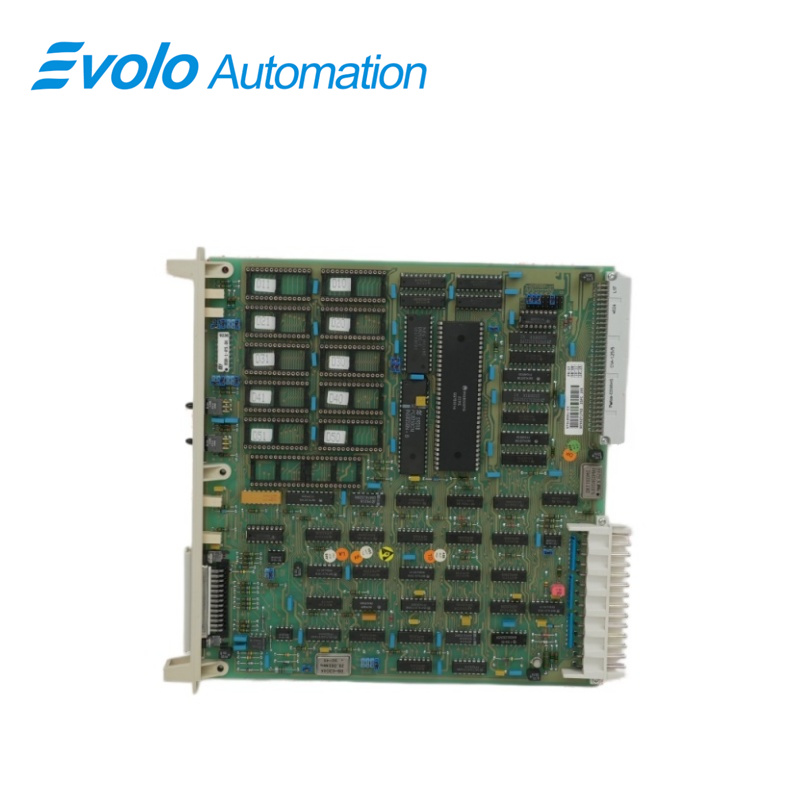
The ABB DSPC155 processor board is primarily used for real-time data processing, complex algorithm execution, and industrial control tasks. It supports a DCS architecture that combines distributed control and centralized management, making it suitable for industrial scenarios with high reliability requirements.
Applications
Thermal power plants: As the core of the DCS system, they control the operational logic of critical equipment such as steam turbines and boilers.
Oil refineries: They handle thousands of control loops, ensuring the continuity and safety of the refining process.
Paper machinery plants: They execute high-precision multi-axis drive control and paper quality control (QCS).
Iron and steel smelting plants: They manage the logical scheduling of blast furnace automation, continuous casting lines, and rolling mill control systems.
Cement production plants: They control the large-scale logical interlocks and real-time monitoring of rotary kilns and raw material mills.
Competitive Advantage
Integrating four independent mathematical modules, it supports basic functions such as square root calculation, humidity calculation, and arithmetic operations. It can also switch input sources via digital signals to achieve "soft-wired" control of complex logic.
It measures six key performance parameters in real time, helping users optimize control parameters and improve system energy efficiency.
It provides two 15-point programmable linearizers for calibrating signals from non-standard thermocouples, non-linear level sensors, and other devices, adapting to special industrial scenarios.
It supports multiple communication protocols and can be seamlessly integrated with PLCs, DCS systems, and third-party devices.
FAQ
Q: What is the DSPC155?
A: It is a Processor Board.
Q: Can the DSPC155 be interchanged with models like the DSPC172?
A: No. Different models have different processor performance, firmware, and supported system versions. Replacement requires verification of the original design.
Q: If the CPU of the DSPC155 is damaged, will the program automatically synchronize after replacing the board?
A: For a standalone system, you need to manually download the backup program; for a redundant system with the other machine online, automatic synchronization is usually possible.
Q: Is the battery on the board connected to the DSPC155?
A: No. The battery is usually located on the accompanying memory board and is used to maintain the program in memory.
Q: How do I view the specific CPU error code of the DSPC155?
A: You need to view the system diagnostic log using engineering station software (such as Advant Station 100/500).