EN
EN




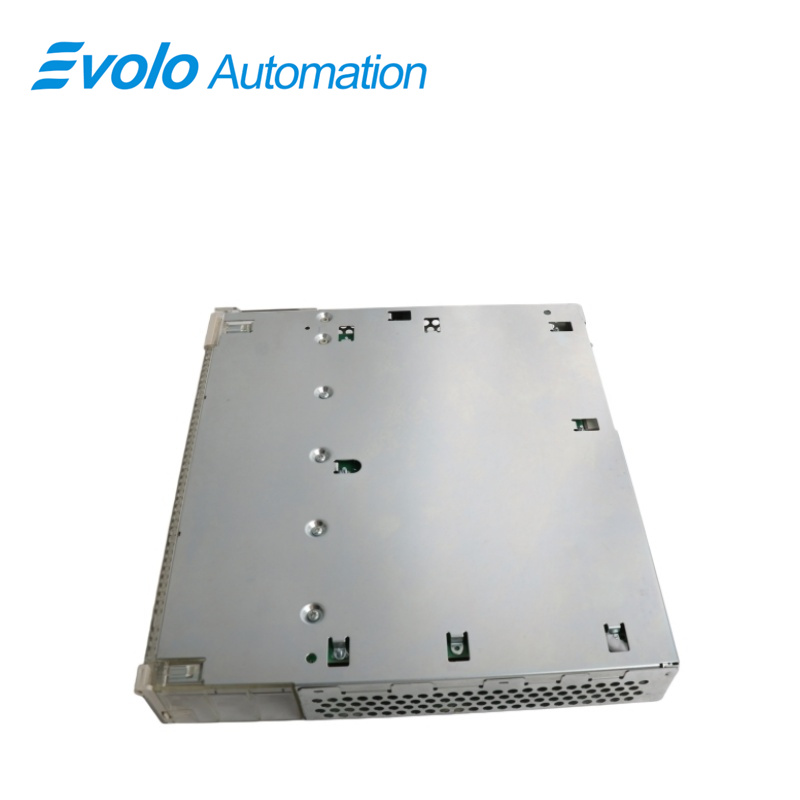
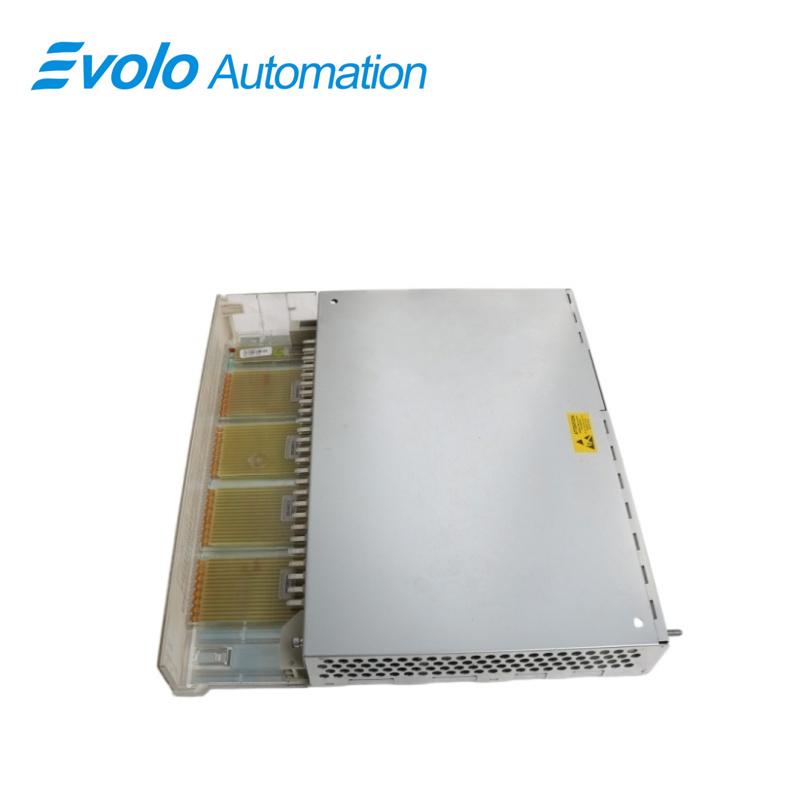
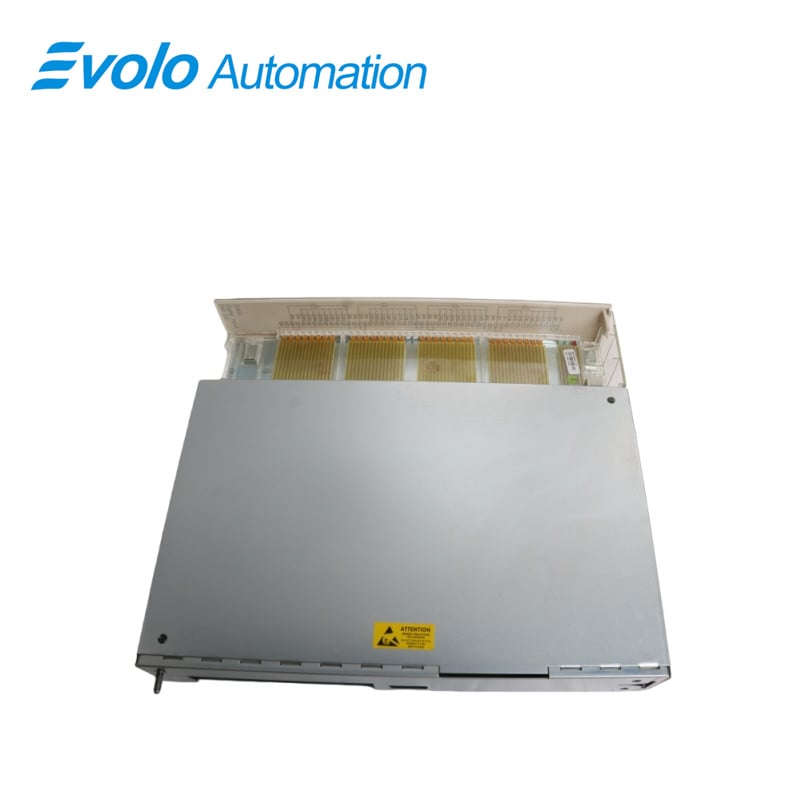
- Overview
- Specifications
- Description
- Applications
- Features
- Competitive Advantage
- Installation & Maintenance
- FAQ
- Recommended Products
Overview
Place of Origin: |
Sweden |
Brand Name: |
ABB |
Model Number: |
DI650 3BHT300025R1 |
Packaging Details: |
Original new Factory Sealed |
Delivery Time: |
5-7 days |
Payment Terms: |
T/T |
Supply Ability: |
In stock |
Specifications
|
Product Name: |
Digital Input Module |
|
Model: |
DI650 3BHT300025R1 |
|
Channel Type: |
DI |
|
Number of Input Channels: |
32 |
|
Net Depth: |
252 mm |
|
Net Height: |
273 mm |
|
Net Width: |
40 mm |
|
Net Weight: |
1.225 kg |
|
RoHS Compliance: |
Following EU Directive 2011/65/EU |
|
WEEE Category: |
5. Small Equipment (No External Dimension More Than 50 cm) |
|
Number of Batteries: |
0 |
|
Mounting Type: |
DIN Rail (EN 50022 compliant) |
|
Protection Rating: |
IP20 (IEC 60529 compliant) |
|
Operating Temperature Range: |
-25℃ to +60℃ (industrial wide temperature) |
Description
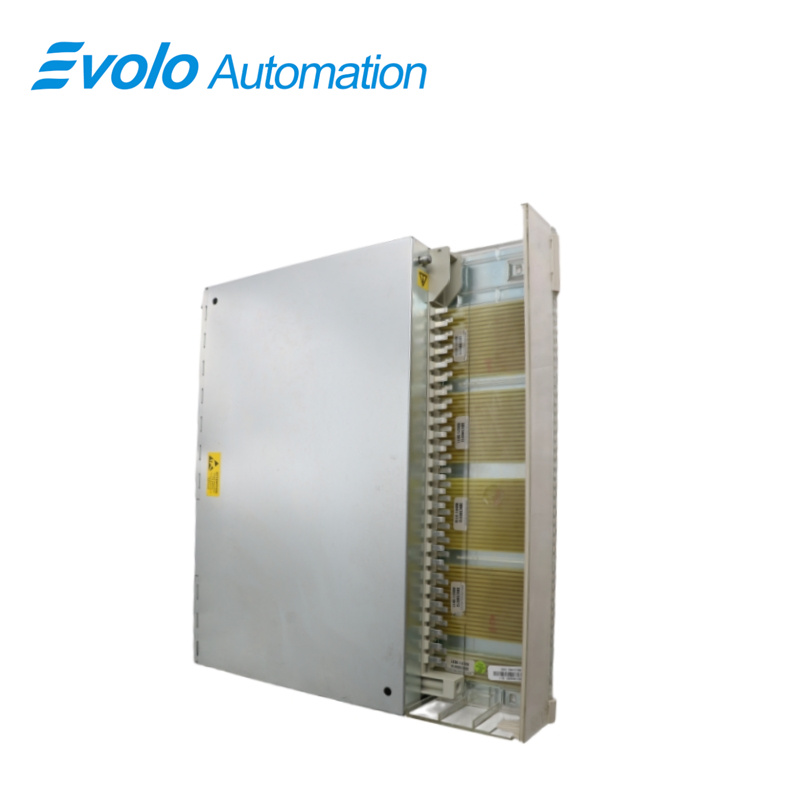
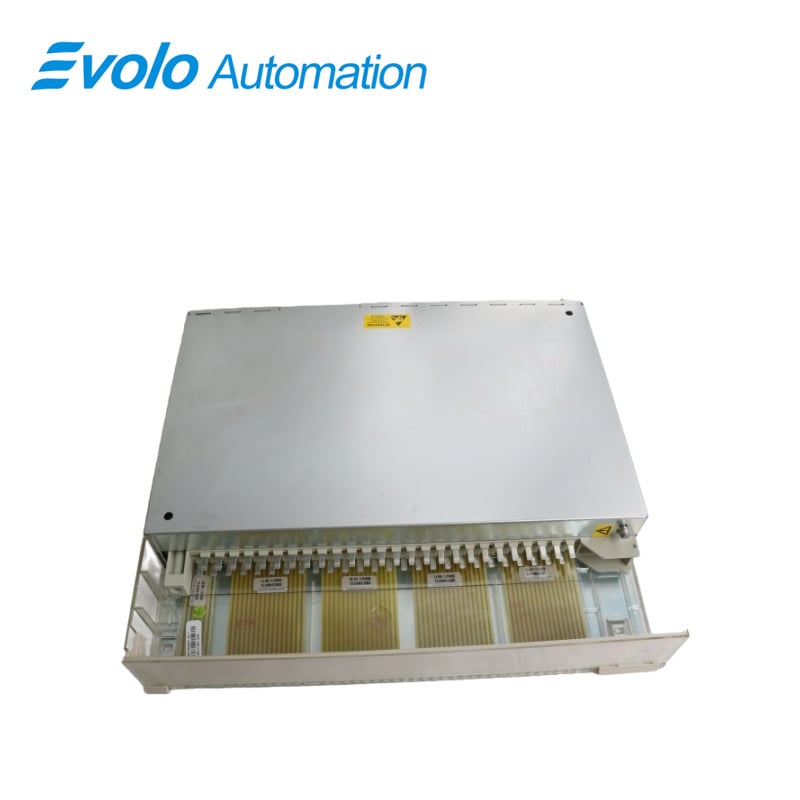
The ABB DI650 3BHT300025R1 digital input module is a core control component designed specifically for industrial automation. This module operates on 24V DC power and features 16 digital input channels, enabling precise acquisition of switching signals from field devices while maintaining stable and reliable operation under complex conditions. It boasts multiple protection functions, automatically detecting and responding to various anomalies to protect the system and equipment from damage. Furthermore, the module supports various communication protocols, allowing for seamless connection and communication with other devices, facilitating system integration and data exchange.
Applications
Power plants – Circuit breaker status, interlocking devices, clearance signals
Oil and gas plants and petrochemical plants – Pump skid signals, valve limit switches, electrostatic discharge inputs
Metal plants, mining plants, cement plants – Conveyor status, motor starters, field alarms
Water and wastewater treatment plants – Level switch inputs, valve feedback, panel buttons
Pulp mills, paper mills, and food processing plants – Machine safety interlocking devices, door switches, blockage detectors
Features
Multi‑channel digital inputs – Collects standard 24 VDC on/off signals from field devices; typically supports dry contacts or PNP sensors through appropriate wiring.
Backplane integration – Plugs directly into the ABB Advant/S600 rack, so no external communication cabling to the CPU is needed.
Galvanic isolation – Channel-to-bus isolation helps protect the controller from field disturbances and improves noise immunity.
Deterministic response – Suited for discrete control, interlocks, and alarm collection where timing consistency matters.
Service-friendly design – Hot‑swap capability is common in this family; in many cases maintenance can be done with minimal downtime.
Field power flexibility – Uses field 24 VDC for inputs while the module itself is powered via the system backplane.
Competitive Advantage
Lifecycle continuity – Ideal for sustaining existing ABB Advant/S600 installations without redesigning cabinets.
Compatibility – Works within the native backplane bus; firmware alignment is straightforward in most cases.
Maintenance efficiency – Swap modules front‑of‑cabinet; channel diagnostics simplify troubleshooting.
Cost control – Avoids rip‑and‑replace of I/O racks and field terminations, which usually carry the biggest cost and risk.
Technical support – We assist with revision matching, configuration notes, and pre‑shipment testing.
Installation & Maintenance
Cabinet environment – Keep within typical control cabinet standards: clean, dry, and ventilated. Aim for 0–55 °C operation with adequate airflow.
Mounting – Insert into the designated S600 slot, ensuring the backplane connector seats fully before tightening retainers.
Wiring – Use the recommended terminal base; separate high‑voltage and signal wiring. Provide fused 24 VDC field power and common returns as per your site standards.
Grounding & noise – Bond cabinet ground properly; route I/O cables away from VFD and high‑current feeders. Shielded pairs help when runs are long.
Checks – After installation, perform point‑to‑point verification and force tests from the controller to confirm each input path.
Routine maintenance – Inspect terminal tightness and connectors during outages; clean dust using dry air; review firmware or hardware revisions to keep spares aligned.
FAQ
Q1: Does the DI650 3BHT300025R1 support SOE (Event Sequence Recording)?
A: The DI650 3BHT300025R1 is primarily used for general status monitoring. If your process requires 1ms-level incident replay, the DI620 should generally be used. The DI650 3BHT300025R1 prioritizes capacity over ultra-high-speed timestamps.
Q2: Can the DI650 3BHT300025R1 directly replace the DI620?
A: No. They have different channel counts, and their corresponding terminal units and software database elements are completely different.
Q3: Why did 8 points on my DI650 3BHT300025R1 fail at once?
A: It's most likely due to a loss of power to the common terminal of the group or a burnt-out isolation group circuit inside the module.
Q4: Can this DI650 3BHT300025R1 be used in a Safety System (SIS)?
A: It belongs to the Process Control System (DCS). Although its reliability is extremely high, if SIL3 level safety interlocks are involved, dedicated safety system hardware is usually required.
Q5: What is its maximum input current of DI650 3BHT300025R1?
A: The typical current per channel is approximately 5mA. The design is very energy-efficient, and even with all 32 channels open, it will not place a significant burden on the rack power supply.