EN
EN




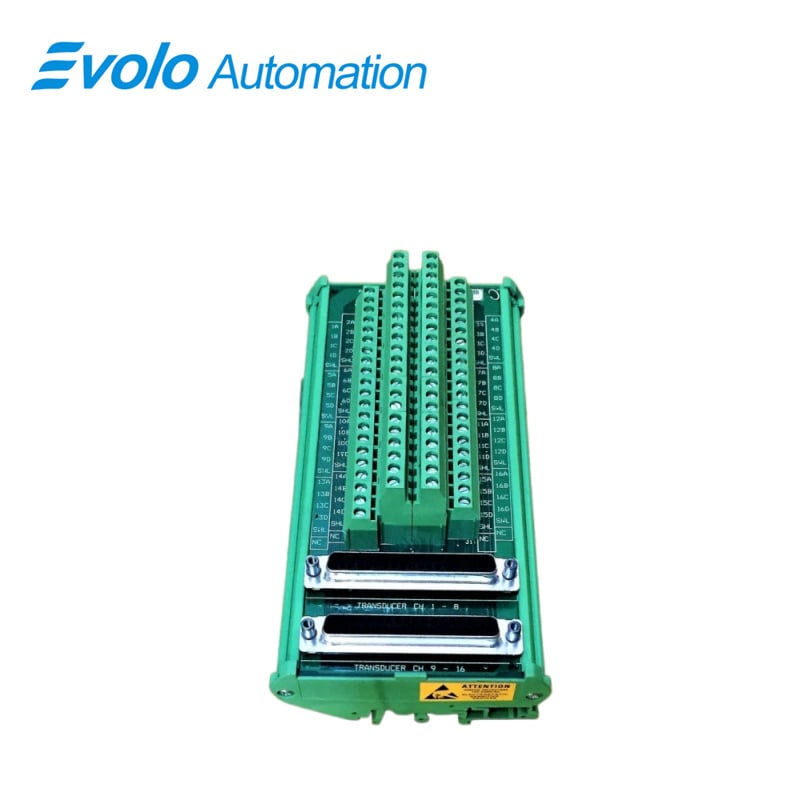
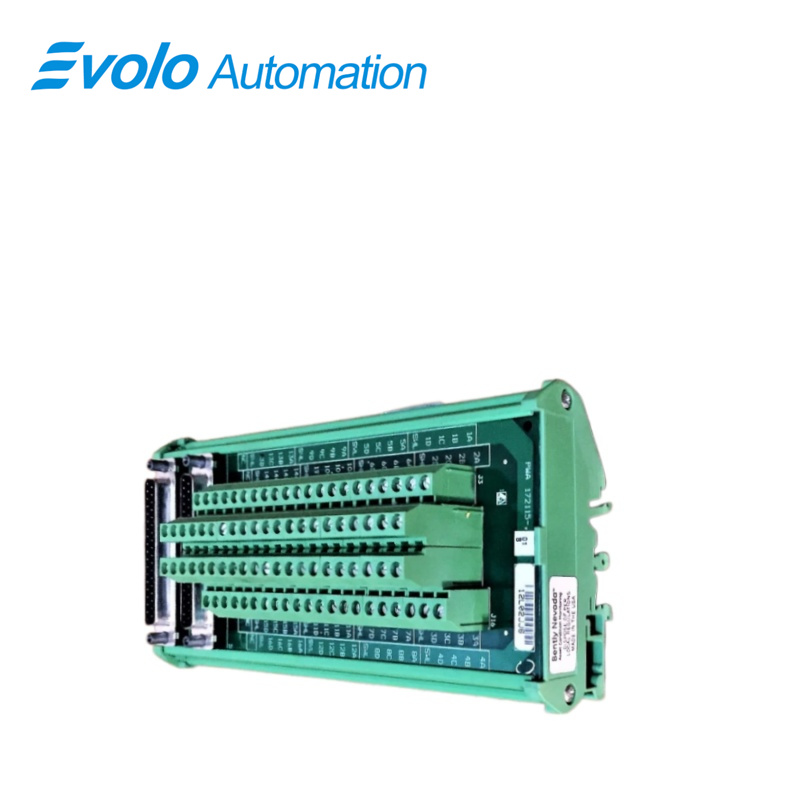
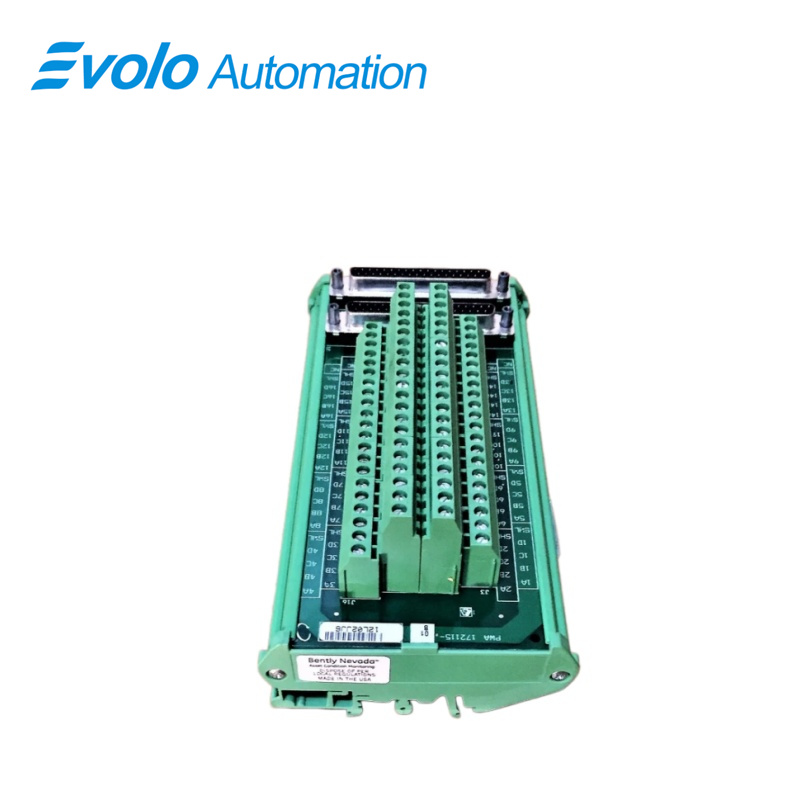
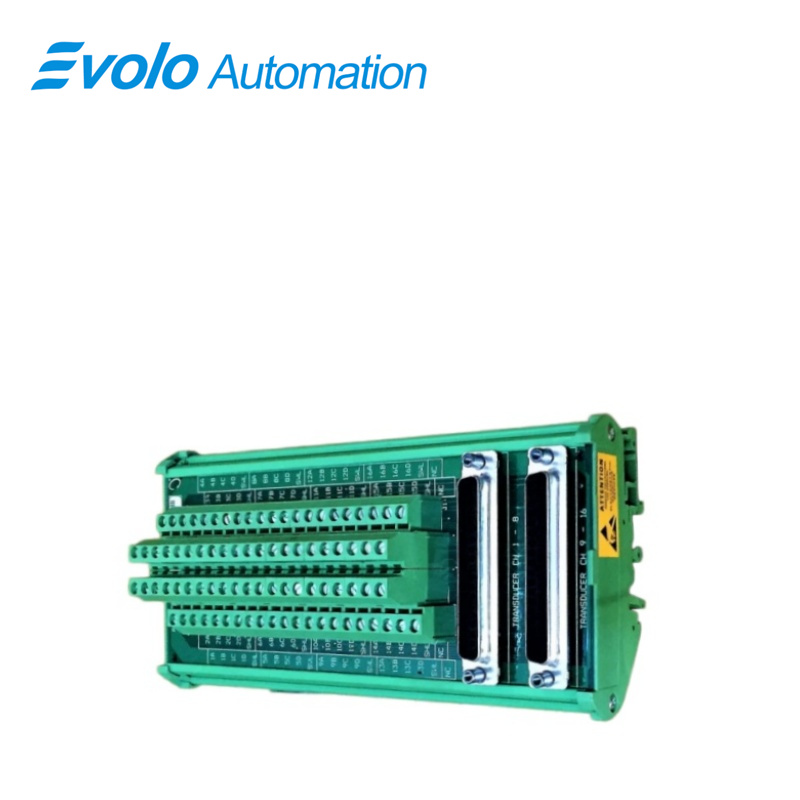
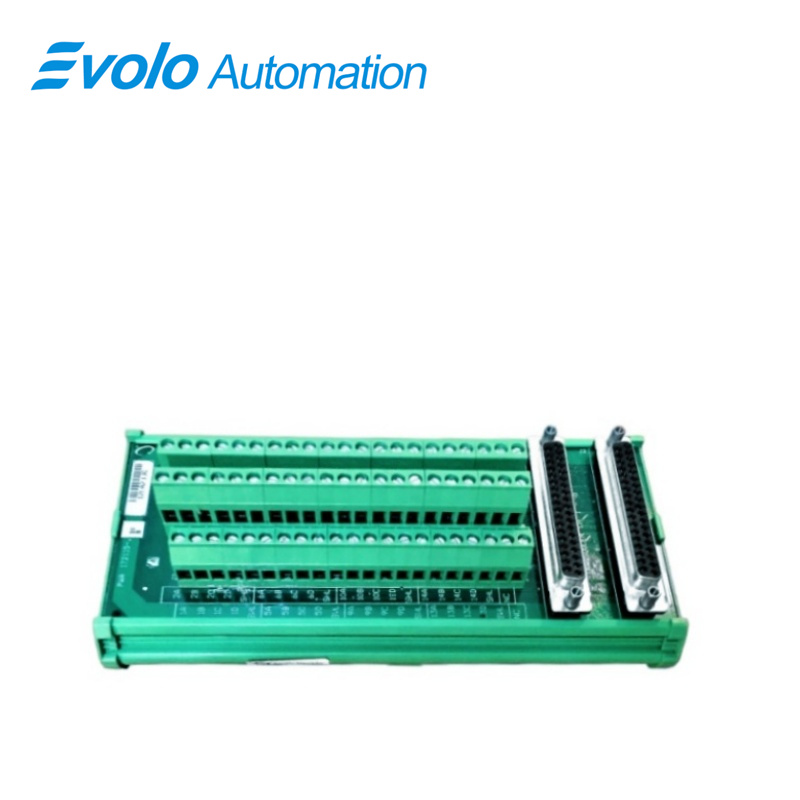
172115-01 RTD/Isolated Tip TC External Termination Block
Email: [email protected]
whatsApp: +86-18150117685
- Overview
- Specifications
- Description
- Applications
- Features
- Maintenance and Troubleshooting
- FAQ
- Recommended Products
Overview
Place of Origin: |
USA |
Brand Name: |
Bently Nevada |
Model Number: |
172115-01 |
Packaging Details: |
Original new Factory Sealed |
Delivery Time: |
5-7 days |
Payment Terms: |
T/T |
Supply Ability: |
In stock |
Specifications
|
Product Name |
172115-01 |
|
Type |
RTD/Isolated Tip TC External Termination Block |
|
Input Types |
RTD; isolated tip thermocouple (TC) |
|
Connectors |
Euro-style connectors |
|
Operating Temperature |
-40°C to +85°C |
|
Safety Features |
250 V RMS common-mode voltage support; reverse connection protection; overvoltage protection; short-circuit protection |
|
Sensor Compatibility |
RTD (resistance temperature detector); insulated thermocouple (TC) |
Description
The 172115-01 is an industrial-grade external termination block developed by Bently Nevada, specifically designed for use with 3500/65 temperature monitoring systems. This component serves as the physical interface between field sensors and the monitoring rack, supporting up to 16 channels of RTD and TC signal input. It utilizes reliable Euro-style connectors, simplifying complex multi-core cable wiring and offering excellent environmental resistance.
Applications
Thermal power plants: Used for external connection of temperature sensors for generator stator windings and bearings at all levels, achieving precise thermal protection in conjunction with the 3500/65.
Oil and gas refineries: Serves as a signal relay in the monitoring loop of critical compressor units, leveraging their wide operating temperature range to ensure stable data transmission from the production line.
Large fertilizer plants: Manages 16 temperature inputs at the power end of ammonia synthesis units, simplifying complex field wiring using European-style terminals.
Steel rolling mills: Deployed in drive control systems in high-heat workshops, reducing wiring density and heat buildup within the 3500 frame through external termination.
Mining machinery plants: Used for bearing condition monitoring in large hoists or crushers, serving as a reliable electrical barrier between sensors and the main control system.
Features
External Termination: Provides a convenient and organized solution for terminating RTD and TC inputs externally.
Ease of Use: Simplifies installation and configuration processes in temperature monitoring systems
Reliable Performance: Ensures precise and consistent temperature measurements, enhancing machinery protection and monitoring.
Maintenance and Troubleshooting
Troubleshooting: If the main monitoring module reports a channel error, first check if the screws on the European-style terminals of 172115-01 have loosened due to vibration; utilize its built-in short-circuit protection feature to quickly check the electrical integrity of the sensor circuit.
Maintenance Recommendations: It is recommended to check the oxidation of the terminal contacts during the annual overhaul and verify the grounding connection of the shielding wire. When replacing the monitoring system, ensure that the wiring definition of the external terminal block is completely compatible with the software configuration.
FAQ
Q: Can the 172115-01 be used with the 3500/65 I/O module with “Internal Termination” option?
A: No. External terminal blocks cannot be used with internal termination modules; option 02 (external termination) must be selected.
Q: Does the cable connecting the 172115-01 to the 3500 frame need to be purchased separately?
A: Yes. A dedicated interface cable must be ordered separately based on installation distance.
Q: What are the advantages of the European Terminal Block on the 172115-01?
A: It offers compact spacing and stronger shock resistance, compatible with various field and shielded wires.
Q: Does the 172115-01 support 4-wire RTD inputs?
A: Yes. All 16 channels support 3-wire, 4-wire RTD, or thermocouple configurations.
Q: Can the 172115-01 operate in -40°C environments?
A: Yes. It is rated for operation down to -40°C for harsh industrial conditions.