EN
EN




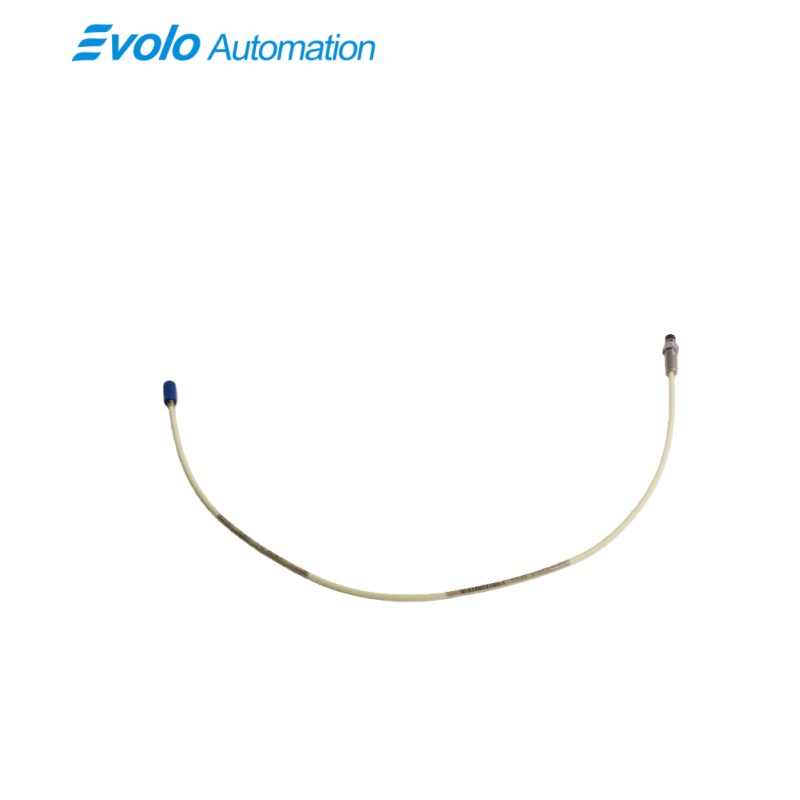
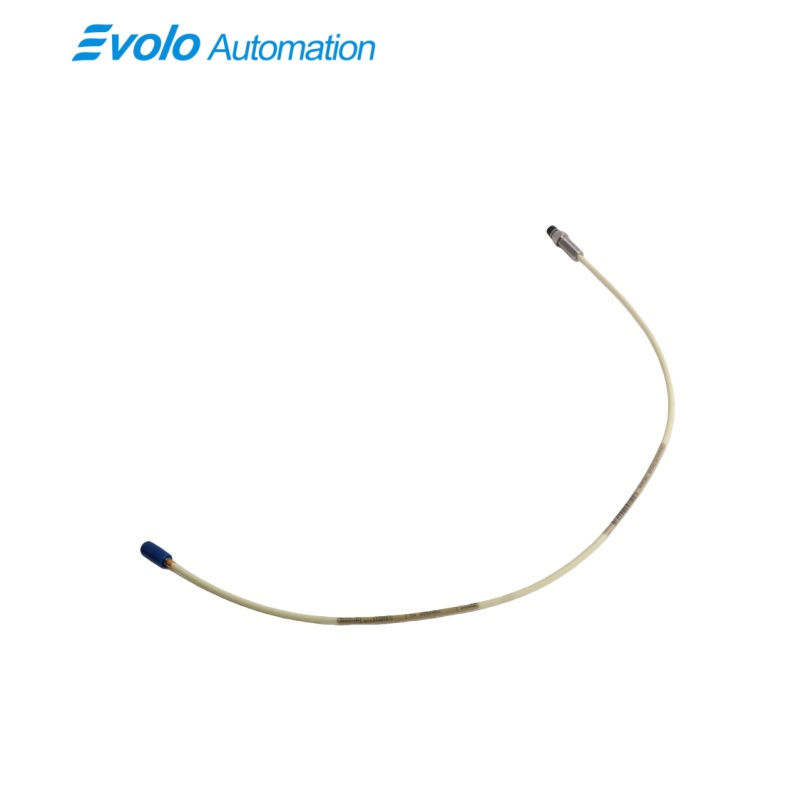
- Overview
- Quick Detail
- Description
- Applications
- Specifications
- Competitive Advantage
- Recommended Products
Overview
Place of Origin: |
USA |
Brand Name: |
Bently Nevada |
Model Number: |
21508-02-12-05-02 |
Minimum Order Quantity: |
1 |
Packaging Details: |
Original new Factory Sealed |
Delivery Time: |
5-7 days |
Payment Terms: |
T/T |
Supply Ability: |
In stock |
Quick Detail
|
Cable Length Option: |
1 m (Compact Industrial Model) |
|
Connector and Cable Option: |
PVC Insulated Cable + M12 4-Pin D-Code Male Connector |
|
Agency Approval Option: |
UL Certified (UL 61010-2-201) |
|
Total Length Option: |
Probe Body Length: 45 mm / 60 mm / 80 mm (Standard Sizes) |
|
Dimension: |
1.2x1x60cm |
|
Weight: |
0.04kg |
Description
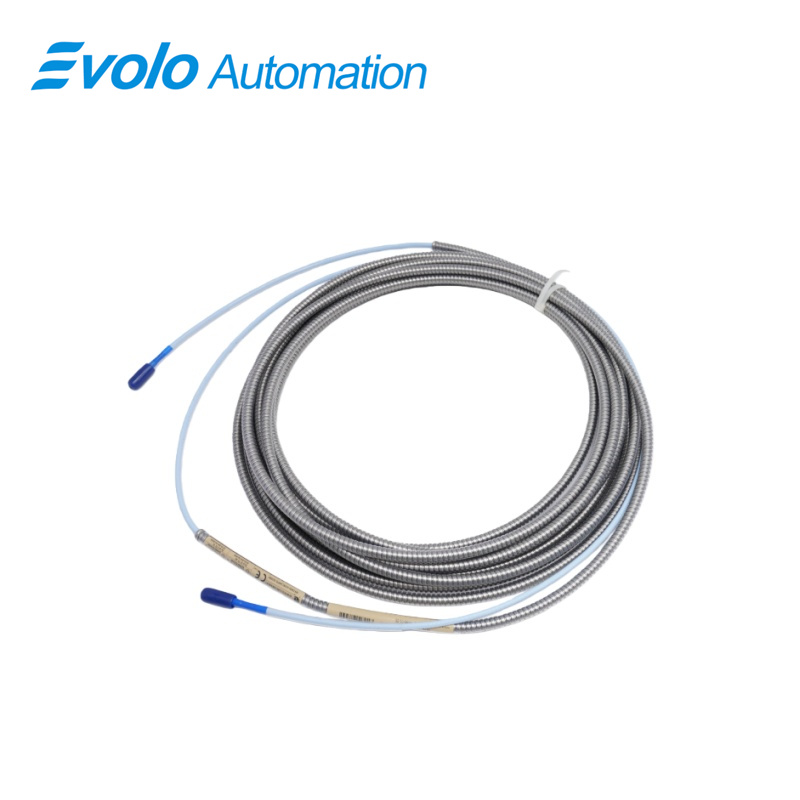
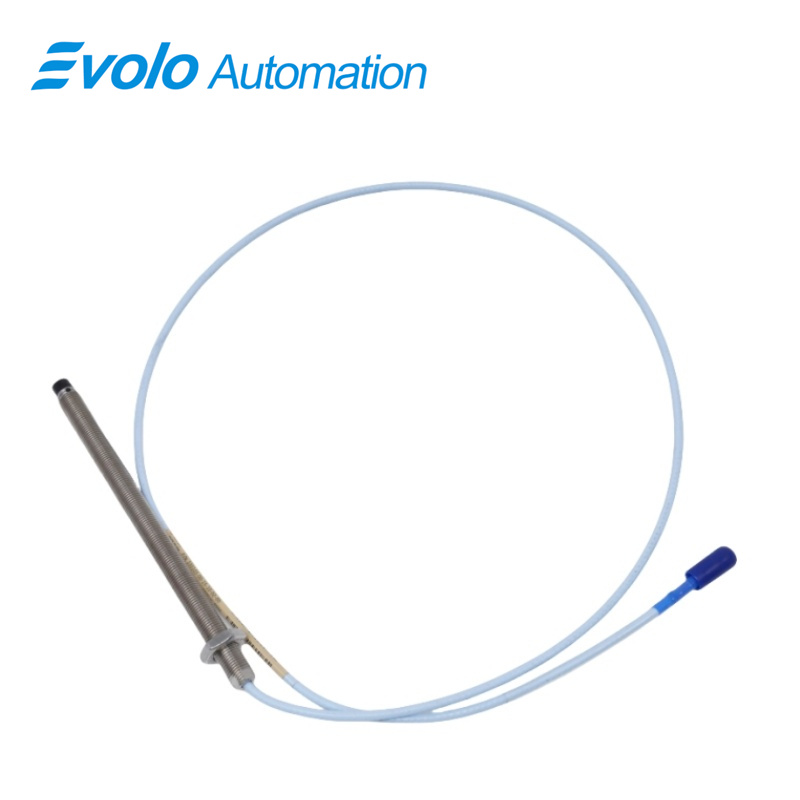
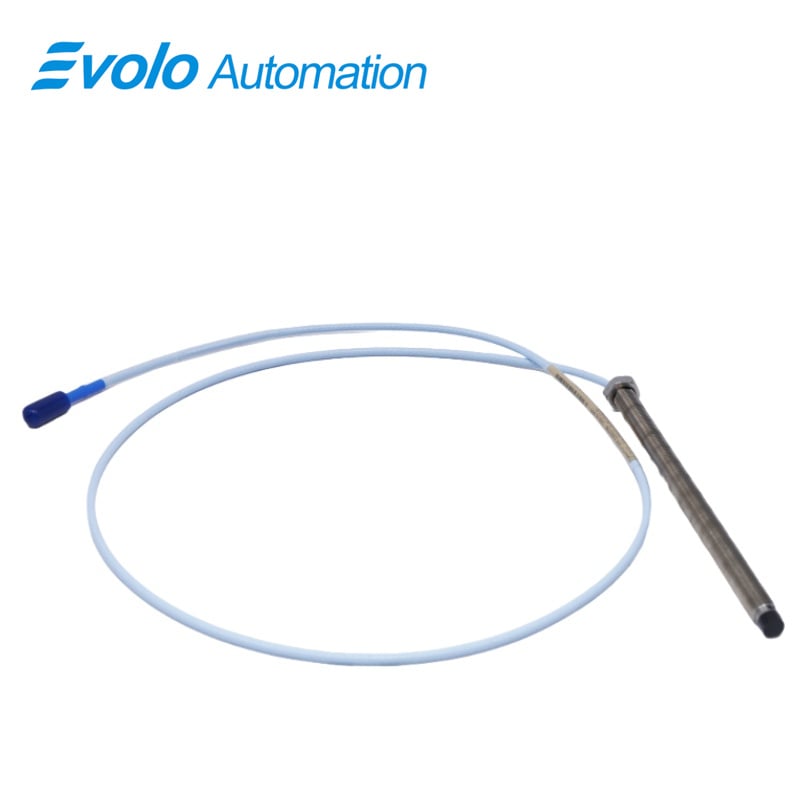
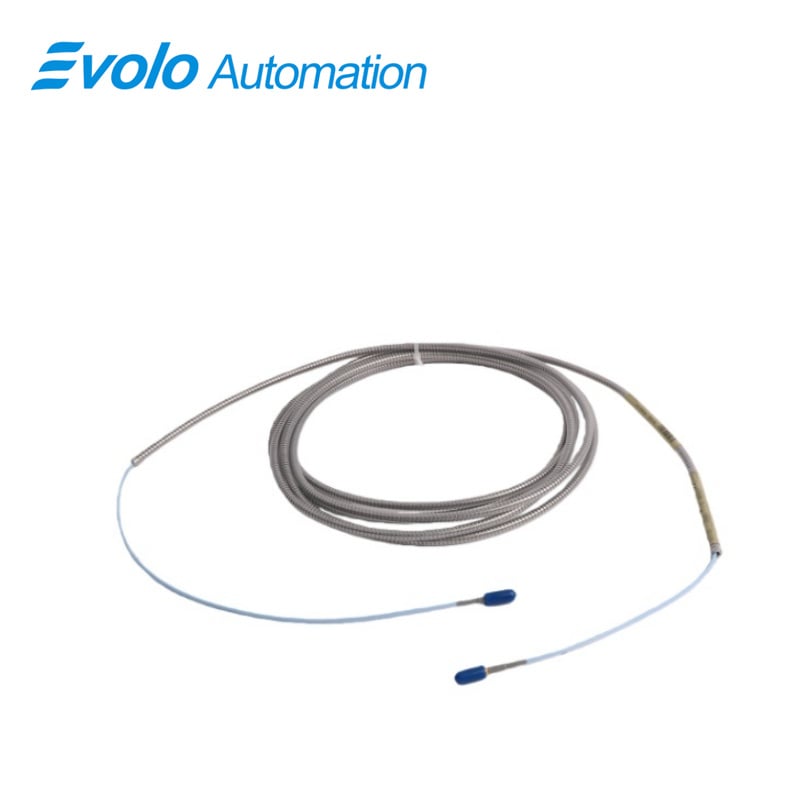
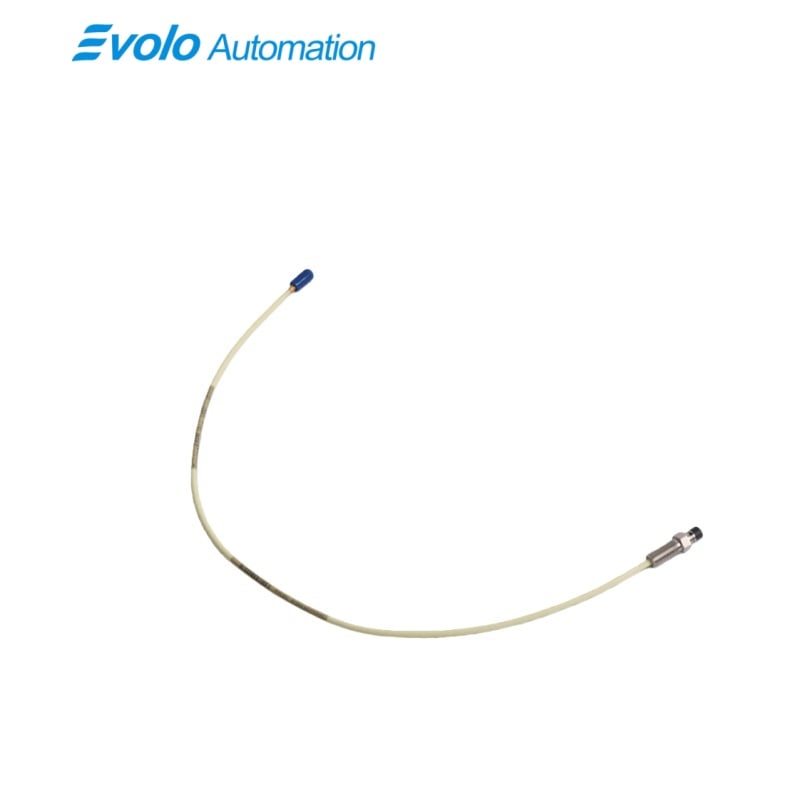
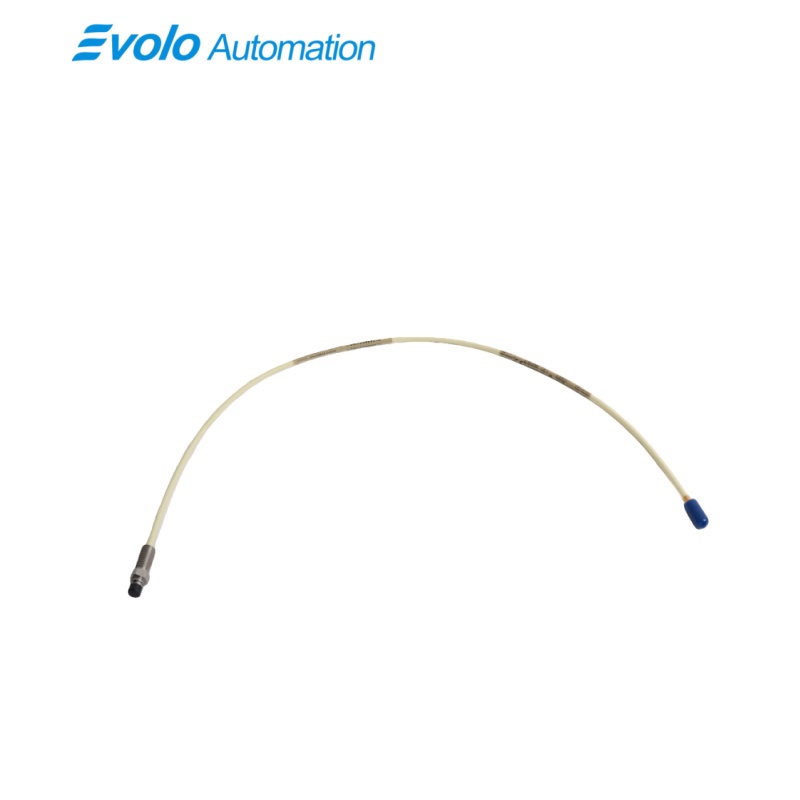
The 21508-02-12-05-02 Probe Proximity Vibration is a compact and highly reliable industrial-grade eddy current sensor engineered for precise, non-contact vibration and displacement monitoring in diverse mechanical systems. Manufactured in the USA by Bently Nevada, this proximity probe offers a versatile and durable solution for condition monitoring, distinguished by its flexible configuration and robust design. Unlike many fixed-length sensors, this model provides adaptable mounting with selectable probe body lengths of 45 mm, 60 mm, or 80 mm, allowing for optimal fitment in various installation spaces. Pre-terminated with a 1-meter PVC insulated cable and an M12 4-pin D-code male connector, this integrated assembly ensures a secure, standardized electrical interface, simplifying integration with modern industrial control and monitoring systems.
This vibration probe is designed to deliver stable and accurate measurement of dynamic parameters such as shaft radial vibration, axial position, and rotational speed. Its operational principle is based on advanced eddy current technology, which converts the minute gap between the probe tip and a conductive target into a high-fidelity, linear voltage signal. The probe is built to perform reliably in challenging environments, featuring a rugged construction that resists mechanical shock and environmental contaminants. Furthermore, it carries UL certification (UL 61010-2-201), affirming its compliance with international safety standards for electrical equipment and providing assurance of its suitability for industrial applications.
Applications
This 21508-02-12-05-02 Probe Proximity Vibration sensor is extensively used for monitoring critical parameters in general industrial machinery such as electric motors, pumps, and fans. Its compact size and selectable body lengths (45/60/80 mm) allow it to be easily fitted into bearing housings or mounting brackets where space is limited. The integrated 1-meter cable with a standardized M12 connector facilitates quick connection to on-site PLCs or portable data collectors, enabling efficient periodic checks or continuous monitoring of shaft vibration to detect early signs of mechanical degradation.
The probe is particularly valuable for integration into modern automated production lines and OEM equipment due to its robust M12 4-pin D-code connector and UL certification. This makes it a reliable component for built-in condition monitoring systems in packaging machinery, conveyor drives, and robotic arms. Its wide operating temperature range (-44°C to +165°C) and stable electrical performance ensure it delivers reliable data even in environments with significant thermal variation or electrical noise, supporting real-time process control and preventative maintenance scheduling.
For applications requiring deployment in mixed industrial settings with varying mounting depths, the probe’s configurable body length offers significant flexibility. It can be employed in axial position monitoring of gearboxes or for providing Keyphasor signals on test stands and small turbines. The low supply sensitivity (< 2 mV/V) and defined output resistance (45 Ω) ensure that the signal integrity is maintained, making it suitable for use in systems where accurate phase reference and speed measurement are critical for performance validation and protection.
Specifications
|
Operating and Storage Temperature: |
-44°C to +165°C (-60°F to+350°F) |
|
Output Resistance: |
45 Ω |
|
Extension Cable Capacitance: |
67.8 pF/m (21.0 pF/ft) typical |
|
Field Wiring: |
0.1 to 1.4mm2 (14 to 20 AWG) |
|
Supply Sensitivity: |
Less than 2 mV change in output voltage per volt change in input voltage. |
|
Power: |
Requires -15.4 Vdc to -20Vdc |
Competitive Advantage
1. Configurable Form Factor for Versatile Installation
A primary advantage of this sensor is its offering of three standard probe body lengths (45 mm, 60 mm, and 80 mm). This configurability allows engineers to select the optimal physical dimension for each specific mounting scenario, eliminating the need for custom adapters or spacers. Whether dealing with shallow mounting holes in a motor end-bell or deeper installations in a pump casing, this flexibility simplifies inventory management and ensures a secure, proper fit in diverse machinery layouts.
2. Standardized Industrial Connectivity for Easy Integration
The sensor is supplied as a complete, ready-to-install unit with a pre-attached 1-meter PVC cable terminated with an industry-standard M12 4-pin D-code male connector. This design eliminates the need for field wiring of the sensor itself, reducing installation time and potential connection errors. The robust M12 interface provides a vibration-resistant, environmentally sealed connection that is widely compatible with modern industrial I/O modules, facilitating seamless plug-and-play integration into both new and existing control systems.
3. Certified Reliability and Stable Performance in Demanding Conditions
Carrying UL certification (UL 61010-2-201), this probe meets recognized safety standards for electrical equipment, providing users with confidence in its quality and suitability for industrial use. Its robust design ensures reliable operation across an extensive temperature range of -44°C to +165°C. Coupled with excellent electrical characteristics—such as low supply sensitivity and stable output resistance—the sensor delivers consistent, accurate measurements resistant to power supply noise and environmental extremes, ensuring dependable data for critical decision-making in maintenance and operations.