EN
EN




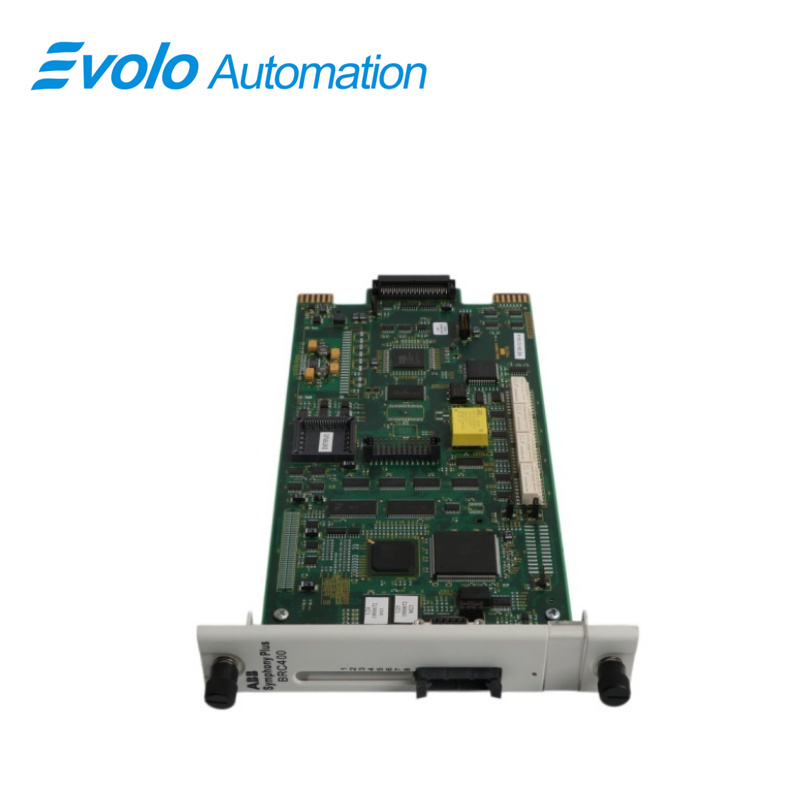
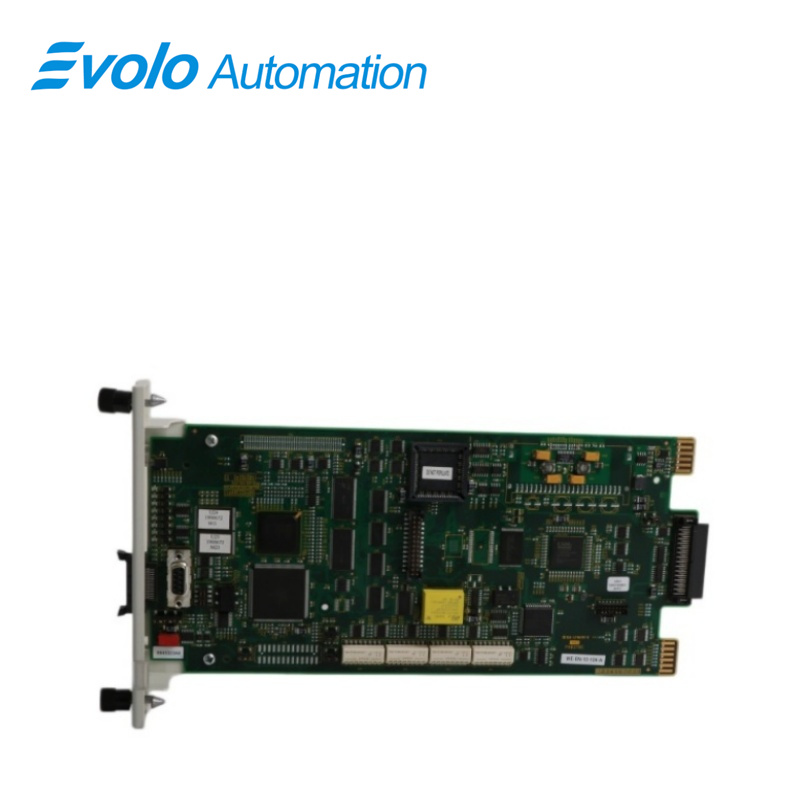
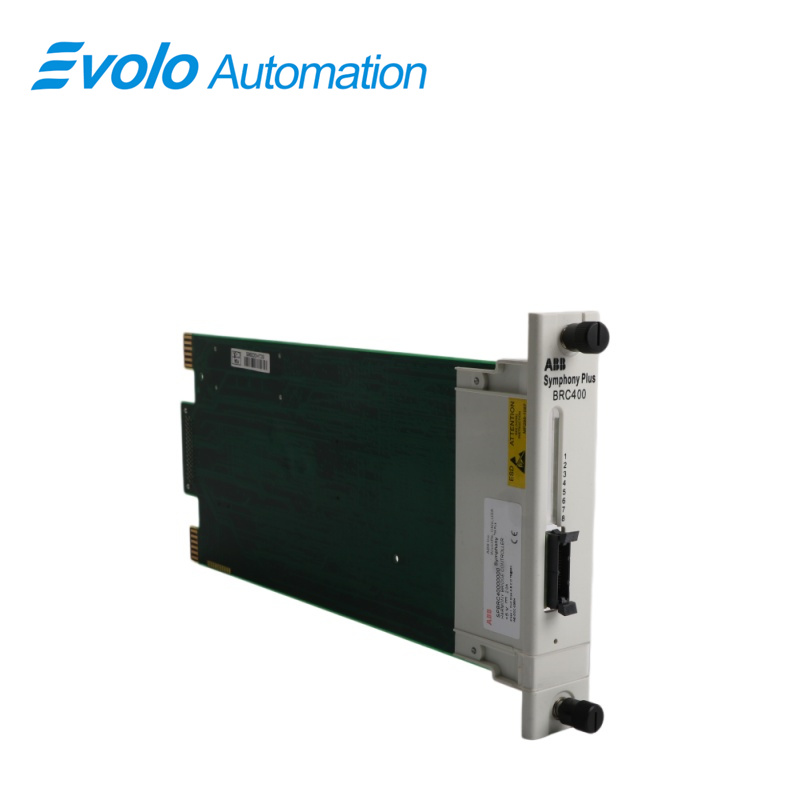
- Overview
- Specifications
- Description
- Applications
- Competitive Advantage
- FAQ
- Recommended Products
Overview
Place of Origin: |
Sweden |
Brand Name: |
ABB |
Model Number: |
SPBRC400 |
Packaging Details: |
Original new Factory Sealed |
Delivery Time: |
5-7 days |
Payment Terms: |
T/T |
Supply Ability: |
In stock |
Specifications
|
Model: |
SPBRC400 |
|
Type |
Harmony Bridge Controller Module |
|
Dimensions: |
3.5 x 32 x 17.6 cm |
|
Weight: |
0.24 kg |
|
WEEE Category: |
5. Small Equipment (No External Dimension More Than 50 cm) |
|
Number of Batteries: |
1 |
|
Battery Chemistry: |
Lithium |
|
Battery Type: |
Button Cell |
|
Battery Weight: |
5 g |
|
Output Frequency: |
Typically 60 Hz or 60 kHz |
|
Color: |
Green or Black |
|
System Environment: |
Ambient temperature |
|
System Capability: |
Supports complex control logic and data processing |
|
Input Voltage: |
24 V DC |
|
Power Consumption: |
5 W |
Description
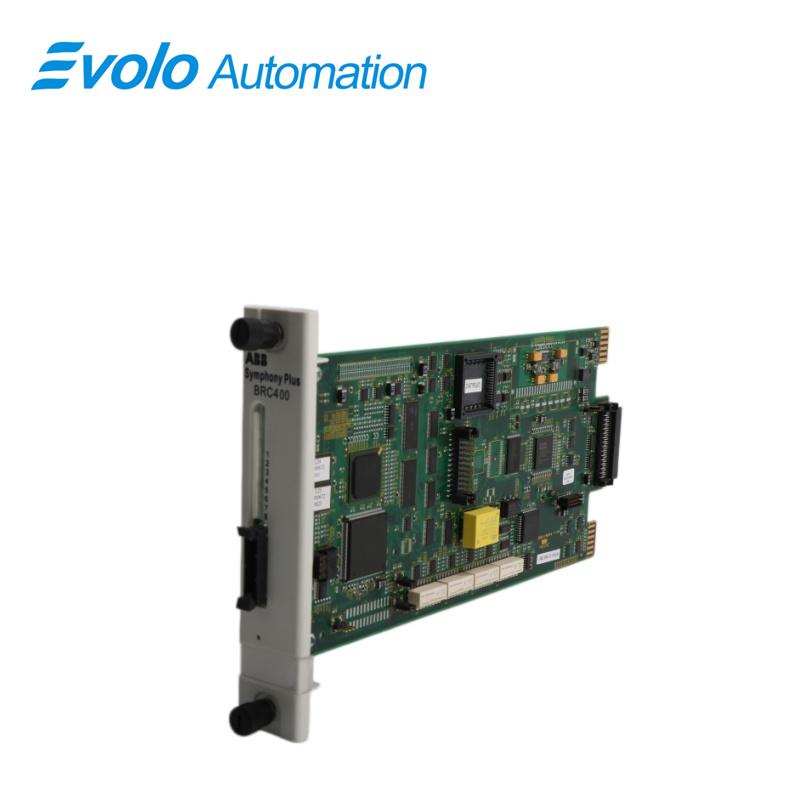
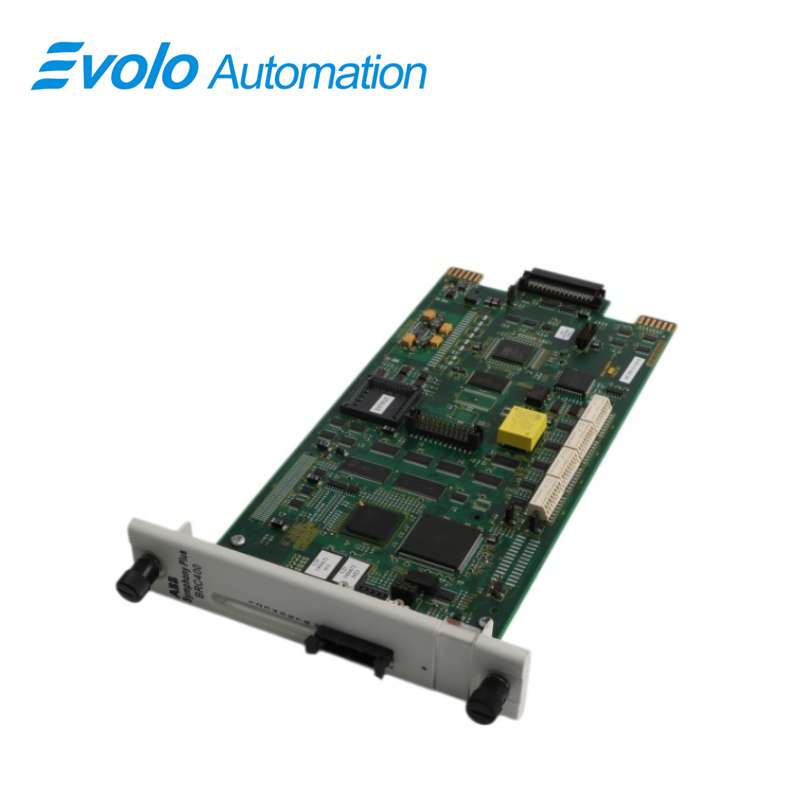
The SPBRC400 Harmony Bridge Controller Module is a key component used in industrial automation control. It is typically found in DCS (Distributed Control System) or PLC (Programmable Logic Controller) systems to implement specific control functions. It functions as a central communication hub, enabling reliable data exchange between processor modules, I/O units, and peripheral devices, ensuring smooth operation and real-time monitoring across complex industrial automation networks.
Applications
Nuclear power plants: High-reliability nuclear island control systems (DCS).
Large-scale chemical plants: Complex distillation towers, multivariable decoupled control systems.
Specialty smelting plants: Precision power control for electric arc furnaces, control of high-speed continuous casting machines.
Comprehensive pharmaceutical plants: Batch process control compliant with GMP standards.
Oil refineries: Large-scale loop control for crude oil distillation, catalytic cracking, etc.
Competitive Advantage
Controller Functions: As bridge controller interruptors, they possess the function of control signal conversion and transmission, enabling discontinuous control—that is, converting continuous signals into discontinuous signals to meet specific control requirements.
Automatic Functions: Supporting automatic control systems, they can automatically execute control tasks according to preset logic.
Powerful System Capabilities: Capable of handling complex control logic and high-speed data transmission, ensuring efficient and stable system operation.
FAQ
Q: What are the main differences between SPBRC400 and SPBRC300?
A: SPBRC400 boasts faster computation speed and a larger logic step space, making it suitable for more complex control schemes.
Q: Does the SPBRC400 support hot-swapping?
A: Yes. In redundant configurations, damaged individual modules can be replaced without interrupting control.
Q: Can older INFI 90 systems be directly upgraded to SPBRC400?
A: Yes. It has excellent backward compatibility in physical size and communication protocols, supporting seamless replacement.
Q: What is the maximum number of function blocks the SPBRC400 controller can handle?
A: Supports up to 30,000 function blocks, meeting extremely complex control requirements.
Q: What does a flashing red Status light on the SPBRC400 module panel represent?
A: It usually indicates missing configuration data or a verification error, requiring the logic to be reinstalled via an engineering workstation.