EN
EN




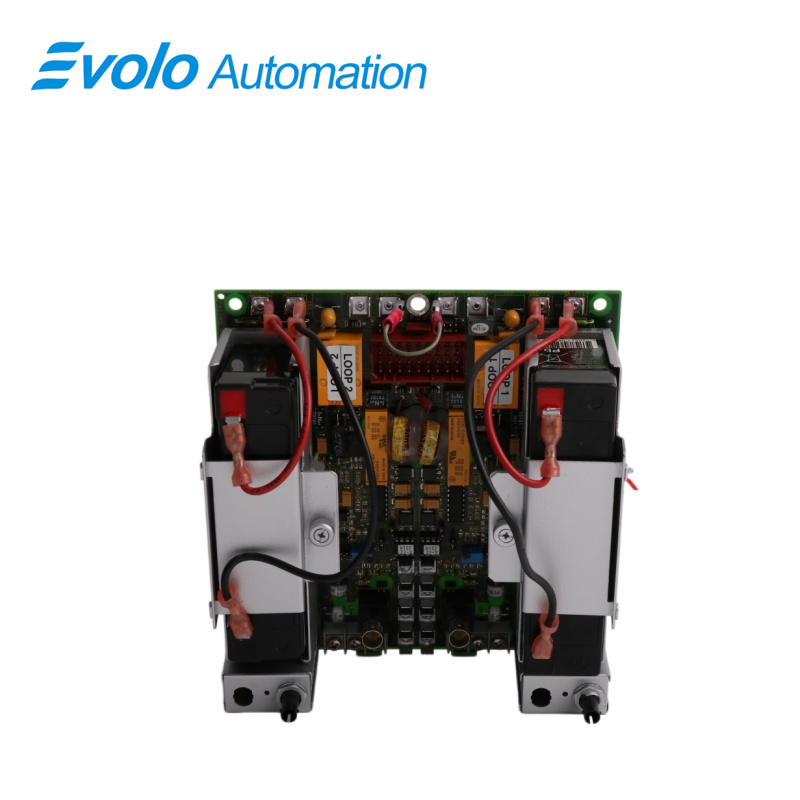
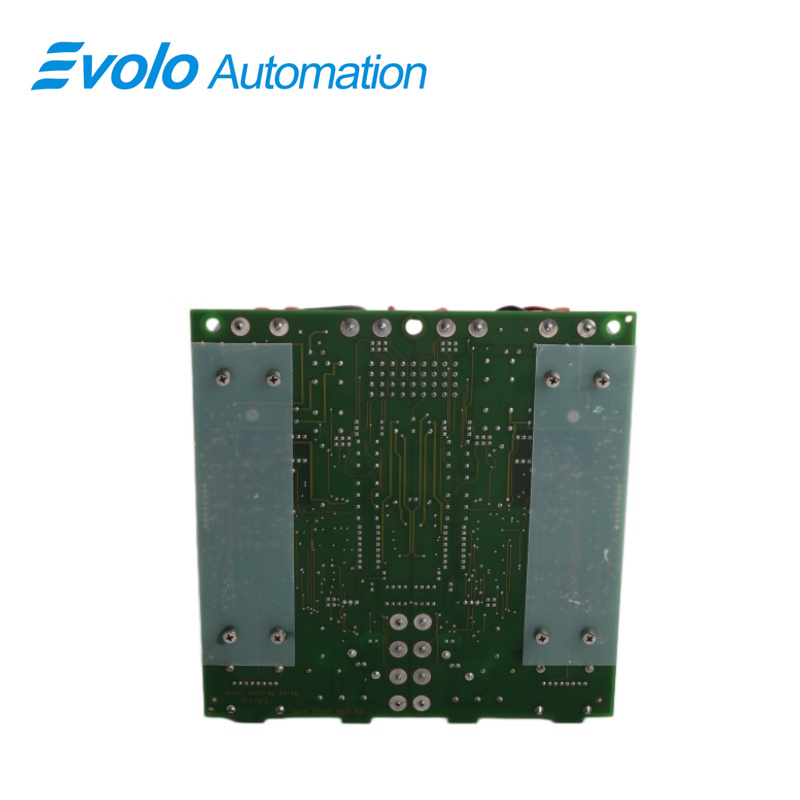
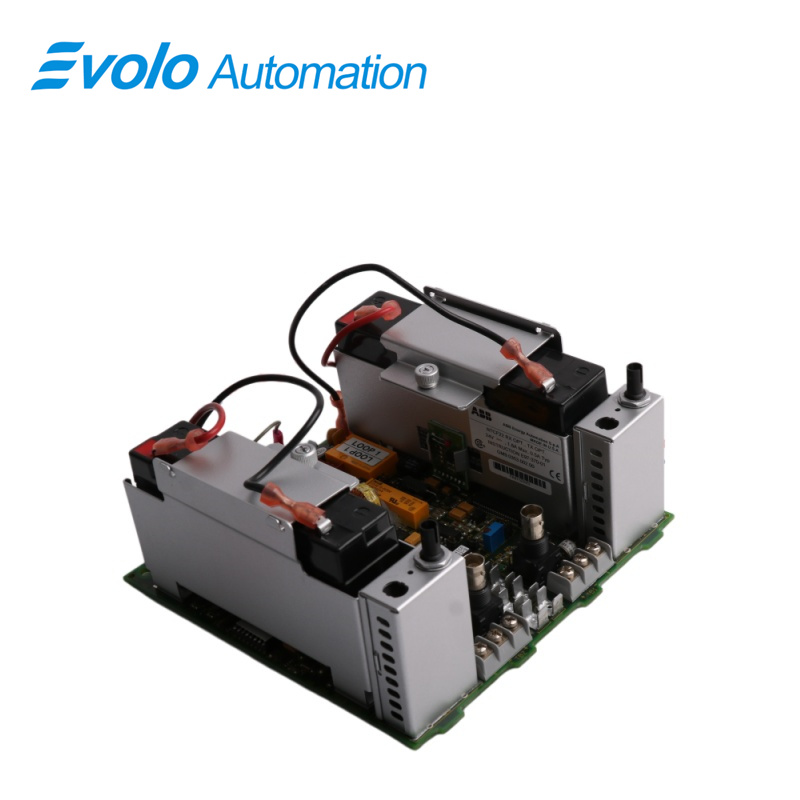
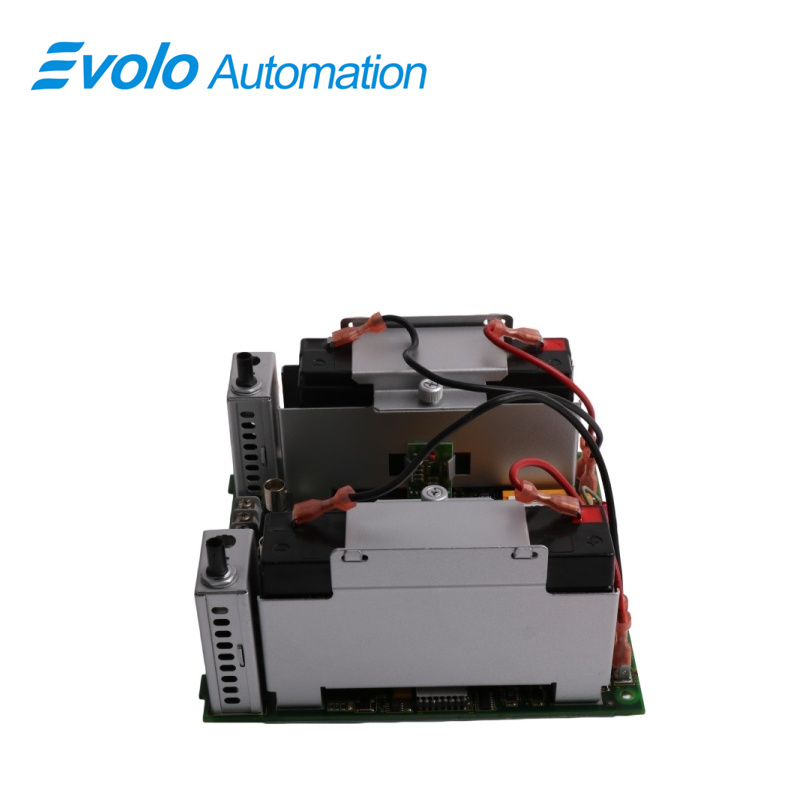
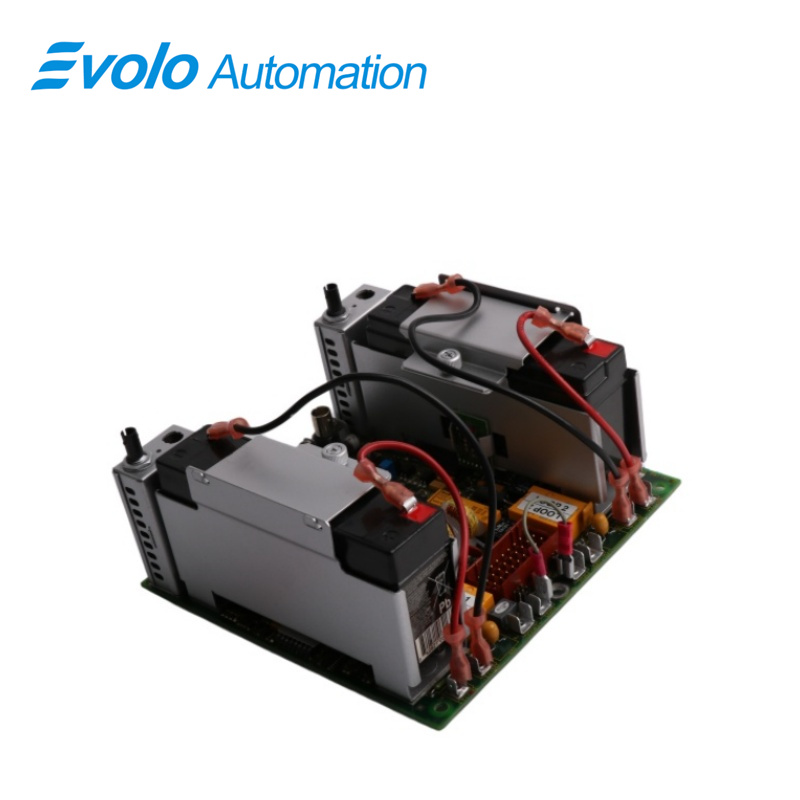
NTCF22 Fiber Optic Communication Termination Unit
Email: [email protected]
whatsApp: +86-18150117685
- Overview
- Specifications
- Description
- Applications
- Features
- Competitive Advantage
- Troubleshooting and Diagnostics
- FAQ
- Recommended Products
Overview
Place of Origin: |
Sweden |
Brand Name: |
ABB |
Model Number: |
NTCF22 |
Packaging Details: |
Original new Factory Sealed |
Delivery Time: |
5-7 days |
Payment Terms: |
T/T |
Supply Ability: |
In stock |
Specifications
|
Parameter |
Specification |
|
Model |
NTCF22 |
|
Device Type |
Fiber Optic Communication Termination Unit |
|
Dimensions |
17.6 × 18 × 19 cm |
|
Weight |
2.15 kg |
|
Power Supply |
24 V DC |
|
Operating Temperature |
-20 °C to +60 °C |
|
Mounting |
DIN rail or panel mounting |
|
RoHS Compliance |
Not RoHS compliant |
|
WEEE Category |
Small Equipment (no external dimension >50 cm) |
|
Number of Batteries |
2 |
|
Battery Type |
Lead-Acid, portable |
|
Battery Weight |
650 g |
Description
The ABB NTCF22 module is a key component in modern industrial automation systems, designed to deliver reliable performance, precise monitoring, and seamless integration with PLC-based control networks. As industries increasingly rely on automated systems for efficiency, accuracy, and safety, modules like the NTCF22 play a pivotal role in ensuring that complex processes are monitored and controlled effectively.
This blog provides a comprehensive overview of the NTCF22 module, including its technical specifications, operational capabilities, installation considerations, and practical applications in industrial automation environments. Whether you are an engineer, technician, or system integrator, understanding the functionality and advantages of this ABB module is essential for designing high-performance control systems.
Applications
Large power plants: Connecting boilers, turbines, and remote water treatment units.
Petrochemical/refinery plants: Long-distance explosion-proof area communication across workshops.
Steel and iron ore plants: Data transmission in environments with high electromagnetic interference.
Large paper mills: Network backbone for distributed I/O sites.
Features
High Precision Input/Output: Supports accurate signal acquisition and output control.
Robust Industrial Design: Capable of withstanding temperature fluctuations, electrical noise, and vibration.
PLC Integration: Easily interfaces with ABB and compatible PLCs for seamless automation control.
Modular Architecture: Can be combined with other ABB modules to scale automation systems efficiently.
Diagnostic Indicators: Built-in LEDs and monitoring functions for troubleshooting and preventive maintenance.
Flexible Mounting Options: DIN rail or panel mounting ensures installation adaptability.
Competitive Advantage
Reliable Performance: High-quality components and robust design ensure consistent operation.
High-Speed Data Acquisition: Real-time monitoring enables rapid system adjustments.
Scalability: Modular design allows easy system expansion as automation needs grow.
Simplified Maintenance: Diagnostic indicators and modular replacement reduce downtime.
Enhanced Safety: Electrical isolation and ABB-certified design minimize system risks.
Cost Efficiency: Reduces manual monitoring, improves process accuracy, and extends system lifespan.
Troubleshooting and Diagnostics
LED Status Indicators: Provide visual feedback on module operation.
Fault Detection: Detect signal interruptions, channel failures, or wiring issues.
PLC Monitoring: Real-time monitoring via ABB PLCs allows early detection of anomalies.
Module Replacement: Modular architecture allows quick replacement without affecting the rest of the system.
FAQ
Q1: What problem does the NTCF22 primarily solve?
A: It solves the problem of electromagnetic interference and signal attenuation in long-distance transmission of electrical signals, enabling isolated communication between different control stations via optical fiber.
Q2: If the "OK" light on the NTCF22 is off, what should I check first?
A: First, check if the module's input power supply is normal. Second, check if the backplane connections are loose.
Q3: Does the NTCF22 support hot-swapping?
A: In the Harmony system, this termination unit typically supports physical replacement without affecting the main system program's operation, but it is recommended to operate in a shutdown or redundant state for safety.
Q4: Why does my fiber optic link NTCF22 show frequent packet loss?
A: Possible causes include dirty fiber endfaces, excessive fiber optic splice loss, or aging and attenuation of the NTCF22 module's optical transmit power.
Q5: Can the NTCF22 communicate with PLCs from different brands?
A: No. It is a proprietary accessory for the ABB INFI 90/Harmony system and must be used with a corresponding bus interface module (such as NIS/NPM).