EN
EN




- Overview
- Specifications
- Description
- Applications
- FAQ
- Recommended Products
Overview
Place of Origin: |
Sweden |
Brand Name: |
ABB |
Model Number: |
NDBU-95 |
Packaging Details: |
Original new Factory Sealed |
Delivery Time: |
5-7 days |
Payment Terms: |
T/T |
Supply Ability: |
In stock |
Specifications
|
Product Name: |
Branching Unit |
|
Model: |
NDBU-95 |
|
Dimensions: |
26.3 x 9.5 x 5 cm |
|
Weight: |
0.7 kg |
|
Number of Outputs: |
9 outputs (all 10 Mb) |
|
Communication Interface: |
RS-485 |
|
Pulse Transmission Output: |
450 |
|
Mounting Type: |
Panel mount |
|
Power Supply: |
24 V DC |
|
Data Rate: |
Supports 1, 2, 4, and 8 Mbit/s (high-frequency capability) |
|
Cable Length: |
Short 0.1–5 m, Medium 5–20 m, Long 15–30 m |
|
Transmitter Setting: |
20 mA, 30 mA, 50 mA |
|
WEEE Category: |
Product Not in WEEE Scope |
Description
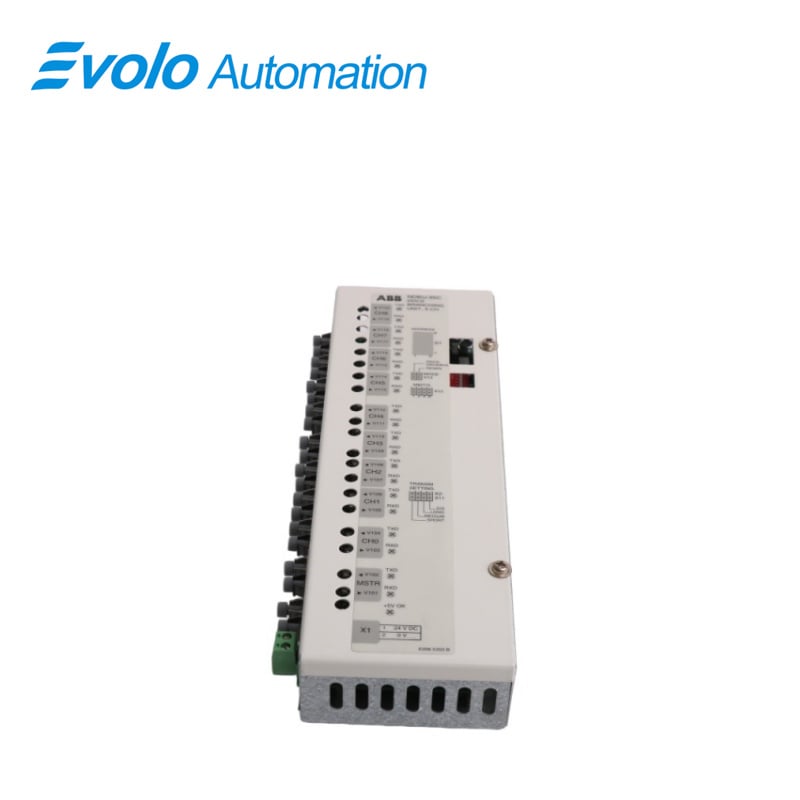
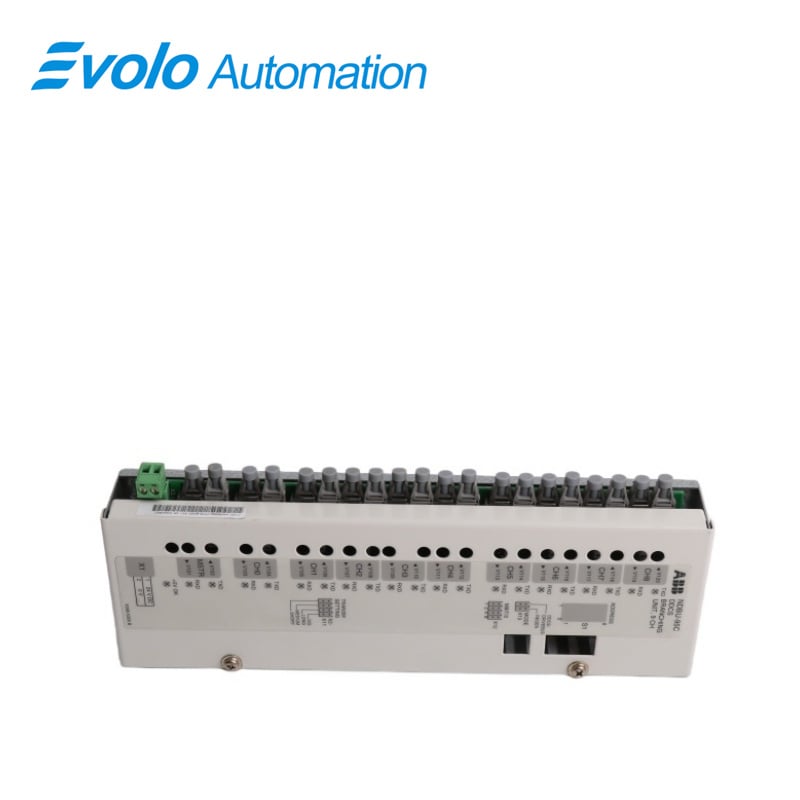
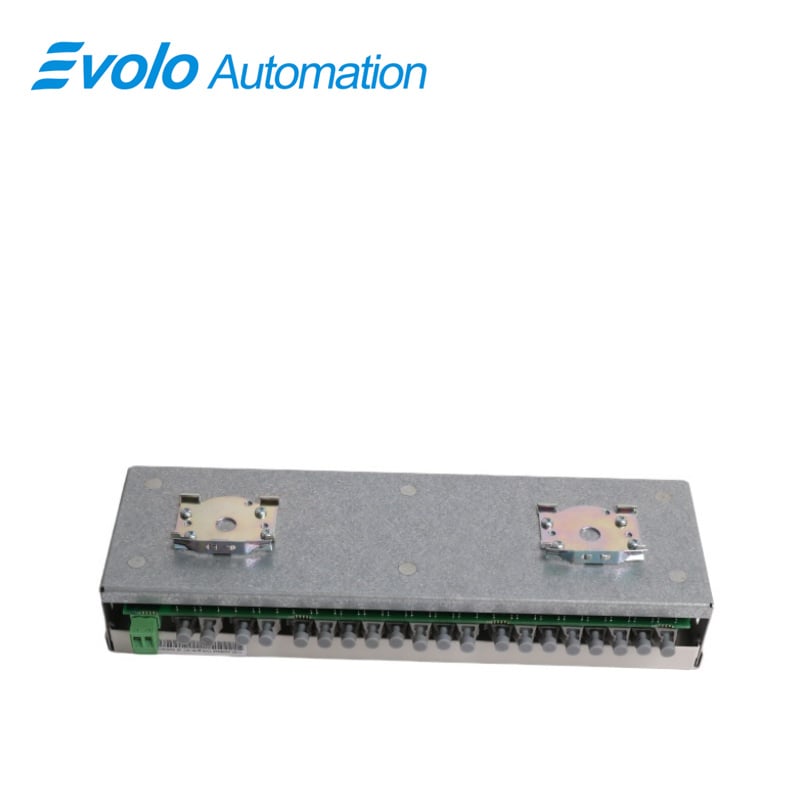
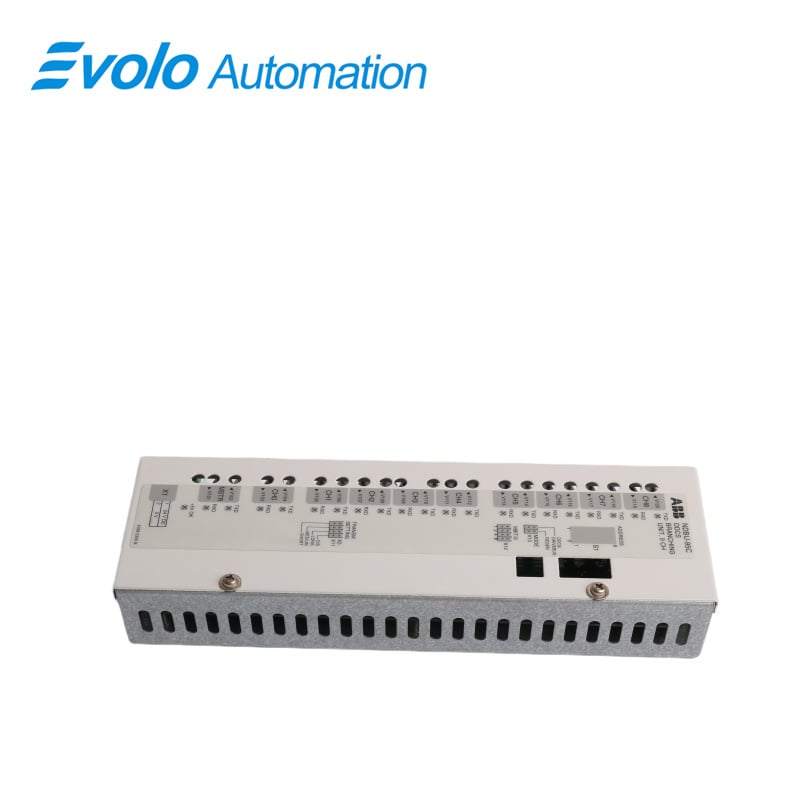
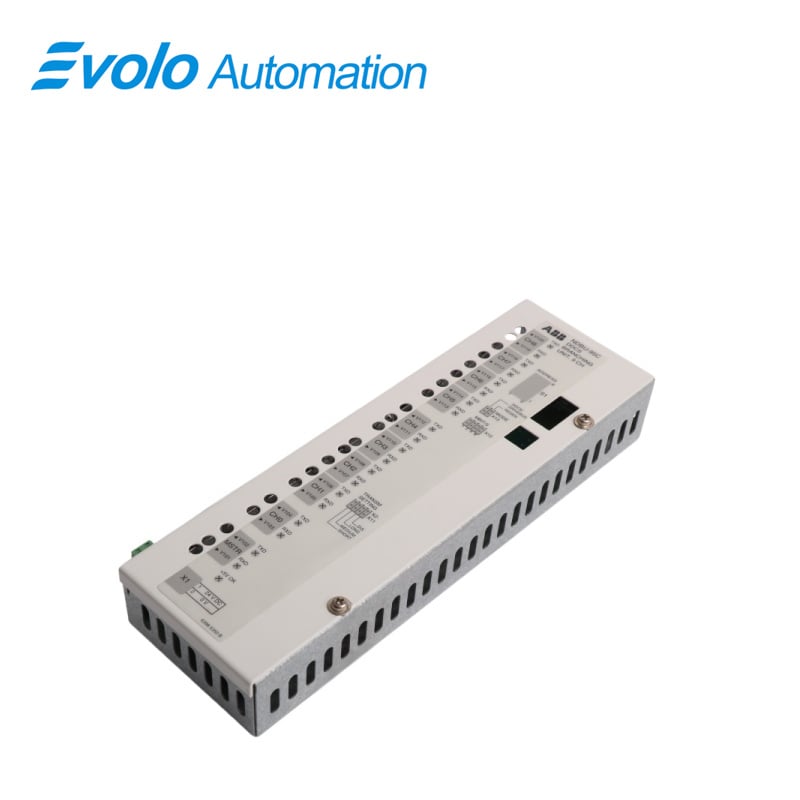
The ABB NDBU-95 is a DDCS (Direct DDCS) branching unit designed specifically for high-performance fiber optic communications. In ABB drive control networks (such as the ACS600, ACS800, and DCS600/800 series), it acts as a hub, precisely distributing signals between the master controller and multiple slave drives.
Applications
Steel and metal processing plants: Used to control the high-speed synchronous operation of multi-stand rolling mills.
Paper and textile machinery plants: Distribute control signals in multi-unit drive networks requiring extremely high data throughput.
Power plants and energy plants: Perform real-time monitoring and data linking in large wind turbine generators or power distribution systems.
FAQ
Q: What is the difference between NDBU-95 and NDBU-85?
A: NDBU-95 uses a 10 MBd optical component, supporting communication rates up to 8 Mbit/s, while NDBU-85 typically only supports up to 4 Mbit/s.
Q: Can different cables be used in the same fiber optic link about NDBU-95?
A: No. POF or HCS must be used consistently, and the optical component types at the connection ends must be identical.
Q: What does NDBU-95C with the "C" suffix represent?
A: It indicates that the circuit board has a Conformal Coating, providing better moisture and corrosion protection, suitable for salt spray or chemical environments.
Q: What is the purpose of jumper X13 when communication fails about NDBU-95?
A: X13 is used to set the communication mode. The default is DDCS/DRIVEBUS. If used for a power feedback system, it may need to be set to REGEN mode.
Q: Why is the NDBU-95 called an "Optical Divider"?
A: Because its function is to "branch" a set of input optical signals to multiple devices, while simultaneously "converging" the feedback signals from each device back to the main controller.