EN
EN




- Overview
- Quick Detail
- Description
- Features
- Connections
- Frequently Asked Questions
- Recommended Products
Overview
Place of Origin: |
USA |
Brand Name: |
GE |
Model Number: |
DS200TBQBG1ACB |
Packaging Details: |
Original new Factory Sealed |
Delivery Time: |
5-7 days |
Payment Terms: |
T/T |
Supply Ability: |
In stock |
Quick Detail
|
Dimensions |
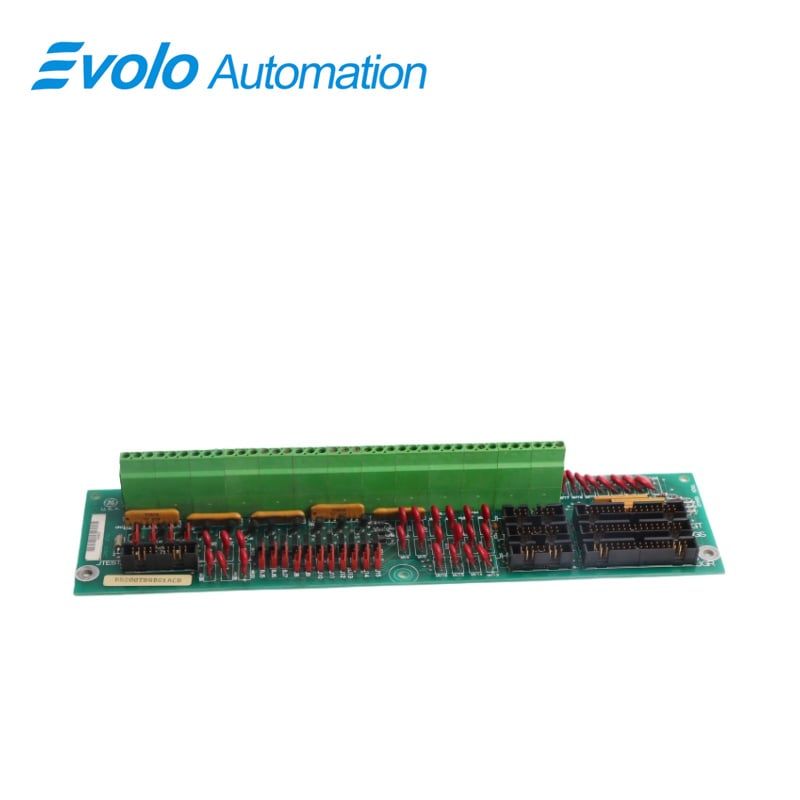
28.8 x 7.2 x 3.8 cm |
|
Weight |
0.32 kg |
|
Part Number |
DS200TBQBG1ACB |
|
Manufacturer |
General Electric |
|
Country of Manufacture |
United States of America (USA) |
|
Product Type |
Input Termination Module |
|
Availability |
In Stock |
|
Series |
Mark V |
|
Location |
Position seven within R2 and R3 cores |
|
Connections |
JGR (vibration, analog current, voltage); JHR (pulse rate, compressor stall); JGS/T and JHS/T (future expansion) |
|
Handled Signals |
Vibrations; analog currents; voltages; pulse rates; compressor stall detections |
|
Integration |
TCOA and TCQC boards |
|
Function |
Signal management; data acquisition; processing; transmission |
|
Applications |
Operational monitoring; predictive maintenance; system control |
|
Signal Line Connections: |
77 |
|
Jumpers: |
15 |
|
34-Pin Connectors: |
3 |
|
16-Pin Connectors: |
3 |
|
Terminals: |
154 |
|
Function: |
Copper signal line connection and routing |
|
Signal Processing: |
Connects to driver and other boards for signal handling |
Description
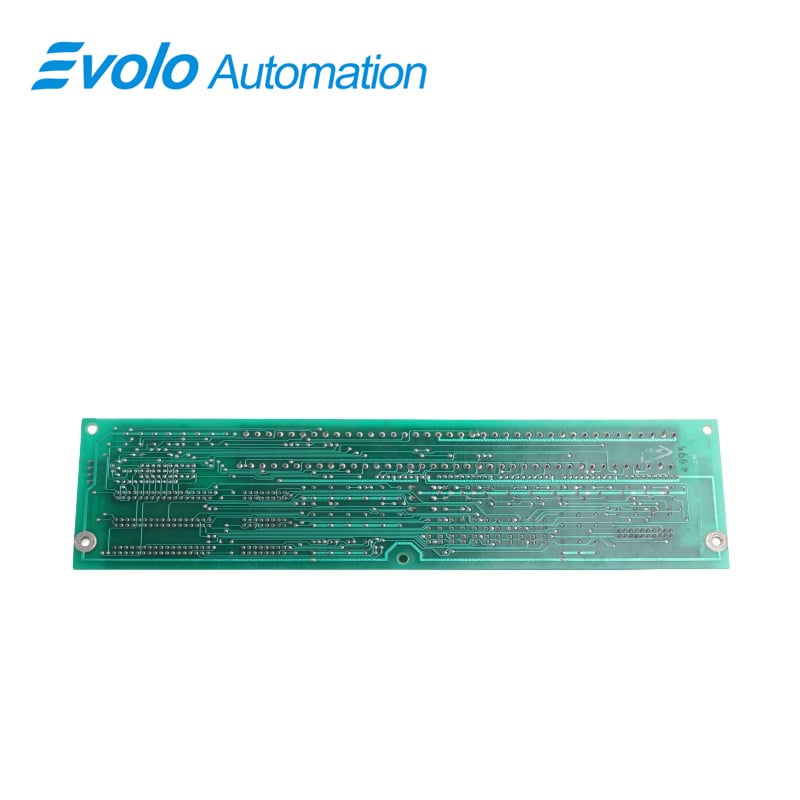
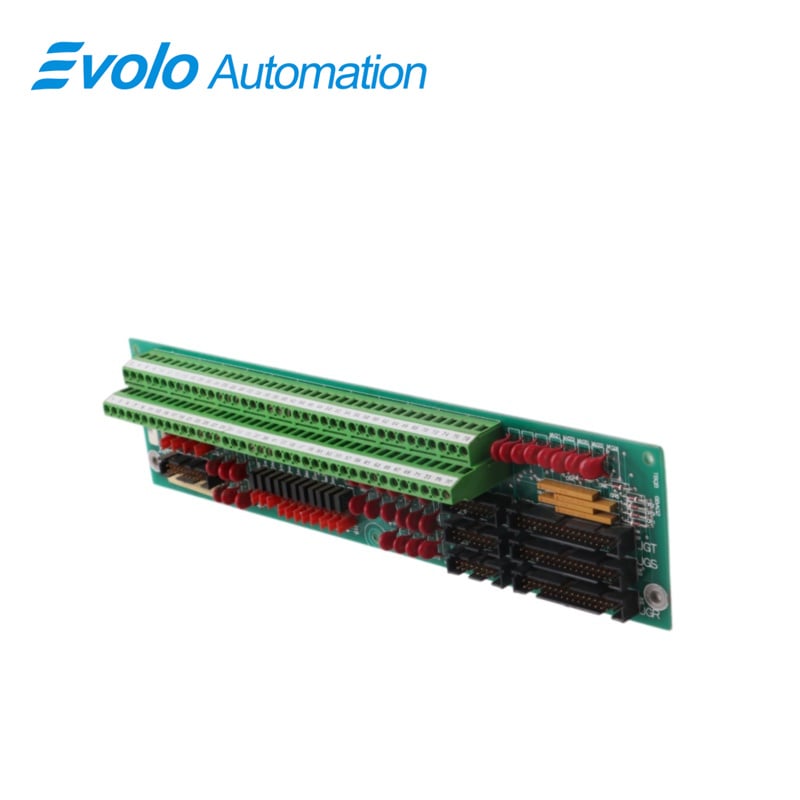
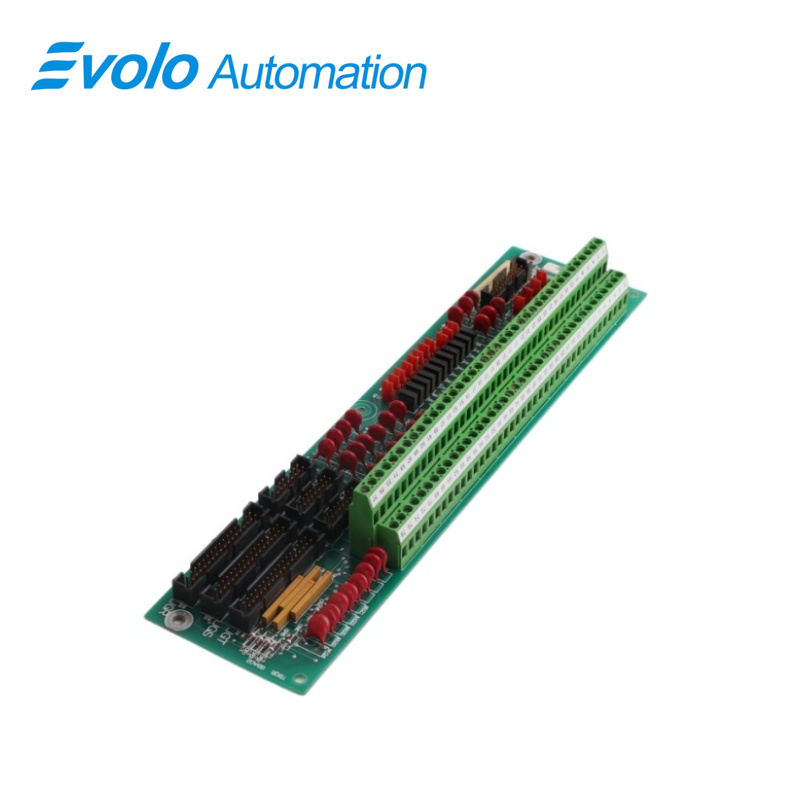
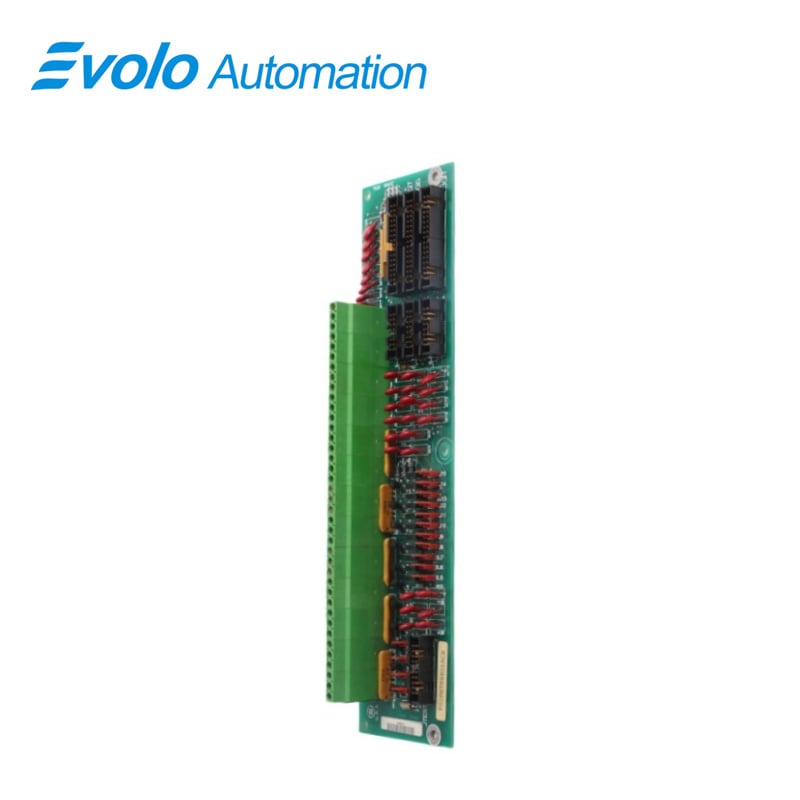
DS200TBQBG1ACB is an Input Termination Module developed by GE. It is a part of the Mark V control system. The Input Termination Module (TBQB) is strategically located at position seven within the R2 and R3 cores of the system. This terminal board serves a critical role in handling and processing various input signals essential for monitoring and controlling operational parameters.
Features
Location and Connectivity: In the R2 core, the terminal board is connected to the TCOA and TCQC boards located in the R1 core. This connection facilitates the transfer of data and signals between cores, enabling coordinated monitoring and control operations. Similarly, in the R3 core, the terminal board connects to the TCOA and TCQC boards within the same core. This setup ensures localized processing and integration of input signals specific to the R3 core's operational requirements.
Handled Input Signals: The terminal board receives and processes various types of input signals critical for operational monitoring:
Voltage Signals: These signals provide insights into electrical parameters, such as voltage levels within the system.
Vibration Signals: Vibration monitoring signals help assess mechanical integrity and performance, crucial for preventing equipment failure and optimizing maintenance schedules
Pulse Rate Signals: Pulse rate inputs indicate the frequency or rate of specific events or processes, aiding in precise monitoring and control adjustments.
Integration with TCOA and TCQC Boards: Integration with TCQA and TCQC boards allows the TBQB terminal board to interface seamlessly with control and acquisition systems. This integration supports real-time data acquisition, processing, and transmission, enhancing overall system responsiveness and reliability.
Operational Impact: By consolidating these input signals on the board, the system benefits from centralized data handling and streamlined communication between cores. This setup optimizes operational efficiency, facilitates predictive maintenance strategies, and ensures prompt response to operational anomalies.
Connections
The Input Termination Module is strategically positioned within the R2 and R3 cores of the industrial system, fulfilling a crucial role in the management and processing of essential input signals vital for operational oversight and control. Located at position seven, this terminal board serves as a central hub for handling a variety of critical signals, including vibrations, analog currents, voltages, pulse rates, and compressor stall detections. These signals are pivotal in monitoring the health, performance, and safety of equipment within the operational environment.
One of the primary connections on the board is JGR, which plays a pivotal role in transmitting vibration signals, as well as analog current and voltage signals, to the board in their respective cores (R2 and R3). These signals provide invaluable insights into mechanical vibrations and electrical parameters, facilitating real-time monitoring and proactive maintenance strategies. Such data is essential for ensuring optimal equipment performance and longevity across industrial applications.
Another significant connection, JHR, handles pulse rate inputs and compressor stall detection inputs, directing them to the TcQC board within their respective cores. Pulse rate inputs offer critical frequency data for operational adjustments, while compressor stall detection inputs preemptively identify potential risks enhancing operational safety and efficiency. This integration of signals across the board and its connections underscores its role in enabling comprehensive data acquisition and control capabilities.
While JGS/T and JHS/T connections remain typically unused in standard operations, they serve as potential reserves for future system expansions or specific customization needs. These connections highlight the modular flexibility of the terminal board, allowing for scalability and adaptation to evolving operational requirements.
Frequently Asked Questions
What is DS200TBQBG1ACB?
It is an Input Termination Module developed by GE under the Mark V series.
What signals does the DS200TBQBG1ACB handle?
It handles vibration signals, analog currents, voltages, pulse rates, and compressor stall detection inputs, crucial for monitoring equipment performance and safety
How does the DS200TBQBG1ACB transmit signals?
Signals like vibration and analog data are sent via JGR to the TCQA board, while pulse rates and stall detection data go through JHR to the TCQC board, ensuring seamless integration and data flow
What are JGS/T and JHS/T connections of DS200TBQBG1ACB used for?
These connections are typicaly unused but provide flexibility for future expansions or specific customization needs within the system.