EN
EN




- Overview
- Quick Detail
- Description
- Applications
- Specifications
- Competitive Advantage
- Recommended Products
Overview
Place of Origin: |
USA |
Brand Name: |
Bently Nevada |
Model Number: |
990-05-50-02-05 |
Packaging Details: |
Original new Factory Sealed |
Delivery Time: |
5-7 days |
Payment Terms: |
T/T |
Supply Ability: |
In stock |
Quick Detail
|
Full-scale Option : |
0-5 mils pp (0-125 μm pp) |
|
System Length Option : |
5.0 meters (16.4 feet) |
|
Mounting Option: |
Bulkhead screws |
|
Agency Approval Option : |
CSA Division 2, ATEX Zone 0, ATEX Zone 2 and includes ABS maritime approval |
|
Dimension: |
7.3x5.2x9.8cm |
|
Weight: |
0.44kg |
Description
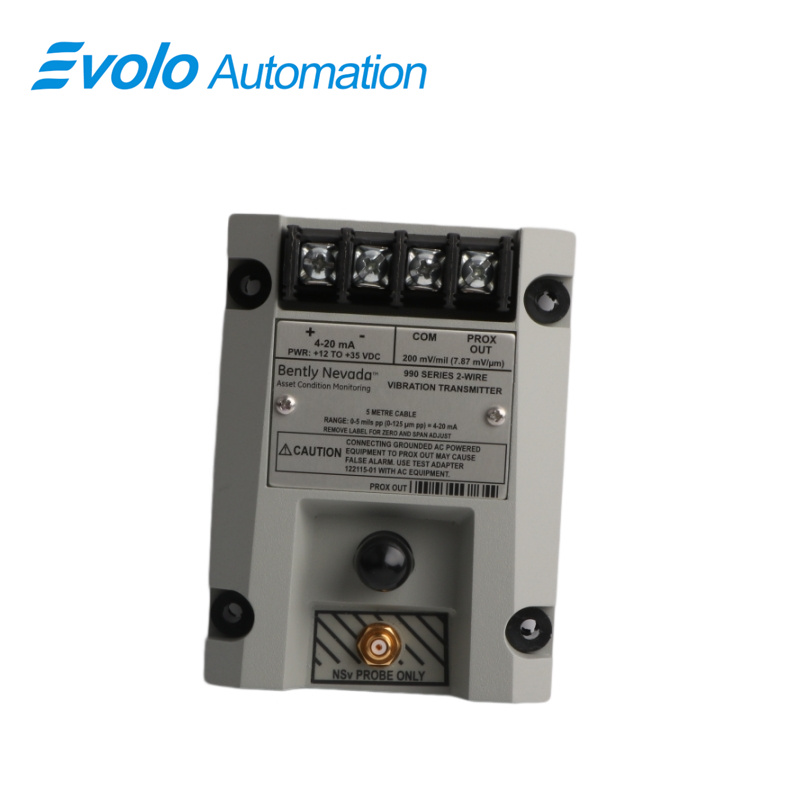
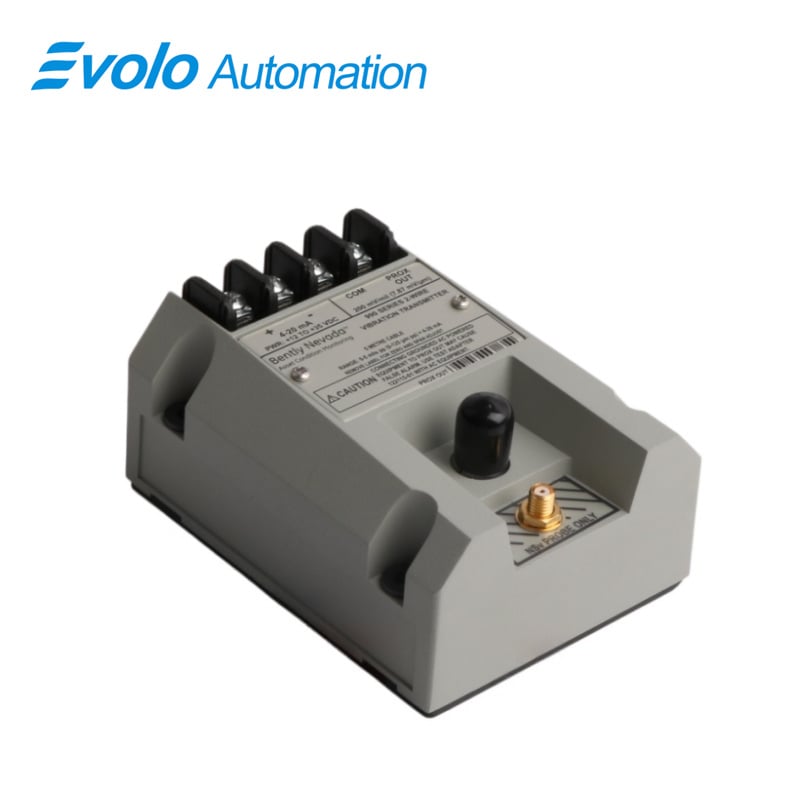
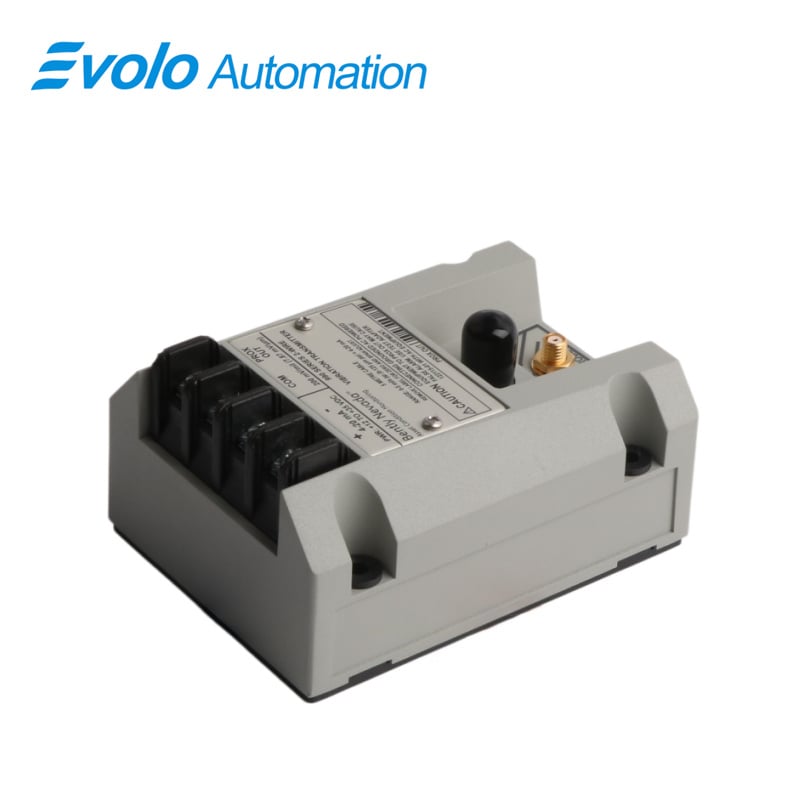
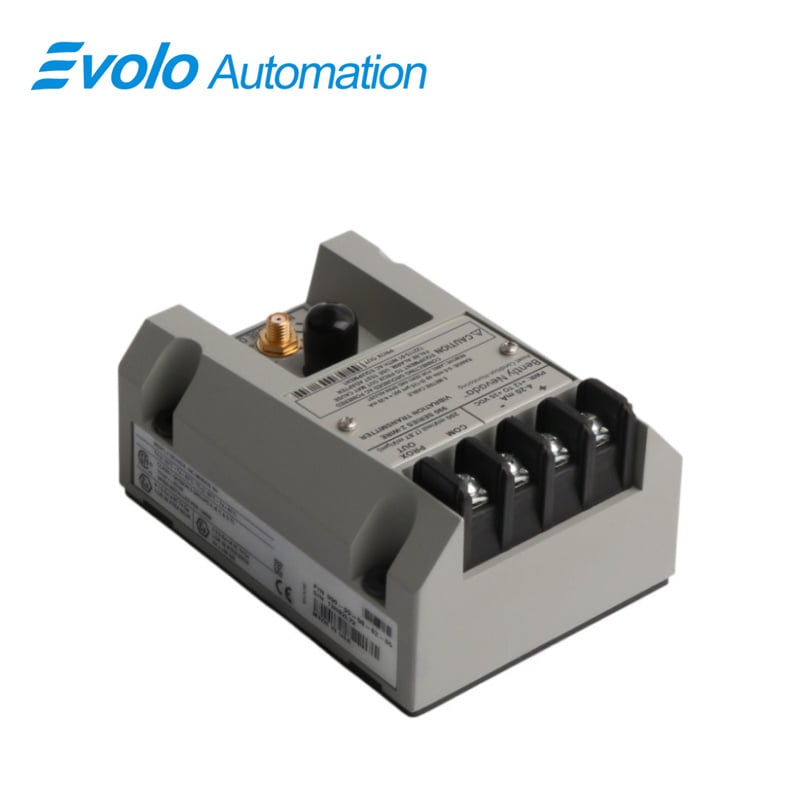
The 990-05-50-02-05 Vibration Transmitter from Bently Nevada™ converts input from a 3300 NSv Proximity Probe into a 4–20 mA proportional vibration signal for machinery control and automation systems. The 990-05-50-02-05 Vibration Transmitter supports a full-scale range of 0–5 mils pp (0–125 μm pp) and a linear output range of 0.25–1.65 mm (10–65 mils) at a 10 kΩ output impedance calibrated for a 10 MΩ load. Loop-powered with +12 to +35 Vdc input and 23 mA typical current draw, the 990-05-50-02-05 Vibration Transmitter integrates PROX OUT and COM terminals with coaxial diagnostic output and a test input pin for quick verification of the loop signal.
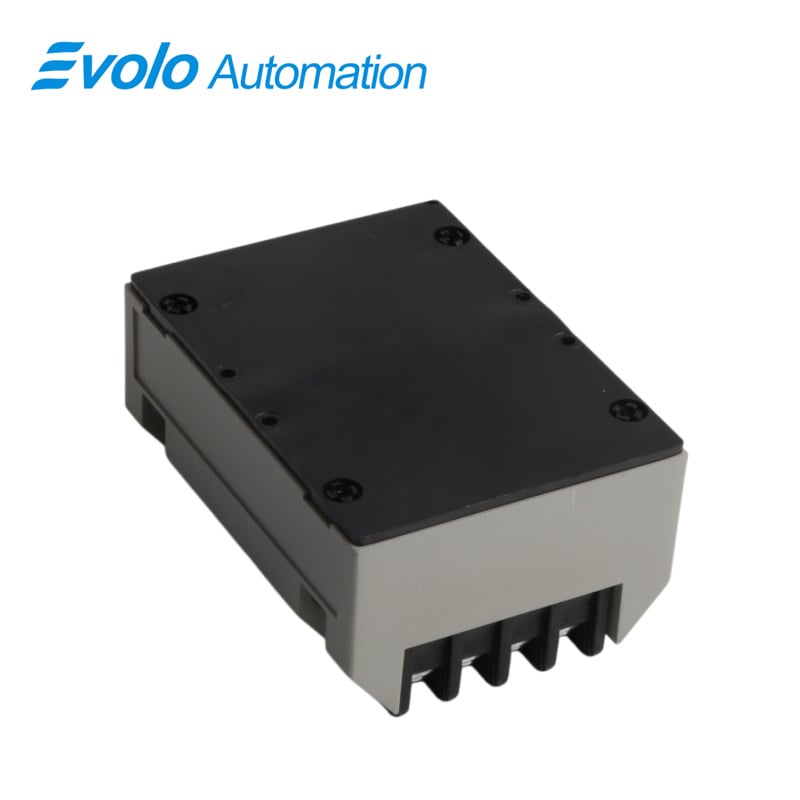
Operating from -35°C to +85°C and storing up to -52°C to +100°C, the 990-05-50-02-05 Vibration Transmitter withstands industrial environments with up to 100% condensing humidity. Bulkhead mounting screws or DIN rail options allow secure installation in confined machinery spaces typical of centrifugal air compressors, pumps, motors, and fans. The 990-05-50-02-05 Vibration Transmitter also meets CSA Division 2, ATEX Zone 0, ATEX Zone 2, and ABS maritime approvals, providing a reliable automation-ready solution for OEMs seeking proportional vibration data input for machinery protection and control logic.
Applications
Oil and Gas/Petrochemical Plants: Used to monitor shaft vibration in centrifugal air compressors, small pump sets, and fans to prevent critical unit failures.
Power Industry: Monitors the operating status of auxiliary rotating equipment (such as motors and cooling tower fans) in power plants.
Water Treatment Plants: Monitors the vibration levels of wastewater pumps or aerators.
OEM Machinery Manufacturing: Often integrated into equipment control panels by compressor or pump manufacturers (OEMs) as a standard vibration monitoring solution.
Specifications
|
Operating Temperature: |
-35°C to +85°C (-31°F to +185°F) |
|
Storage Temperature : |
-52°C to +100°C (-62°F to +212°F). |
|
Input: |
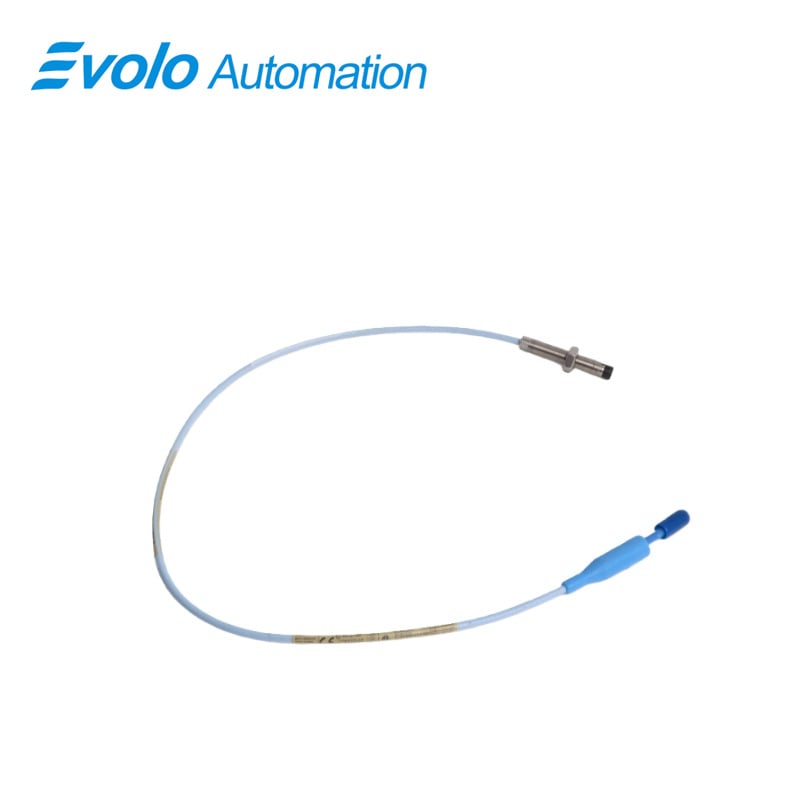
Accepts 1 non-contacting 3300 NSv Proximity Probe and extension cable |
|
Power: |
Requires +12 to +35 Vdc input at the transmitter terminal |
|
Maximum Loop Resistance: |
1,000 Ω including cable at 35 Vdc |
|
Current Limiting: |
23 mA typical |
|
Output Impedance: |
Prox Out has a 10 kΩ output impedance calibrated for a 10 MΩ load |
|
Linear Range: |
0.25 to 1.65 mm (10 to 65 mils) for Prox Out |
|
Leadwire Length: |
Proximitor Sensor Output (BNC connector), maximum cable distance is 3 meters (10 feet) |
Competitive Advantage
Provide Proportional 4–20 mA Output
The 990-05-50-02-05 Vibration Transmitter converts 3300 NSv Proximity Probe input into a standard 4–20 mA signal, delivering real-time vibration data to automation and control systems for machinery protection.
Enable Quick Loop Verification
Test input pins and coaxial PROX OUT terminals on the 990-05-50-02-05 Vibration Transmitter allow fast verification of loop signals, reducing commissioning time and operational errors.
Withstand Industrial Conditions
The 990-05-50-02-05 Vibration Transmitter operates from -35°C to +85°C, handles up to 100% condensing humidity, and supports loop resistance up to 1,000 Ω, ensuring reliable operation in industrial machinery monitoring applications.
Support OEM and Hazardous Area Applications
With CSA Division 2, ATEX Zone 0, ATEX Zone 2, and ABS maritime approvals, the 990-05-50-02-05 Vibration Transmitter meets automation requirements in hazardous and high-demand industrial areas.