EN
EN




- Overview
- Quick Detail
- Description
- Applications
- Specifications
- Competitive Advantage
- Recommended Products
Overview
Place of Origin: |
USA |
Brand Name: |
Bently Nevada |
Model Number: |
330400-01-00 |
Minimum Order Quantity: |
1 |
Packaging Details: |
Original new Factory Sealed |
Delivery Time: |
5-7 days |
Payment Terms: |
T/T |
Supply Ability: |
In stock |
Quick Detail
|
Mounting Thread Option : |
¼-28 UNF integral stud |
|
Agency Approval Option : |
None |
|
Total Length Option: |
1.0 meter (3.3 feet) |
|
Connector and Cable-Type Option: |
Miniature coaxial ClickLoc connector, FluidLoc cable |
|
Dimension: |
6.2x2.5x2.3cm |
|
Weight: |
0.08kg |
Description
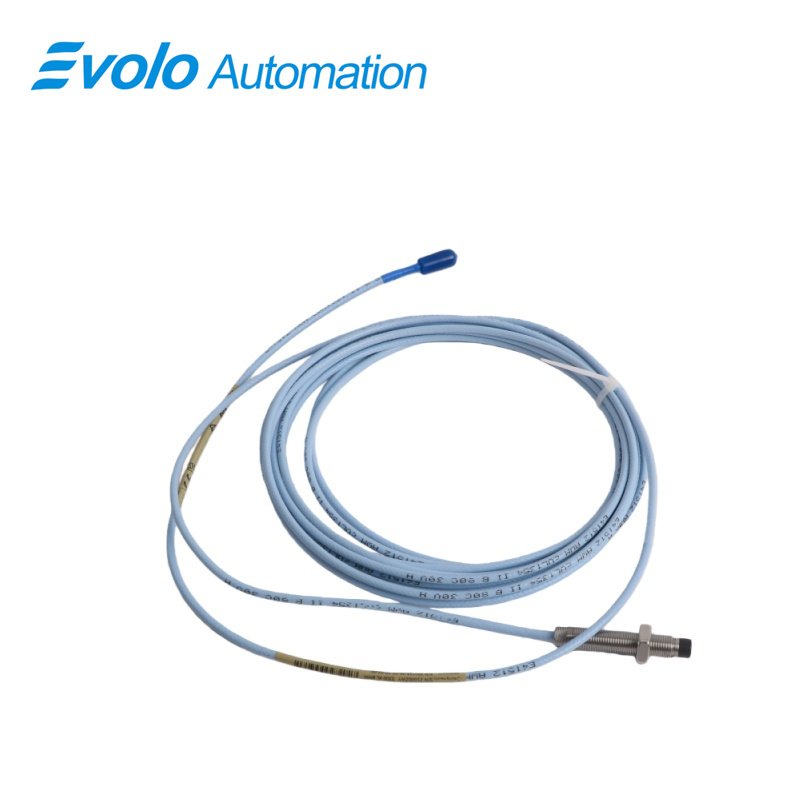
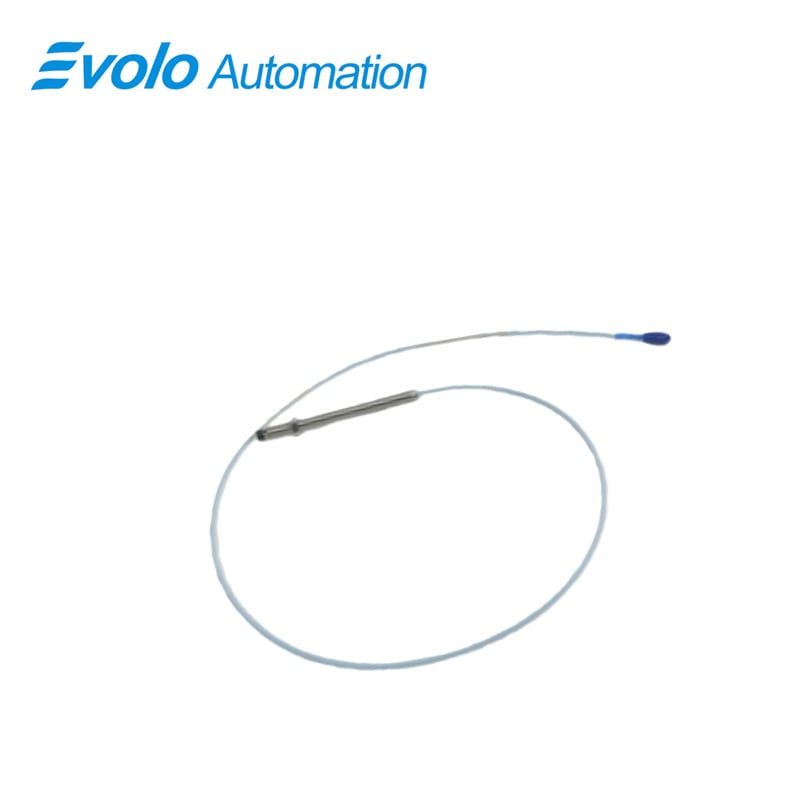
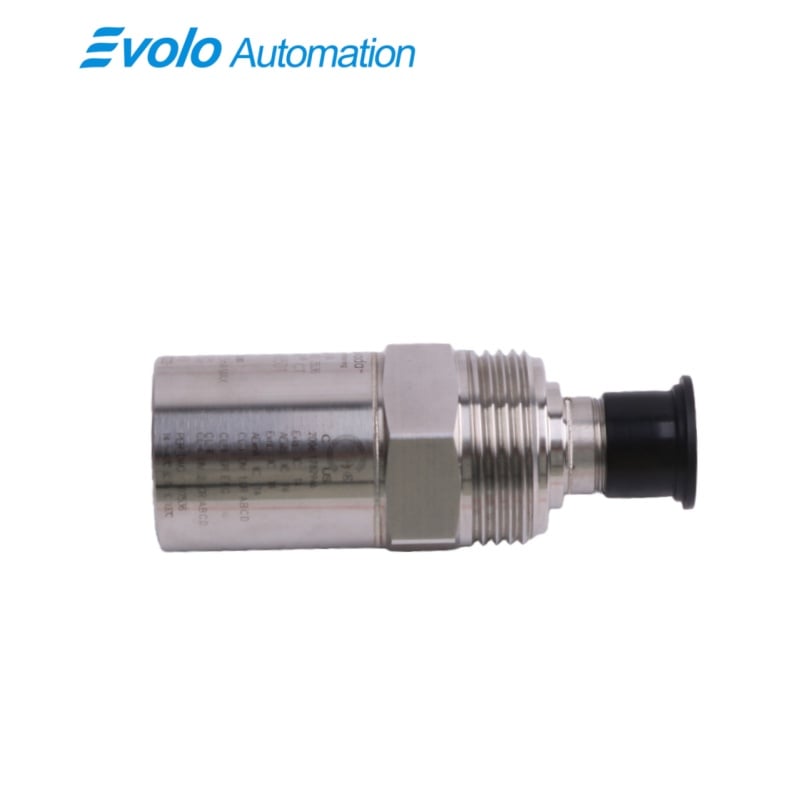
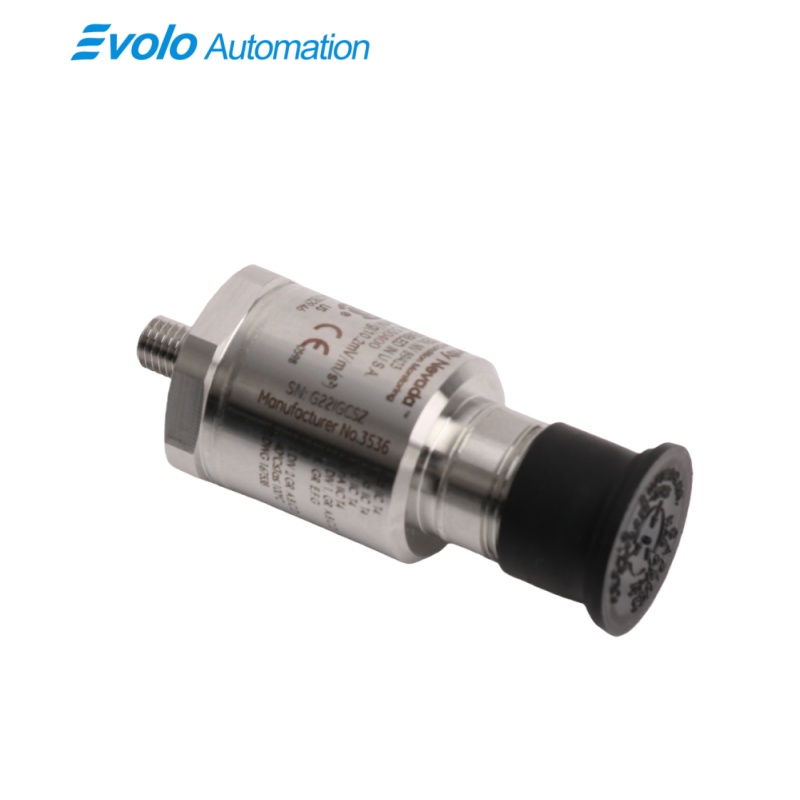
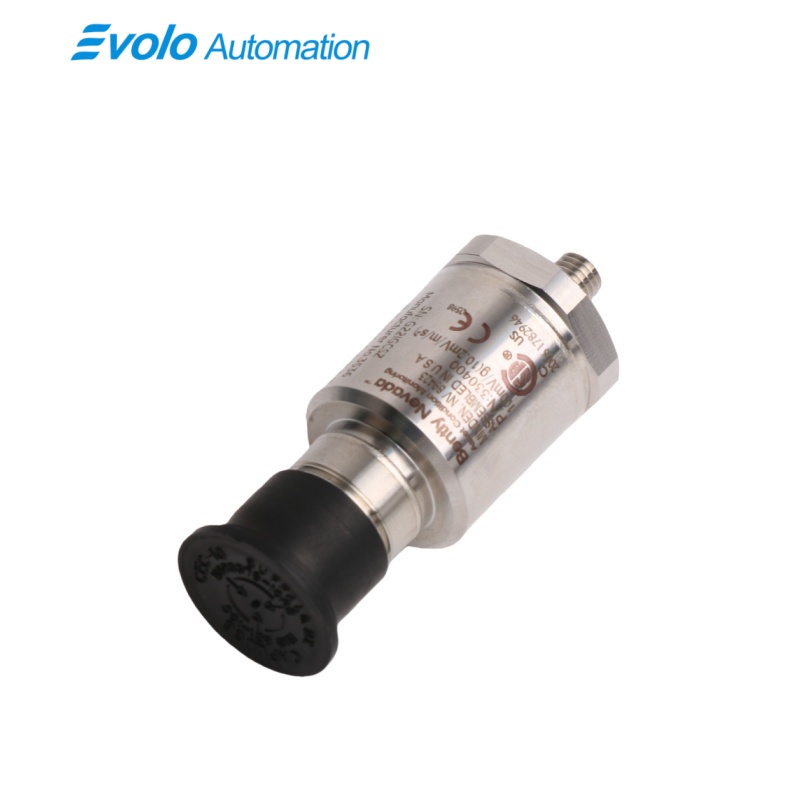
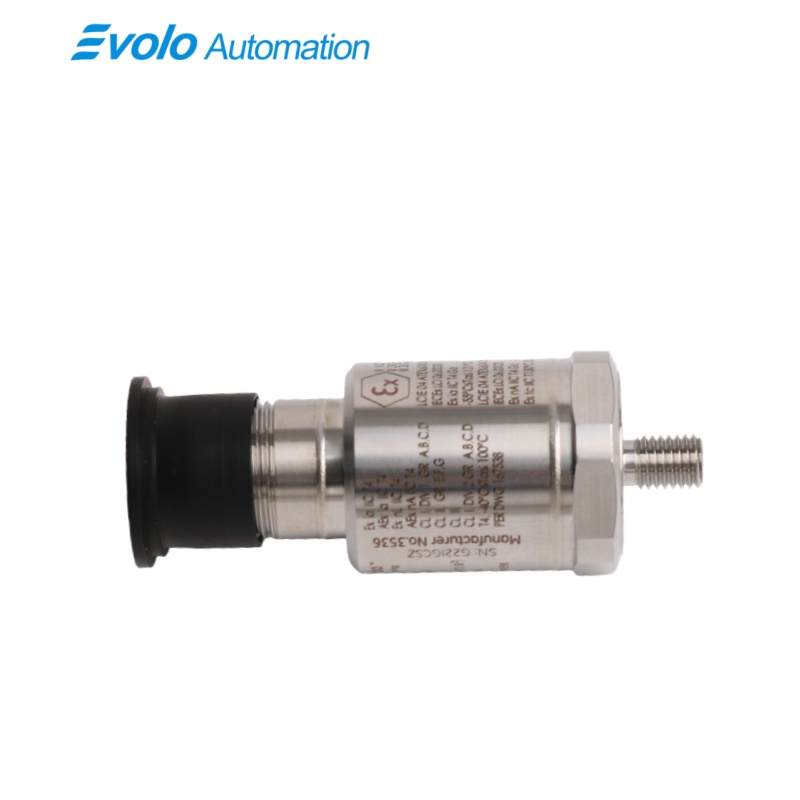
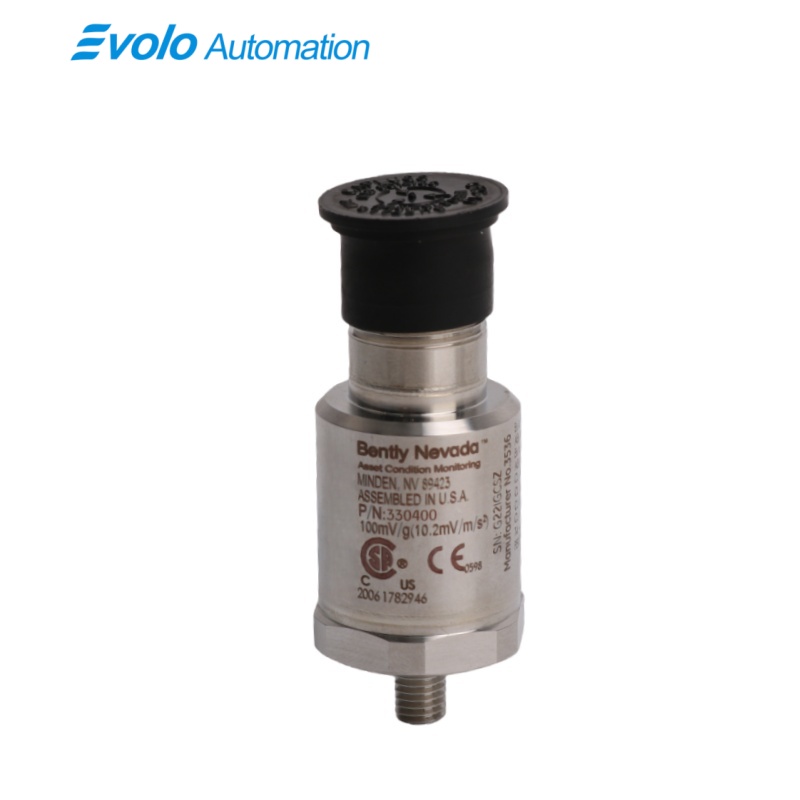
The 330400-01-00 Accelerometer stands as a premier sensing solution within Bently Nevada’s vibration monitoring portfolio, engineered specifically for high-precision acceleration measurements in industrial environments. As a high-performance piezoelectric sensor, the 330400-01-00 Accelerometer is designed to capture high-frequency vibration data that proximity probes might miss, making it an essential tool for detecting early-stage bearing defects, gear mesh issues, and structural resonance. This 330400-01-00 Accelerometer features a specialized 1/4-28 UNF integral stud mounting option, ensuring a rigid mechanical coupling to the machine housing, which is critical for accurate high-frequency signal transmission.
In terms of construction, the 330400-01-00 Accelerometer utilizes a robust stainless steel housing that provides exceptional durability against industrial contaminants and mechanical stress. This model is equipped with a 1.0-meter (3.3 feet) integrated FluidLoc cable, a standout feature of the 330400-01-00 Accelerometer that creates an internal hermetic seal to prevent oil or moisture migration. The cable terminates in a miniature coaxial ClickLoc connector, ensuring a secure and vibration-resistant connection to the monitoring system. The 330400-01-00 Accelerometer operates reliably across an expansive temperature range of -45°C to +160°C, allowing it to perform in high-heat turbine zones and frigid outdoor pumping stations alike.
Applications
The 330400-01-00 Accelerometer is primarily utilized for high-frequency vibration monitoring on the bearing housings of critical rotating machinery. Its piezoelectric design is specifically capable of detecting the ultrasonic stress waves generated by early-stage rolling element bearing failures or gear tooth pitting. By providing a clear acceleration signal, it enables maintenance teams in power plants and refineries to diagnose complex mechanical issues that low-frequency velocity sensors or proximity probes might overlook.
This sensor is highly effective for monitoring structural vibration and resonance in industrial equipment such as large compressors and centrifugal fans. The 330400-01-00 Accelerometer uses its 1/4-28 UNF integral stud to ensure a "hard-mount" connection, which is essential for capturing the true vibration of the machine casing. Its FluidLoc cable and rugged stainless steel case allow for deployment in "wet" environments where lubricating oil or cooling fluids are prevalent, ensuring the sensor remains operational without internal contamination or signal drift.
In aerospace ground support and heavy manufacturing applications, the 330400-01-00 Accelerometer serves as a vital component for overspeed protection and impact detection. The lightweight 0.08kg design ensures that the sensor does not add significant mass to the mounting surface, preserving the accuracy of the vibration data. Its wide temperature range (-45°C to +160°C) allows it to be installed near hot turbine stages or high-pressure reciprocating engines, providing 24/7 real-time monitoring of casing health and structural integrity.
Specifications
|
Operating Temperature Range: |
-45C to +160°C (-61°F to+345°F) |
|
Linear Range: |
2 mm |
|
Output Resistance: |
40 Ω |
|
Supply Sensitivity: |
Less than 2 mV change in output voltage per volt change in input voltage. |
|
Power: |
Requires -16.5 Vdc to -23 Vdc |
|
Probe Tip Material: |
Polyphenylene sulfide (PPS) |
|
Probe Case Material: |
AISI 303 or 304 stainless steel(SST) |
Competitive Advantage
1. Global Safety Certifications for Hazardous Area Reliability
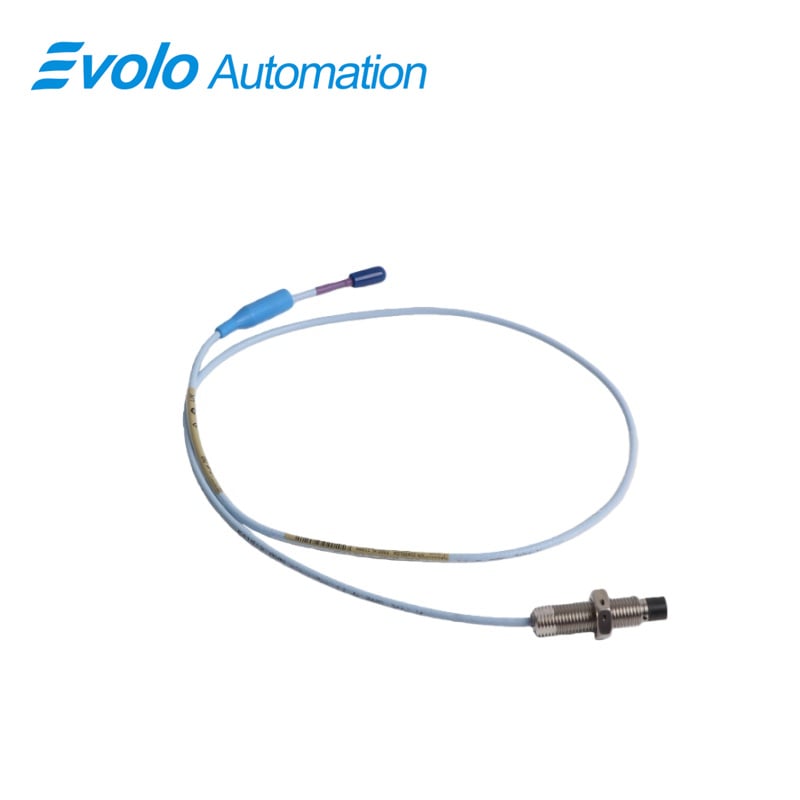
Equipped with CSA, ATEX, and IECEx triple authoritative approvals, this 3300 XL 8 mm Proximity Probe fully complies with global hazardous area standards, enabling safe deployment in flammable and explosive environments such as offshore drilling platforms, refineries, and chemical plants. Unlike non-certified alternatives, its compliance eliminates safety risks in high-risk industrial zones, while the AISI 303/304 stainless steel case and PPS probe tip enhance corrosion and wear resistance—ensuring long-term stability in harsh, corrosive settings. This dual advantage of safety certification and robust material makes it a trusted choice for critical hazardous area monitoring.
2. Compact & Lightweight Design with Space-Saving Flexibility
Boasting a compact dimension of 1.5x1.3x120cm (including 1.0m/3.3ft standard cable) and an ultra-lightweight design of 0.1kg, this 3300 XL 8 mm Proximity Probe excels in space-constrained installations. The 0 mm unthreaded length and 1 in overall case length optimize its fit in tight equipment cavities, turbine housings, and gearbox casings where larger probes are impractical. Compared to bulkier alternatives, its lightweight construction reduces equipment mounting load, while the 1.0m cable provides sufficient flexibility for complex layout installations—balancing ease of integration with functional practicality.
3. Extreme Temperature Adaptability for All-Weather Performance
With an operating temperature range of -52°C to +177°C (-62°F to +350°F), this 3300 XL 8 mm Proximity Probe outperforms standard probes (typically -40°C to 125°C) in thermal tolerance. It maintains stable performance in extreme environments, from arctic oilfield cold to high-temperature power plant boilers, without requiring additional temperature compensation devices. Combined with a supply sensitivity of less than 2 mV output change per volt input fluctuation, it delivers consistent measurement accuracy amid thermal fluctuations—expanding its application scope across 95% of industrial temperature scenarios.