 ×
×



What is the 3300 XL Proximitor Sensor?
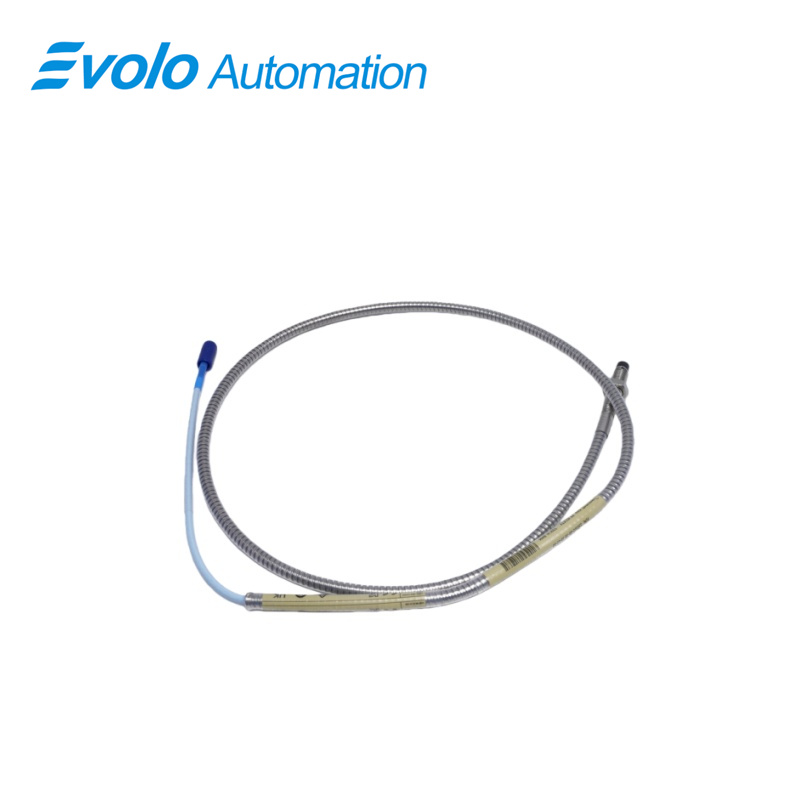
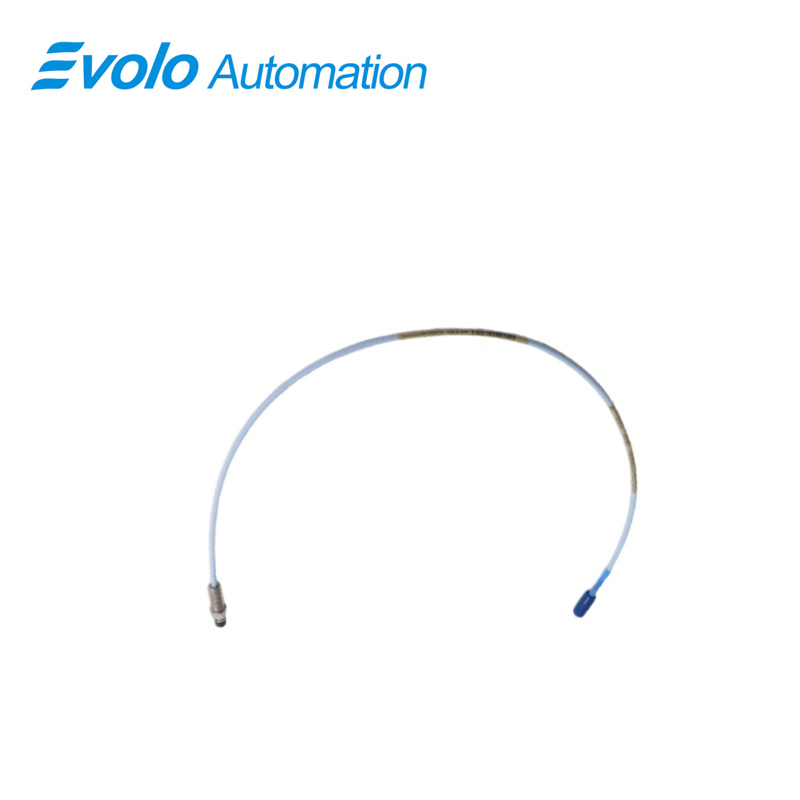
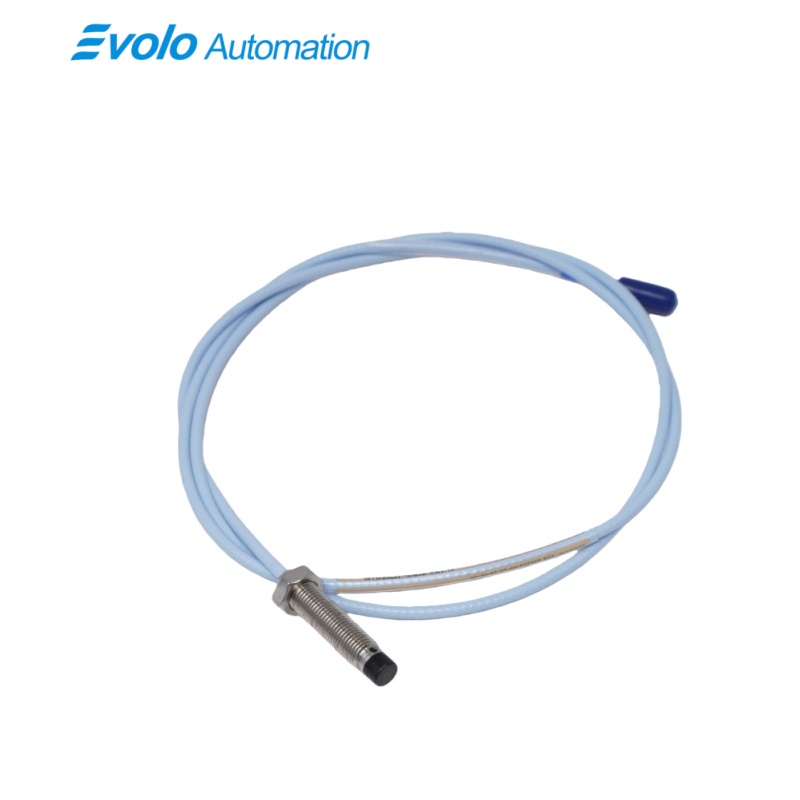
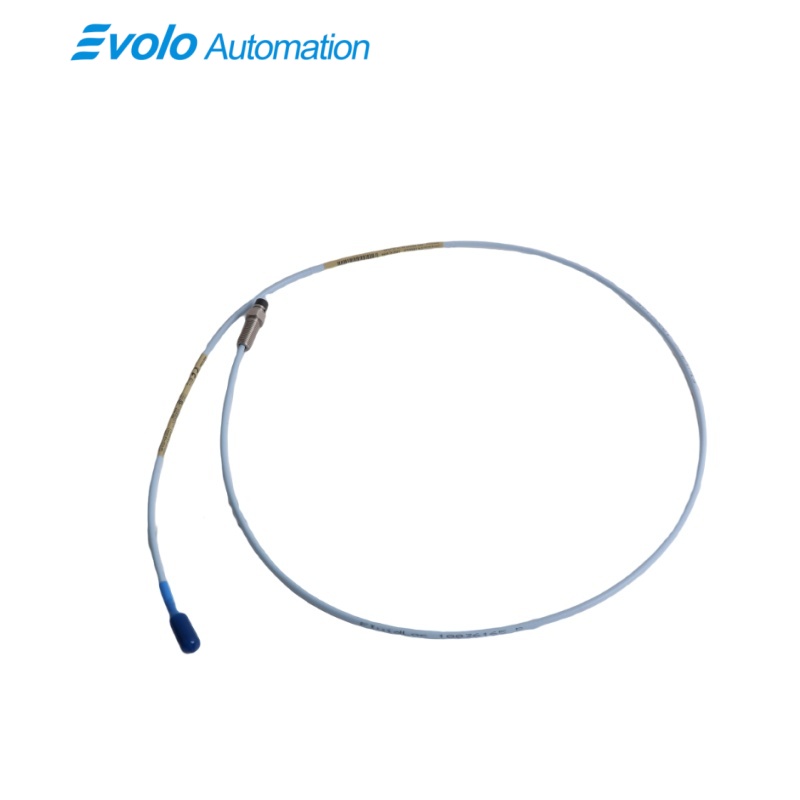
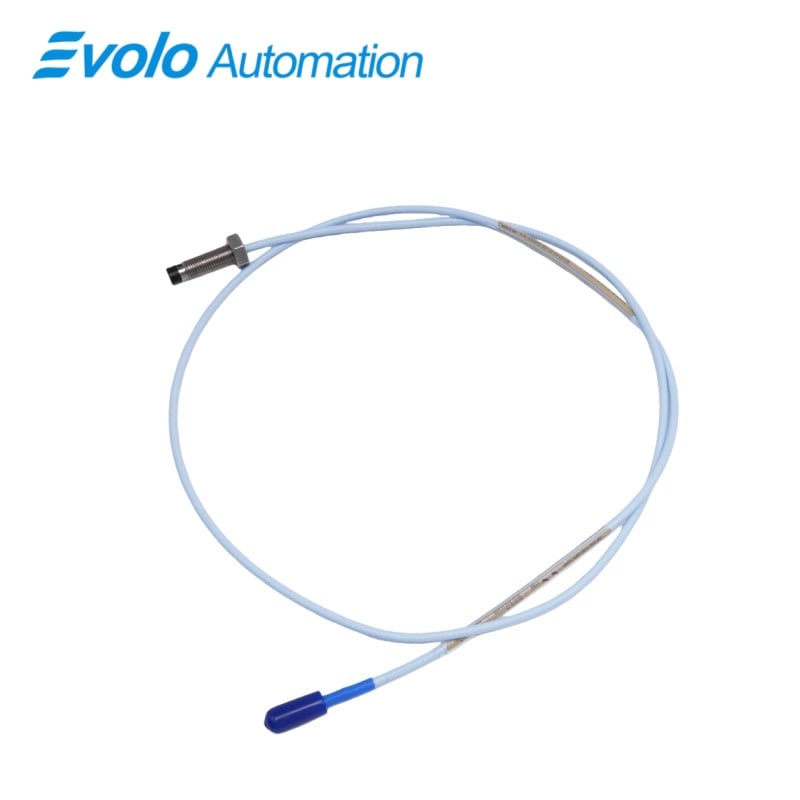
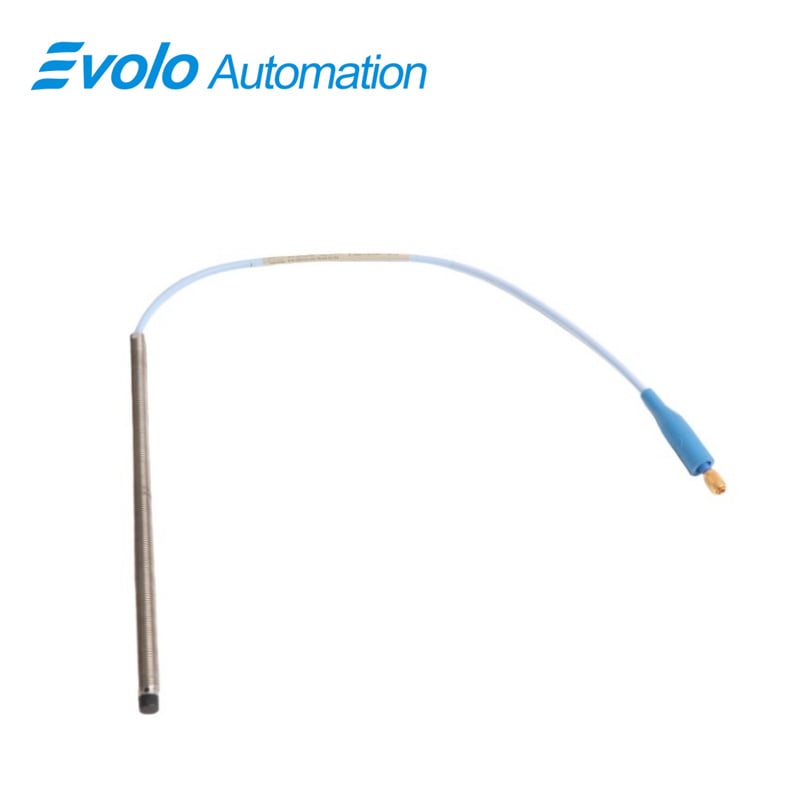
The 3300 XL Proximitor Sensor represents a cutting-edge advancement in non-contacting eddy current proximity measurement technology, serving as the cornerstone of modern industrial condition monitoring systems. Manufactured by Bently Nevada, this sophisticated transducer converts mechanical vibration and position data into precise electrical signals, enabling real-time assessment of rotating machinery health. Unlike conventional sensors that require physical contact, the 3300 XL utilizes electromagnetic fields to measure the distance between the probe tip and conductive surfaces, delivering unparalleled accuracy in detecting shaft vibration, axial displacement, and rotational speed variations.
The sensor's architecture comprises three integral components: the proximity probe, extension cable, and the Proximitor sensor itself. This triadic configuration ensures optimal signal integrity while maintaining exceptional measurement stability across varying environmental conditions. Operating on the principle of eddy current induction, the system generates a high-frequency electromagnetic field that interacts with the target surface, producing measurable changes in electrical impedance that correlate directly with minute positional variations—often detecting movements as small as 0.05 micrometers.
Benefits of Our Proximity Sensor Systems
Reduces Operational Costs
The implementation of 3300 XL proximity sensor systems delivers substantial cost reductions through predictive maintenance strategies. Industry analysis reveals that every dollar invested in vibration monitoring systems generates between $3 to $15 in operational savings, depending on equipment criticality and production environments. A comprehensive study of power generation facilities demonstrated that facilities utilizing advanced proximity monitoring achieved 40% reduction in total maintenance expenditures compared to reactive maintenance approaches.
The system's ability to detect incipient failures weeks or months before catastrophic breakdown enables maintenance teams to schedule repairs during planned outages, eliminating emergency repair premiums and rush shipping costs for replacement parts. In petrochemical applications, early bearing failure detection has prevented average repair costs of $180,000 per incident while avoiding production losses exceeding $570,000 annually.
Increases Revenue Generation
Revenue enhancement through proximity sensor implementation manifests through multiple channels. Continuous monitoring enables optimal equipment performance, resulting in 2-5% efficiency improvements in rotating machinery. A 150-megawatt combined cycle power plant documented that preventing just one day of unscheduled downtime preserves $162,000 in revenue, calculated at $45 per megawatt-hour wholesale rates.
The system's precision monitoring capabilities facilitate extended operational periods between planned maintenance intervals, increasing overall equipment availability by an average of 3.7%. In manufacturing environments, General Motors reported $20 million in annual maintenance savings coupled with 15% reduction in unexpected downtime through comprehensive vibration monitoring programs utilizing proximity sensors.
Minimizes Unplanned Outages
Unplanned equipment failures represent the most significant operational risk in industrial environments. The 3300 XL proximity sensor system provides early warning capabilities that reduce unplanned outages by up to 40%. Steam turbine applications demonstrate particularly compelling results, with continuous monitoring preventing catastrophic failures that could result in month-long outages and millions in lost revenue.
A German power plant implementing Bently Nevada's System 1 monitoring platform, integrated with 3300 XL sensors, achieved 35% reduction in overall downtime through predictive analytics. The system's ability to detect subtle changes in vibration signatures enables intervention before secondary damage occurs, preserving equipment integrity and preventing cascade failures that could impact entire production processes.
Application Areas of Our Proximity Sensor Systems
The versatility of 3300 XL proximity sensor systems enables deployment across diverse industrial sectors, each presenting unique operational challenges and monitoring requirements.
Power Generation Industry
In power plants, these sensors monitor critical rotating equipment including gas turbines, steam turbines, generators, and feedwater pumps. The high-temperature variants operate reliably in gas turbine exhaust sections with temperatures reaching 177°C, while measuring shaft eccentricity during thermal growth periods. Nuclear facilities utilize these systems for reactor coolant pump monitoring, where reliability is paramount to safety and operational continuity.
Petrochemical and Refining Operations
Refineries deploy proximity sensors for monitoring critical compressors, pumps, and fans in catalytic cracking units. The sensors' resistance to hydrogen embrittlement makes them ideal for hydrogen compressor applications, while their corrosion-resistant construction withstands harsh chemical environments. Pipeline monitoring applications detect flow-induced vibrations that could lead to weld fatigue and potential environmental hazards.
Steel and Metal Processing
In metallurgical operations, proximity sensors monitor rolling mill drives, furnace fans, and continuous casting equipment. The extended temperature range accommodates hot mill applications, while the robust mechanical design withstands heavy vibration environments inherent in metal forming processes.
Pulp and Paper Manufacturing
Paper mill applications include monitoring of grinding equipment, dryer sections, and stock pumps. The 316 stainless steel construction resists corrosive chemical exposure from pulp processing, while extended measurement ranges accommodate large thermal movements in dryer roll applications.
Main Sensor Types
3300 XL 5/8mm Proximity Sensor
The standard 8mm configuration delivers exceptional performance for general-purpose vibration monitoring applications. With a linear range of 2mm and sensitivity of 7.87 V/mm, this sensor provides optimal balance between measurement resolution and installation versatility. API 670 compliance ensures compatibility with industry-standard monitoring systems, while backward compatibility with legacy 3300 series components simplifies system upgrades.
3300 XL 11mm Proximity Sensor
Designed for applications requiring extended measurement range, the 11mm sensor provides 4mm linear range with enhanced sensitivity for detecting minute vibration changes. The larger probe diameter accommodates higher vibration environments while maintaining measurement accuracy. Typical applications include large steam turbines and critical pump systems where shaft movements exceed standard sensor capabilities.
3300 XL NSv Proximity Sensor
The NSv (Narrow Side View) configuration enables installation in constrained spaces where traditional probe orientations prove impractical. This specialized design maintains full measurement performance while accommodating tight clearance requirements common in modern machinery designs, particularly beneficial in retrofit applications.
3300 XL 25mm Proximity Sensor
With an impressive 12.7mm linear range, the 25mm sensor addresses applications involving substantial shaft movements or thermal growth. This configuration excels in differential expansion monitoring for large steam turbine generators, where rotor expansion rates differ significantly from stator growth patterns.
3300 XL 50mm Proximity Sensor
The flagship 50mm sensor delivers an extraordinary 27.9mm linear range—the longest available in the eddy current sensor family. This system specifically targets large steam turbine differential expansion measurements, where thermal growth differentials between rotor and casing can exceed 25mm during startup and shutdown cycles.
Product Specifications of 3300 XL Proximitor Sensor
The 3300 XL Proximitor Sensor incorporates numerous technological refinements that distinguish it from conventional proximity measurement systems. The physical packaging accommodates both high-density DIN-rail installations and traditional panel-mount configurations, sharing identical 4-hole mounting patterns with legacy Proximitor designs for seamless retrofit compatibility.
The mounting base provides integral electrical isolation, eliminating requirements for separate isolator plates while reducing installation complexity and potential grounding issues. Enhanced RFI/EMI immunity enables installation in fiberglass housings without performance degradation from nearby radio frequency sources, satisfying European CE mark approvals without requiring special shielded conduit systems.
Revolutionary SpringLoc terminal strips eliminate traditional screw-type clamping mechanisms prone to loosening from vibration or thermal cycling. These tool-free connections facilitate faster, more reliable field wiring while maintaining consistent electrical contact integrity across extended operational periods.
Environmental Performance Specifications
Operating Temperature Range: -52°C to +100°C (-62°F to +212°F)
Storage Temperature Range: -52°C to +105°C (-62°F to +221°F)
Humidity Resistance: Less than 3% change in Average Scale Factor (ASF) when subjected to 93% relative humidity per IEC 68-2-3 standard for 56 days
The sensor's electrical characteristics demonstrate exceptional stability across varying supply conditions. Supply sensitivity remains below 2mV output change per volt input variation, ensuring measurement accuracy despite power supply fluctuations. Output impedance of 50Ω provides optimal signal matching with monitoring systems while maintaining noise immunity.
Power requirements accommodate -17.5Vdc to -26Vdc operation without barriers, extending to -23Vdc to -26Vdc with intrinsic safety barriers. Maximum current consumption of 12mA enables efficient power distribution in large monitoring installations while minimizing heat generation in control cabinets.
System interchangeability eliminates component matching requirements—all 3300 XL probes, extension cables, and Proximitor sensors operate interchangeably without individual calibration. This standardization reduces spare parts inventory requirements while simplifying maintenance procedures and system expansion projects.
The 3300 XL Proximitor Sensor represents more than incremental improvement—it embodies a fundamental advancement in industrial condition monitoring technology. Through precision engineering, robust environmental specifications, and comprehensive application versatility, these systems enable transformation from reactive maintenance practices to predictive strategies that optimize asset performance while minimizing operational risks. The quantifiable benefits across multiple industries demonstrate that proximity sensor implementation delivers measurable returns on investment while enhancing operational reliability in increasingly demanding industrial environments.
 Hot News
2026-10-24
2026-10-17
2026-10-10
2026-09-30
2026-09-23
2026-09-20


Evolo Automation is not an authorized distributor unless otherwise specified, representative, or affiliate of the manufacturer of this product. All trademarks and documents are the property of their respective owners and are provided for identification and informational.
 EN
EN