EN
EN




- ภาพรวม
- รายละเอียดโดยย่อ
- คำอธิบาย
- การประยุกต์ใช้งาน
- ข้อมูลจำเพาะ
- ข้อได้เปรียบในการแข่งขัน
- สินค้าที่แนะนำ
ภาพรวม
สถานที่ผลิต: |
สหรัฐอเมริกา |
ชื่อแบรนด์: |
เบนท์ลี่ เนวาดา |
หมายเลขรุ่น: |
3500/42E |
รายละเอียดการบรรจุภัณฑ์: |
ของใหม่ของแท้จากโรงงาน บรรจุภัณฑ์ยังไม่เปิด |
ระยะเวลาจัดส่ง: |
5-7 วัน |
เงื่อนไขการชำระเงิน: |
T/T |
ความสามารถในการจัดหาสินค้า: |
สินค้าพร้อมส่ง |
รายละเอียดโดยย่อ
|
สัญญาณนำเข้า |
รองรับสัญญาณทรานสดิวเซอร์แบบใกล้เคียง ความเร็ว หรือการเร่ง ได้ 1 ถึง 4 สัญญาณ |
|
ความขัดขวางการเข้า |
10 กิโลโอห์ม (ขาเข้าแบบโพรซิมิเตอร์และการเร่ง) |
|
การใช้พลังงาน |
6.8 วัตต์ โดยทั่วไป |
|
ความไว – การสั่นสะเทือนแบบรัศมี |
3.94 มิลลิโวลต์/ไมโครเมตร (100 มิลลิโวลต์/มิล) หรือ 7.87 มิลลิโวลต์/ไมโครเมตร (200 มิลลิโวลต์/มิล) |
|
ความไว – การสั่นสะเทือนตามแนวแกน |
3.94 มิลลิโวลต์/ไมโครเมตร (100 มิลลิโวลต์/มิล) หรือ 7.87 มิลลิโวลต์/ไมโครเมตร (200 มิลลิโวลต์/มิล) |
|
ความไว – ความไม่สมดุลของศูนย์กลาง |
3.94 มิลลิโวลต์/ไมโครเมตร (100 มิลลิโวลต์/มิล) หรือ 7.87 มิลลิโวลต์/ไมโครเมตร (200 มิลลิโวลต์/มิล) |
|
ความไว – การขยายตัวแบบเชิงอนุพันธ์ |
0.394 มิลลิโวลต์/ไมโครเมตร (10 มิลลิโวลต์/มิล) หรือ 0.787 มิลลิโวลต์/ไมโครเมตร (20 มิลลิโวลต์/มิล) |
|
ความไว – ความเร่ง |
10 มิลลิโวลต์ต่อเมตรต่อวินาทีกำลังสอง (100 มิลลิโวลต์ต่อจี) |
|
ความไว – ความเร็ว |
20 มิลลิโวลต์ต่อ(มิลลิเมตรต่อวินาที) แบบพีค (500 มิลลิโวลต์ต่อ(นิ้วต่อวินาที) แบบพีค) หรือ 5.8 มิลลิโวลต์ต่อ(มิลลิเมตรต่อวินาที) แบบพีค (145 มิลลิโวลต์ต่อ(นิ้วต่อวินาที) แบบพีค) หรือ 4 มิลลิโวลต์ต่อ(มิลลิเมตรต่อวินาที) แบบพีค (100 มิลลิโวลต์ต่อ(นิ้วต่อวินาที) แบบพีค) |
|
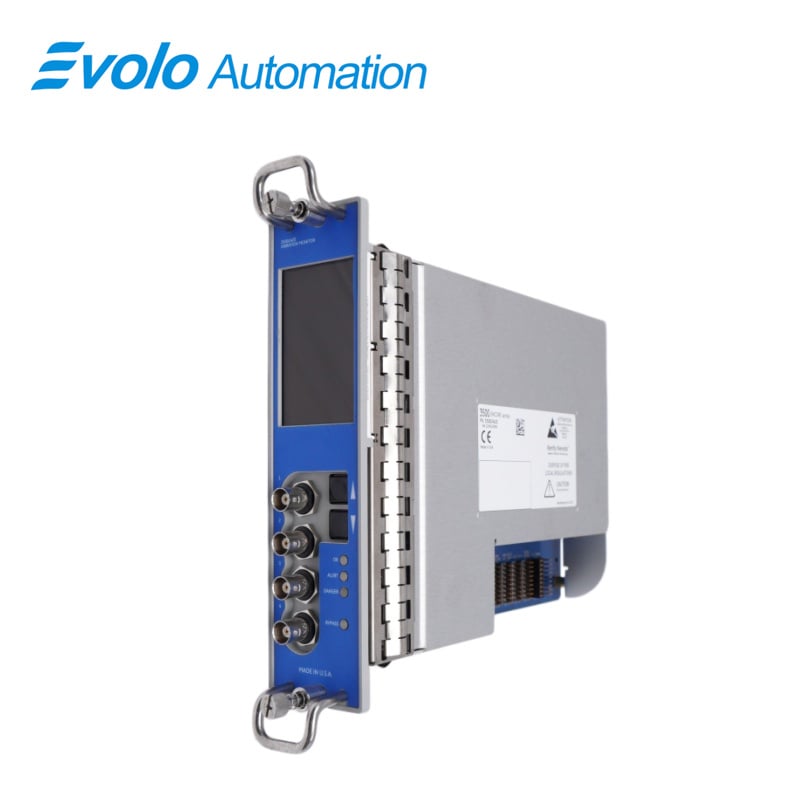
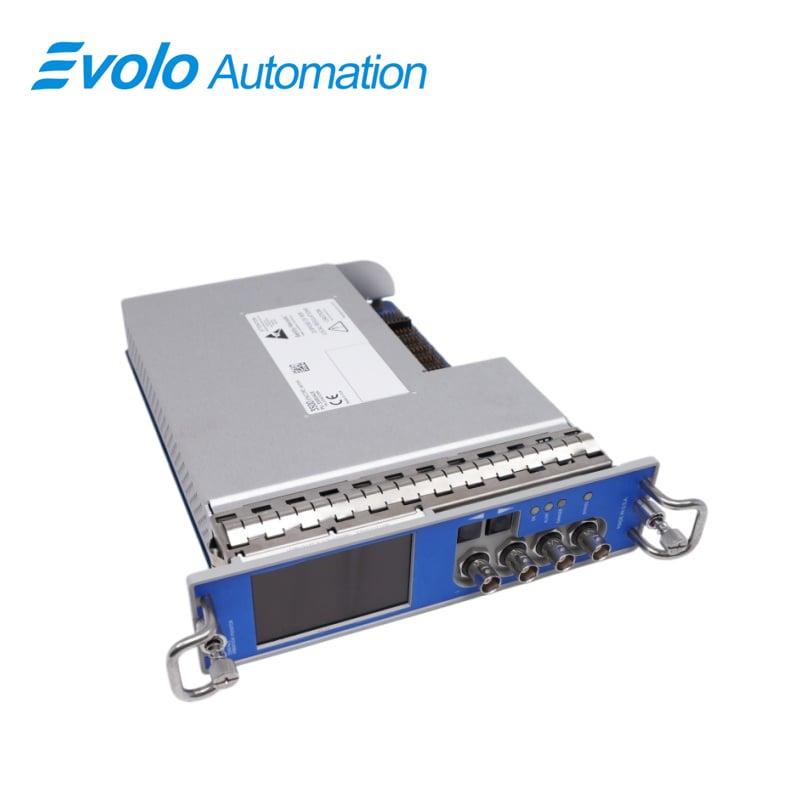
ไฟแสดงสถานะ OK ที่แผงหน้า |
แสดงว่าโมดูลทำงานอย่างถูกต้อง |
|
ไฟแสดงสัญญาณอันตรายบนแผงหน้า |
บ่งชี้ว่าตรวจพบสภาวะอันตรายและสัญญาณเตือนอันตรายกำลังทำงาน |
|
ไฟแสดงสัญญาณแจ้งเตือนบนแผงหน้า |
บ่งชี้ว่าตรวจพบสภาวะแจ้งเตือนและสัญญาณเตือนแจ้งเตือนกำลังทำงาน |
|
ไฟแสดงสถานะการเบี่ยงเบนที่แผงหน้า |
แสดงว่าโหมดบายพาสกำลังใช้งานอยู่ |
|
|
|
|
เอาต์พุตของทรานสดิวเซอร์แบบมีบัฟเฟอร์ |
ขั้วต่อโคแอกเซียลหนึ่งตัวต่อช่องสัญญาณ ป้องกันการลัดวงจร |
|
ขนาด: |
5.5×29×23 ซม. |
|
น้ำหนัก: |
1.26kg |
คำอธิบาย
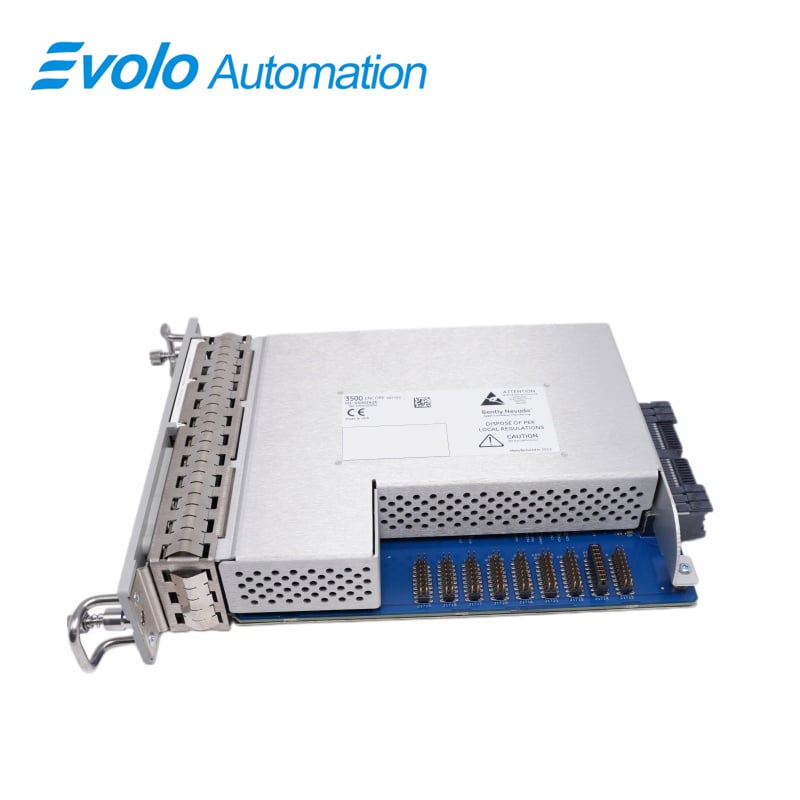
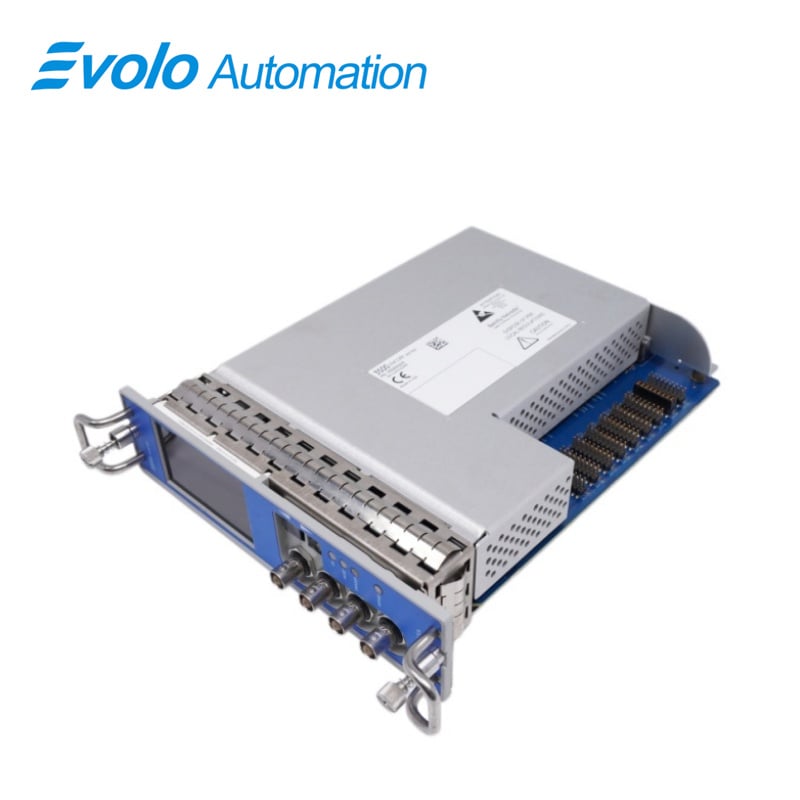
ตลาด เครื่องตรวจสอบการสั่นสะเทือนรุ่น 3500/42E เป็นโมดูลป้องกันเครื่องจักรแบบสี่ช่องสัญญาณสำหรับตู้ควบคุมอัตโนมัติ Bently Nevada™ 3500 โมดูลนี้ เครื่องตรวจสอบการสั่นสะเทือนรุ่น 3500/42E รับสัญญาณเข้าจากทรานสดิวเซอร์แบบใกล้ (proximity), ความเร็ว หรือเร่ง จำนวน 1 ถึง 4 ช่องสัญญาณ ด้วยอิมพีแดนซ์ขาเข้า 10 กิโลโอห์ม และประมวลผลสัญญาณสำหรับการวัดการสั่นแบบรัศมี การเคลื่อนที่ของเพลาตามแนวแกน (thrust position) การขยายตัวเชิงอนุพันธ์ (differential expansion) การเคลื่อนที่สัมบูรณ์ของเพลา (shaft absolute) ความไม่สมดุลของเพลา (eccentricity) การเร่ง และความเร็ว โดยแต่ละช่องสัญญาณใน เครื่องตรวจสอบการสั่นสะเทือนรุ่น 3500/42E เปรียบเทียบข้อมูลแบบเรียลไทม์กับค่าตั้งสำหรับการแจ้งเตือน (Alert) และค่าอันตราย (Danger) ที่สามารถกำหนดค่าได้ เพื่อควบคุมเอาต์พุตสัญญาณเตือนและสัญญาณตัดระบบโดยอัตโนมัติ
ตลาด เครื่องตรวจสอบการสั่นสะเทือนรุ่น 3500/42E ใช้พลังงานเฉลี่ย 6.8 วัตต์ ขณะให้การปรับสเกลที่แม่นยำ เช่น 3.94 มิลลิโวลต์ต่อไมโครเมตร หรือ 7.87 มิลลิโวลต์ต่อไมโครเมตร สำหรับการวัดการเคลื่อนที่ (displacement), 10 มิลลิโวลต์ต่อ (เมตรต่อวินาที²) สำหรับการวัดความเร่ง (acceleration) และสูงสุดถึง 20 มิลลิโวลต์ต่อ (มิลลิเมตรต่อวินาที) แบบพีค (peak) สำหรับการวัดความเร็ว (velocity) ความไวในการวัดการขยายตัวแบบดิฟเฟอเรนเชียล (differential expansion) ที่ 0.394 มิลลิโวลต์ต่อไมโครเมตร ช่วยให้ตรวจจับการขยายตัวตามแนวแกน (axial growth) ระดับต่ำได้ในระบบที่ใช้กับกังหัน (turbine systems) เอาต์พุตของทรานสดิวเซอร์ที่ผ่านการบัฟเฟอร์แล้วต่อช่องแต่ละช่อง ทำให้การส่งสัญญาณไปยังระบบวิเคราะห์มีความปลอดภัยจากการลัดวงจร (short-circuit protected) ไฟแสดงสถานะ (LED) บนแผงหน้า (front-panel) ได้แก่ OK, ALERT, DANGER และ Bypass ช่วยให้ตรวจสอบสถานะโดยตรงได้ ซึ่ง เครื่องตรวจสอบการสั่นสะเทือนรุ่น 3500/42E รองรับการเปรียบเทียบการสั่นสะเทือนแบบต่อเนื่องและการควบคุมการปิดระบบโดยอัตโนมัติภายในตู้ป้องกันคอมเพรสเซอร์และเครื่องกำเนิดไฟฟ้า (compressor and generator protection cabinets)
การประยุกต์ใช้งาน
วัดการสั่นสะเทือนแบบรัศมี (Radial Vibration) ด้วยสเกล 3.94 มิลลิโวลต์ต่อไมโครเมตร
ตลาด เครื่องตรวจสอบการสั่นสะเทือนรุ่น 3500/42E ประมวลผลสัญญาณขาเข้าจาก proximity probe ด้วยความไวที่เลือกได้ คือ 3.94 มิลลิโวลต์ต่อไมโครเมตร หรือ 7.87 มิลลิโวลต์ต่อไมโครเมตร สเกลนี้ทำให้ เครื่องตรวจสอบการสั่นสะเทือนรุ่น 3500/42E เพื่อแปลงการเคลื่อนที่ของเพลาโดยตรงให้เป็นค่าการสั่นสะเทือนที่ได้รับการสอบเทียบแล้ว และเปรียบเทียบกับจุดตั้งค่าระดับเตือน (Alert) และระดับอันตราย (Danger) ด้วยอิมพีแดนซ์ขาเข้า 10 กิโลโอห์ม เครื่องตรวจสอบการสั่นสะเทือนรุ่น 3500/42E ทำให้มั่นใจได้ถึงการถ่ายโอนสัญญาณอย่างแม่นยำจากทรานสดิวเซอร์ได้สูงสุดสี่ตัวในระบบป้องกันเทอร์ไบน์และคอมเพรสเซอร์
ตรวจสอบความเร็วของเพลาได้สูงสุด 20 มิลลิโวลต์ต่อมิลลิเมตรต่อวินาที
ตลาด เครื่องตรวจสอบการสั่นสะเทือนรุ่น 3500/42E รองรับสัญญาณขาเข้าความเร็วที่มีค่าความไวแบบเลือกได้ คือ 20 มิลลิโวลต์/(มิลลิเมตร/วินาที) แบบพีค, 5.8 มิลลิโวลต์/(มิลลิเมตร/วินาที) แบบพีค หรือ 4 มิลลิโวลต์/(มิลลิเมตร/วินาที) แบบพีค โดยการแปลงสัญญาณเหล่านี้ให้เป็นค่าความเร็วแบบเรียลไทม์ เครื่องตรวจสอบการสั่นสะเทือนรุ่น 3500/42E ทำให้สามารถสั่งหยุดการทำงานโดยอัตโนมัติเมื่อระดับการสั่นสะเทือนเกินขีดจำกัดที่กำหนดไว้เป็นหน่วย มิลลิเมตรต่อวินาที
ตรวจจับการขยายตัวเชิงความแตกต่างได้ที่ 0.394 มิลลิโวลต์ต่อมิครอน
โดยใช้การปรับสเกลที่ 0.394 มิลลิโวลต์/ไมครอน หรือ 0.787 มิลลิโวลต์/ไมครอน เครื่องตรวจสอบการสั่นสะเทือนรุ่น 3500/42E จับการขยายตัวตามแนวแกนระดับต่ำในเครื่องจักรที่หมุน เครื่องตรวจสอบการสั่นสะเทือนรุ่น 3500/42E เปรียบเทียบข้อมูลการขยายตัวกับขีดจำกัดที่ตั้งโปรแกรมไว้ เพื่อกระตุ้นรีเลย์แจ้งเตือนก่อนที่จะเกิดการสัมผัสกันทางกล
ประมวลผลสัญญาณความเร่งที่ 10 มิลลิโวลต์ต่อเมตรต่อวินาทีกำลังสอง
ตลาด เครื่องตรวจสอบการสั่นสะเทือนรุ่น 3500/42E รองรับสัญญาณอินพุตการเร่งที่ 10 มิลลิโวลต์ต่อเมตรต่อวินาทีกำลังสอง (mV/(m/s²)) หรือ 100 มิลลิโวลต์ต่อแรงโน้มถ่วง (mV/g) ซึ่งทำให้สามารถตรวจจับเหตุการณ์การสั่นสะเทือนความถี่สูงได้ เครื่องตรวจสอบการสั่นสะเทือนรุ่น 3500/42E เอาต์พุตของตัวแปลงสัญญาณแบบมีบัฟเฟอร์ต่อช่องทางหนึ่งช่องทาง ช่วยให้สามารถส่งสัญญาณที่ผ่านการปรับเงื่อนไขแล้วไปยังระบบวิเคราะห์ภายนอกได้ ในขณะที่ยังคงรักษาฟังก์ชันการป้องกันอัตโนมัติไว้
ข้อมูลจำเพาะ
|
ความขัดขวางการออก |
499 โอห์ม |
|
แหล่งจ่ายไฟสำหรับตัวแปลงสัญญาณ |
-24 Vdc |
|
เอาต์พุตของเครื่องบันทึกข้อมูล |
4–20 มิลลิแอมแปร์ สัดส่วนกับค่าเต็มสเกลของการตรวจสอบ; เอาต์พุตแยกต่อช่อง; ไม่ได้รับผลกระทบจากวงจรลัด |
|
อุณหภูมิในการทำงาน |
-20°C ถึง +65°C (-4°F ถึง +150°F) |
|
อุณหภูมิการจัดเก็บ |
-40°C ถึง +85°C (-40°F ถึง +185°F) |
|
ความชื้น |
95% โดยไม่ควบแน่น |
|
ความต้องการพื้นที่ในแร็ก – โมดูลหน้าจอแสดงผล |
ช่องติดตั้งด้านหน้าแบบเต็มความสูง 1 ช่อง |
|
พื้นที่ในแร็กที่ต้องการ – โมดูล I/O |
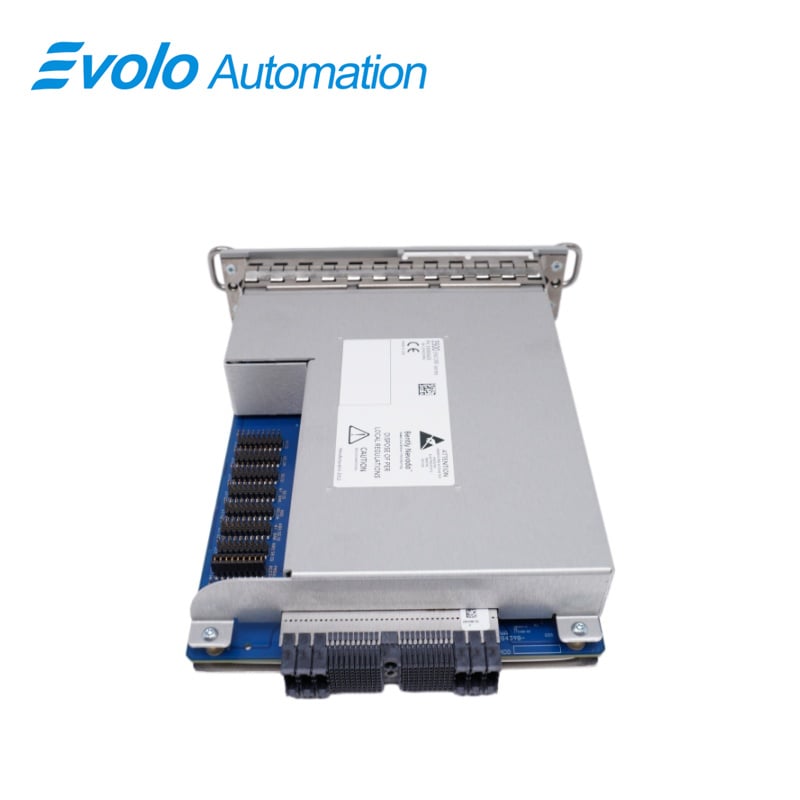
ช่องเสียบด้านหลังแบบเต็มความสูง 1 ช่อง (I/O 4 ช่องทาง) |
ข้อได้เปรียบในการแข่งขัน
ตรวจสอบสัญญาณ 4 ช่องทางด้วยโหลดพลังงานต่ำ
ตลาด เครื่องตรวจสอบการสั่นสะเทือนรุ่น 3500/42E รองรับช่องทางการวัดแบบ proximity, velocity หรือ acceleration ได้สูงสุด 4 ช่องทาง โดยใช้พลังงานเพียง 6.8 วัตต์โดยเฉลี่ย ซึ่งช่วยให้สามารถติดตั้ง เครื่องตรวจสอบการสั่นสะเทือนรุ่น 3500/42E โมดูลหลายตัวในแร็ก 3500 เพียงหนึ่งตัวได้โดยไม่เกินขีดจำกัดกำลังไฟรวมของแร็ก จึงมั่นใจได้ว่าระบบเครื่องจักรที่ซับซ้อนจะได้รับการป้องกันอย่างต่อเนื่อง
วัดสัญญาณหลายพารามิเตอร์ในโมดูลเดียว
กับ เครื่องตรวจสอบการสั่นสะเทือนรุ่น 3500/42E , ผู้ใช้สามารถวัดการสั่นสะเทือนแบบรัศมี (3.94–7.87 มิลลิโวลต์/ไมโครเมตร), การเคลื่อนที่ตามแนวแกน (3.94–7.87 มิลลิโวลต์/ไมโครเมตร), ความไม่เป็นศูนย์กลาง (3.94–7.87 มิลลิโวลต์/ไมโครเมตร), การขยายตัวเชิงความแตกต่าง (0.394–0.787 มิลลิโวลต์/ไมโครเมตร), ความเร็ว (4–20 มิลลิโวลต์/(มิลลิเมตร/วินาที) ค่าสูงสุด) และความเร่ง (10 มิลลิโวลต์/(เมตร/วินาที²) หรือ 100 มิลลิโวลต์/g) ได้พร้อมกัน ฟังก์ชันการทำงานที่มีความหนาแน่นสูงนี้ช่วยลดความจำเป็นในการใช้โมดูลเพิ่มเติม ขณะยังคงรักษาการตรวจสอบอัตโนมัติอย่างละเอียดด้วย เครื่องตรวจสอบการสั่นสะเทือนรุ่น 3500/42E .
ให้เอาต์พุตแบบบัฟเฟอร์ที่ป้องกันการลัดวงจร
แต่ละแชนเนลของ เครื่องตรวจสอบการสั่นสะเทือนรุ่น 3500/42E ประกอบด้วยเอาต์พุตแบบบัฟเฟอร์โคแอกเซียลที่ออกแบบมาให้ทนต่อการลัดวงจร โดยมีอิมพีแดนซ์เอาต์พุตสูงสุด 504 โอห์ม ทำให้ เครื่องตรวจสอบการสั่นสะเทือนรุ่น 3500/42E สามารถเชื่อมต่อกับระบบวินิจฉัยและระบบเก็บข้อมูลภายนอกได้อย่างเชื่อถือได้ โดยไม่รบกวนตรรกะการแจ้งเตือน