 EN
EN



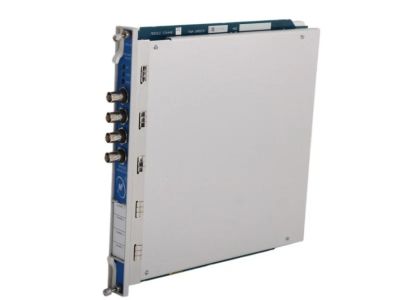
The 3500 Monitoring System is a specialized tool designed to detect vibration and machinery faults in industrial applications. This system is critical for maintaining operational efficiency and preventing costly downtime. Understanding how the 3500 Monitoring System works and its key features can help B2B buyers such as purchasing managers, engineers, and product managers make informed decisions. This article will provide insights into the specifications, comparisons with other solutions, common machinery issues, selection criteria, and evaluation of the system's quality and reliability.
Key Specifications of the 3500 Monitoring System for Buyers
The 3500 Monitoring System is built with advanced technology to monitor vibration levels and identify potential faults in machinery. Key specifications that buyers should consider include:
Measurement Range and Sensitivity: The system offers a wide measurement range for vibration, typically from 0.1 g to 25 g, with high sensitivity for detecting even minor anomalies. This allows for early detection of faults, which is crucial in preventing equipment failure.
Sampling Rate: A higher sampling rate, often around 1 kHz or more, ensures accurate data capture of vibration signals. This is vital for detailed analysis and troubleshooting of machinery issues.
Communication Protocols: The 3500 system supports various communication protocols, including Ethernet and Modbus, allowing seamless integration with existing automation systems. This is important for data accessibility and system interoperability.
Power Supply and Consumption: Typically designed to operate on a standard industrial power supply, the system is energy-efficient, ensuring minimal operational costs.
Environmental Ratings: The system is often rated for harsh environments, with IP67 certification, meaning it's dust-tight and can withstand immersion in water, making it suitable for various industrial applications.
Understanding these specifications helps buyers align the 3500 Monitoring System with their operational needs and ensure compatibility with existing systems.
Comparing the 3500 Monitoring System with Other Vibration Solutions
When evaluating the 3500 Monitoring System against other vibration monitoring solutions, buyers should consider several factors:
Technology and Features: The 3500 system uses sophisticated algorithms for data analysis, which may be more advanced than simpler systems that rely on basic threshold alarms. Buyers should assess whether they need detailed diagnostics or if basic monitoring suffices.
Scalability: Unlike some solutions that are limited in their ability to expand, the 3500 Monitoring System is designed to scale easily, accommodating additional sensors and increased monitoring needs as operations grow.
Cost vs. Value: While initial investment costs may be higher for the 3500 system compared to basic models, the potential to prevent costly downtime and maintenance could justify the price. Buyers should evaluate the total cost of ownership, including maintenance and operational efficiency gains.
User Interface and Software: The 3500 monitoring system System often features user-friendly software for data visualization and reporting, enhancing usability for operators. In contrast, other systems may have less intuitive interfaces.
By comparing these aspects, buyers can determine which system best meets their operational requirements while maximizing return on investment.
Common Problems in Machinery and Solutions with the 3500 System
Machinery can encounter various issues, including imbalance, misalignment, and bearing failures. The 3500 Monitoring System addresses these problems through:
Predictive Maintenance: By continuously monitoring vibration patterns, the system can predict when a machine is likely to fail, allowing for timely maintenance interventions. This proactive approach minimizes unplanned downtime.
Fault Characterization: The system can help identify the nature of faults. For example, a specific vibration frequency may indicate a bearing issue, while another may suggest misalignment. Understanding these patterns can guide maintenance teams in troubleshooting.
Data Logging and Analysis: The system's ability to log historical data allows for trend analysis. By reviewing past performance, maintenance teams can make informed decisions on machine health and operational improvements.
Alerts and Notifications: The system can be configured to send alerts when vibration levels exceed predefined thresholds, allowing for immediate action before a fault escalates.
These capabilities not only enhance machine reliability but also contribute to overall operational efficiency, making the 3500 Monitoring System a valuable asset for industrial operations.
How to Choose the Right 3500 Monitoring System for Your Needs?
Selecting the appropriate 3500 Monitoring System involves several considerations:
Application Requirements: Identify the specific machinery and applications that require monitoring. Consider factors like load conditions, operating speed, and environmental conditions to ensure the system fits the intended use.
Customization Options: Assess whether the system can be customized to meet specific operational needs, such as sensor placement or the addition of unique monitoring parameters.
Integration Capabilities: Ensure the system can integrate with existing equipment and software platforms. Compatibility with current systems is vital for seamless operation and data management.
Support and Training: Consider the level of support and training offered by the supplier. Effective training can enhance the system's utilization and help staff respond to alerts appropriately.
Budget Constraints: Finally, evaluate the budget for the system, including installation and ongoing maintenance costs. Balancing quality with financial considerations is essential for making a wise investment.
By thoroughly assessing these criteria, buyers can select a vibration monitoring system bently nevada 3500 that aligns with their operational goals and budget.
Evaluating the Quality and Reliability of the 3500 Monitoring System
To ensure that the 3500 Monitoring System meets quality and reliability standards, buyers should examine a few key factors:
Manufacturing Standards: Verify that the system is produced in accordance with recognized industry standards, which can indicate reliability and durability. Look for certifications or compliance with quality management systems like ISO 9001.
Testing and Validation: Inquire about the testing procedures used during manufacturing. Systems that undergo rigorous testing for performance under various conditions are more likely to perform reliably in the field.
Customer Feedback and Case Studies: Seek out testimonials or case studies from existing users. Understanding how the system has performed in similar applications can provide insights into its reliability and effectiveness.
Warranty and Service Agreements: Review the warranty terms and any service agreements offered by the supplier. A robust warranty can provide peace of mind and indicate the manufacturer's confidence in their product.
Long-term Performance Metrics: Discuss the expected lifespan and maintenance requirements of the system. Reliable systems should require minimal maintenance while providing consistent performance over time.
By evaluating these aspects, buyers can make informed decisions about the quality and reliability of the 3500 vibration monitoring system ensuring it meets their operational demands.
Table of Contents
- Key Specifications of the 3500 Monitoring System for Buyers
- Comparing the 3500 Monitoring System with Other Vibration Solutions
- Common Problems in Machinery and Solutions with the 3500 System
- How to Choose the Right 3500 Monitoring System for Your Needs?
- Evaluating the Quality and Reliability of the 3500 Monitoring System

