 EN
EN



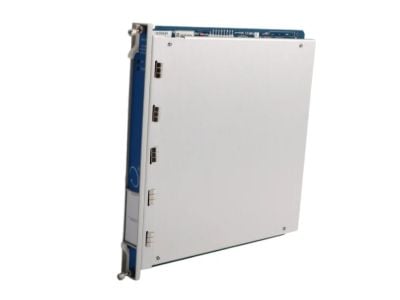
The 3500/92 Data Communication Paths in a 3500 Series Monitoring Rack are critical components for ensuring reliable data transmission in automation and monitoring applications. As a purchasing manager or engineer, understanding the intricacies of these communication paths is vital for making informed decisions that impact system performance and reliability. This article will explore how to evaluate the quality of these bently nevada 3500 92 paths, source them effectively, install them properly, troubleshoot common issues, and highlight the benefits they bring to automation projects.
How to Evaluate Quality in Data Communication Paths for Reliability?
When assessing the quality of data communication paths in a 3500 Series Monitoring Rack, several key specifications should be examined. Firstly, consider the material composition of the cables and connectors. High-grade 3500 92 communication gateway materials ensure durability and resistance to environmental factors, which is essential for maintaining signal integrity.
Next, evaluate the data transmission speed and bandwidth capacity. These specifications determine how much data can be transmitted over the communication paths and are critical for applications requiring real-time data processing. Slow speeds can lead to bottlenecks, affecting overall system performance.
Lastly, assess the certifications and compliance with industry standards. Reliable suppliers will have documentation demonstrating that their products meet necessary safety and performance standards. This not only ensures product reliability but also minimizes risks associated with non-compliance.
Where to Source Wholesale 3500 Series Communication Solutions?
Sourcing 3500 Series communication solutions requires identifying reputable suppliers that specialize in industrial automation components. Start by researching manufacturers known for their reliability and product range. A bently 3500 92 supplier like Evolo Automation, with a focus on industrial sensors and connectivity solutions, can provide the necessary components with proven performance.
When sourcing wholesale, consider factors such as minimum order quantities (MOQ), pricing structures, and lead times. Engaging directly with manufacturers can help negotiate better rates and terms, while distributors may offer convenience and quicker access to stock. It is also beneficial to request sample products to evaluate quality before placing larger orders, ensuring compatibility with your specific applications.
Installation Guidance for 3500 Series Monitoring Rack Components
Proper installation of the 3500 Series Monitoring Rack components is crucial for optimal performance. Begin by reviewing the installation manual provided by the manufacturer. This document typically outlines specific installation procedures, wiring diagrams, and safety precautions.
During installation, ensure that all connections are secure and that cables are routed to minimize interference. It's important to maintain proper bend radii to prevent signal degradation. Additionally, verify that the installation environment meets the necessary conditions, such as temperature and moisture levels, which can affect the performance of the data communication paths.
Before finalizing the installation, conduct a thorough inspection of all connections and components. Testing the system under operational conditions can also help identify any potential issues early, allowing for corrective actions before full deployment.
Common Problems with Data Paths and Effective Solutions for Buyers
Buyers should be aware of several common issues associated with data communication paths in monitoring racks. One frequent problem is signal attenuation, which occurs when the signal strength diminishes over distance or due to poor-quality materials. To mitigate this, choose cables that comply with the required specifications for your application, and consider using signal repeaters if necessary.
Another issue is electromagnetic interference (EMI), which can disrupt data transmission. Using shielded cables or installing data paths in separate conduits can help reduce EMI effects. Additionally, ensuring proper grounding can enhance overall system reliability.
Lastly, connector failures can lead to intermittent connections. Regular inspection and maintenance of connectors are essential. Buyers should ensure that connectors are compatible with their specific configurations and are rated for the intended application environment.
Benefits of Reliable Data Communication Paths in Automation Projects
Reliable data communication paths are foundational to the success of automation projects. They facilitate real-time data exchange, enabling timely decision-making and process optimization. High-quality communication paths enhance the accuracy of monitoring systems, which is vital in environments where precision is critical, such as manufacturing and process control.
Furthermore, dependable communication solutions contribute to system longevity. Investing in quality components reduces the likelihood of failures, resulting in decreased downtime and lower maintenance costs over time. This reliability not only enhances operational efficiency but also supports safety protocols by ensuring consistent data flow.
In summary, understanding the attributes and sourcing options for the 3500/92 Data Communication Paths in a 3500 Series Monitoring Rack equips B2B buyers with the knowledge necessary to make informed purchasing decisions. By evaluating quality, sourcing effectively, installing correctly, and addressing common issues, buyers can leverage the full benefits of reliable data communication in their automation projects.
Table of Contents
- How to Evaluate Quality in Data Communication Paths for Reliability?
- Where to Source Wholesale 3500 Series Communication Solutions?
- Installation Guidance for 3500 Series Monitoring Rack Components
- Common Problems with Data Paths and Effective Solutions for Buyers
- Benefits of Reliable Data Communication Paths in Automation Projects

