EN




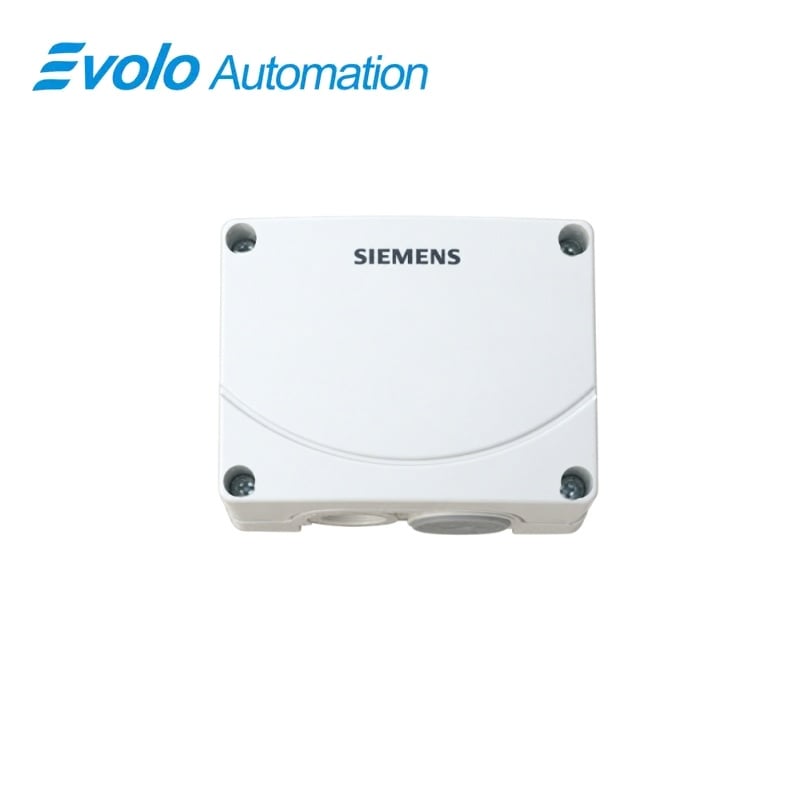
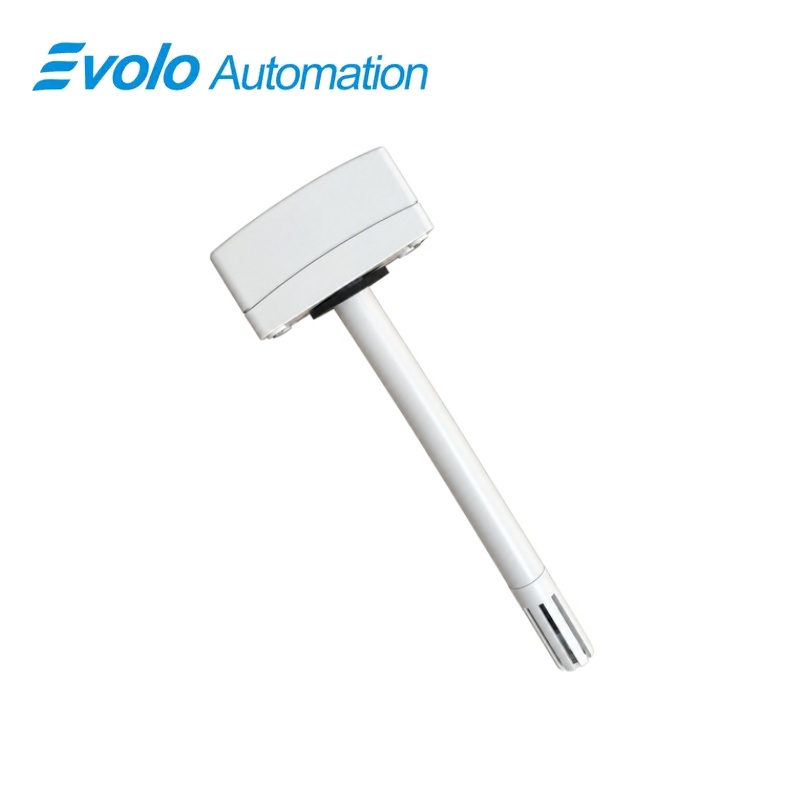
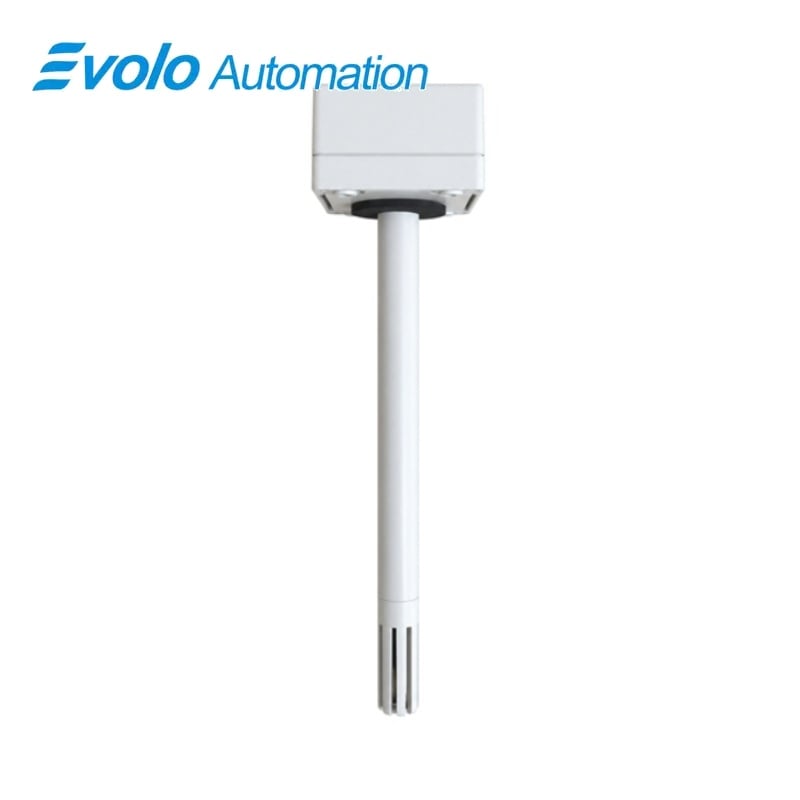
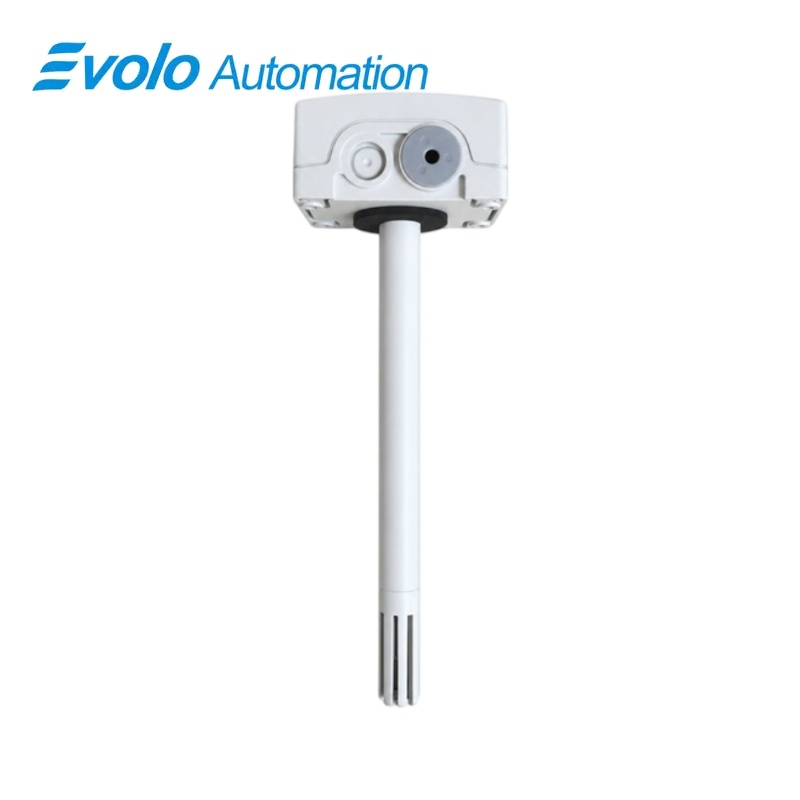
Siemens QFM1660 Symaro Duct Humidity and Temperature Sensor
Manufacturer: Siemens
Condition: Brand New
Lead Time: In Stock
Origin: Germany
Warranty: 12 Months
Email: [email protected]
whatsApp: +86-18150117685
- Overview
- Hot Selling Models
- Recommended Products
Overview
- Use a SELV or Class 2 supply with the permitted voltage range.
- Connect U1 and U2 to separate 0–10 V controller inputs.
- Use twisted-pair supply and signal wiring, with shielding where EMC conditions require it.
- Keep the sensor 3–10 m from a steam humidifier and avoid prolonged concentrated chemical vapors.
QFM1660 Symaro Duct Humidity and Temperature Sensor
A combined duct sensor with separate 0–10 V humidity and temperature signals, a 0–50 °C temperature range and an IP42 housing.
At a Glance
| Brand | Siemens |
|---|---|
| Model | QFM1660 |
| Product Type | Combined active duct sensor |
| Core Function | Converting duct conditions to controller signals |
| Application | Building ventilation and air-conditioning systems |
Two analog signals
U1 represents humidity and U2 represents temperature.
Duct installation
The plastic immersion rod and housing are rigidly connected.
Low-voltage supply
Use the specified SELV or Class 2 power arrangement.
Product Overview
QFM1660 measures relative humidity and temperature in air ducts for building HVAC control. Its capacitive humidity element and temperature-dependent resistance element feed two separate active voltage outputs.
The humidity output represents 0–100 % relative humidity, while the valid humidity measuring range is 10–90 % without condensation. The temperature channel represents 0–50 °C, so this version should be selected for that range rather than the wider-range QFM1661.
Key Functions
Transmit humidity continuously
The U1 output varies from 0 to 10 V in proportion to 0–100 % relative humidity.
Acquire duct temperature
The U2 output varies from 0 to 10 V across the 0–50 °C temperature range.
Integrate into ductwork
The housing and immersion rod form a fixed plastic assembly that screws directly to the duct.
Official Specifications
| Operating supply | 24 V AC ±20 % or 19–30 V DC SELV; 24 V AC/DC Class 2 in the US |
|---|---|
| AC supply frequency | 50/60 Hz |
| Maximum power consumption | 1 VA |
| Humidity measuring range | 10–90 % RH, non-condensing |
| Humidity accuracy | ±5 % RH at 20/25 °C over the measuring range |
| Analog output allocation | U1: 0–10 V for 0–100 % RH; U2: 0–10 V for 0–50 °C |
| Temperature accuracy | ±0.5 K at 23 °C with 24 V AC for units produced from 18 July 2023; earlier units: ±0.8 °C at 25 °C |
| Housing protection | IP42 in the installed condition |
| Electrical protection class | Class III to EN 60730 |
| Operating environment | 0–50 °C; 10–90 % RH; mechanical class 3M2 |
| Transport environment | −20 to +60 °C; 5–95 % RH; mechanical class 2M2 |
| Terminal conductor capacity | 1 × 2.5 mm² or 2 × 1.5 mm² |
| Cable entry | M16 screwed cable gland |
| Housing and tube material | ABS |
| Signal reference | Gu internally connected to G0 |
| Weight including packaging | 160 g |
Frequently Asked Questions
Can I connect QFM1660 directly to a controller expecting a passive temperature resistance?
The temperature channel supplies an active 0–10 V signal and requires a compatible voltage input.
Where should I locate QFM1660 when a steam humidifier is installed?
Mount the sensor in the center of the duct wall between 3 and 10 m from the steam humidifier.
Which cable arrangement should I use with QFM1660 in an electrically noisy area?
Use shielded cables in EMC-prone environments and twisted pairs for the secondary supply and signal lines.
Can QFM1660 remain accurate in a condensing duct?
The permitted humidity measuring range is 10–90 % RH without condensation.
How do I distinguish the output terminals when wiring QFM1660?
U1 carries the humidity signal and U2 carries the temperature signal.
Does every production version of QFM1660 have the same temperature accuracy?
Units produced from 18 July 2023 have ±0.5 K accuracy at 23 °C with 24 V AC, while earlier units have ±0.8 °C accuracy at 25 °C.
Can chemical vapors affect the reading from QFM1660?
High chemical-vapor concentrations combined with long exposure can shift the humidity reading.