EN




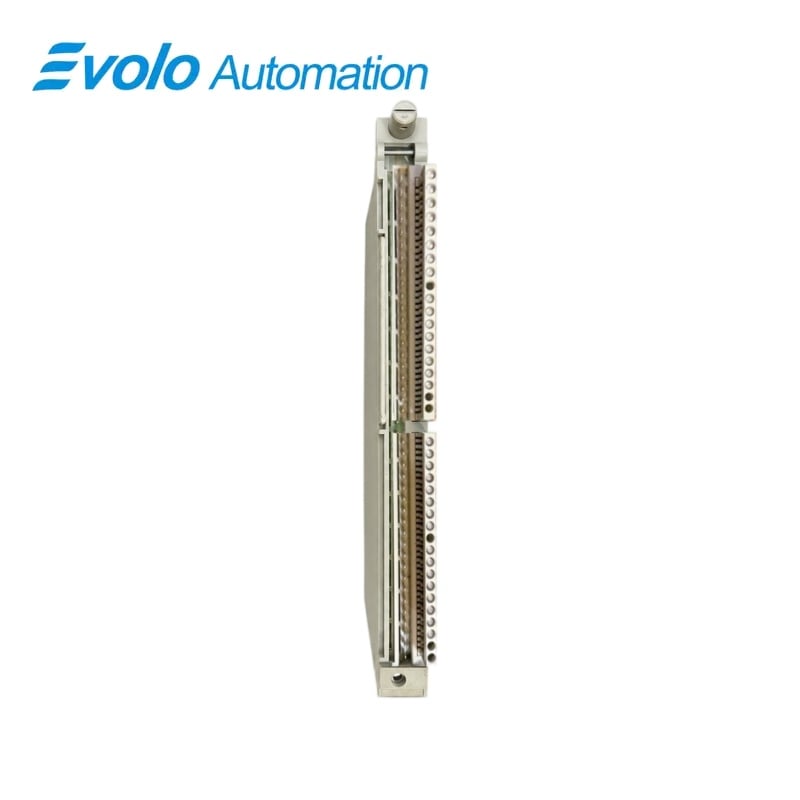
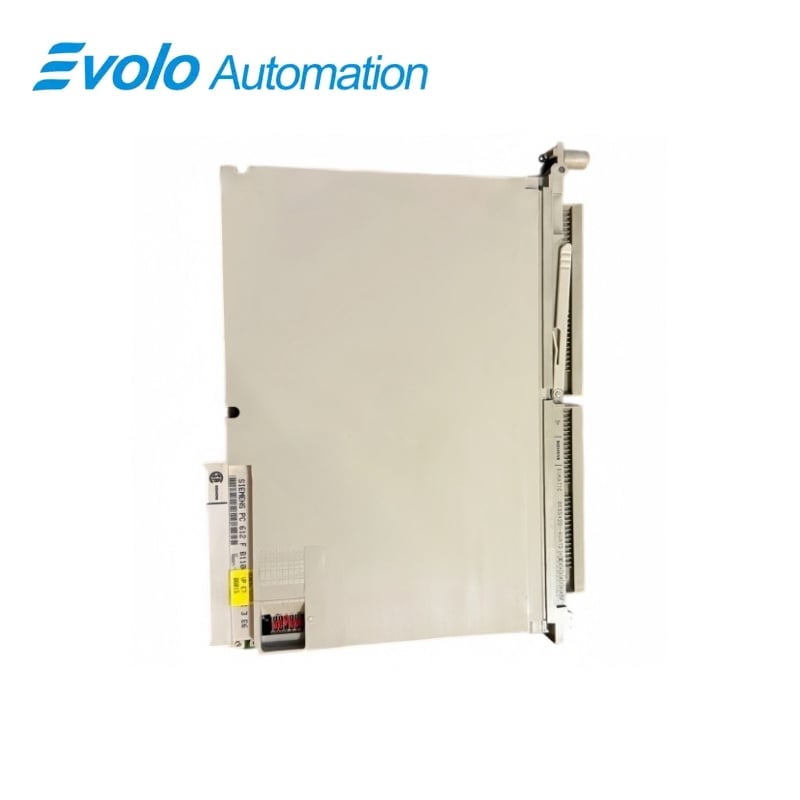
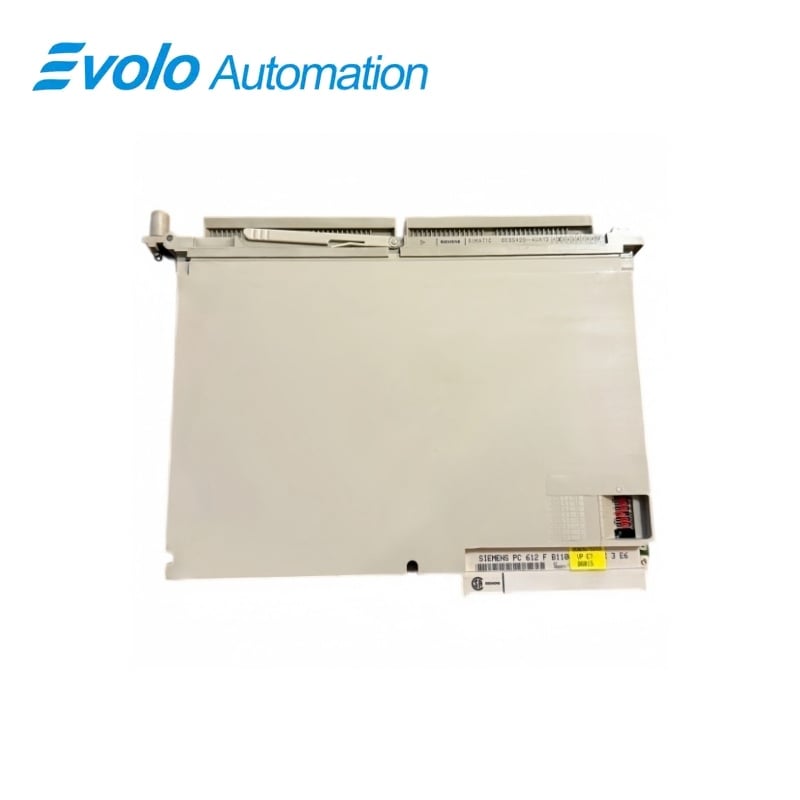
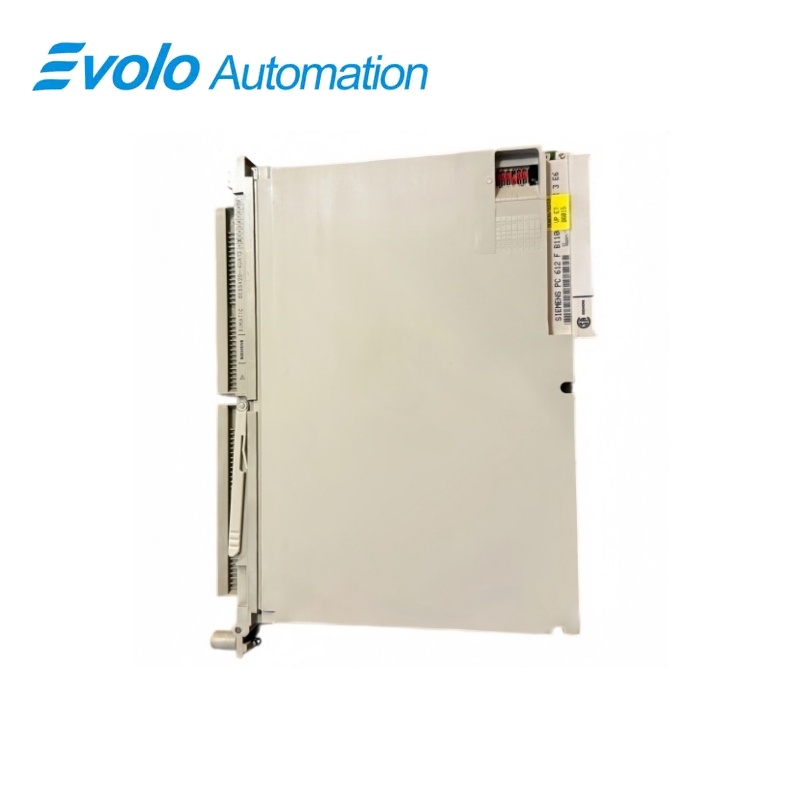
Siemens 6ES5420-4UA13 SIMATIC S5 420 Thirty-Two-Channel Digital Input Module
Manufacturer: Siemens
Condition: Brand New
Lead Time: In Stock
Origin: Germany
Warranty: 12 Months
Email: [email protected]
whatsApp: +86-18150117685
- Overview
- Hot Selling Models
- Recommended Products
Overview
- Select the module address on the onboard switch and fit the appropriate separately supplied front connector.
- Use the non-isolated input arrangement with the correct common-potential wiring.
- With the enable jumper fitted, provide the F+/F− enabling supply for module operation.
- Keep signal cables within 600 m unshielded or 1,000 m shielded and enable wiring within 200 m.
6ES5420-4UA13 SIMATIC S5 420 Thirty-Two-Channel Digital Input Module
A non-isolated 32-channel 24 V DC input module with a typical 3 ms input delay and configurable module addressing.
At a Glance
| Brand | Siemens |
|---|---|
| Model | 6ES5420-4UA13 |
| Product Type | Digital input module |
| Core Function | Acquiring binary process states |
| Application | S5-135U and S5-155U I/O systems |
Acquire machine signals
Thirty-two 24 V DC inputs support signal frequencies up to 100 Hz.
Set the module address
The onboard address switch assigns the module to the required process-image location.
Control module availability
The F+/F− enabling input can inhibit module access and has a selectable jumper arrangement.
Product Overview
6ES5420-4UA13 acquires 32 binary process signals for a SIMATIC S5 system.
The module uses common-potential inputs and provides an F+/F− enabling circuit that can electrically enable or inhibit the module.
Key Functions
Acquire machine signals
Thirty-two 24 V DC inputs support signal frequencies up to 100 Hz.
Set the module address
The onboard address switch assigns the module to the required process-image location.
Control module availability
The F+/F− enabling input can inhibit module access and has a selectable jumper arrangement.
Official Specifications
| Input Channels | 32 |
|---|---|
| Nominal Input Voltage | 24 V DC |
| Signal Voltage Thresholds | Signal 0: −33 to +5 V; signal 1: +13 to +33 V |
| Nominal Input Current | 8.5 mA |
| Maximum Signal Frequency | 100 Hz |
| Input Delay | 3 ms typical; range 1.4–5 ms |
| Typical Input Resistance | 2.8 kΩ |
| Simultaneity Factor | 100% |
| Maximum Signal Cable Length | 600 m unshielded; 1,000 m shielded |
| Backplane Supply Consumption | 80 mA typical at 5 V |
| Two-Wire BERO Sensor Supply | 22–33 V |
| Rated-Operation Power Loss | 7 W |
| Electrical Isolation | None between the inputs and common potential |
| Enable Input Voltage | 24 V DC nominal at F+/F− |
| Enable Input Current | 5 mA nominal |
| Maximum Enable Cable Length | 200 m |
| Insulation Test Voltage | 1,250 V AC, group to ground, to VDE 0160 |
| Dimensions (W × H × D) | 20 × 255 × 195 mm |
| Approximate Weight | 0.4 kg |
Frequently Asked Questions
Are the input circuits of 6ES5420-4UA13 electrically isolated?
The 32 input circuits use a common potential and are not electrically isolated.
Can 6ES5420-4UA13 count input pulses faster than 100 Hz?
The specified maximum input-signal frequency is 100 Hz.
What signal voltage will 6ES5420-4UA13 reliably recognize as on?
The signal-1 input range is +13 to +33 V.
How far can I run an unshielded field cable to 6ES5420-4UA13?
The maximum unshielded signal-line length is 600 m.
Which supply range applies to two-wire BERO sensors used with 6ES5420-4UA13?
The sensor supply range is 22–33 V.
What voltage is required at the enable input of 6ES5420-4UA13?
The F+/F− enable input has a nominal voltage of 24 V DC and a nominal current of 5 mA.
Why can removing the front connector from 6ES5420-4UA13 cause an acknowledgment-delay event?
With enabling active, removal of the front connector removes the enable signal, inhibits module access and can produce a QVZ acknowledgment delay.