EN
EN




- Overview
- Specifications
- Description
- Applications
- Troubleshooting and Maintenance Recommendations
- FAQ
- Recommended Products
Overview
Place of Origin: |
Sweden |
Brand Name: |
ABB |
Model Number: |
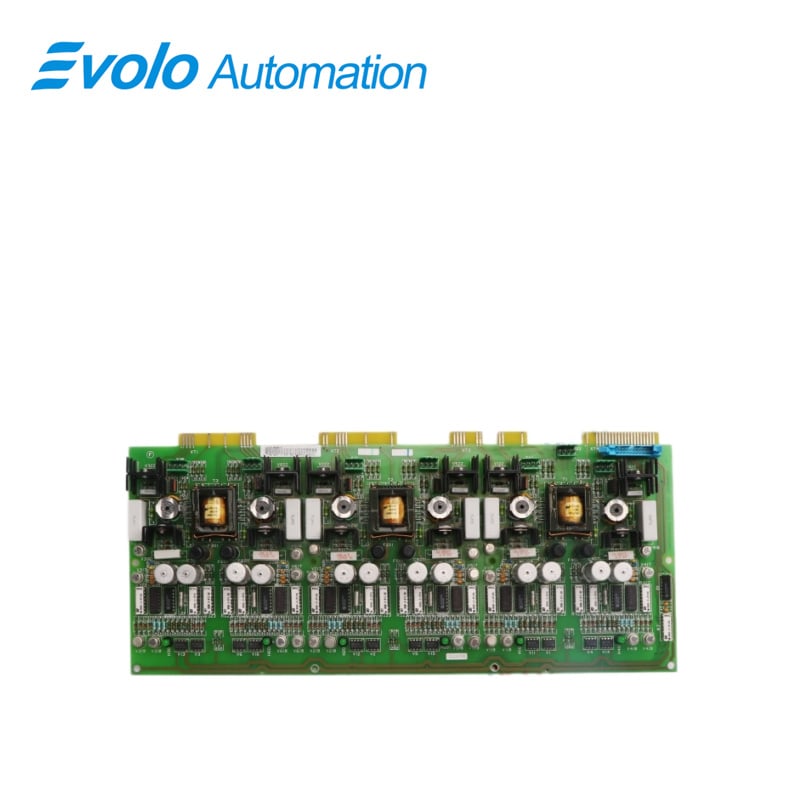
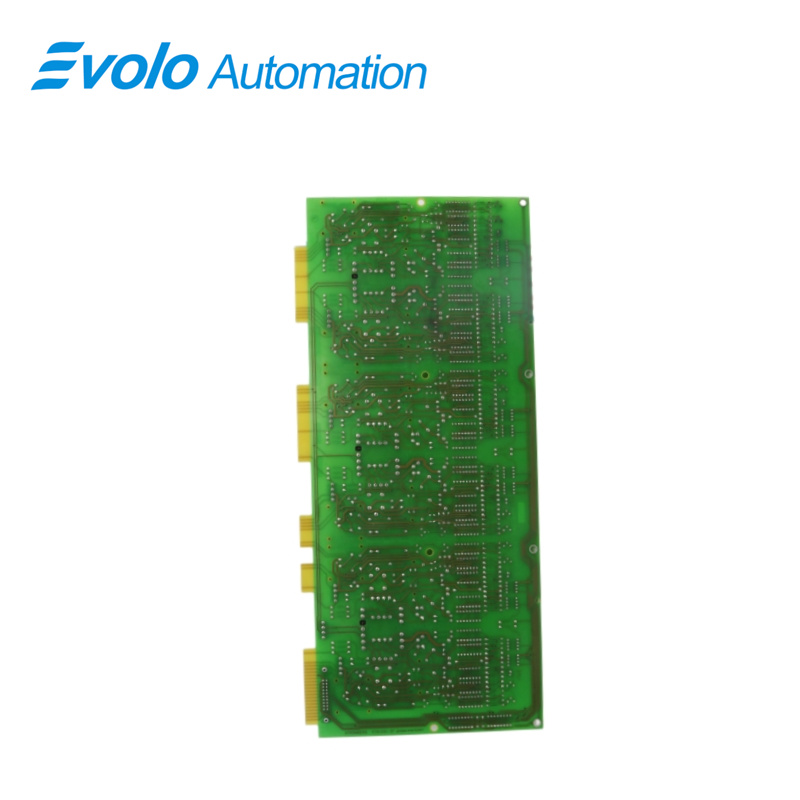
SAFT171PAC SAFT 171 PAC |
Packaging Details: |
Original new Factory Sealed |
Delivery Time: |
5-7 days |
Payment Terms: |
T/T |
Supply Ability: |
In stock |
Specifications
|
Parameter |
Value |
|
Model |
SAFT171PAC SAFT 171 PAC |
|
Product Type |
Pulse Amplifier Board |
|
Dimensions |
43 x 19 x 3.5 cm |
|
Weight |
0.92 kg |
|
Power Handling Capacity |
Up to 171 A |
|
Operating Voltage Range |
120–240 V AC |
|
Frequency Response |
50–60 Hz |
|
Amplification Ratio |
Variable 1x–10x |
|
Relay Output Quantity |
12 relays |
|
Communication Protocol |
RS-485 / Modbus |
|
Operating Temperature Range |
-20°C to +60°C |
Description
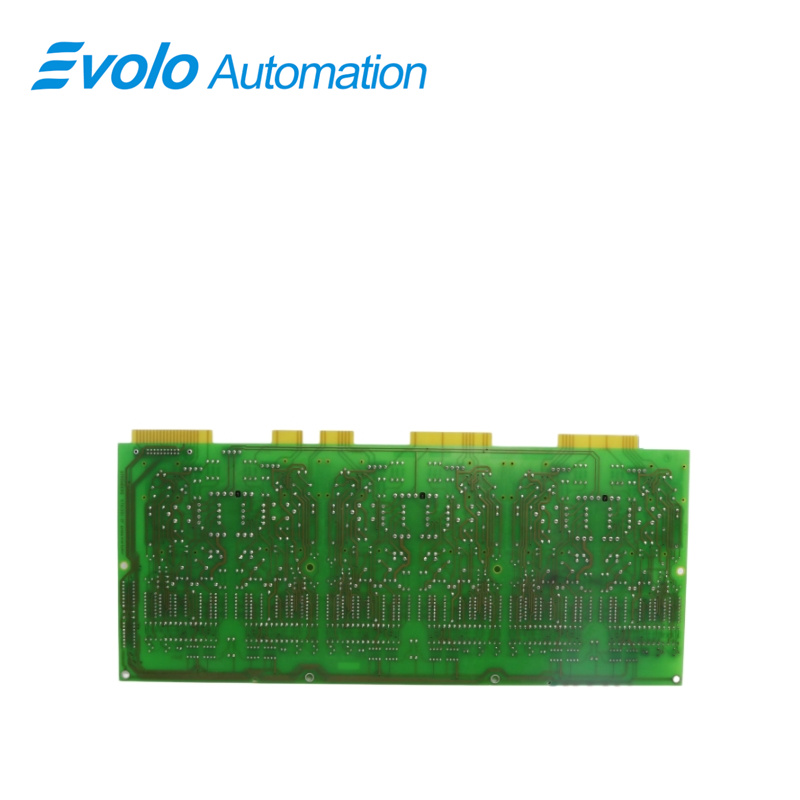
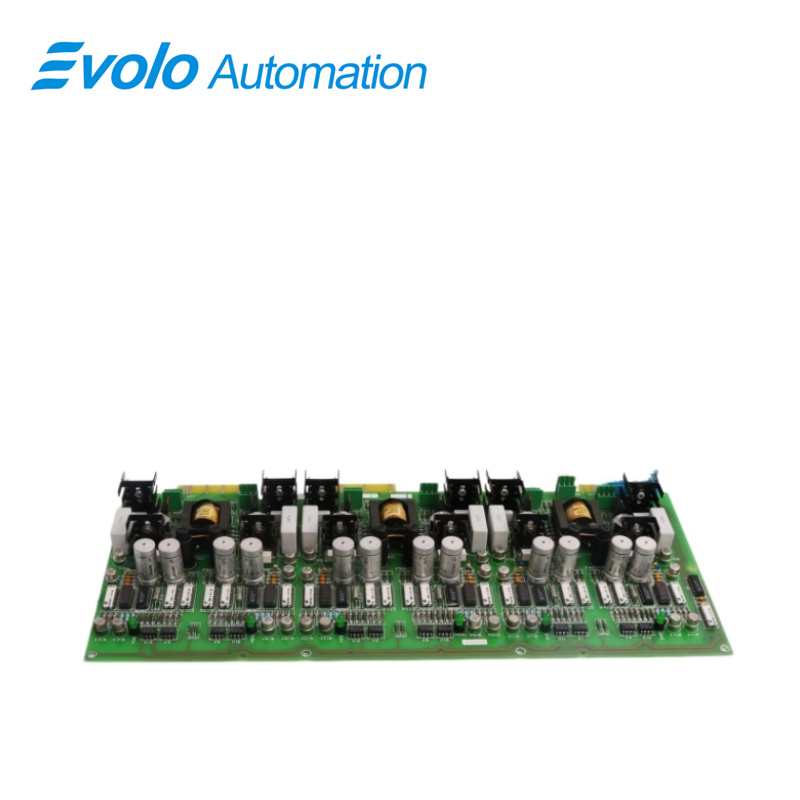
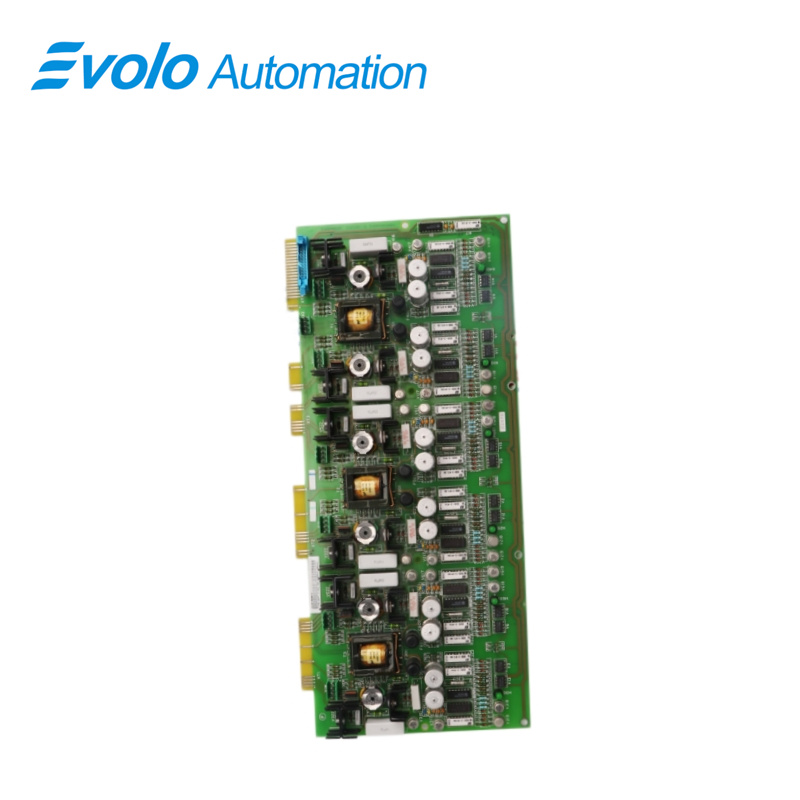
The ABB SAFT171PAC SAFT 171 PAC Pulse Amplifier Board is engineered for precision control in industrial automation systems, delivering high-performance power amplification and ensuring reliable operation across a wide range of applications. Featuring a wide operating voltage range and frequency response, this board is compatible with various power sources and operational conditions, ensuring uninterrupted performance. Its adjustable amplification ratio allows for customization to match specific application requirements.
Applications
Steel cold rolling mills (for pulse triggering and synchronization control of large DC drives)
Paper machinery plants (for amplification and processing of high-precision speed pulses in paper machine drive systems)
Power substations (for signal amplification of Static Var Compensators (SVCs) or excitation systems)
Rubber extrusion plants (for pulse distribution and enhancement in multi-axis linkage systems)
Aluminum electrolysis plants (for transmitting critical control pulses in high-current rectifier equipment)
Troubleshooting and Maintenance Recommendations
Troubleshooting:
Pulse Loss/Distortion: Check if the onboard power transistors have degraded due to prolonged heating; use an oscilloscope to check if the rising edge of the output waveform is steep.
Channel Imbalance: If multiple amplified outputs are inconsistent, check if the resistance values of the onboard precision resistors have shifted.
Maintenance Recommendations:
Electrolytic Capacitor Replacement: For older models, it is recommended to preventively replace the onboard filter capacitors every 5–8 years to prevent pulse mis-triggers caused by excessive ripple.
Gold Finger Cleaning: Ensure that the card connectors are free of oxidation; regularly clean them with anhydrous alcohol to maintain low impedance for signal transmission.
FAQ
Q: What will happen to the entire system if the SAFT171PAC SAFT 171 PAC board fails?
A: It will typically trigger a "Pulse Failure" or "Drive Unit Not Ready" alarm, causing the motor to fail to start or operate unstablely.
Q: Does the SAFT171PAC SAFT 171 PAC support high-frequency pulses?
A: Yes. Its circuit design is optimized for high-frequency switching characteristics, making it suitable for high-speed switching power electronic control scenarios.
Q: Can the SAFT171PAC SAFT 171 PAC handle DC signals?
A: This model's specifications indicate a frequency response of 50Hz to 60Hz, primarily optimized for AC pulse systems.
Q: Does the "171 Amps" in SAFT171PAC SAFT 171 PAC refer to continuous current or peak current?
A: It refers to its designed maximum power handling capacity. It is recommended to leave a certain safety margin in practical applications to ensure long-term operation.
Q: Can the SAFT171PAC SAFT 171 PAC be directly connected to a PLC?
A: Yes. Through its supported Modbus protocol or 12 relay outputs, it can easily interface with mainstream PLCs.