EN
EN




- Overview
- Quick Detail
- Description
- Applications
- Specifications
- Competitive Advantage
- Recommended Products
Overview
Place of Origin: |
USA |
Brand Name: |
Bently Nevada |
Model Number: |
330905-00-16-05-02-05 |
Minimum Order Quantity: |
1 |
Packaging Details: |
Original new Factory Sealed |
Delivery Time: |
5-7 days |
Payment Terms: |
T/T |
Supply Ability: |
In stock |
Quick Detail
|
Unthreaded Length Option: |
0 mm |
|
Overall Case Length Option: |
160 mm |
|
Cable Length Option: |
0.5 meter (20 in) |
|
Connector and Cable Option: |
Miniature coaxial ClickLoc connector, standard cable |
|
Agency Approval Option: |
Multiple Approvals |
|
Probe Case Thread: |
M10X1 thread |
|
Maximum Length of Thread Engagement: |
15 mm |
|
Dimension: |
1.8x1.6x66cm |
|
Weight: |
0.05kg |
Description
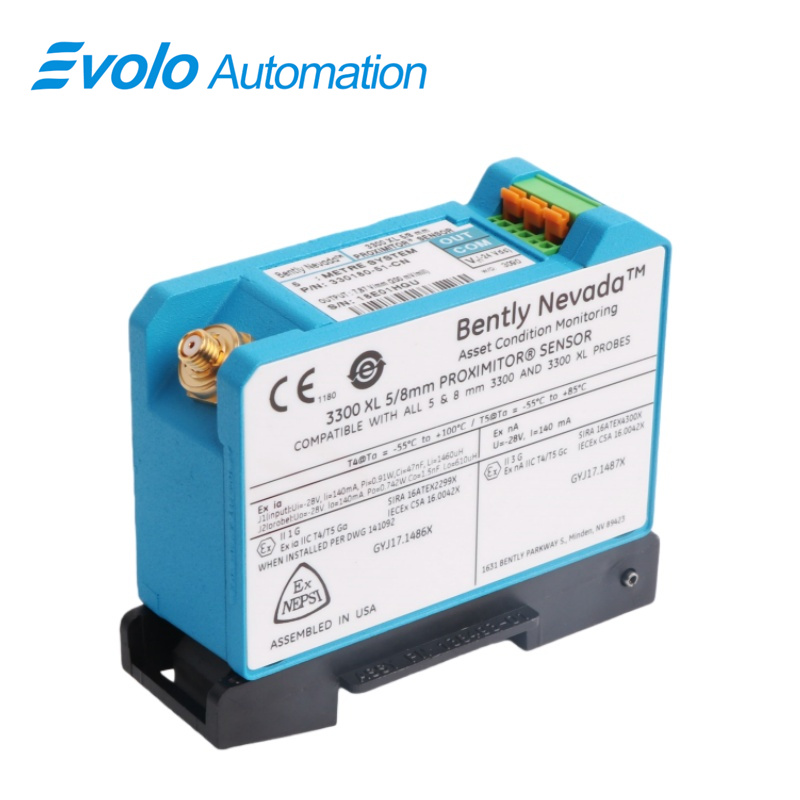
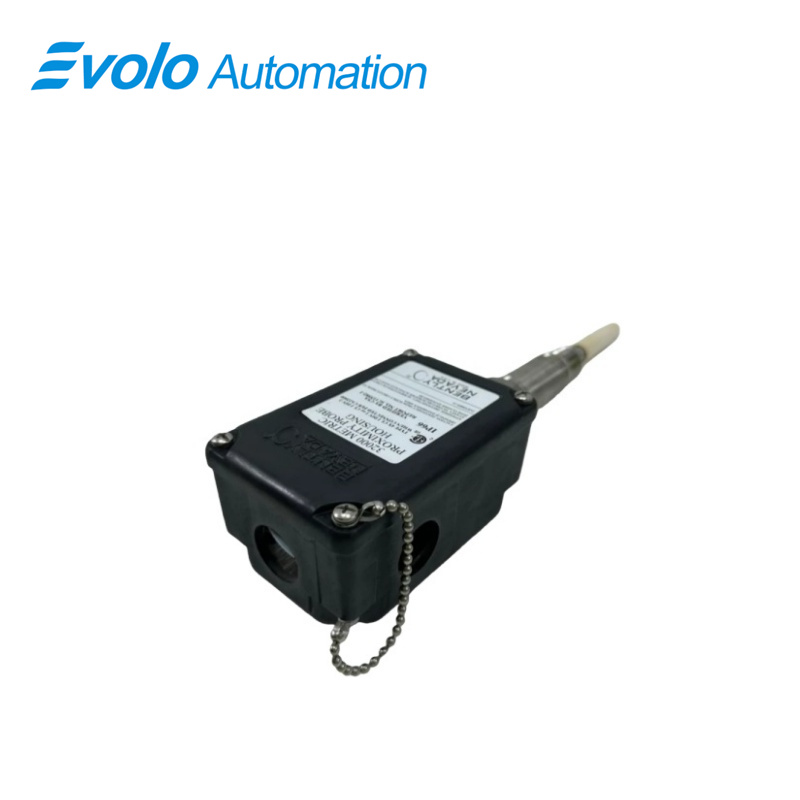
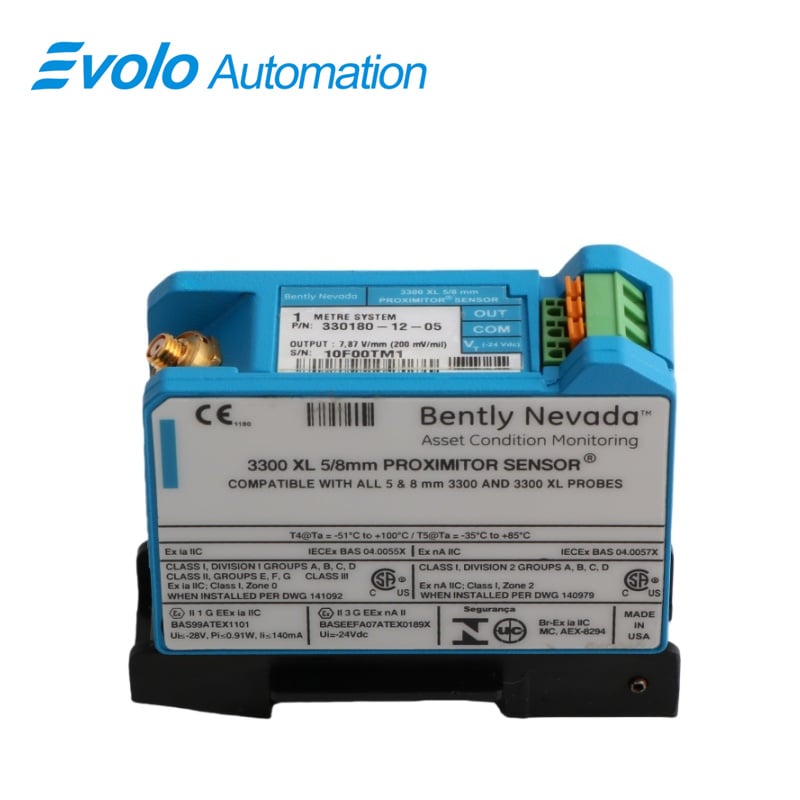
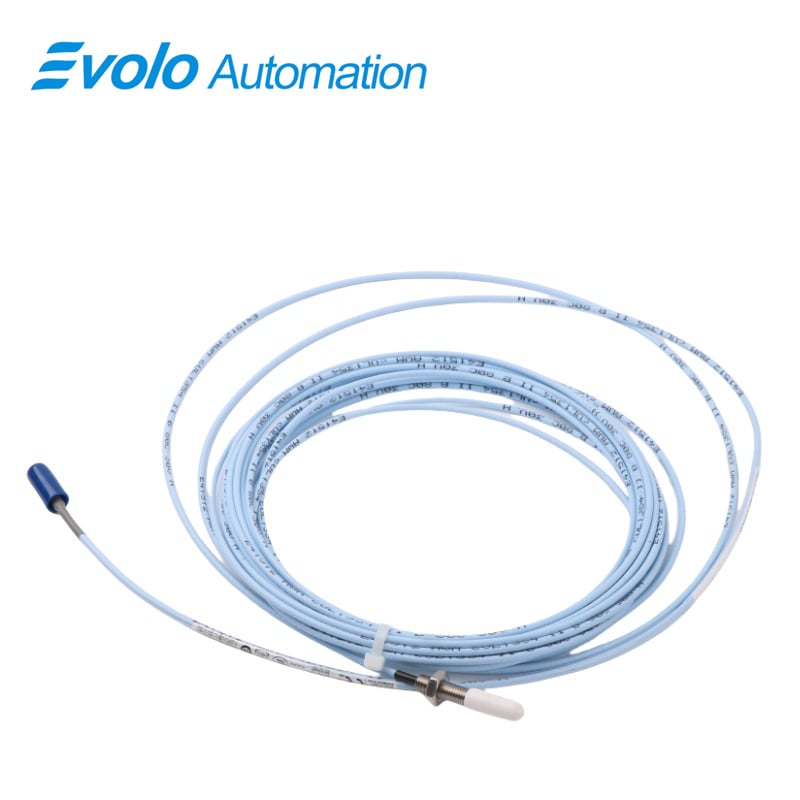
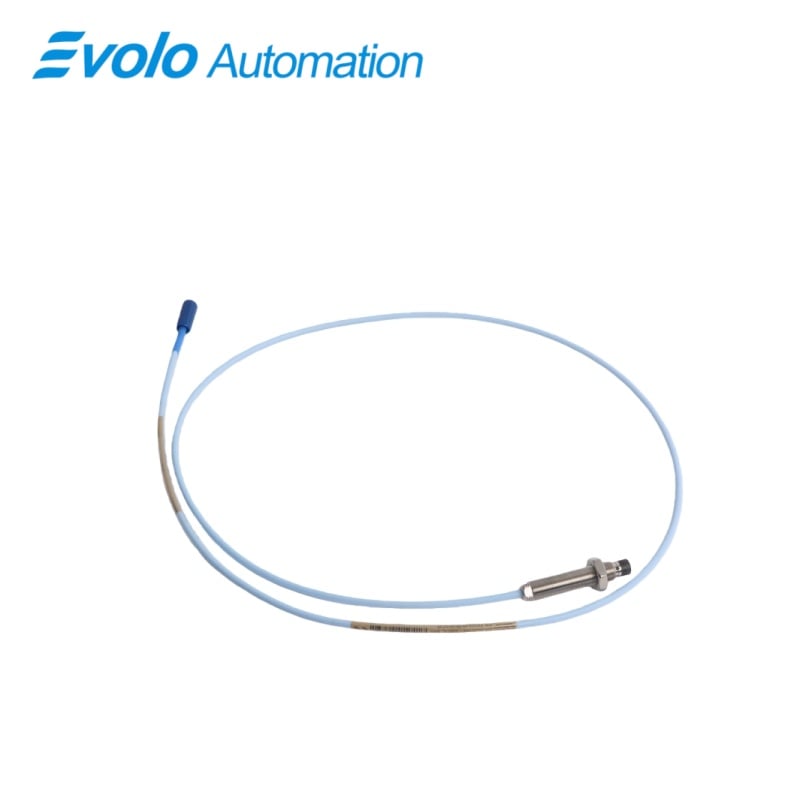
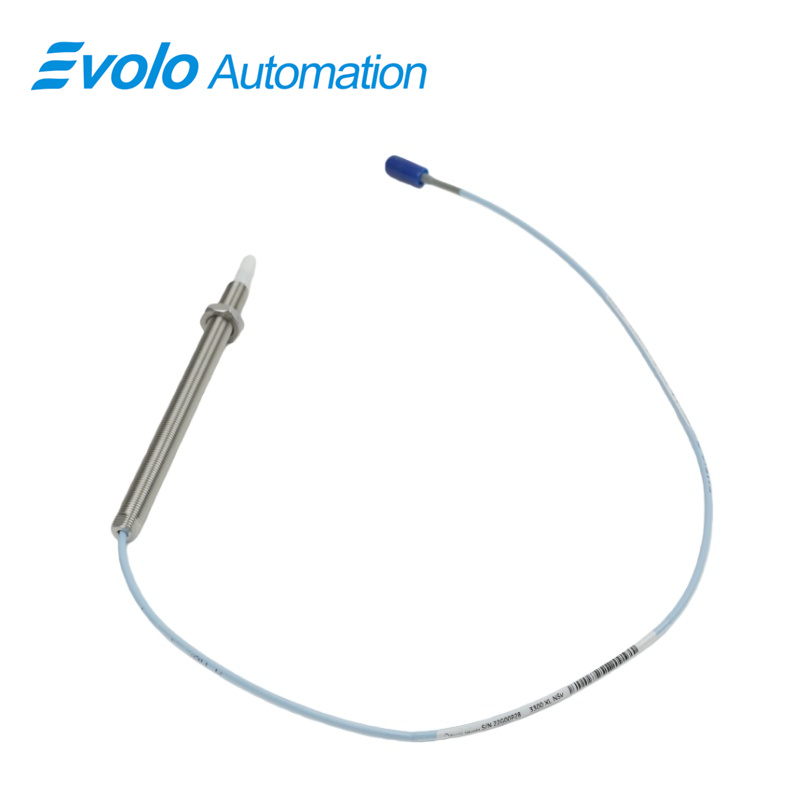
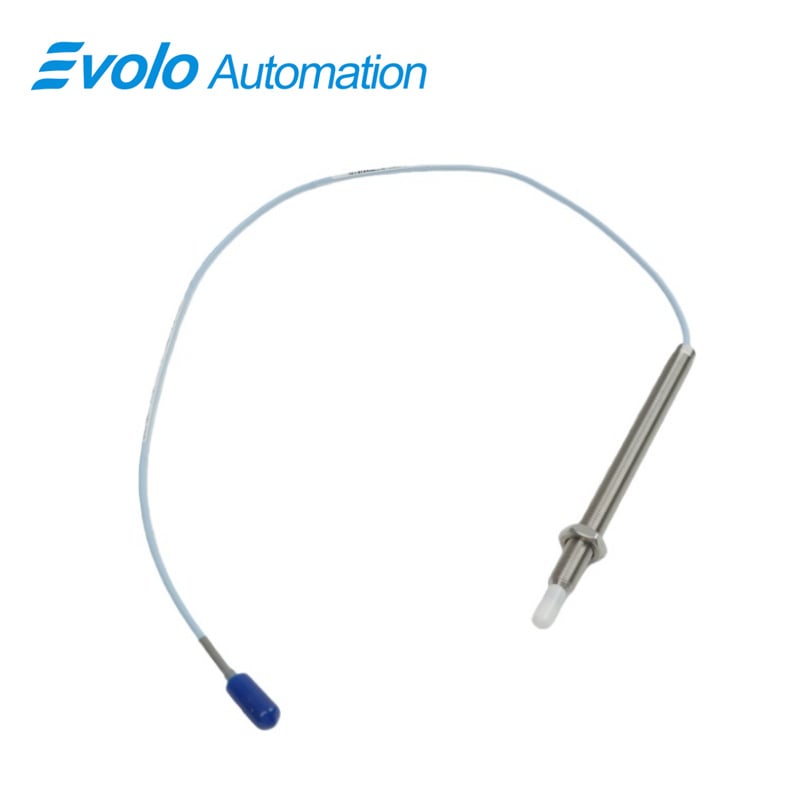
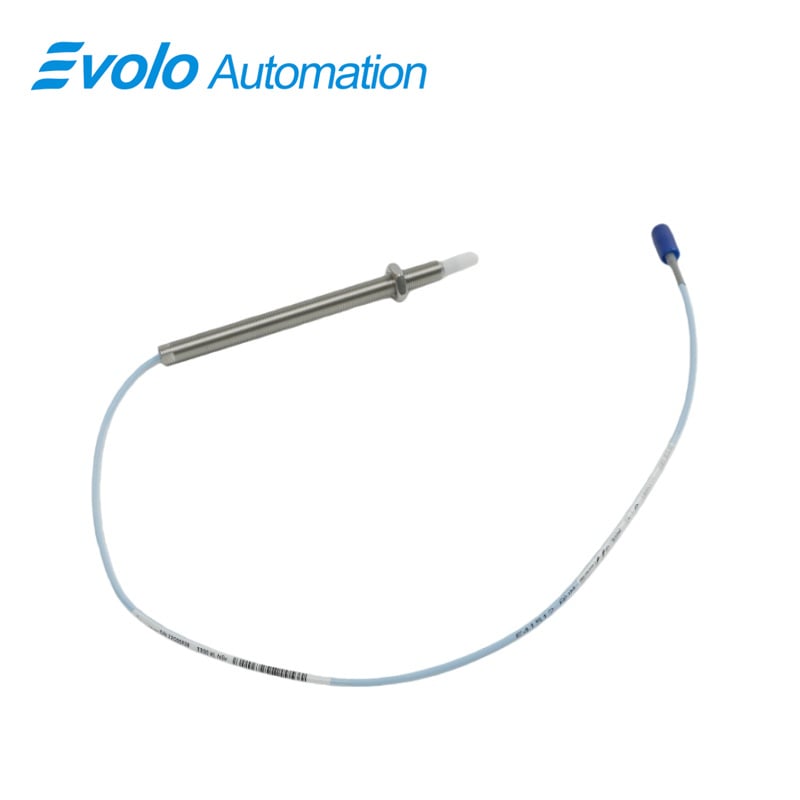
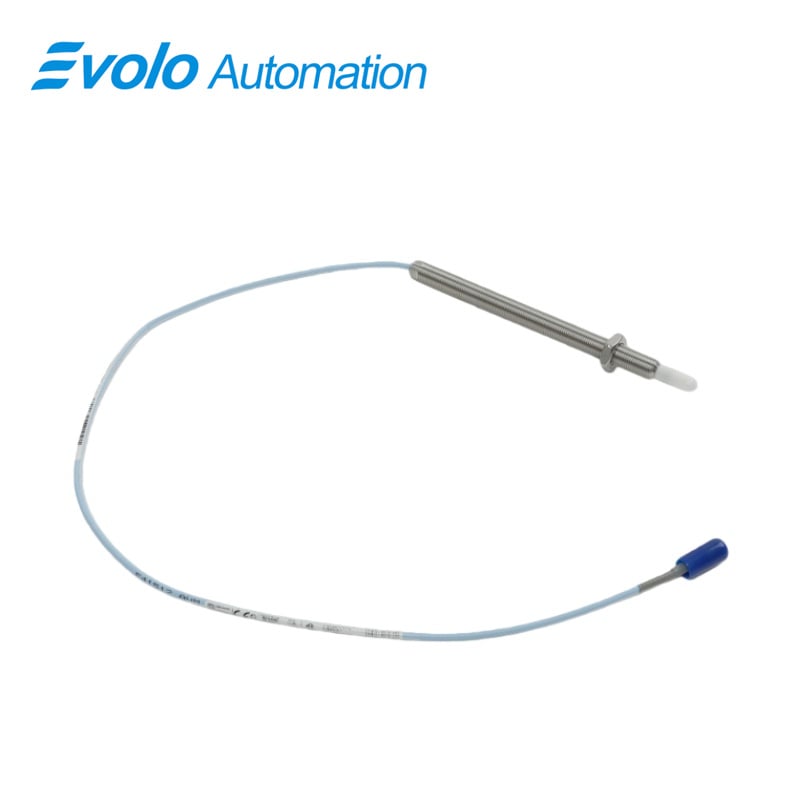
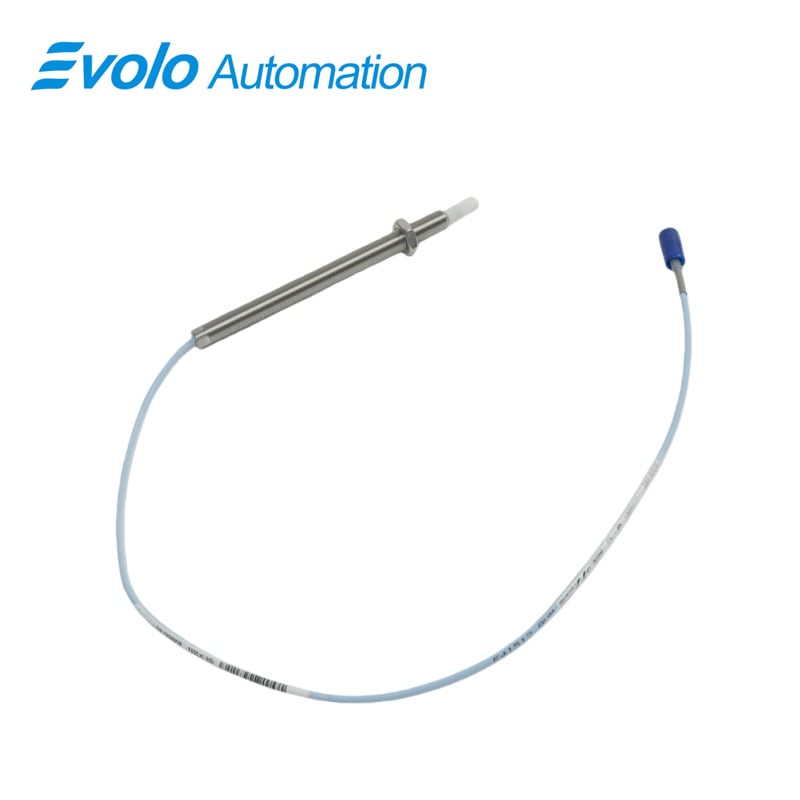
The 330905-00-16-05-02-05 3300 NSv Proximity Probe is a compact, high-precision eddy current sensor engineered for industrial automation and rotating machinery protection systems where installation space is extremely limited. With an overall case length of 160 mm, an M10×1 stainless steel probe thread, and a 0.5 meter standard cable, this 3300 NSv proximity probe is optimized for tight-clearance applications in compressors, turbines, and fluid-film bearing machines. Its polyphenylene sulfide (PPS) probe tip and AISI 304 stainless steel housing provide excellent chemical resistance and mechanical durability, supporting long-term use in demanding automation environments.
Designed for small-target and reduced side-view conditions, the 330905-00-16-05-02-05 proximity probe delivers a stable 1.5 mm (60 mils) linear range with a recommended gap of 1.0 mm, ensuring accurate radial vibration, radial position, and axial thrust measurements. The probe features a 50 Ω output resistance and extremely low supply sensitivity of less than 2 mV/V, enabling consistent signal transmission to Proximitor sensors, PLCs, DCS platforms, and machinery protection systems. With a wide operating and storage temperature range from -52°C to +177°C, this 3300 NSv probe supports continuous automation monitoring in high-temperature compressor and process applications.
As part of the 3300 XL NSv proximity transducer system, this probe offers mechanical and electrical compatibility with legacy 3300 RAM systems while providing enhanced side-view performance and improved chemical resistance. Gold-plated brass ClickLoc connectors, patented TipLoc bonding, and CableLoc technology rated to 220 N pull strength ensure secure connections, reduced signal loss, and high reliability. The 330905-00-16-05-02-05 model is an ideal automation-grade proximity probe for modernization projects requiring compact design, proven accuracy, and long-term system stability.
Applications
Application 1: Centrifugal Compressor Radial Vibration Monitoring
In centrifugal air and process gas compressors, the 3300 NSv proximity probe measures radial shaft vibration on shafts smaller than 51 mm, using its 1.5 mm linear range and 7.87 V/mm system scale factor to deliver precise vibration data for automated protection and shutdown systems.
Application 2: Refrigeration Compressor Position Measurement
For refrigeration compressors with restricted mounting space, this probe supports accurate radial position and thrust monitoring at a 1.0 mm gap setting, enabling stable operation and early fault detection in automation control loops.
Application 3: Axial Thrust Position Monitoring
Installed on fluid-film bearing machines, the 330905-00-16-05-02-05 probe provides reliable axial thrust position measurements on flat targets smaller than 15 mm, supporting automated alarm and trip logic in machinery protection systems.
Application 4: Tachometer and Zero-Speed Detection
When configured for tachometer and zero-speed applications, the probe delivers low-noise phase reference signals with <2 mV/V supply sensitivity, ensuring accurate speed detection and machine status feedback for PLC and DCS-based automation.
Application 5: Phase Reference and Keyphasor Applications
In Keyphasor and phase reference installations, the compact NSv probe maintains stable signal output under high vibration and temperature conditions, enabling advanced vibration analysis and automated diagnostics in rotating equipment monitoring.
Specifications
|
Probe Temperature Range: |
-52°C to +177°C (-62°F to +351°F) |
|
Storage Temperature: |
-52°C to +177°C (-62°F to +351°F) |
|
Probe Tip Material: |
Polyphenylene sulfide (PPS) |
|
Probe Case Material: |
AISI 304 stainless steel (SST) |
|
Field Wiring: |
0.2 to 1.5 mm2 (16 to 24 AWG)[0.25 to 0.75 mm2 (18 to 23 AWG) with ferrules] |
|
Linear Range: |
1.5 mm (60 mils) |
|
Recommended Gap Setting: |
1.0 mm (40 mils) |
|
Output resistance: |
50 Ω |
|
Supply Sensitivity: |
Less than 2 mV change in output voltage per volt change in input voltage |
Competitive Advantage
Competitive Advantage 1: Optimized for Tight Installation Spaces
The compact NSv probe geometry and 160 mm case length allow installation in counterbore, side-view, and rear-view restricted locations where standard 5 mm or 8 mm proximity probes cannot be used.
Competitive Advantage 2: High Signal Stability and Accuracy
With 50 Ω output resistance and ultra-low <2 mV/V supply sensitivity, the probe delivers consistent displacement signals, reducing false alarms and improving automation system reliability.
Competitive Advantage 3: Wide Industrial Temperature Capability
Operating reliably from -52°C to +177°C, the 330905-00-16-05-02-05 probe exceeds typical industrial sensor limits, making it suitable for high-temperature compressor and process environments.
Competitive Advantage 4: Proven Mechanical and Chemical Robustness
The PPS probe tip and AISI 304 stainless steel housing, combined with 220 N CableLoc pull strength, provide enhanced resistance to chemicals, vibration, and mechanical stress in heavy-duty automation applications.
Competitive Advantage 5: Seamless Upgrade and Compatibility Path
Mechanical and electrical compatibility with 3300 RAM systems allows cost-effective upgrades to the 3300 XL NSv platform, reducing retrofit time while improving measurement performance and long-term automation stability.