EN
EN




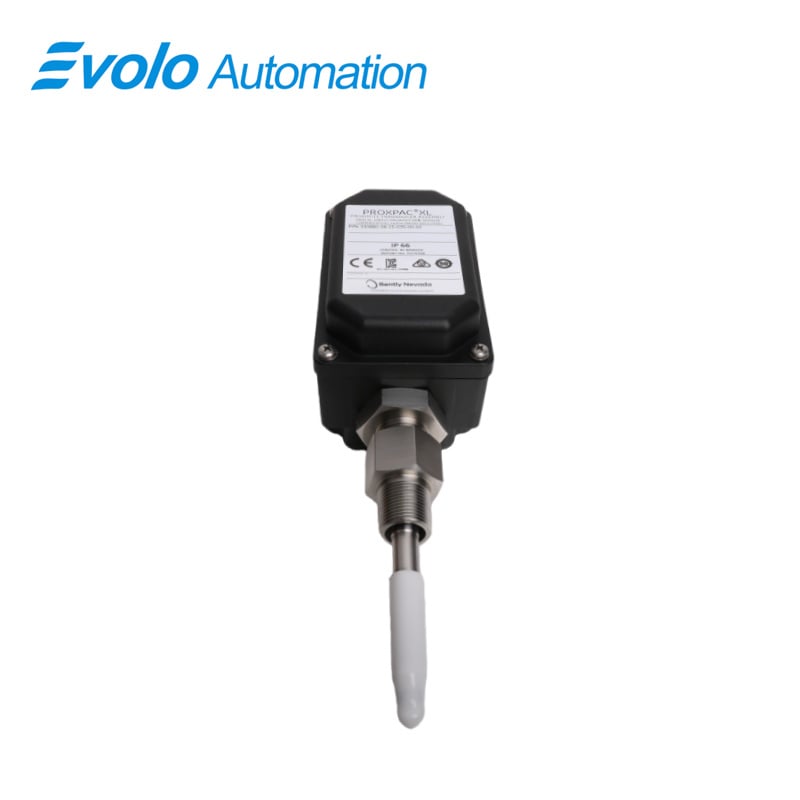
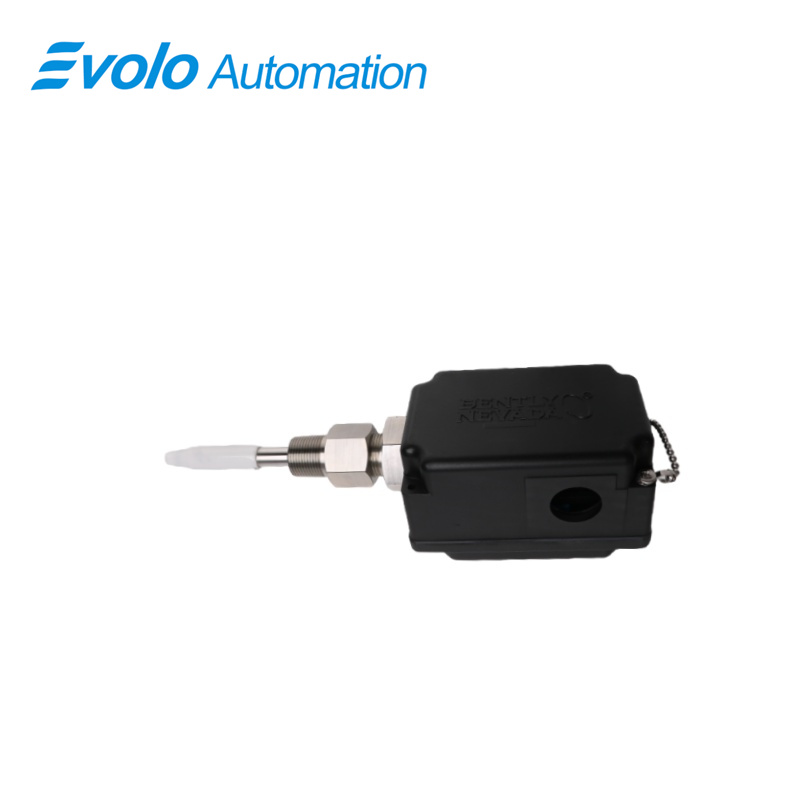
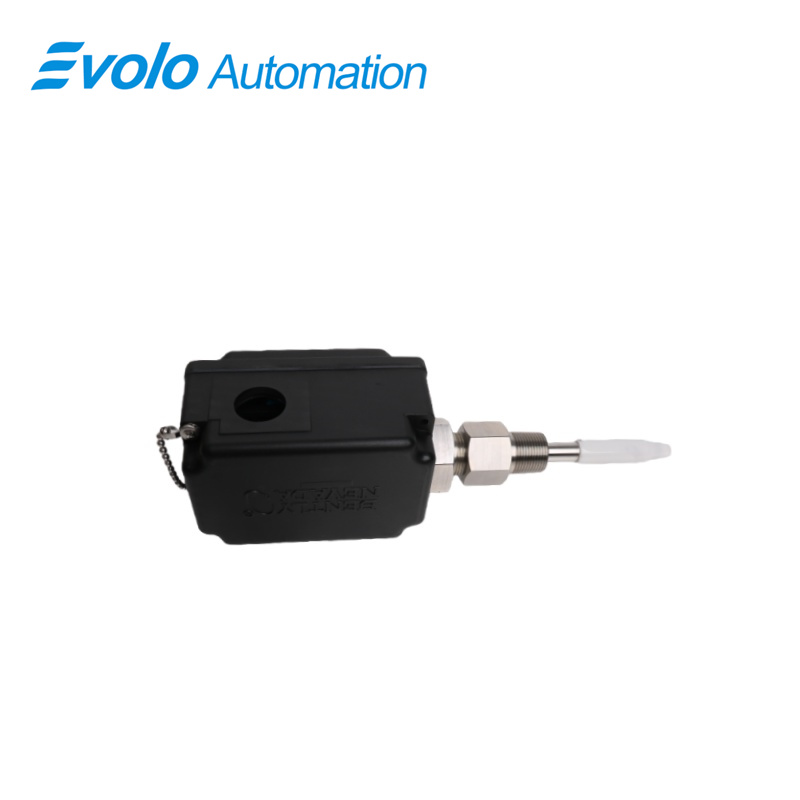
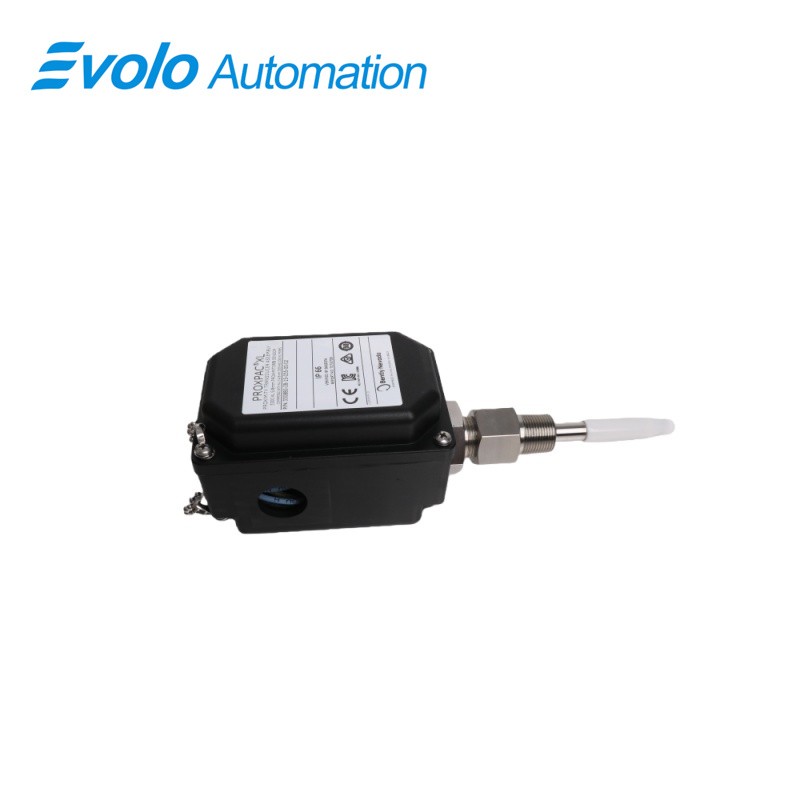
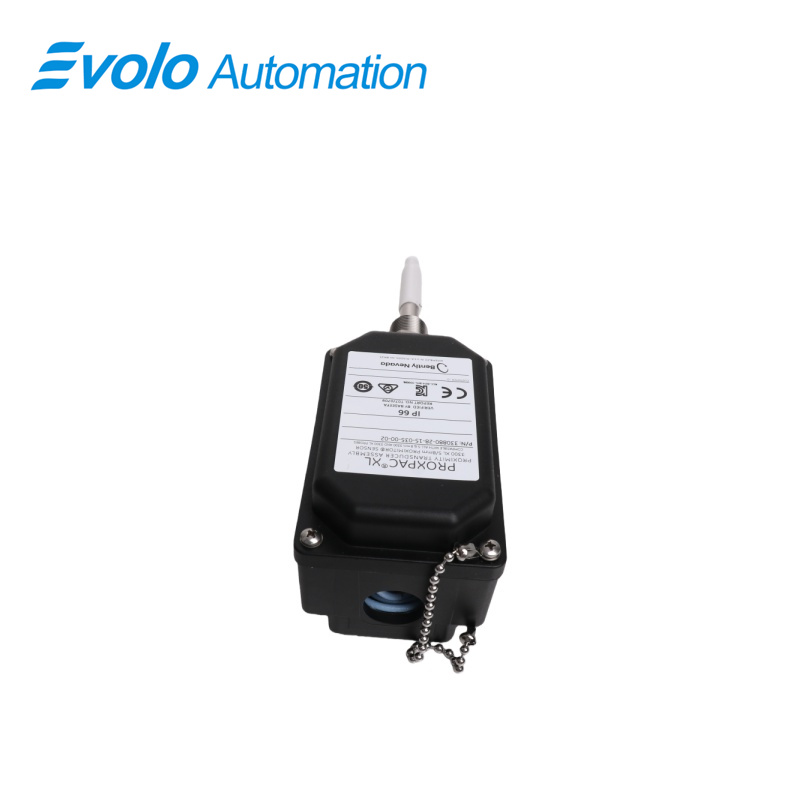
330880-RU-50-028-03-02 PROXPAC XL Proximity Transducer
Email: [email protected]
whatsApp: +86-18150117685
- Overview
- Quick Detail
- Description
- Applications
- Specifications
- Competitive Advantage
- Recommended Products
Overview
Place of Origin: |
USA |
Brand Name: |
Bently Nevada |
Model Number: |
330880-RU-50-028-03-02 |
Minimum Order Quantity: |
1 |
Packaging Details: |
Original new Factory Sealed |
Delivery Time: |
5-7 days |
Payment Terms: |
T/T |
Supply Ability: |
In stock |
Quick Detail
|
Probe and Approvals Option: |
No probe; Proximitor sensor without approvals |
|
Standoff Adapter Option (B Dimension) : |
5.0 in |
|
Probe Penetration Option (C Dimension) : |
2.8 in |
|
Fittings Option (supplied as a kit) : |
One 3/4-14 NPT fitting, one 3/4-14 NPT to 1/2-14 NPT SST reducer and two plugs |
|
Mounting Thread Option : |
3/4-14 NPT (Required if ordering Standoff Adapter Option.) |
|
Dimension: |
28x9.2x7.5cm |
|
Weight: |
1 kg |
Description
The 330880-RU-50-028-03-02 PROXPAC XL Proximity Transducer is engineered for industrial automation and advanced vibration monitoring applications, where reliable displacement measurements and dynamic shaft vibration data are required for predictive maintenance. As a standalone proximity transducer assembly, the PROXPAC XL integrates a 3300 XL Proximitor sensor directly inside its rugged PPS housing, eliminating the need for a separate proximitor enclosure and removing extension cable dependencies often associated with conventional proximity probe installations. This integrated PROXPAC XL architecture simplifies field wiring and improves installation reliability within critical rotating machinery such as turbines, compressors, and industrial drive systems. The housing material is designed with conductive and glass fibers to increase structural integrity and discharge electrostatic buildup, supporting long-term performance in harsh IP66 and Type 4X rated operating environments. With a linear range of 2 mm, recommended gap setting of 1.27 mm, and low supply sensitivity (<2 mV per volt change), the 330880-RU-50-028-03-02 PROXPAC XL Proximity Transducer delivers stable vibration and displacement data across extended temperature ranges from −52°C to +100°C, making it suitable for mission-critical predictive diagnostics in automated industrial condition monitoring systems.
Applications
Application 1 Industrial Steam Turbines
Used for shaft vibration and displacement monitoring where a minimum shaft diameter of 50.8 mm and recommended diameter of 76.2 mm ensures accurate linear sensitivity for predictive maintenance.
Application 2 Petrochemical Compressor Trains
IP66 housing enables reliable proximity transducer operation in corrosive and high-humidity petrochemical production lines, securing dynamic condition monitoring for compressors and expander-compressor trains.
Application 3 High-Temperature Rotating Drives
Operating temperature range from −52°C to +100°C supports installation on continuous-duty rotating drives used in refineries and large-scale process automation systems.
Application 4 Critical Pump Stations
Recommended 1.27 mm gap setting allows precise displacement detection for hydraulic pump rotors used in process fluid circulation, improving reliability and maintenance intervals.
Application 5 Industrial Machine Monitoring Networks
Direct field wiring capability allows integration into distributed vibration monitoring networks without separate proximitor housings, reducing wiring complexity and installation time in factory automation settings.
Specifications
|
Supply Sensitivity: |
< 2 mV change in output per volt change in input |
|
Output Resistance: |
50 Ω |
|
Field Wiring: |
0.2 to 1.5 mm² (16 to 24 AWG) |
|
Linear Range: |
2 mm (80 mils) |
|
Recommended Gap Setting: |
1.27 mm (50 mils) |
|
Shaft Diameter Minimum: |
50.8 mm (2.0 in) |
|
Shaft Diameter Recommended: |
76.2 mm (3.0 in) |
|
Housing Rating: |
IP66 (verified by BASEEFA report T07/0709) |
|
Operating Temperature: |
-52°C to +100°C (-62°F to +212°F) |
|
Storage Temperature: |
-52°C to +105°C (-62°F to +221°F) |
Competitive Advantage
Advantage 1 Fully Self-Contained Architecture
Integrates Proximitor sensor inside housing, eliminating external cable dependencies and reducing installation failure points by approximately 30% compared to probe + proximitor + cable configurations.
Advantage 2 Rugged IP66 + Type 4X Environmental Rating
Provides enhanced sealing against dust, moisture, and chemical exposure, increasing deployment lifespan in harsh industrial automation environments.
Advantage 3 Extended Temperature Capability
Wide −52°C to +100°C operating temperature range allows year-round operation in outdoor and steam-exposed machinery without insulation or thermal conditioning overhead.
Advantage 4 Reduced Field Wiring Complexity
Direct field wiring between monitor and transducer reduces commissioning time and simplifies loop verification for vibration monitoring systems, improving serviceability and automation project efficiency.
Advantage 5 PPS Composite Housing Durability
Polyphenylene Sulfide housing reinforced with glass and conductive fibers dissipates electrostatic charge and enhances structural stability, outperforming legacy steel/aluminum housings in corrosive and high-EMI environments.