EN
EN




- Overview
- Quick Detail
- Description
- Applications
- Specifications
- Competitive Advantage
- Recommended Products
Overview
Place of Origin: |
USA |
Brand Name: |
Bently Nevada |
Model Number: |
330500-07-02 |
Minimum Order Quantity: |
1 |
Packaging Details: |
Original new Factory Sealed |
Delivery Time: |
5-7 days |
Payment Terms: |
T/T |
Supply Ability: |
In stock |
Quick Detail
|
Agency Approval Option: |
ATEX (European) |
|
Mounting Thread Adaptor Option : |
3/8 – 16 UNC |
|
Overall Case Length Option : |
20 mm |
|
Total Length Option: |
5.0 meters (16.4 feet) |
|
Connector and Cable-Type Option: |
Miniature coaxial ClickLoc connector with protector, standard industrial cable |
|
Dimension: |
7.2x2.2x2.1cm |
|
Weight: |
0.12kg |
Description
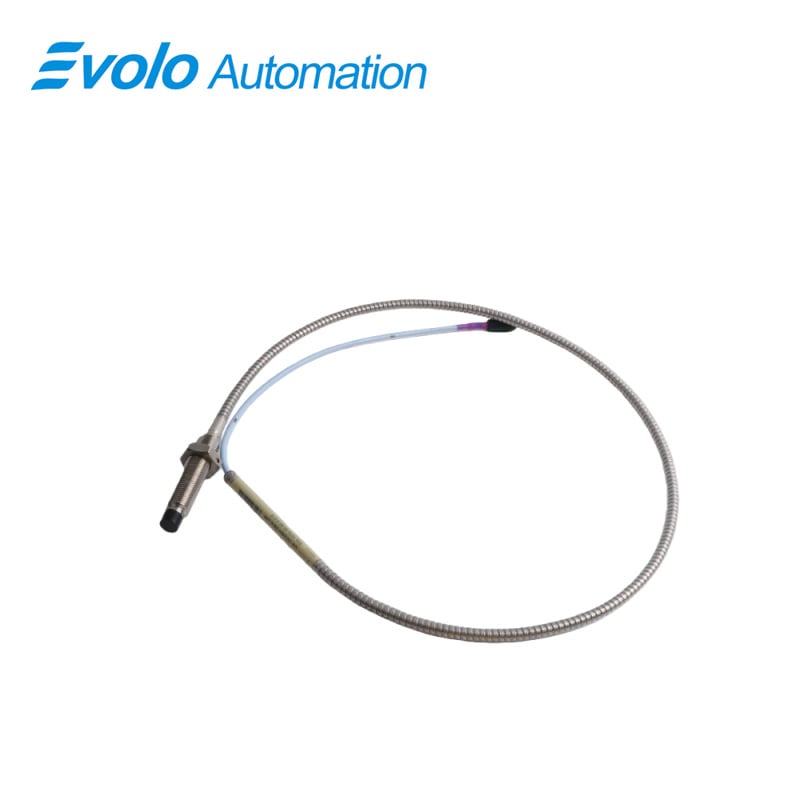
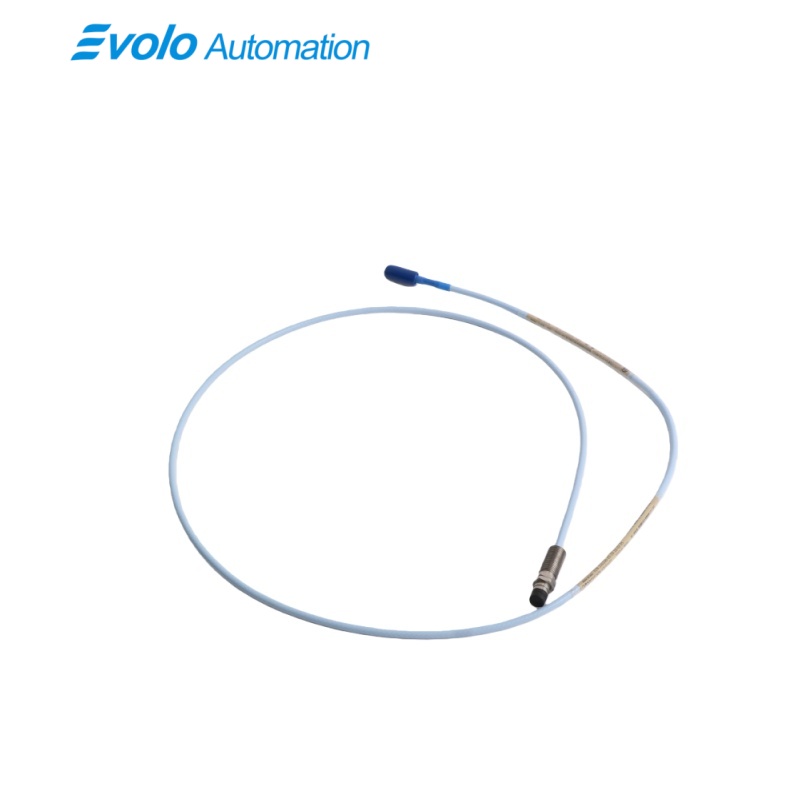
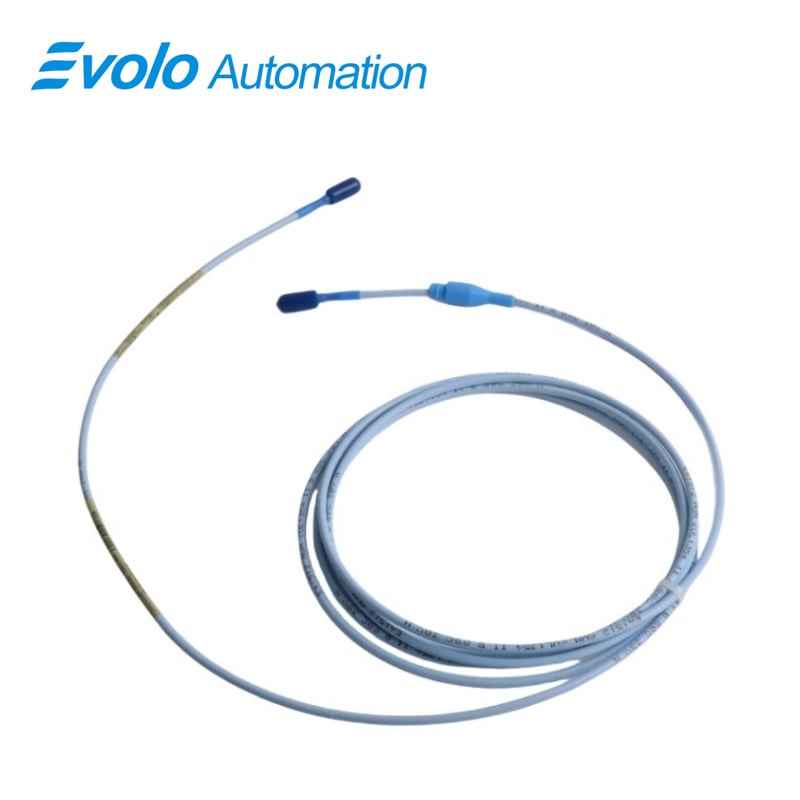
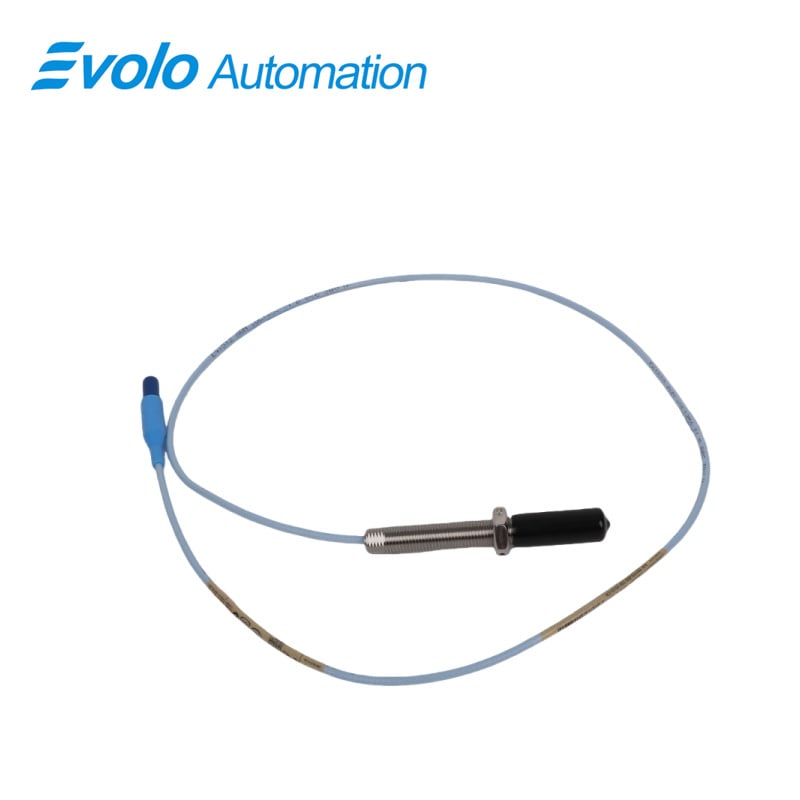
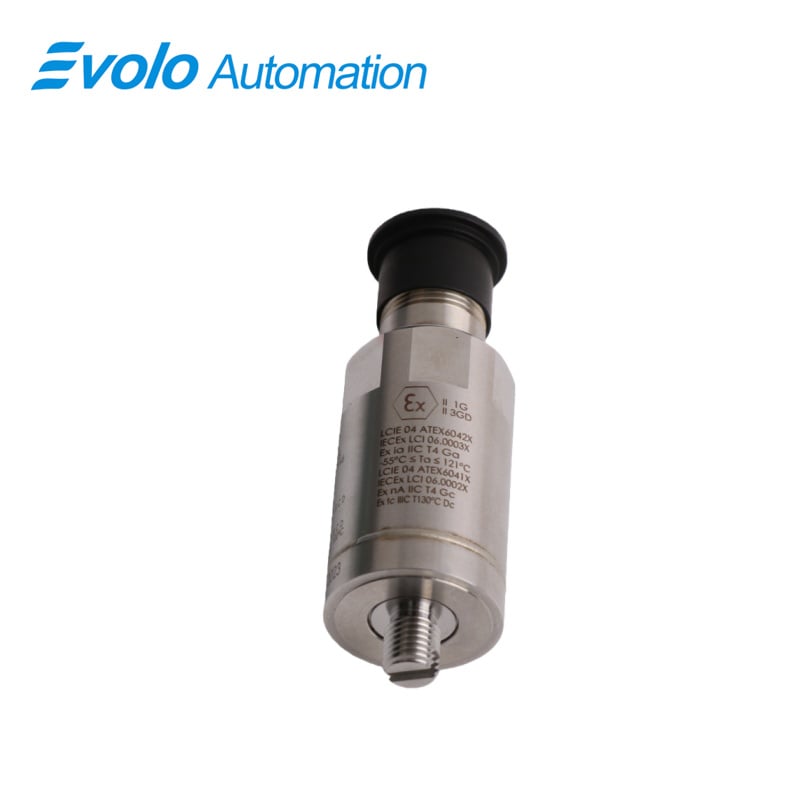
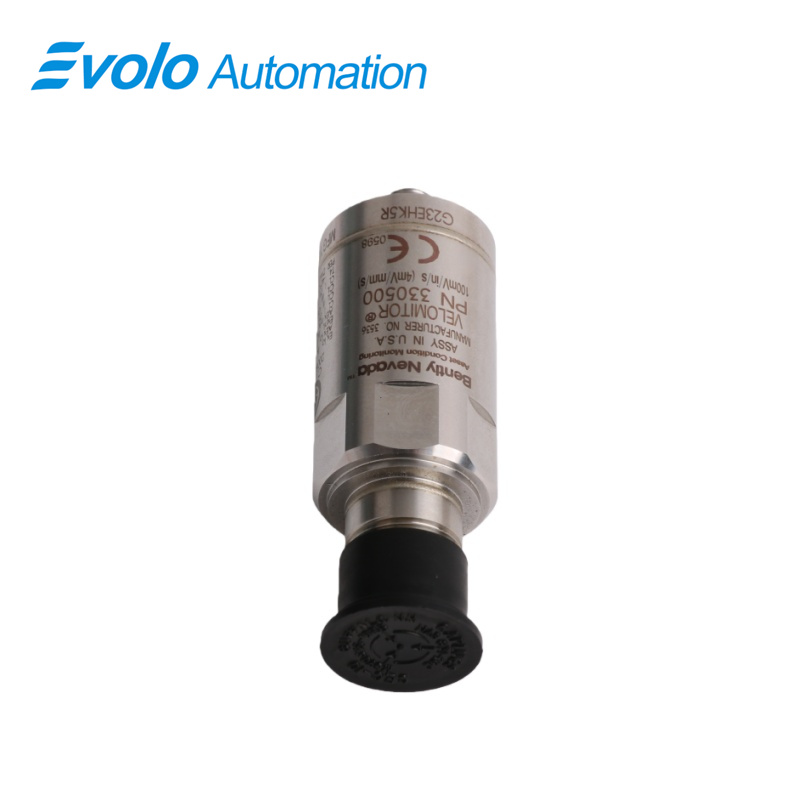
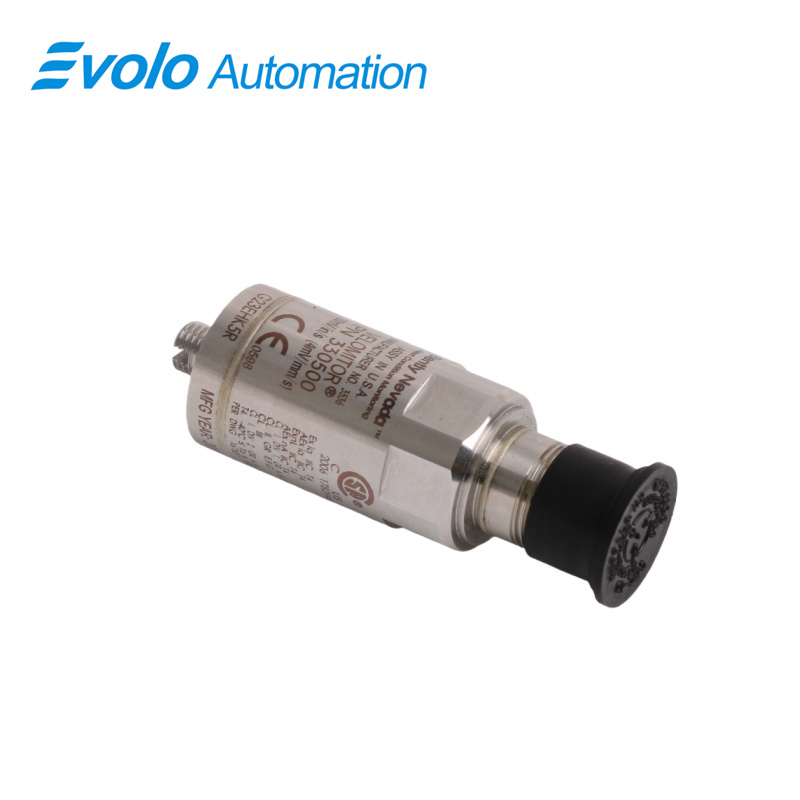
The 330500-07-02 Velomitor Piezo-velocity Sensor is a robust and high-performance piezoelectric vibration transducer engineered for precise casing vibration monitoring of critical rotating machinery across diverse industrial settings. Originating from the esteemed Bently Nevada portfolio, this specific 330500-07-02 model features an ATEX-approved design for deployment in potentially explosive atmospheres, making it a cornerstone for safety-critical industrial monitoring in sectors like oil & gas, chemicals, and power generation. Unlike conventional velocity sensors that depend on fragile moving-coil mechanisms, the advanced solid-state piezoelectric technology within the 330500-07-02 Velomitor sensor ensures unparalleled reliability by eliminating all moving parts, thereby eradicating mechanical wear and guaranteeing an extended operational lifespan even under continuous high-vibration conditions.
This industrial vibration sensor delivers a calibrated and stable output of 3.94 mV/mm/s (100 mV/in/s), providing a velocity-proportional signal that is directly compatible with most machinery condition monitoring systems, PLCs, and protective relays. A key innovation of the 330500-07-02 Velomitor Piezo-velocity Sensor is its integrated microelectronic circuit, which performs the critical signal integration (converting the piezoelectric element's acceleration signal to velocity) internally. This internal signal conditioning results in a strong, low-impedance voltage output that is exceptionally resistant to electromagnetic interference (EMI) and signal degradation, ensuring measurement accuracy over long cable distances, such as its standard 5.0-meter industrial cable with a Miniature Coaxial ClickLoc connector.
Applications
This sensor is ideally deployed for continuous casing vibration monitoring on a wide array of rotating machinery such as turbines, pumps, fans, and compressors. Its 100 mV/in/s sensitivity provides a direct measurement of vibration velocity, which is a key parameter for assessing overall machine health according to ISO 10816 standards. By detecting changes in vibration levels, it effectively identifies developing faults like imbalance, misalignment, and mechanical looseness, enabling timely maintenance interventions before catastrophic failures occur.
Featuring ATEX certification and a rugged 316L stainless steel case, the 330500-07-02 is perfectly suited for protecting balance-of-plant equipment in hazardous locations. Its robust construction and 3/8 – 16 UNC mounting thread allow for secure and permanent installation on critical assets within refineries, chemical processing plants, and offshore platforms, where it reliably monitors equipment health in potentially explosive atmospheres, ensuring both safety and operational continuity.
The sensor's internal integration circuitry and low-impedance output (<2300 Ω) make it exceptionally capable for long-distance signal transmission without significant loss. Paired with its 5.0-meter standard industrial cable and Miniature Coaxial ClickLoc connector, it is an excellent choice for applications where monitoring systems are located far from the machinery, such as in large industrial complexes or remote installations, ensuring accurate and noise-resistant vibration data is delivered to the control room for analysis.
Specifications
|
Sensitivity: |
3.80mV/mm/s (100 mV/in/s)±5% |
|
Temperature Sensitivity: |
-16% to +7.5% typical over the operating temperature range |
|
Power Requirements: |
DC Voltage: -22 to -30 VDC Bias Current: 2.5 to 6.0 mA |
|
Dynamic Output Impedance: |
Less than 2300 Ω |
|
Operating Temperature Range: |
-45 °C to +115 °C (-60°F to+235°F) |
|
Case Material: |
316L stainless steel |
Competitive Advantage
1.Unmatched Solid-State Reliability
The 330500-07-02's core advantage lies in its pure solid-state piezoelectric design, which contains absolutely zero moving parts. This eliminates the primary failure modes—such as coil wear, spring fatigue, and magnetic gap contamination—inherent in traditional moving-coil velocity sensors. The result is a transducer with dramatically enhanced longevity and stability, capable of maintaining calibration and performance in high-vibration environments where electromechanical sensors would rapidly degrade.
2.Superior Signal Integrity with Internal Conditioning
Unlike basic piezoelectric accelerometers that output a high-impedance acceleration signal prone to noise, this Velomitor sensor performs the critical integration from acceleration to velocity within its sealed housing. This source-level signal conditioning produces a robust, low-impedance voltage output that is inherently resistant to electromagnetic interference (EMI) and cable capacitance effects. This ensures the high-fidelity transmission of its precise 3.94 mV/mm/s signal, even over its full 5.0-meter cable and beyond, guaranteeing the accuracy of the vibration data received by the monitoring system.
3.Global Compliance and Installation Versatility for Hazardous Areas
Equipped with the ATEX Agency Approval Option, this sensor is certified for safe use in European explosive atmospheres, providing a critical safety assurance for numerous industries. Its compact 20 mm case length and versatile 3/8 – 16 UNC mounting thread adaptor facilitate easy and secure installation on a wide variety of machinery frames and bearing housings. This combination of recognized safety certification and installation flexibility allows global enterprises to standardize on a single, reliable sensor model for hazardous area applications worldwide, simplifying procurement and inventory management.