EN
EN




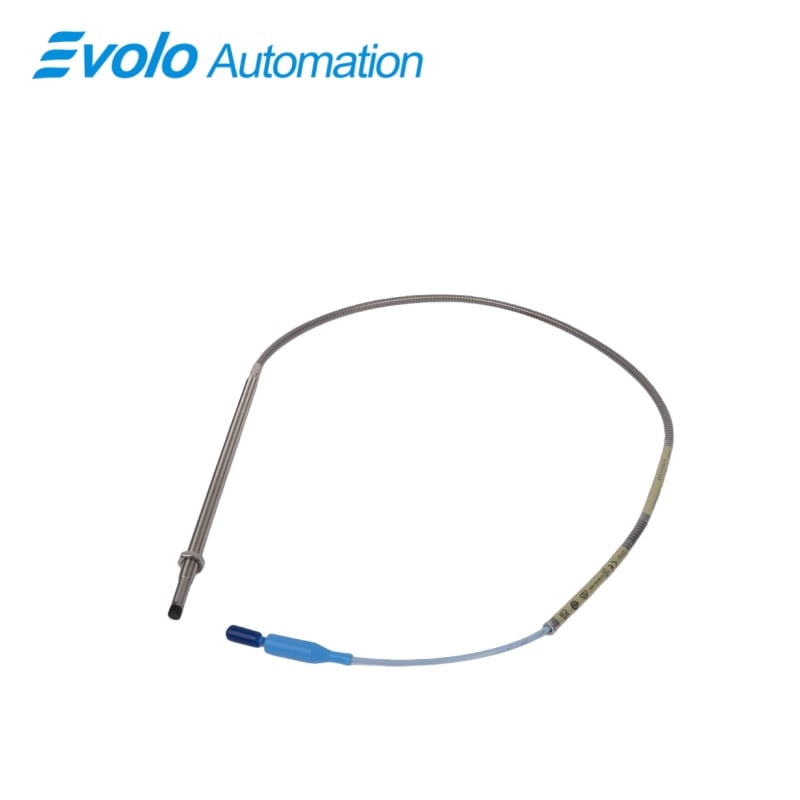
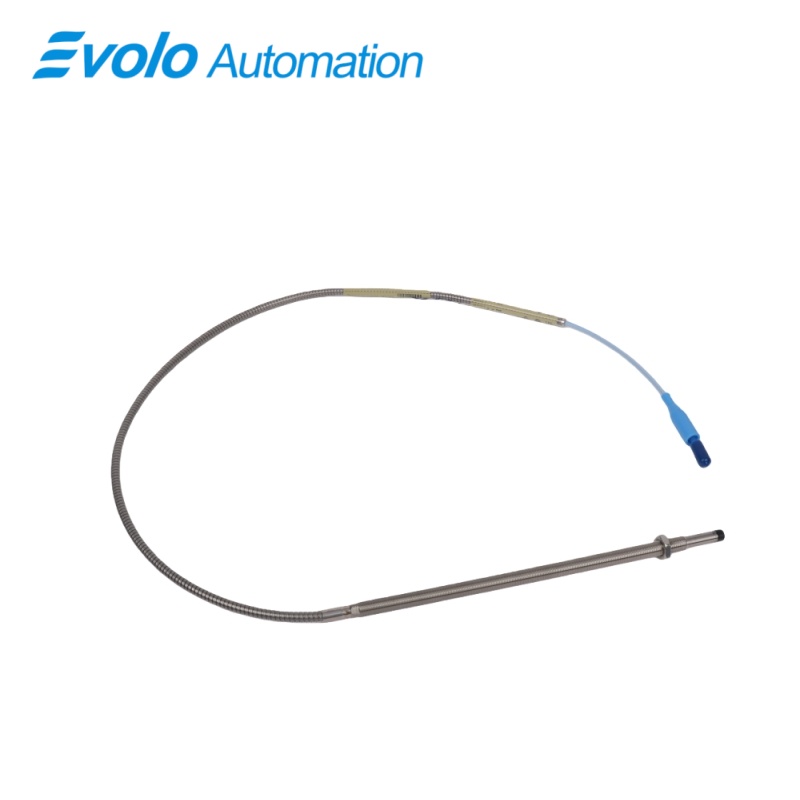
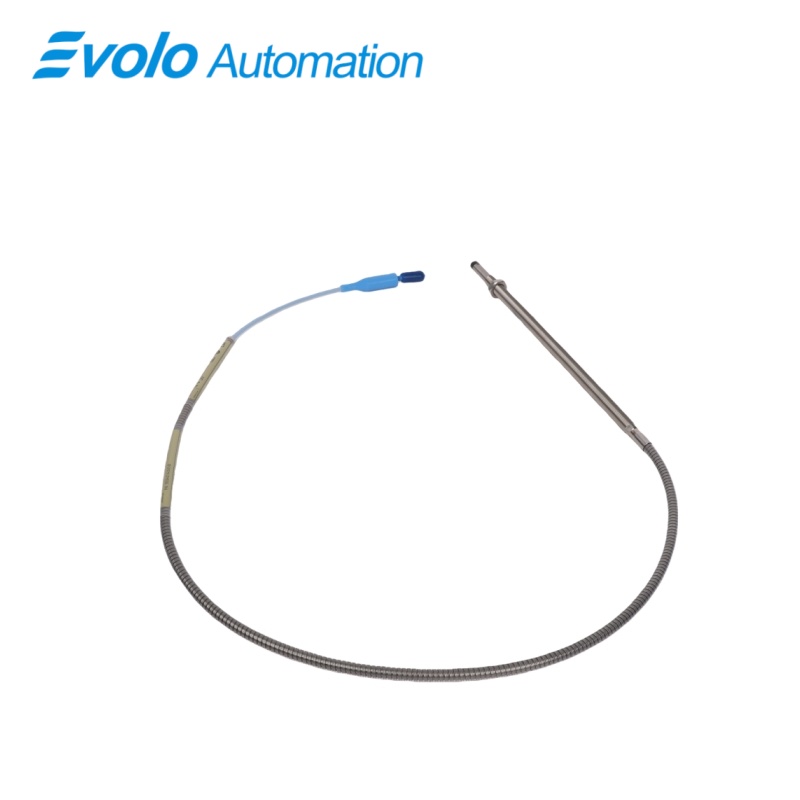
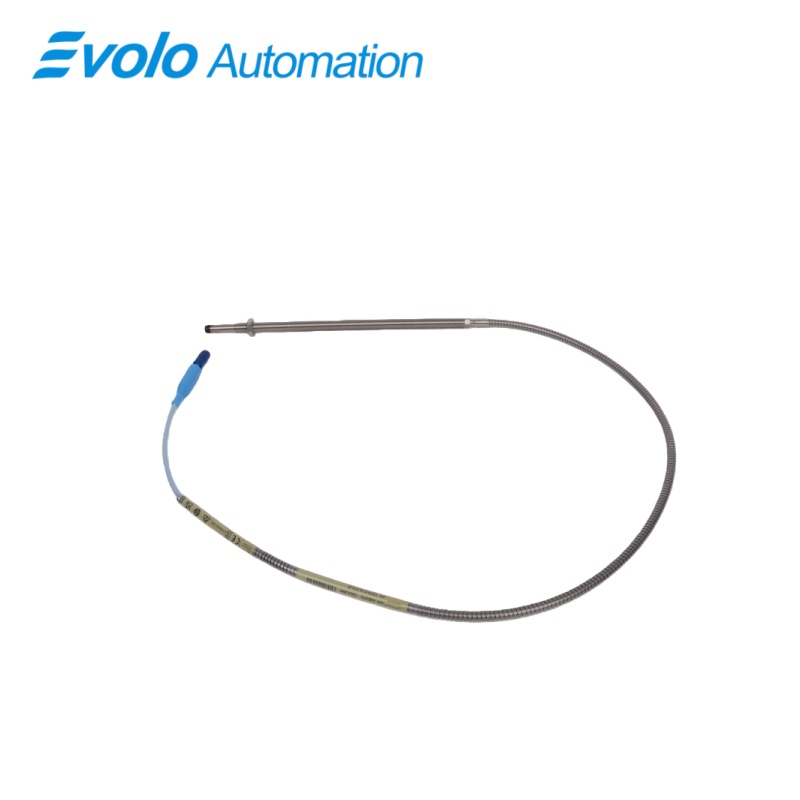
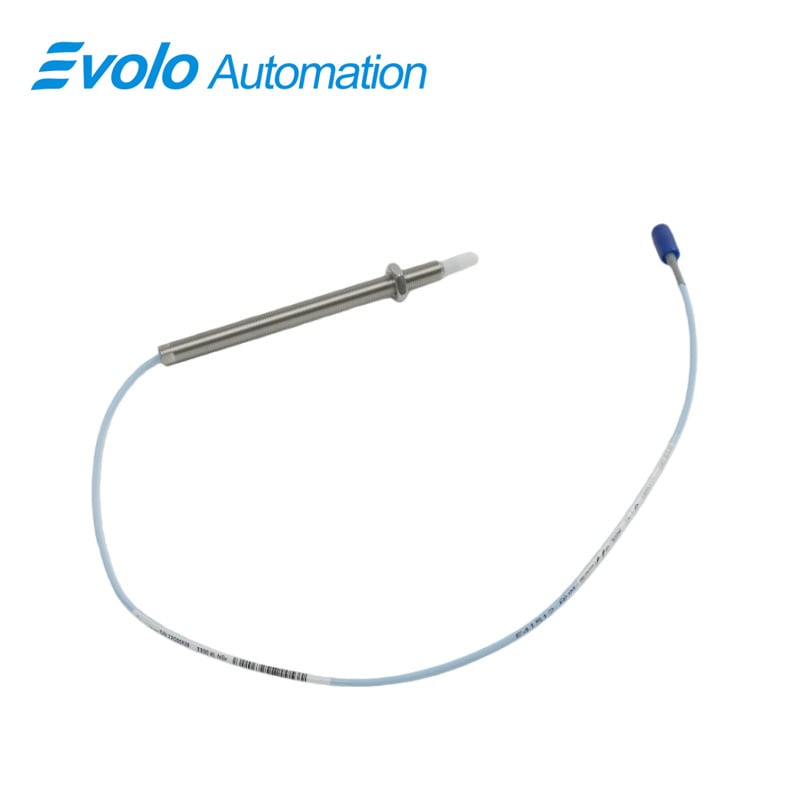
330104-02-25-10-02-00 3300 XL 8 mm Proximity Probes
Email: [email protected]
whatsApp: +86-18150117685
- Overview
- Quick Detail
- Description
- Applications
- Specifications
- Competitive Advantage
- Recommended Products
Overview
Place of Origin: |
USA |
Brand Name: |
Bently Nevada |
Model Number: |
330104-02-25-10-02-00 |
Minimum Order Quantity: |
1 |
Packaging Details: |
Original new Factory Sealed |
Delivery Time: |
5-7 days |
Payment Terms: |
T/T |
Supply Ability: |
In stock |
Quick Detail
|
Agency Approval Option: |
Not required |
|
Unthreaded Length Option : |
20 mm |
|
Overall Case Length Option : |
250 mm |
|
Total Length Option: |
1.0 meter (3.3 feet) |
|
Connector and Cable-Type Option: |
Miniature coaxial ClickLoc connector, standard cable |
|
Dimension: |
1.3x1.4x115cm |
|
Weight: |
0.16kg |
Description
The 330104-02-25-10-02-00 represents the pinnacle of eddy current sensor technology within the 3300 XL 8 mm Proximity Probes series by Bently Nevada. This high-performance proximity probe is specifically engineered for non-contacting displacement measurements in critical rotating machinery. As a fundamental component of the 3300 XL 8 mm Proximity Probes system, this model translates the physical distance between its tip and a conductive target into a precise electrical signal. The 330104-02-25-10-02-00 is designed to provide high-fidelity data regarding shaft vibration and axial position, which is essential for the early detection of mechanical anomalies and the prevention of catastrophic equipment failure in industrial environments.
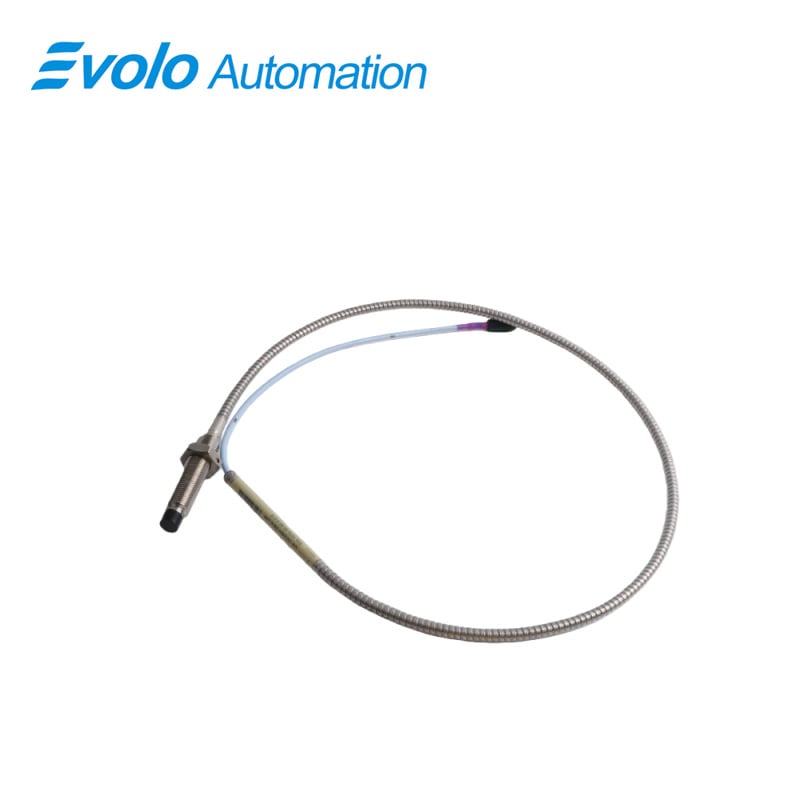
This specific 3300 XL 8 mm Proximity Probes configuration features a 20 mm unthreaded length and a 250 mm overall case length, making it suitable for deep-reach installation requirements. The 330104-02-25-10-02-00 probe is equipped with a 1.0-meter total length cable terminated with a miniature coaxial ClickLoc connector. Built to exceed the stringent requirements of the API 670 standard, these 3300 XL 8 mm Proximity Probes ensure exceptional linearity and thermal stability. The probe tip is molded from Polyphenylene Sulfide (PPS), a high-performance engineering thermoplastic that provides superior resistance to chemical corrosion and moisture. Combined with an AISI 303/304 stainless steel housing, the 330104-02-25-10-02-00 proximity probe offers unparalleled durability in the presence of lubricating oils and high-temperature gases.
Applications
The 330104-02-25-10-02-00 3300 XL 8 mm Proximity Probes are extensively used for radial vibration monitoring in high-speed rotating machinery. By measuring the dynamic motion of the shaft relative to the bearing housing, these probes allow engineers to detect imbalances, misalignments, and fluid-film bearing instabilities. Its 2 mm (80 mils) linear range provides sufficient headroom to capture significant displacement events, ensuring that critical assets like centrifugal compressors and steam turbines operate within their mechanical design limits to avoid unexpected outages.
This 3300 XL 8 mm Proximity Probes model is a vital tool for axial (thrust) position monitoring. Because the probe provides a highly accurate DC voltage proportional to the gap distance, it can track the longitudinal movement of a shaft within its thrust bearings. The 250 mm case length of the 330104-02-25-10-02-00 allows it to be mounted through thick machine casings to reach the thrust collar. This application is crucial for preventing internal rotor-to-stator contact, which can cause severe damage to internal components in large-scale power generation units and industrial blowers.
Beyond vibration and position, the 330104-02-25-10-02-00 serves as a reliable Keyphasor reference and rotational speed sensor. By detecting a notch or a projection on the rotating shaft, the 3300 XL 8 mm Proximity Probes provide a once-per-revolution pulse used for phase angle measurements and speed tracking. This data is essential for balancing procedures and diagnostic vibration analysis. Its robust ClickLoc connector ensures a stable signal path even in high-vibration areas, providing clean pulses for electronic overspeed protection systems in petrochemical refineries and manufacturing plants.
Specifications
|
Operating Temperature Range: |
-65°C to +109°C (-63°F to+212°F) |
|
Linear Range: |
2 mm (80 mils) |
|
Output Resistance: |
46 Ω |
|
Supply Sensitivity: |
Less than 2 mV change in output voltage per volt change in input voltage. |
|
Power: |
Requires -16.7 Vdc to -25 Vdc |
|
Probe Tip Material: |
Polyphenylene sulfide (PPS) |
|
Probe Case Material: |
AISI 303 or 304 stainless steel(SST) |
Competitive Advantage
1. Robust Material Engineering and Environmental Resilience
The 330104-02-25-10-02-00 utilizes a probe tip made of Polyphenylene Sulfide (PPS) and a case made of AISI 303/304 stainless steel. This combination provides a service life that is significantly longer than standard industrial sensors when exposed to corrosive lubricants and extreme temperatures (up to 177°C at the tip). The PPS tip is chemically inert, preventing degradation in harsh oil and gas environments, which reduces the frequency of probe replacements and lowers the total cost of ownership.
2. Seamless Interchangeability and Simplified Maintenance
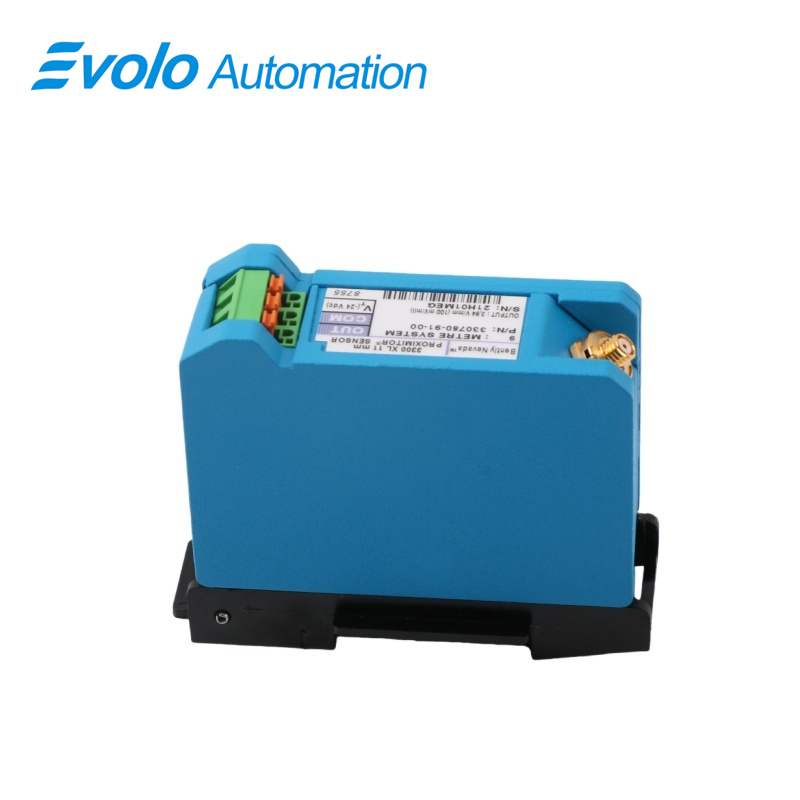
One of the greatest advantages of the 3300 XL 8 mm Proximity Probes is that the probe, extension cable, and Proximitor sensor are all fully interchangeable. The 330104-02-25-10-02-00 does not require custom calibration to its specific extension cable. This eliminates the need for specialized calibration equipment during installation, allowing maintenance teams to replace a damaged probe in minutes, thereby maximizing machinery uptime and streamlining inventory requirements.
3. Superior Signal Integrity and API 670 Compliance
Designed and manufactured in the USA, this probe fully complies with the API 670 standard for machinery protection systems. With a supply sensitivity of less than 2 mV change per volt, the 330104-02-25-10-02-00 maintains an exceptionally stable output even when the input power fluctuates. The patented ClickLoc connector technology ensures a secure, vibration-resistant connection between the probe and extension cable, preventing signal "noise" and false alarms that are common with inferior locking mechanisms.