EN
EN




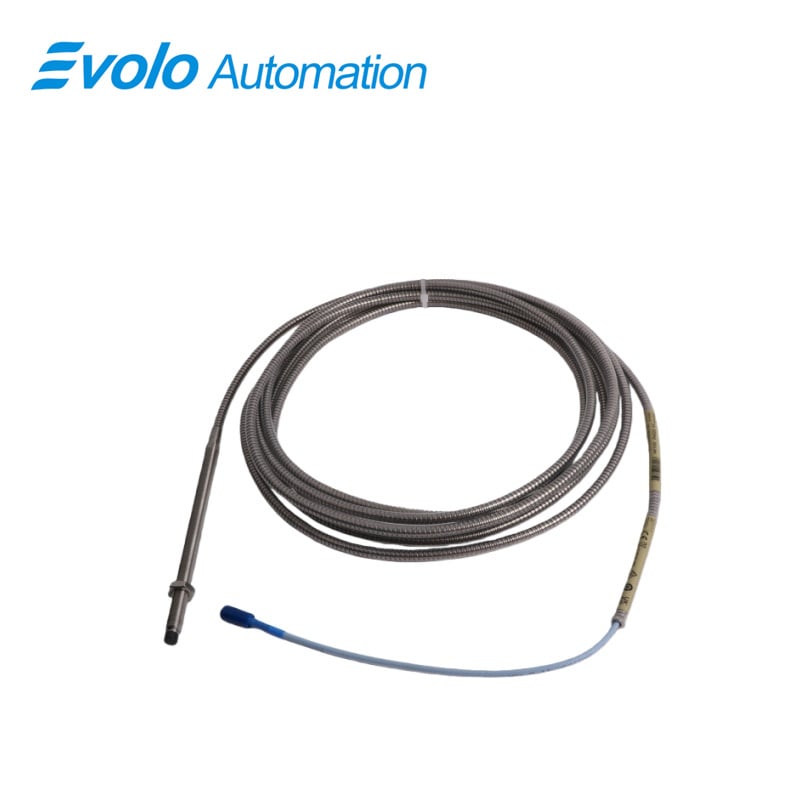
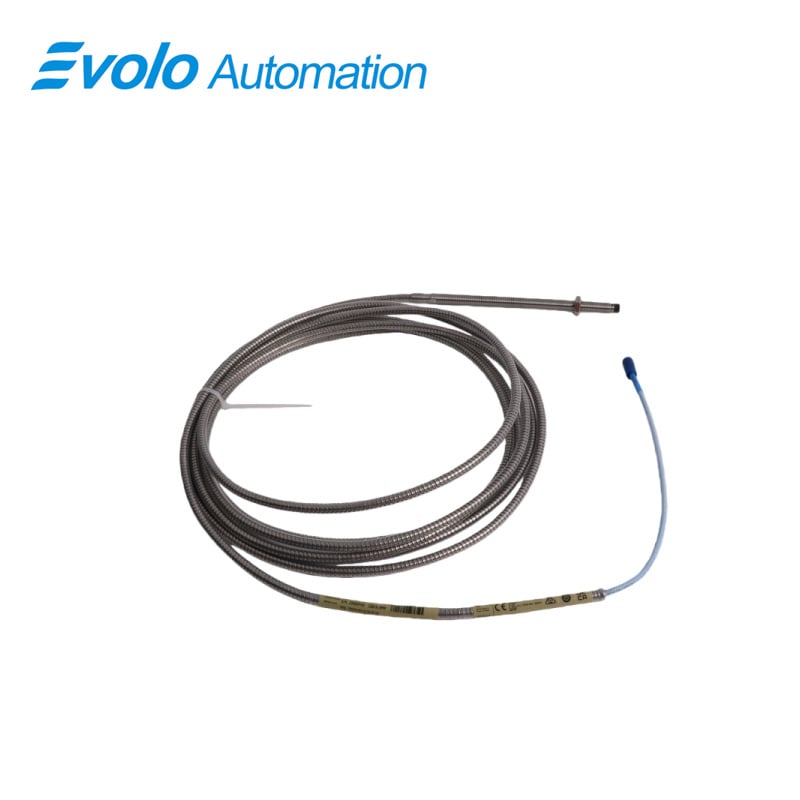
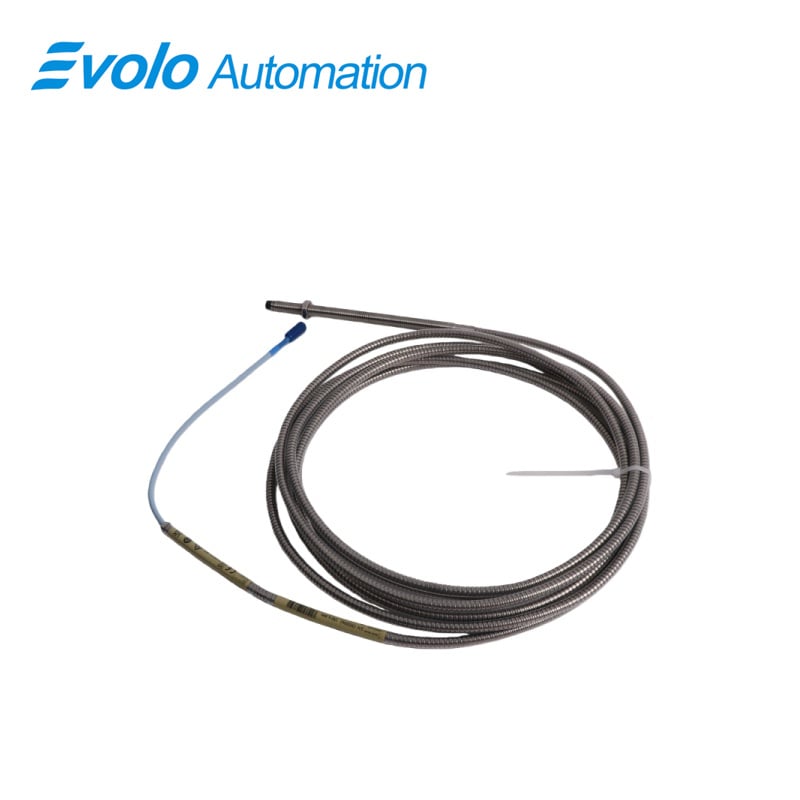
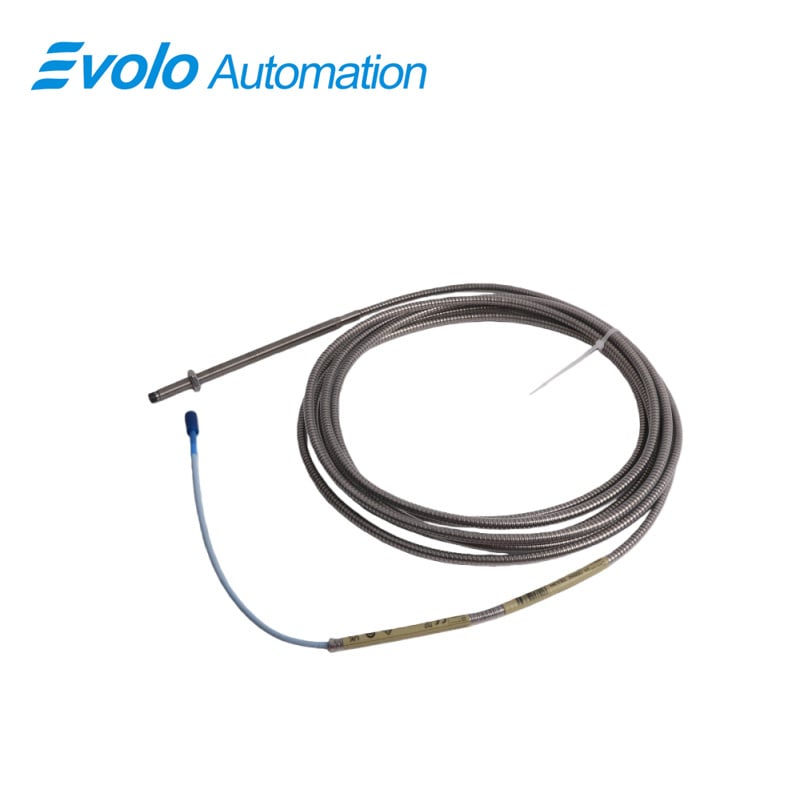
330104-00-16-50-02-00 3300 XL 8 mm Proximity Probes
Email: [email protected]
whatsApp: +86-18150117685
- Overview
- Product Overview
- Key Functions
- Official Specifications
- Frequently Asked Questions
- Compatibility & Ordering Notes
- Hot Selling Models
- Recommended Products
Overview
330104-00-16-50-02-00 3300 XL 8 mm Proximity Probes
At a Glance
Place of Origin: |
USA |
Brand Name: |
Bently Nevada |
Model Number: |
330104-00-16-50-02-00 |
Minimum Order Quantity: |
1 |
Packaging Details: |
Original new Factory Sealed |
Delivery Time: |
5-7 days |
Payment Terms: |
T/T |
Supply Ability: |
In stock |
Product Overview
Description
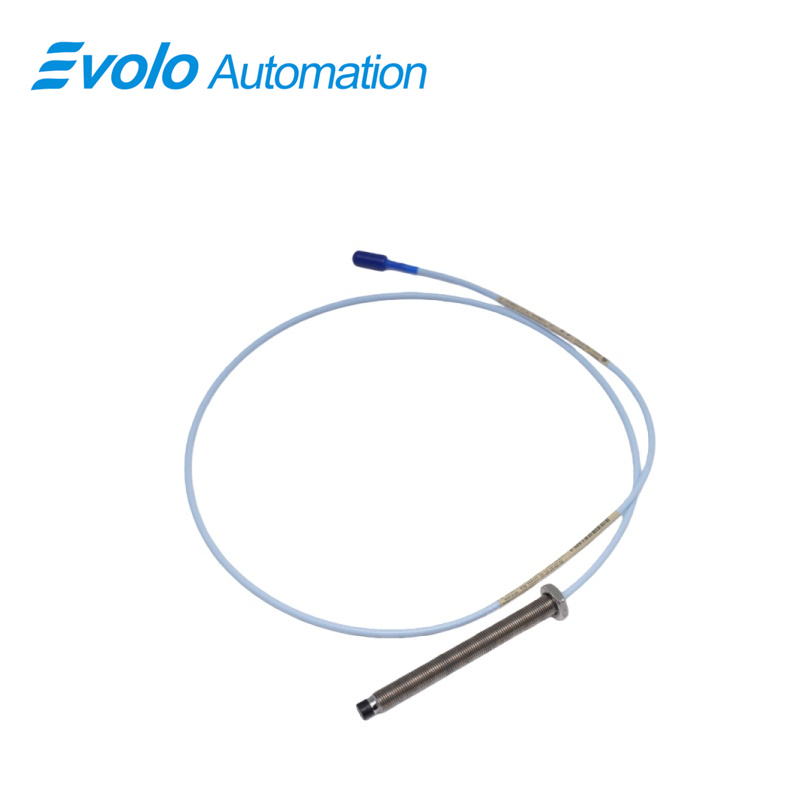
The 330104-00-16-50-02-00 3300 XL 8 mm Proximity Probe is a premium-grade, long-reach eddy current transducer engineered by Bently Nevada for critical machinery condition monitoring and protection applications. As an integral component of the globally recognized 3300 XL monitoring platform, this proximity probe is designed to deliver precise, reliable measurements of shaft vibration, axial displacement, and rotational speed for a vast array of industrial rotating assets. Its advanced sensing technology converts minute changes in the gap between the probe tip and a conductive target into a highly linear and stable electrical signal, providing the foundational data necessary for predictive maintenance, operational optimization, and catastrophic failure prevention in high-value machinery.
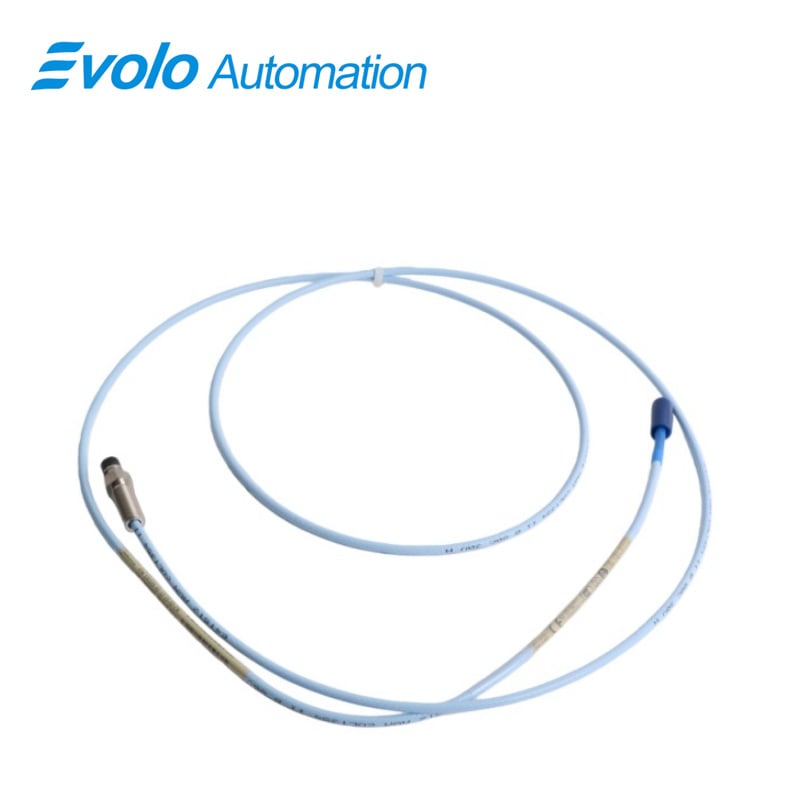
This specific Bently Nevada model is distinguished by its extended physical design, featuring a substantial overall case length of 160 mm and an exceptionally long integrated cable with a total length of 5.0 meters (16.4 feet). This configuration is specifically engineered for installations where the measurement point is located far from the monitoring system or where complex routing is required around large equipment. With a streamlined unthreaded length of 0 mm and dimensions of 29x29x3cm, this robust sensor, weighing 0.58kg, is built for demanding service. It utilizes a miniature coaxial ClickLoc connector and standard cable, ensuring a secure, vibration-resistant connection that maintains signal integrity over its entire length. The probe body is precision-machined from corrosion-resistant AISI 303 or 304 stainless steel (SST), while the sensing tip is constructed from durable Polyphenylene Sulfide (PPS), offering outstanding resilience against thermal stress, chemical exposure, and mechanical wear.
Key Functions
Applications
1. Long-Distance Monitoring for Large Turbines and Compressors
The exceptional 5.0-meter cable length of this probe makes it ideally suited for monitoring large-frame rotating equipment like industrial gas turbines, steam turbines, and centrifugal compressors. It allows for flexible routing from the sensor mounting point on the machine casing to remotely located monitoring panels or junction boxes, overcoming distance challenges in large power plants and processing facilities without requiring splice connections that could compromise signal integrity.
2. Comprehensive Vibration and Position Analysis on Critical Trains
With its substantial linear range of 0.2 mm to 8.0 mm, this probe is capable of handling both precise vibration measurement and larger axial position shifts. This versatility makes it perfect for complete machinery train monitoring—from the driver motor through gearboxes to the driven compressor or pump—enabling simultaneous assessment of radial vibration, thrust bearing position, and Keyphasor reference on a single, extended cable run, simplifying system architecture.
3. Retrofit and System Expansion in Existing Plants
The long cable and standard ClickLoc connector facilitate easy integration into existing 3300 XL or compatible monitoring systems during plant expansions or modernization projects. It is particularly valuable for adding new monitoring points to legacy equipment where wiring paths are long and complex, minimizing installation time and material costs while enhancing the plant's overall condition monitoring coverage without major infrastructure changes
Official Specifications
Quick Detail
|
Agency Approval Option: |
Not required |
|
Unthreaded Length Option : |
0 mm |
|
Overall Case Length Option : |
160 mm |
|
Total Length Option: |
5.0 meters (16.4 feet) |
|
Connector and Cable-Type Option: |
Miniature coaxial ClickLoc connector, standard cable |
|
Dimension: |
29x29x3cm |
|
Weight: |
0.58kg |
Specifications
|
Operating Temperature Range: |
-54°C to +177°C |
|
Linear Range: |
0.2 mm – 8 mm |
|
Output Resistance: |
50 Ω |
|
Supply Sensitivity: |
Less than 2 mV change in output voltage per volt change in input voltage. |
|
Power: |
Requires -17.7 Vdc to -25 Vdc |
|
Probe Tip Material: |
Polyphenylene sulfide (PPS) |
|
Probe Case Material: |
AISI 303 or 304 stainless steel(SST) |
Frequently Asked Questions
What is the model number?
The listed model number is 330104-00-16-50-02-00.
What is the brand name?
The listed brand name is Bently Nevada.
What is the place of origin?
The listed place of origin is USA.
What are the packaging details?
The listed packaging details are Original new Factory Sealed.
What is the delivery time?
The listed delivery time is 5-7 days.
Is this model available?
The listed supply status is In stock.
What are the payment terms?
The listed payment terms are T/T.
Compatibility & Ordering Notes
Competitive Advantage
1. Unmatched Installation Reach and Routing Flexibility
This probe's defining feature is its 5.0-meter (16.4-foot) integrated cable, a significant advantage for monitoring large-scale equipment. This long-reach design eliminates the need for field splices or external cable extensions, reducing potential points of failure, simplifying installation logistics, and providing unparalleled flexibility for routing around complex machinery structures in industrial plants.
2. Wide-Range Precision for Versatile Measurement Scenarios
Boasting an extensive linear range from 0.2 mm to 8.0 mm, this sensor offers exceptional measurement versatility. It can accurately capture subtle dynamic vibrations for diagnostic analysis while also reliably monitoring larger static displacements, such as axial shaft float or thermal growth, making it a single-sensor solution for multiple critical parameters on a machine.
3. Engineered for Extreme Environmental Durability
Constructed with a stainless steel (AISI 303/304) case and a Polyphenylene Sulfide (PPS) tip, the probe is built to withstand harsh industrial environments. Its robust design ensures reliable operation across a wide temperature range of -54°C to +177°C, providing long-term resistance to corrosion, chemical exposure, moisture, and physical stress, which translates to reduced maintenance and higher uptime.
4. Stable Signal Integrity Over Extended Distances
Despite the long cable length, the probe maintains excellent electrical performance with a stable 50 Ω output resistance and low supply sensitivity. This ensures that the signal transmitted from the probe tip to the monitoring system remains accurate and free from significant degradation, guaranteeing the reliability of data used for machinery protection and analysis, even over long runs.