EN
EN




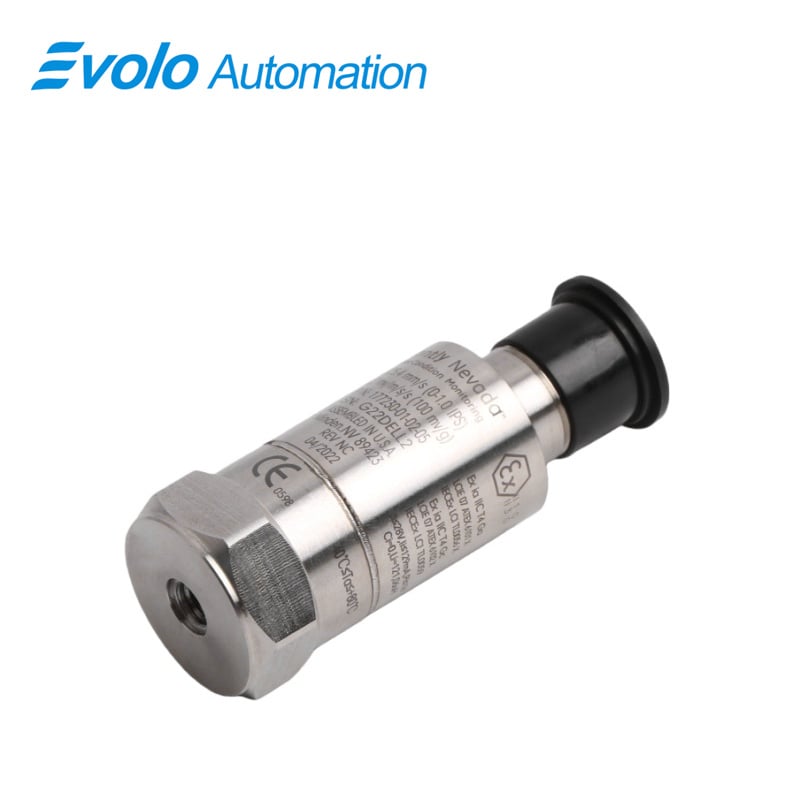
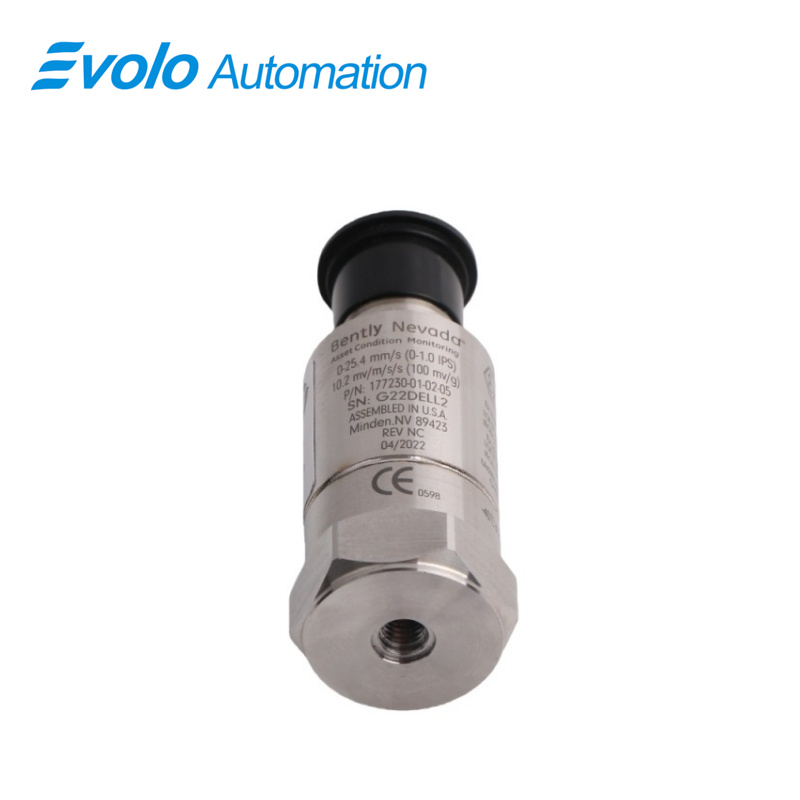
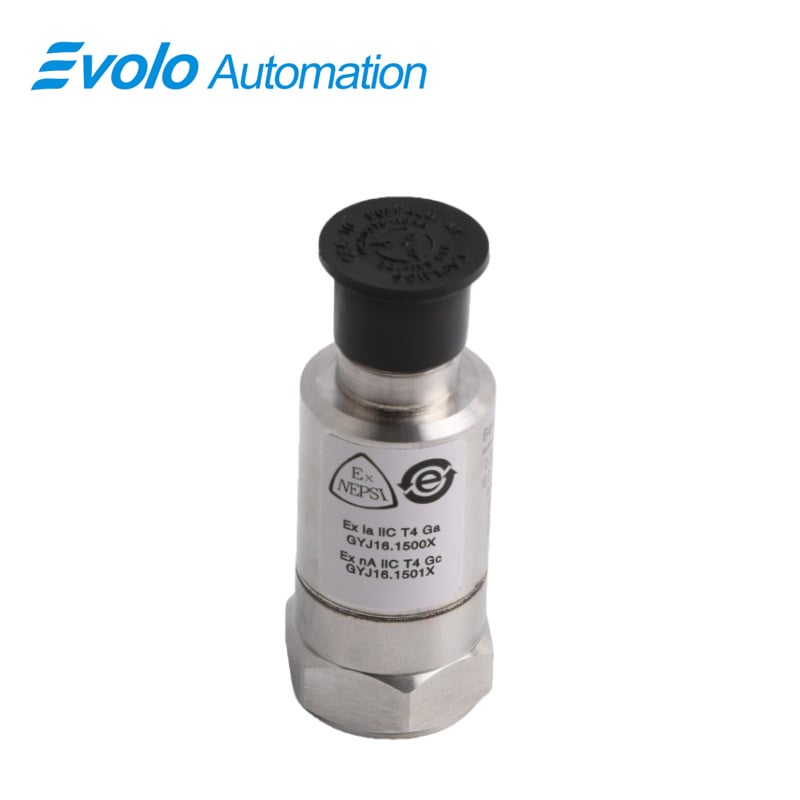
- Overview
- Quick Detail
- Description
- Applications
- Specifications
- Competitive Advantage
- Recommended Products
Overview
Place of Origin: |
USA |
Brand Name: |
Bently Nevada |
Model Number: |
177230-01-01-CN |
Packaging Details: |
Original new Factory Sealed |
Delivery Time: |
5-7 days |
Payment Terms: |
T/T |
Supply Ability: |
In stock |
Quick Detail
|
Measurement Range: |
0 – 25.4 mm/s (0 – 1.0 in/s) |
|
Frequency : |
10 Hz to 1 kHz (600 to 60 kcps) RMS (Root Mean Square) |
|
Approvals : |
Multiple Approvals (CSA/NRTL/C,ATEX/IECEx) |
|
SettlingTime: |
Less than 13 seconds within 2% of final value |
|
Case Material : |
316L stainless steel |
|
Dimension: |
7x2.5x2.5cm |
|
Weight: |
0.12kg |
Description
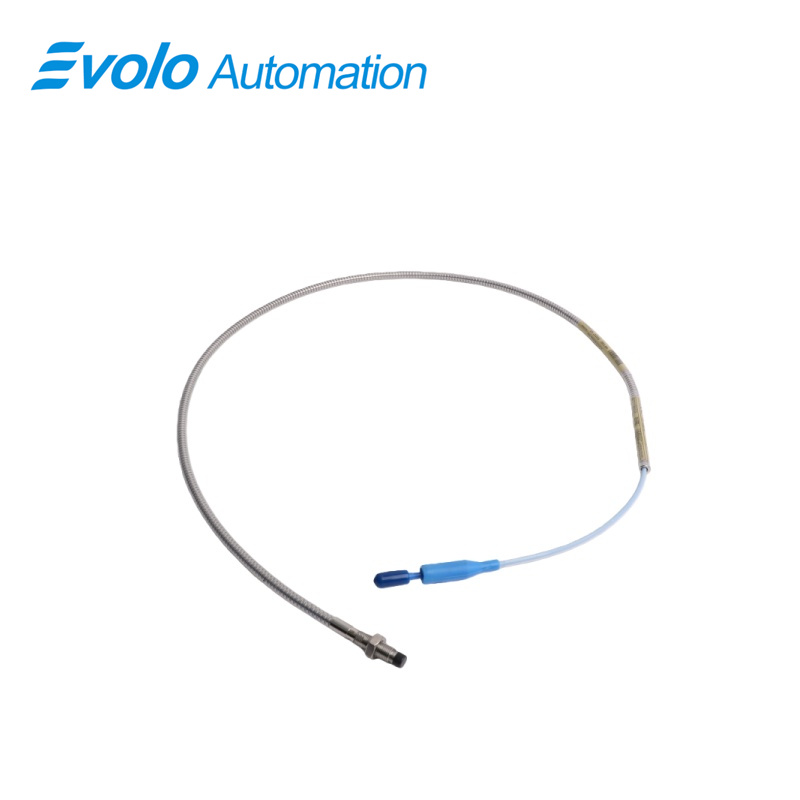
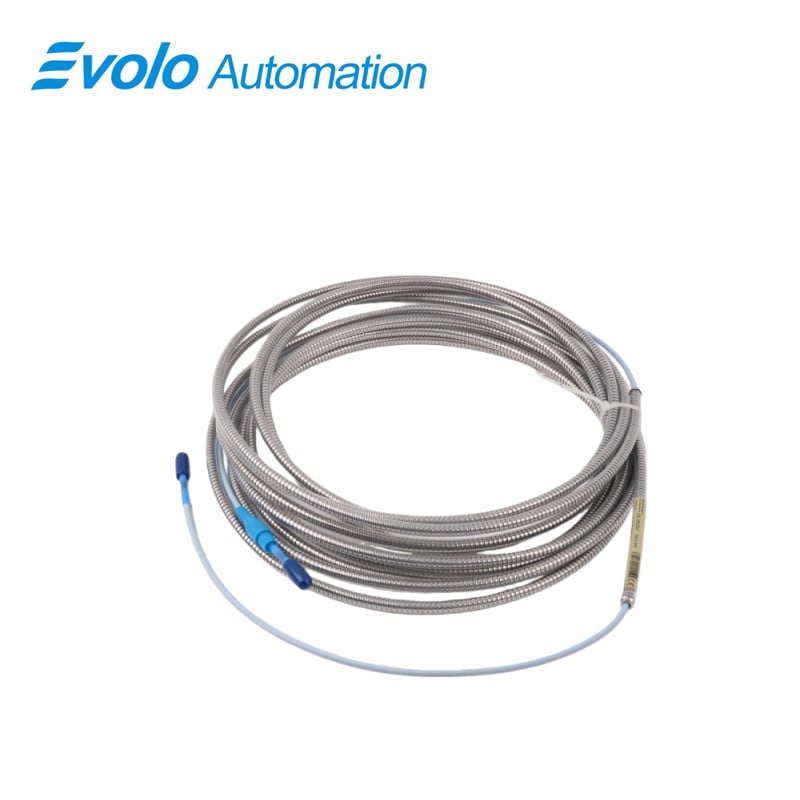
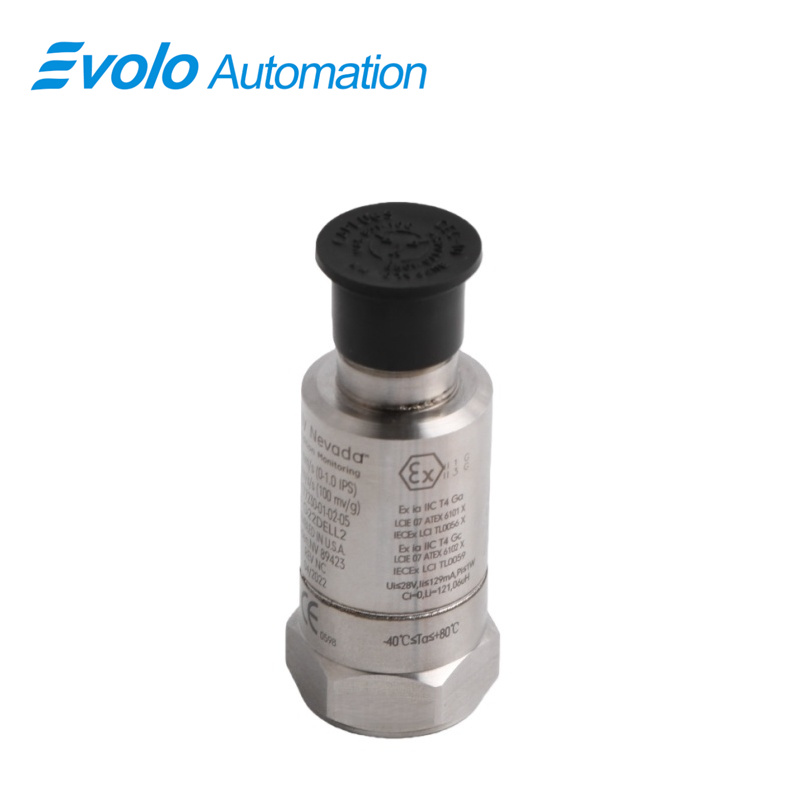
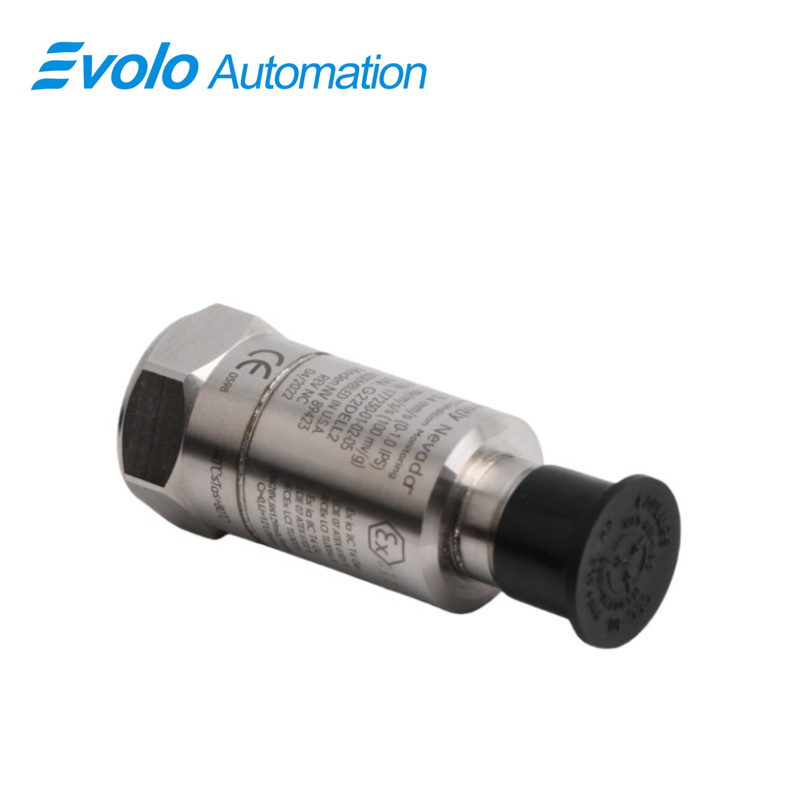
The 177230-01-01-CN Seismic Transmitter is a loop-powered device for automated vibration monitoring. The 177230-01-01-CN measures 0–25.4 mm/s (0–1.0 in/s) with 10 Hz to 1 kHz frequency, providing accurate RMS output to PLCs, DCS, or SCADA systems. Its hermetically sealed ceramic/shear sensor and 316L stainless steel case allow operation from -40°C to +85°C and 100% relative humidity non-submerged. The 177230-01-01-CN features M6, M8, and ¼-28 UNF mounting options, <13 s settling time, 600 Vrms isolation breakdown voltage, and <5% transverse sensitivity. Designed for easy integration, the 177230-01-01-CN Seismic Transmitter outputs a standard 4–20 mA signal, supports protected interfaces and various cables, and provides accurate, repeatable raw vibration signals for automated condition monitoring and machinery control.
Applications
Monitor Machine Vibration with the 177230-01-01-CN
Install the 177230-01-01-CN Seismic Transmitter on rotating machinery to provide real-time vibration data to PLCs or SCADA for automated control and condition monitoring.
Detect Early Faults Using the 177230-01-01-CN
The 177230-01-01-CN outputs precise RMS vibration signals that can be used to trigger alarms or automated maintenance procedures before machinery failure occurs.
Integrate Vibration Data with PLCs and DCS Using the 177230-01-01-CN
Connect the 177230-01-01-CN Seismic Transmitter directly to control systems via 4–20 mA loop signals, enabling automated response and logging of vibration data.
Perform Automated Zero-Drift Verification Using the 177230-01-01-CN
The 177230-01-01-CN provides repeatable measurements within <13 s settling time, supporting automated verification routines for machinery sensors.
Specifications
|
Operating Temperature Range: |
-40°C to +85°C (-40°F to +185°F) |
|
Mounting Torque : |
M6 X 1 SI M8 x 1.25 SI ¼-28 UNF |
|
Relative Humidity of Transmitter : |
To 100% non-submerged |
|
Sensor Seal: |
Hermetically sealed |
|
Shock Survivability : |
9.810 m/s2 (1.000 g peak), maximum drop test |
|
Isolation Breakdown Voltage : |
600 Vrms with less than 1 mA leakage current |
|
Electrical Isolation : |
Greater than 108 ohms |
|
Transverse Sensitivity: |
Less than 5% of sensitivity |
|
Sensing Element Type: |
Ceramic / Shear |
Competitive Advantage
Easy Integration with Automation Systems Using the 177230-01-01-CN
The 177230-01-01-CN Seismic Transmitter outputs standard 4–20 mA signals and supports protected interfaces, allowing rapid connection to PLCs, DCS, or SCADA.
Operate in Harsh Environments with the 177230-01-01-CN
The 177230-01-01-CN features a 316L stainless steel case, hermetically sealed sensor, and -40°C to +85°C temperature range, enabling reliable operation in high humidity or extreme temperatures.
Accurate Vibration Measurement with the 177230-01-01-CN
With 0–25.4 mm/s range, <5% transverse sensitivity, and 10 Hz–1 kHz frequency response, the 177230-01-01-CN provides precise vibration data for automated monitoring and control.
Flexible Mounting Options Using the 177230-01-01-CN
The 177230-01-01-CN Seismic Transmitter supports M6, M8, and ¼-28 UNF mounting, making it easy to install in different machine layouts without additional adapters.
Minimize Downtime and Maintenance with the 177230-01-01-CN
The 177230-01-01-CN delivers repeatable RMS vibration signals and supports automated condition monitoring, helping operators plan maintenance and avoid unexpected machine failures.