EN
EN




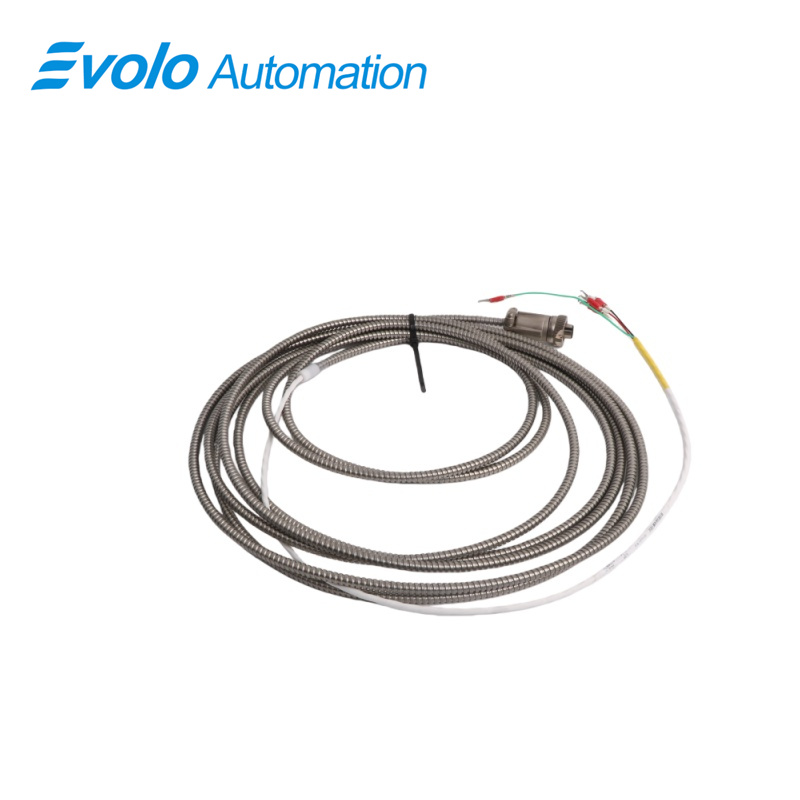
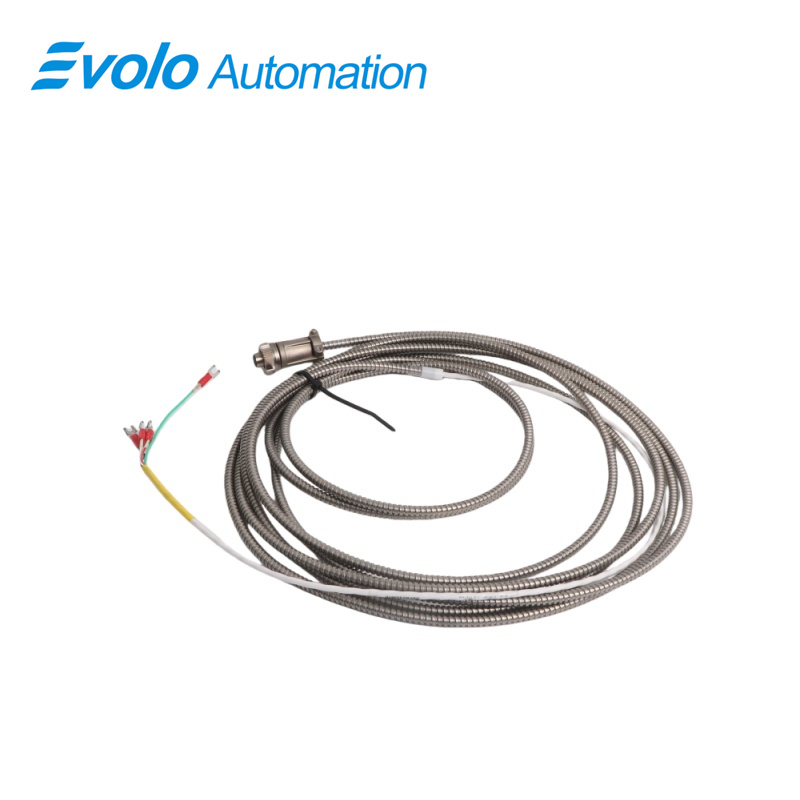
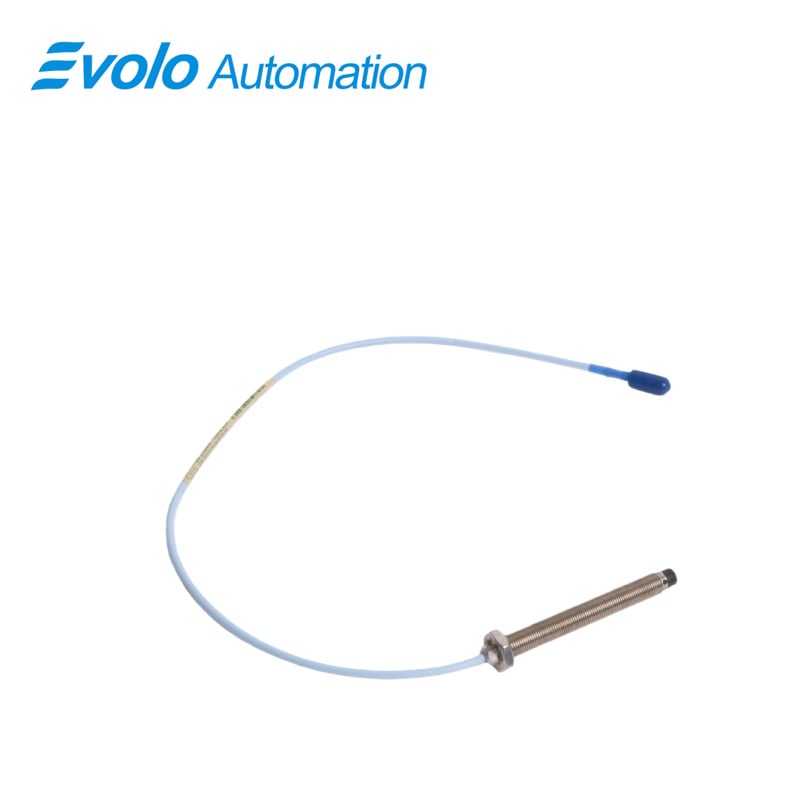
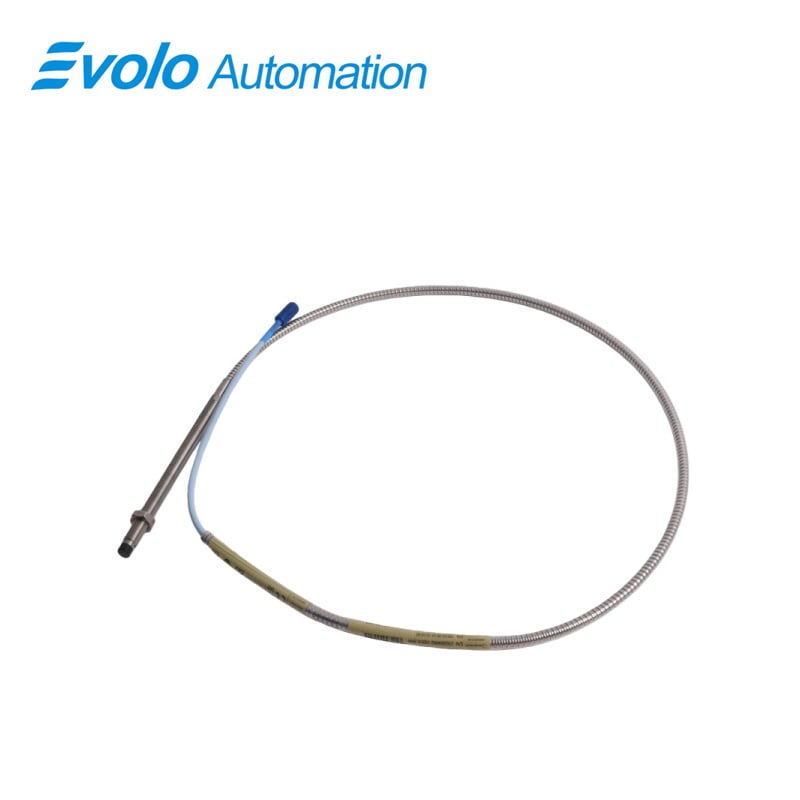
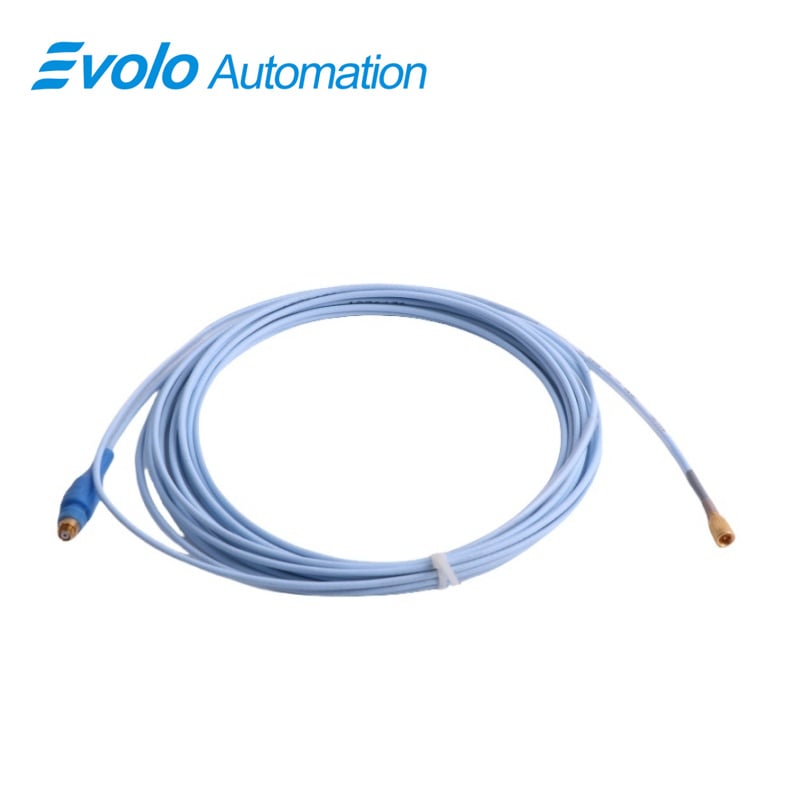
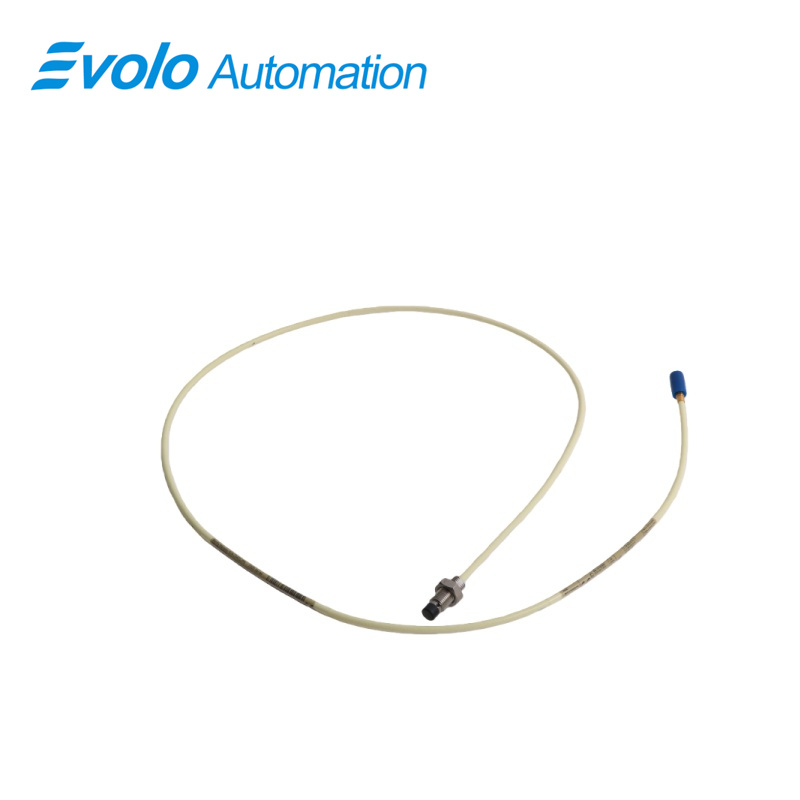
16710-20 Sensor connection cable
Email: [email protected]
whatsApp: +86-18150117685
- Overview
- Product Overview
- Key Functions
- Official Specifications
- Frequently Asked Questions
- Compatibility & Ordering Notes
- Hot Selling Models
- Recommended Products
Overview
16710-20 Sensor connection cable
At a Glance
Place of Origin: |
USA |
Brand Name: |
Bently Nevada |
Model Number: |
16710-20 |
Minimum Order Quantity: |
1 |
Packaging Details: |
Original new Factory Sealed |
Delivery Time: |
5-7 days |
Payment Terms: |
T/T |
Supply Ability: |
In stock |
Product Overview
Description
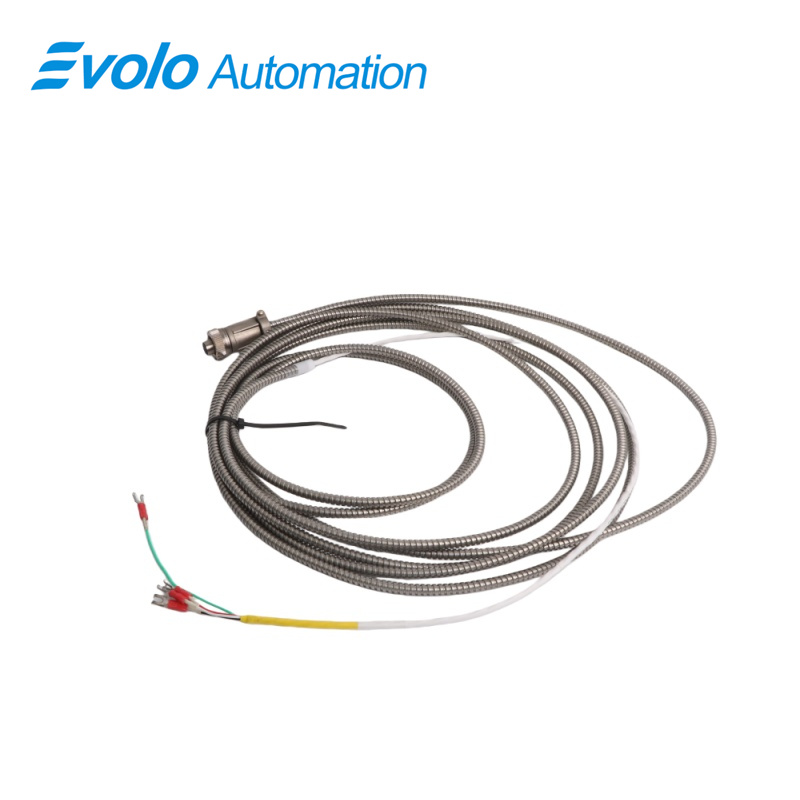
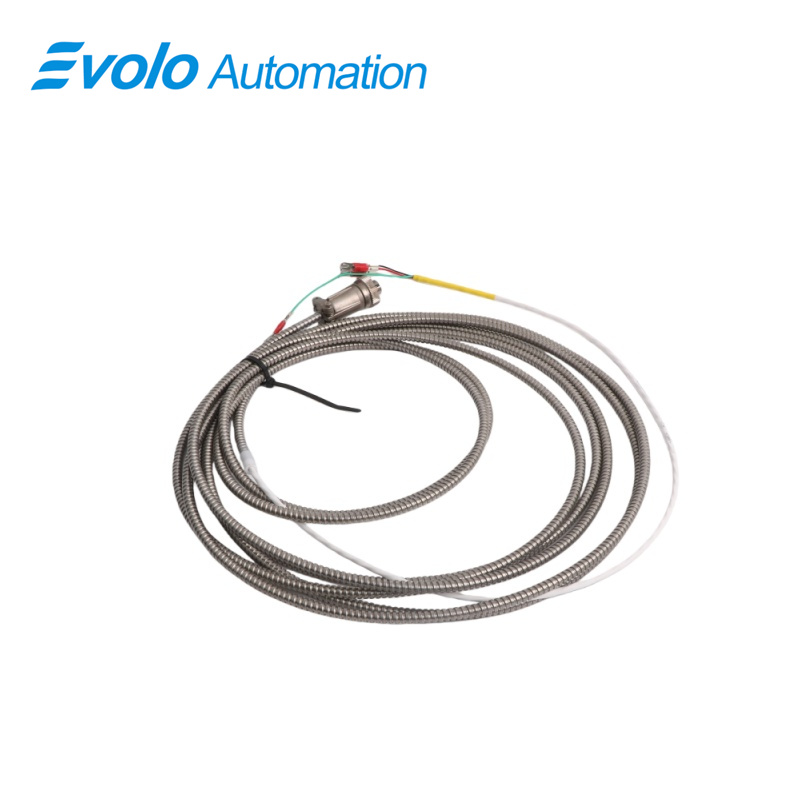
The 16710-20 Sensor Connection Cable is a high-performance industrial-grade signal transmission cable engineered by Bently Nevada, a global leader in machinery monitoring solutions with origin in the USA. Specifically designed for seamless integration with precision sensor systems—especially Bently Nevada’s 3300 XL series proximity probes—this sensor connection cable delivers stable, low-noise signal transmission, serving as a critical link between sensors, signal conditioners, and monitoring systems (e.g., 3500 Monitoring System) in harsh industrial environments.
Featuring a 24 AWG tinned copper conductor, the 16710-20 Sensor Connection Cable ensures excellent electrical conductivity and corrosion resistance, minimizing signal attenuation even over long-distance runs. With a total length of 20 meters, this sensor connection cable is optimized for large-scale industrial installations where sensors are deployed far from monitoring racks, eliminating the need for additional extension cables and reducing potential connection points. Its compact dimensions (31x28x3cm) and lightweight design (0.52kg) enhance installation flexibility, while the 15 mm (0.59 in) minimum unthreaded length and 80 mm (3.15 in) overall case length ensure compatibility with standard sensor mounting configurations.
Key Functions
Applications
The 16710-20 Sensor Connection Cable is widely applied in power generation facilities, serving as a critical signal link between 3300 XL series proximity probes and monitoring systems. It is specifically used to connect sensors installed on turbines, generators, and auxiliary equipment to central monitoring racks, transmitting accurate vibration and position data over its 20-meter length. The cable’s corrosion-resistant tinned copper conductor and durable construction ensure reliable performance in power plant environments, where high temperatures, moisture, and mechanical stress are common, helping to prevent equipment failures and ensure stable power supply.
With ATEX, IECEx, and UL certifications, the 16710-20 Sensor Connection Cable is ideally suited for hazardous area operations in oil & gas and petrochemical industries. It can be directly deployed in Zone 1 hazardous areas where flammable gases, vapors, or dusts are present, eliminating the need for additional protective enclosures. This cable is commonly used to connect sensors on offshore platforms, refineries, and chemical processing plants, ensuring compliant and stable signal transmission even in harsh, corrosive environments, while adhering to international safety standards.
Official Specifications
Quick Detail
|
Cable Core Material: |
Tinned copper conductor (24 AWG) |
|
Unthreaded Length Option (Minimum unthreaded length): |
15 mm (0.59 in) |
|
Overall Case Length Option: |
80 mm (3.15 in) |
|
Agency Approval Option: |
CE, ATEX II 1G Ex ia IIC T4 Ga, IECEx ia IIC T4 Ga, UL Listed |
|
Total Length Option: |
20 m |
|
Dimension: |
31x28x3cm |
|
Weight: |
0.52kg |
Specifications
|
Operating Temperature: |
-40°C to +125°C (-40°F to +257°F) |
|
Storage Temperature: |
-50°C to +150°C (-58°F to +302°F) |
|
Cable Flexibility: |
Bend radius: 10× cable diameter (static); 15× cable diameter (dynamic) |
|
Output Resistance: |
50 Ω ± 1 Ω |
|
Extension Cable Capacitance: |
≤ 22 pF/m |
|
Field Wiring: |
0.2 to 1.5 mm2 (16 to 24 AWG) |
|
Shielding Effectiveness: |
≥ 85 dB |
Frequently Asked Questions
What is the model number?
The listed model number is 16710-20.
What is the brand name?
The listed brand name is Bently Nevada.
What is the place of origin?
The listed place of origin is USA.
What are the packaging details?
The listed packaging details are Original new Factory Sealed.
What is the delivery time?
The listed delivery time is 5-7 days.
Is this model available?
The listed supply status is In stock.
What are the payment terms?
The listed payment terms are T/T.
Compatibility & Ordering Notes
Competitive Advantage
1. Global Hazardous Area Certification & Compliance
The 16710-20 Sensor Connection Cable comes factory-equipped with multiple authoritative certifications, including CE, ATEX II 1G Ex ia IIC T4 Ga, IECEx ia IIC T4 Ga, and UL Listed. This ensures direct deployment in hazardous areas without additional modifications, eliminating the time, cost, and administrative burden of obtaining aftermarket certifications. Unlike non-certified alternatives, this cable meets strict global safety standards, reducing regulatory risks and simplifying safety management for high-risk industries such as oil & gas and petrochemicals.
2.High-Quality Conductor & Long-Distance Transmission Performance
Featuring a 24 AWG tinned copper conductor, the 16710-20 Sensor Connection Cable offers excellent electrical conductivity, corrosion resistance, and low signal attenuation. With a total length of 20 meters, it is optimized for long-distance signal transmission, eliminating the need for additional extension cables and reducing potential failure points. The tinned copper conductor ensures long-term reliability in harsh environments, outperforming standard copper conductors that are prone to oxidation and signal degradation.
3.Compact Design & Flexible Installation
The 16710-20 Sensor Connection Cable boasts a compact design with 31x28x3cm dimensions and 0.52kg weight, enhancing installation flexibility in both new projects and retrofits. Its 15 mm minimum unthreaded length and 80 mm overall case length ensure compatibility with standard sensor mounting configurations, while the 20-meter length caters to large-scale industrial installations where sensors are deployed far from monitoring racks. The cable’s flexible design allows for easy routing in tight spaces, reducing installation complexity and labor costs.
4. Robust Construction & Wide Environmental Adaptability
Built with a durable outer jacket and corrosion-resistant tinned copper conductor, the 16710-20 Sensor Connection Cable withstands oil, moisture, chemical corrosion, and mechanical stress in harsh industrial environments. It operates reliably across a wide temperature range, ensuring stable signal transmission in extreme thermal conditions from frigid outdoor setups to high-heat machinery rooms. This robust construction extends service life, reduces replacement costs, and guarantees consistent performance in the most demanding industrial scenarios.