EN
EN




- Overview
- Quick Detail
- Description
- Applications
- Specifications
- Competitive Advantage
- Recommended Products
Overview
Place of Origin: |
USA |
Brand Name: |
Bently Nevada |
Model Number: |
130539-99 |
Minimum Order Quantity: |
1 |
Packaging Details: |
Original new Factory Sealed |
Delivery Time: |
5-7 days |
Payment Terms: |
T/T |
Supply Ability: |
In stock |
Quick Detail
|
Signal Type: |
Low-level analog / digital signal transmission |
|
Compatible Systems: |
Condition Monitoring Systems, Control Modules |
|
Cable Function: |
Sensor-to-Module / Module-to-Module Connection |
|
Conductor Material: |
Copper |
|
Shielding Type: |
Overall shielded |
|
Insulation Material: |
Industrial-grade polymer |
|
Jacket Material: |
Oil- and abrasion-resistant PVC |
|
Dimension: |
8x6x9.9cm |
|
Weight: |
0.22 kg |
Description
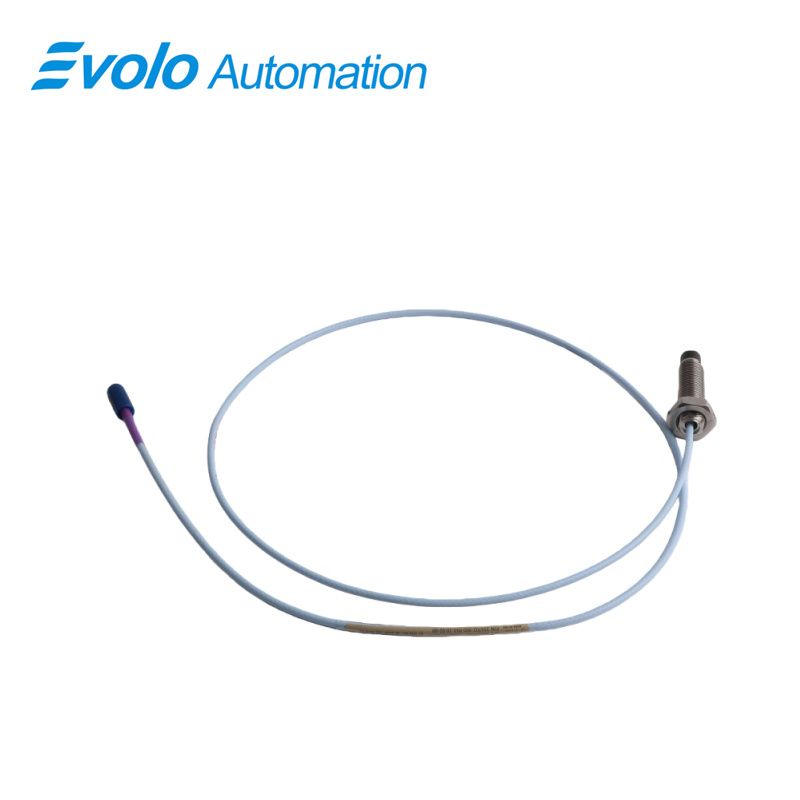
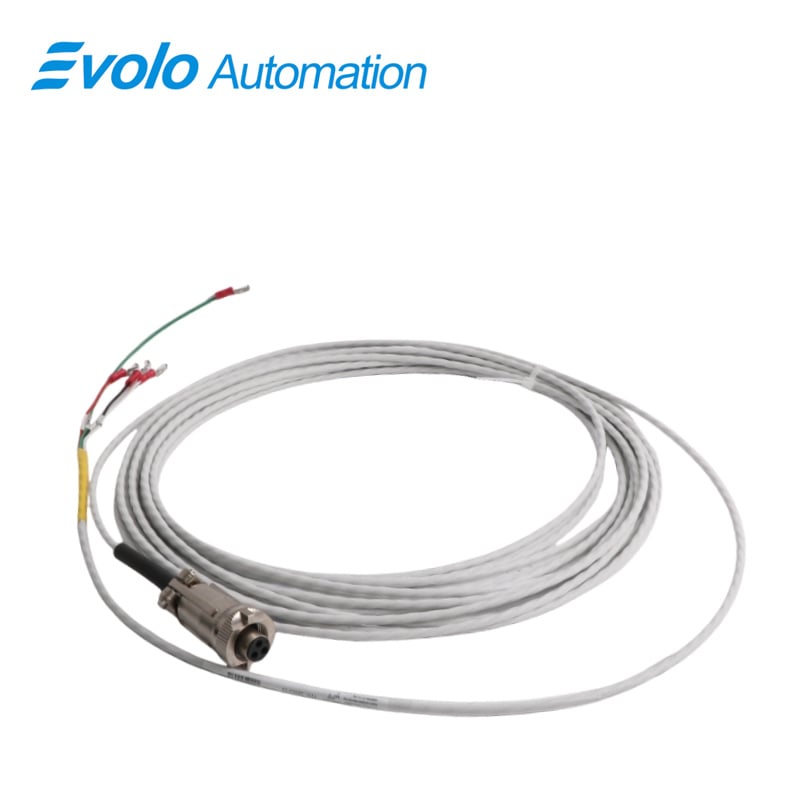
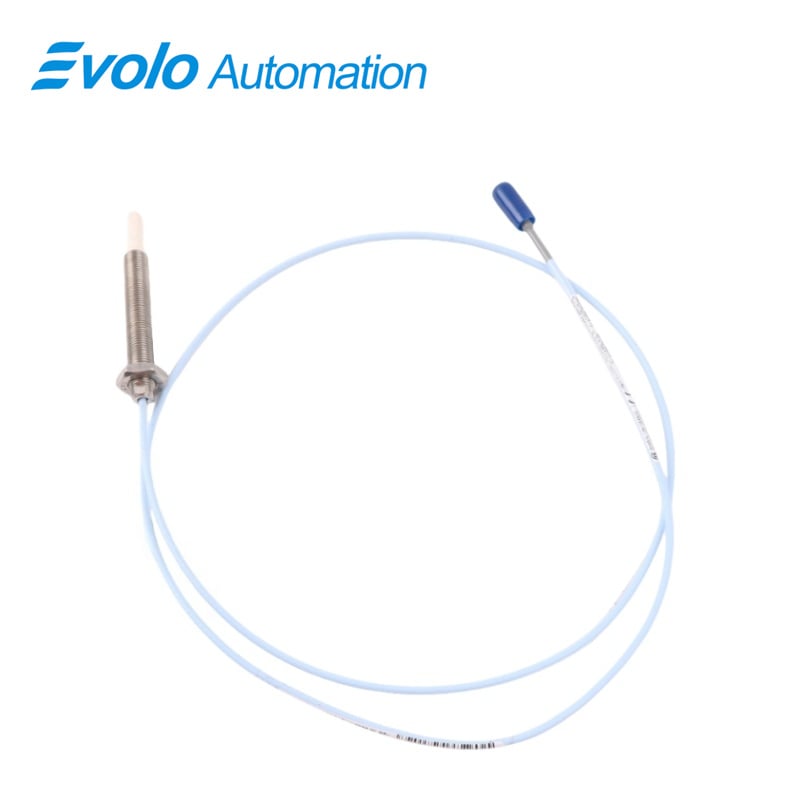
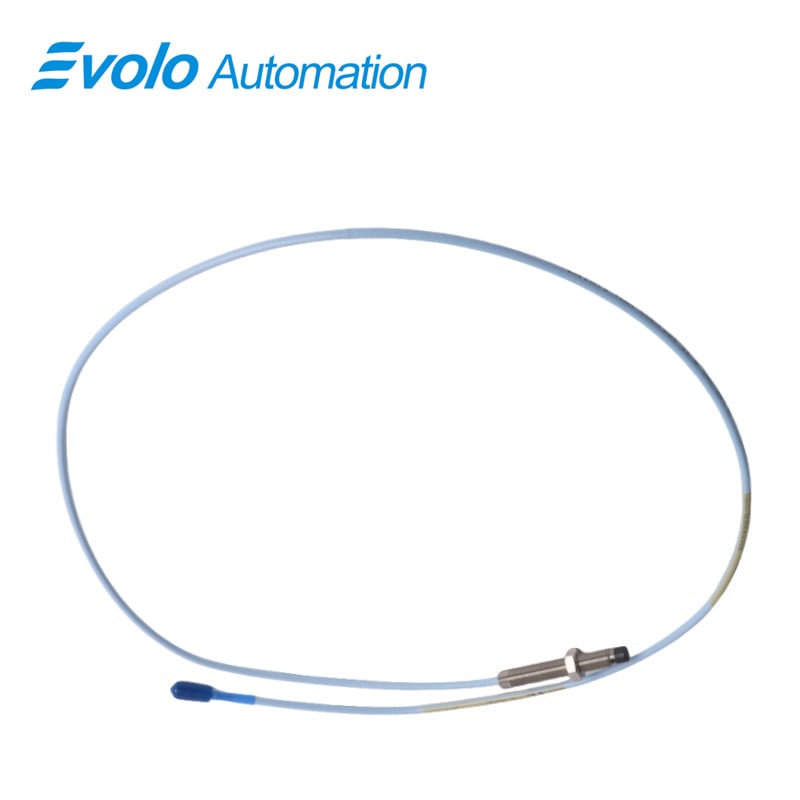
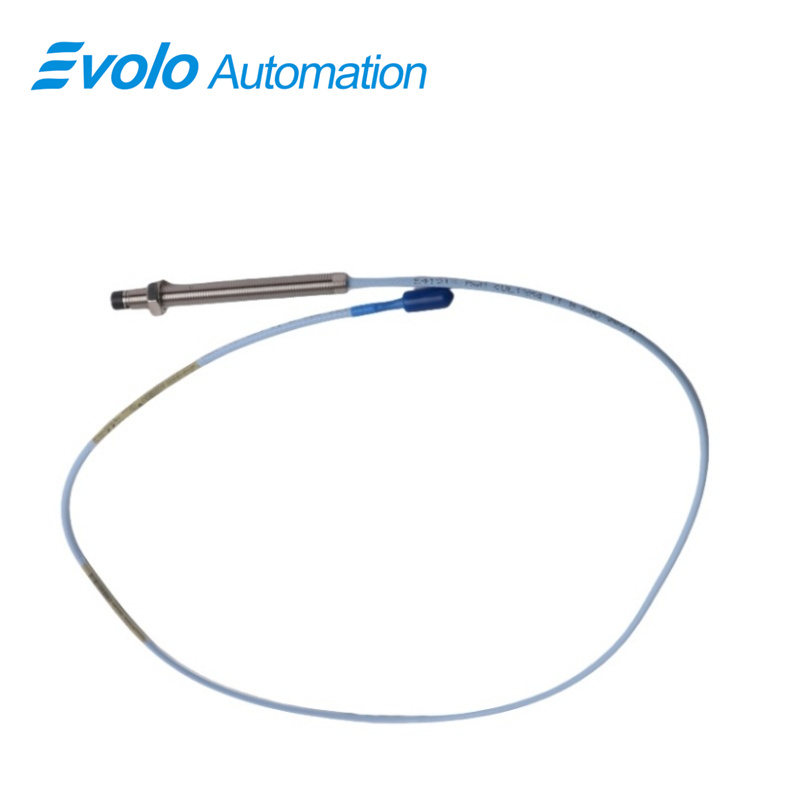
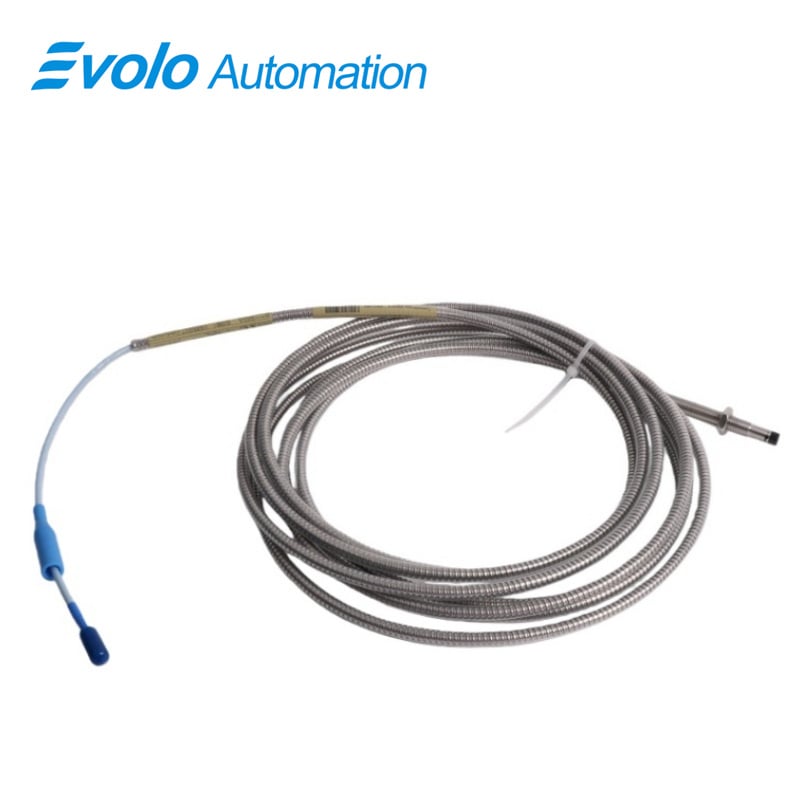
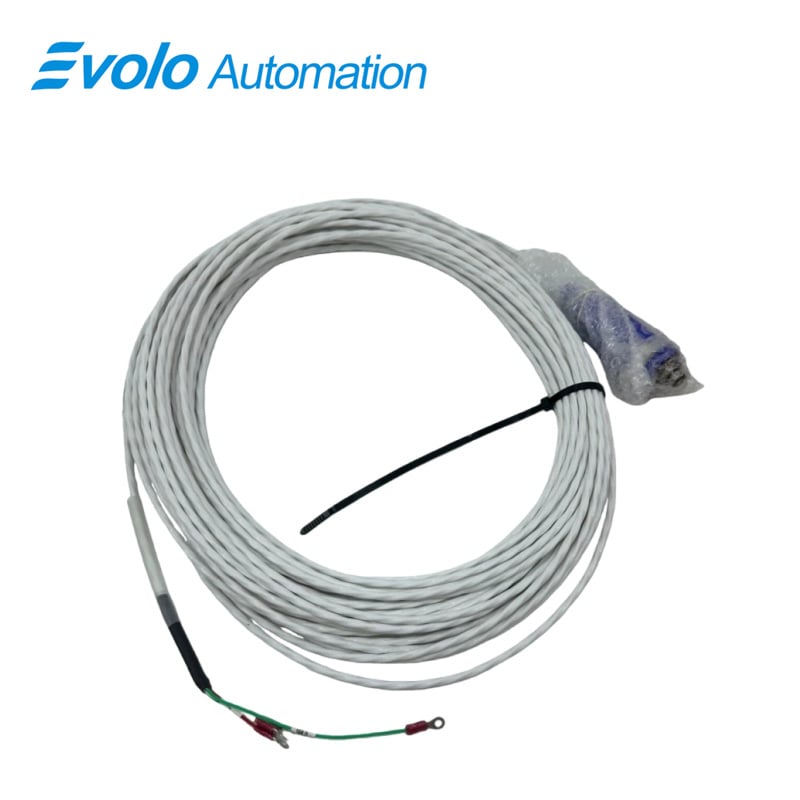
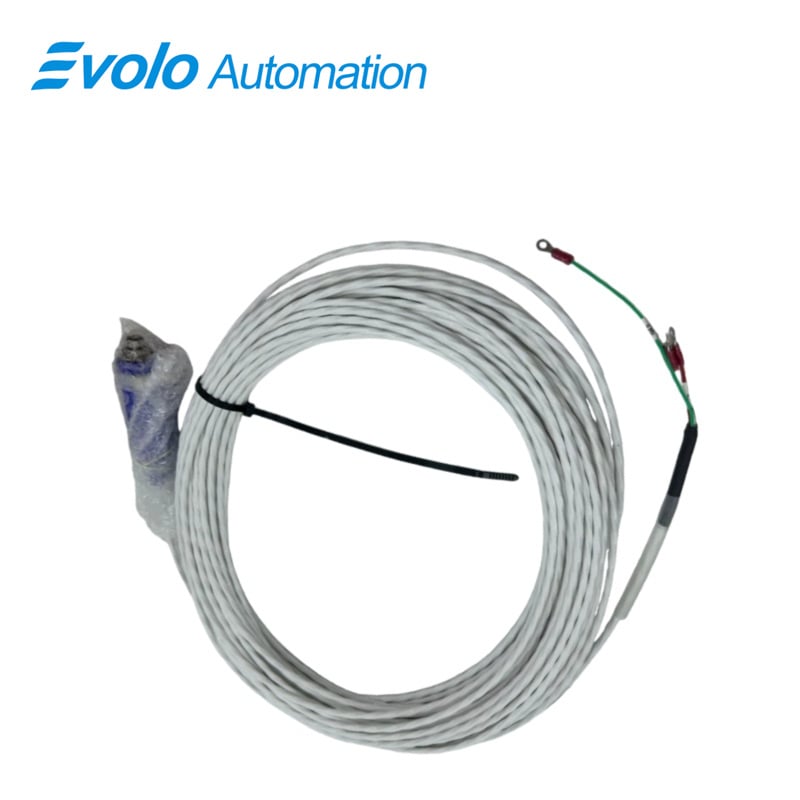
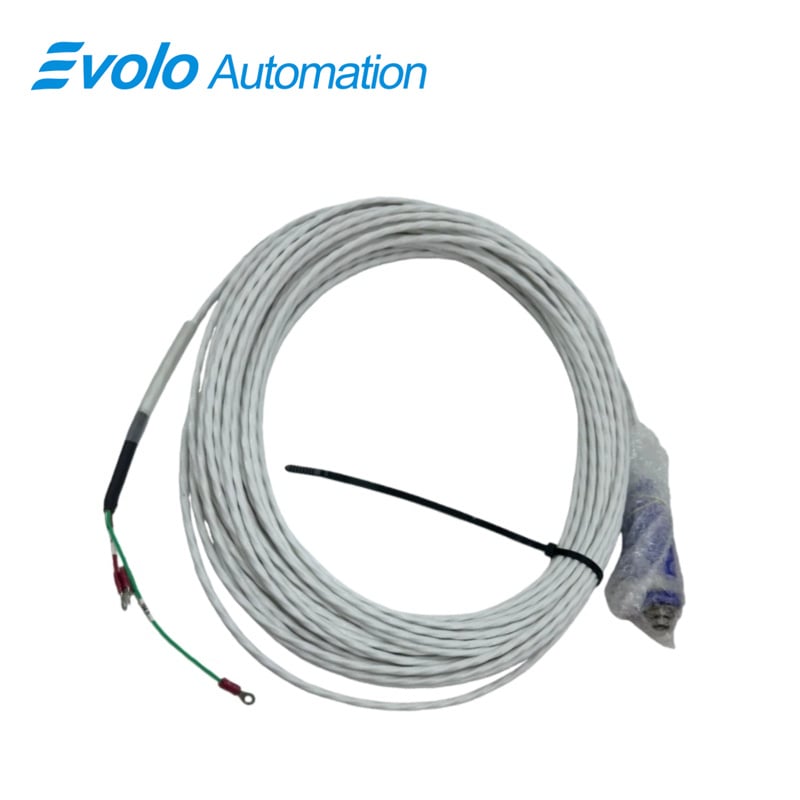
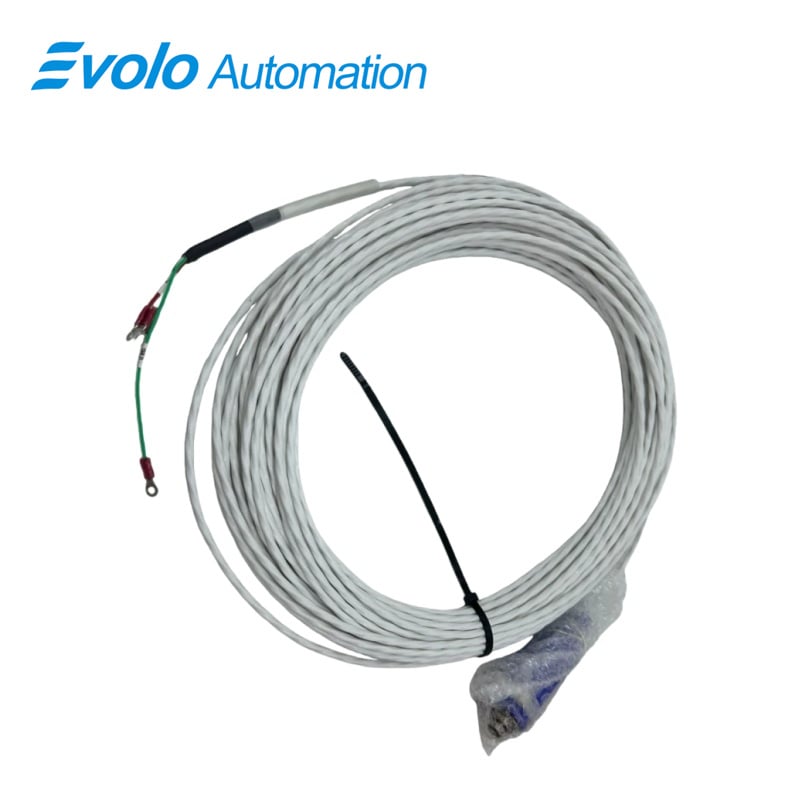
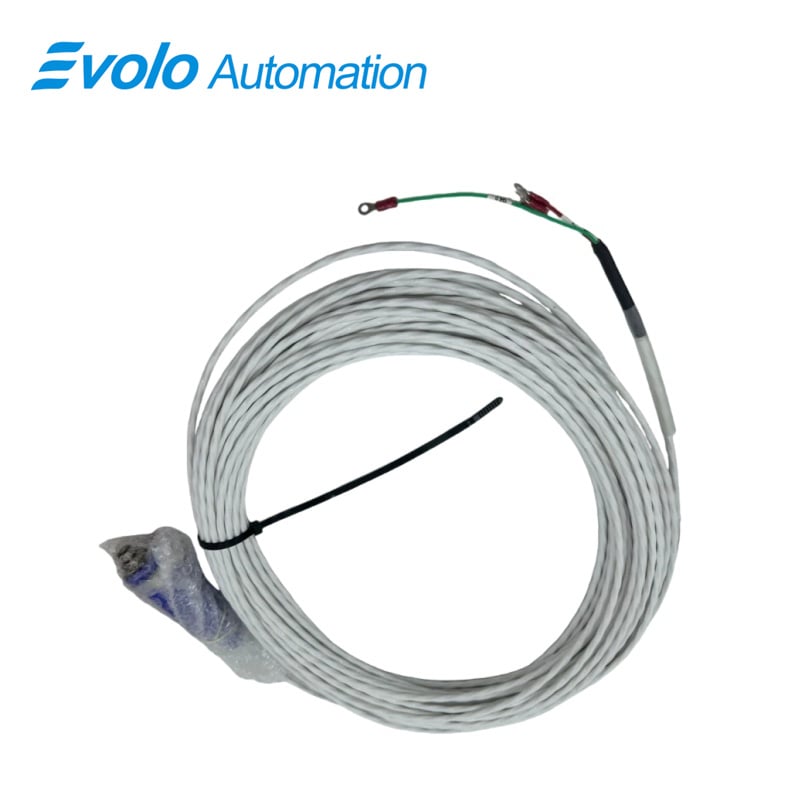
The 130539-99 Interconnect Cable is a high-performance industrial cable specifically engineered for reliable low-level analog and digital signal transmission in advanced automation environments. Designed for seamless integration with condition monitoring systems and control modules, this cable ensures robust sensor-to-module and module-to-module connectivity. Constructed with high-purity copper conductors and an overall shielded design, it minimizes electromagnetic interference (EMI) and radio-frequency interference (RFI), guaranteeing signal integrity even in electrically noisy environments. Its industrial-grade polymer insulation and oil- and abrasion-resistant PVC jacket provide exceptional durability under harsh industrial conditions. Pre-terminated straight industrial connectors facilitate quick installation, while the cable’s vibration-resistant build and broad operating temperature range from -30 °C to +85 °C make it ideal for critical fixed installations. Fully compliant with industrial automation standards, the 130539-99 ensures dependable performance for long-term system reliability.
Applications
1. Rotating Machinery Monitoring
Used for transmitting vibration and temperature sensor signals from rotating equipment to control modules, enabling early fault detection and predictive maintenance. Supports data rates up to 10 kHz.
2. Distributed Control Systems (DCS)
Facilitates reliable module-to-module communication in large-scale automation networks, maintaining signal integrity across distances up to 50 meters.
3. Industrial Robotics Integration
Connects robotic sensors to control systems, ensuring precise real-time feedback in environments with high EMI, improving accuracy by up to 20% compared to unshielded alternatives.
4. Process Automation Monitoring
Transmits low-level analog signals from process instrumentation such as pressure, flow, and temperature sensors to central monitoring modules, ensuring stable readings under industrial conditions.
5. Hazardous or Harsh Environment Installations
Ideal for installation in areas with oil exposure, vibration, and temperature extremes (-30 °C to +85 °C), maintaining mechanical integrity and long-term reliability.
Specifications
|
Cable Length: |
Standard factory length (model-specific) |
|
Connector Type: |
Pre-terminated industrial connectors |
|
Connector Orientation: |
Straight |
|
Operating Voltage: |
Low-voltage signal level |
|
Temperature Range: |
-30 °C to +85 °C |
|
EMI / RFI Protection: |
Yes |
Competitive Advantage
1. EMI / RFI Shielding
Overall shielded design reduces signal noise, ensuring data accuracy and system reliability even in electrically challenging industrial environments.
2. Industrial-Grade Materials
Copper conductors with polymer insulation and PVC jacket provide excellent mechanical durability, abrasion resistance, and long service life.
3. Easy Integration
Pre-terminated straight industrial connectors simplify installation, reducing labor time and potential connection errors.
4. Temperature and Vibration Resistance
Operates reliably across -30 °C to +85 °C and withstands vibration-heavy environments, ensuring consistent performance in critical automation setups.
5. Compliance with Standards
Meets stringent industrial automation standards, ensuring compatibility with a wide range of condition monitoring systems and control modules, enhancing overall system safety and reliability.