EN
EN




- Overview
- Specifications
- Description
- Applications
- Maintenance Recommendations
- FAQ
- Recommended Products
Overview
Place of Origin: |
Sweden |
Brand Name: |
ABB |
Model Number: |
SPGU240A1 SPGU 240 A1 |
Packaging Details: |
Original new Factory Sealed |
Delivery Time: |
5-7 days |
Payment Terms: |
T/T |
Supply Ability: |
In stock |
Specifications
|
Model: |
SPGU240A1 SPGU 240 A1 |
|
Type: |
Power Supply Module |
|
Input Voltage: |
80–265 V AC/DC |
|
Output Voltage: |
Forms internal voltages for other functional modules |
|
Service Temperature Range: |
-10°C to +55°C |
|
Transport & Storage Temperature Range: |
-40°C to +70°C |
|
Temperature Influence on Operating Values: |
<0.2%/°C over specified range |
|
Damp Heat Test: |
IEC 60068-2-30, +25…55°C, r.h. > 93%, 6 cycles |
|
Indicator: |
Green LED (Uaux) lights when in operation |
|
Protection Level: |
IP54 (panel mounted) |
|
Function: |
Provides internal power to other functional modules |
|
Mounting: |
Panel-mounted |
Description
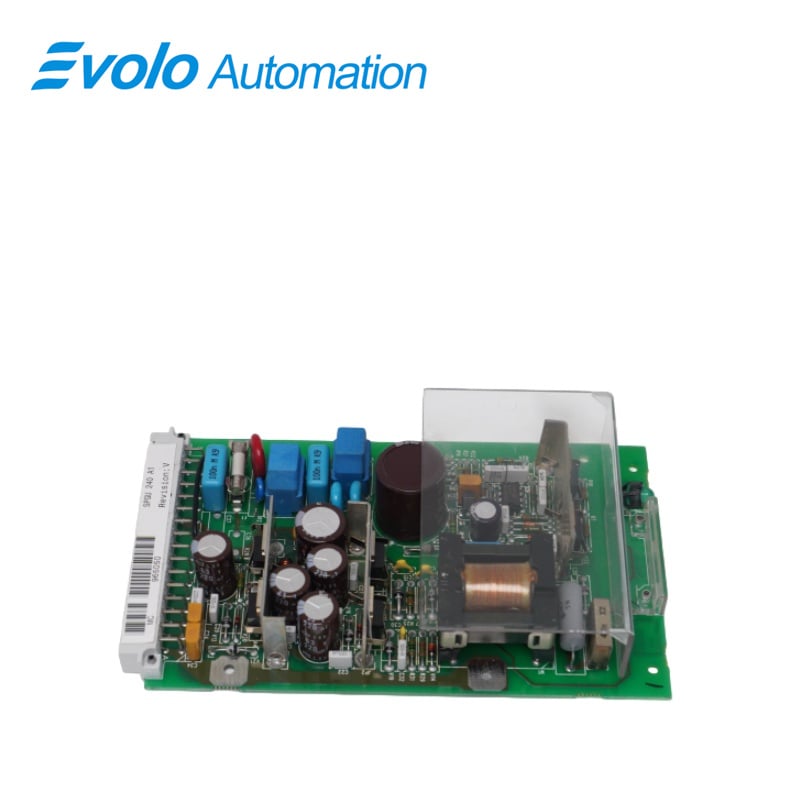
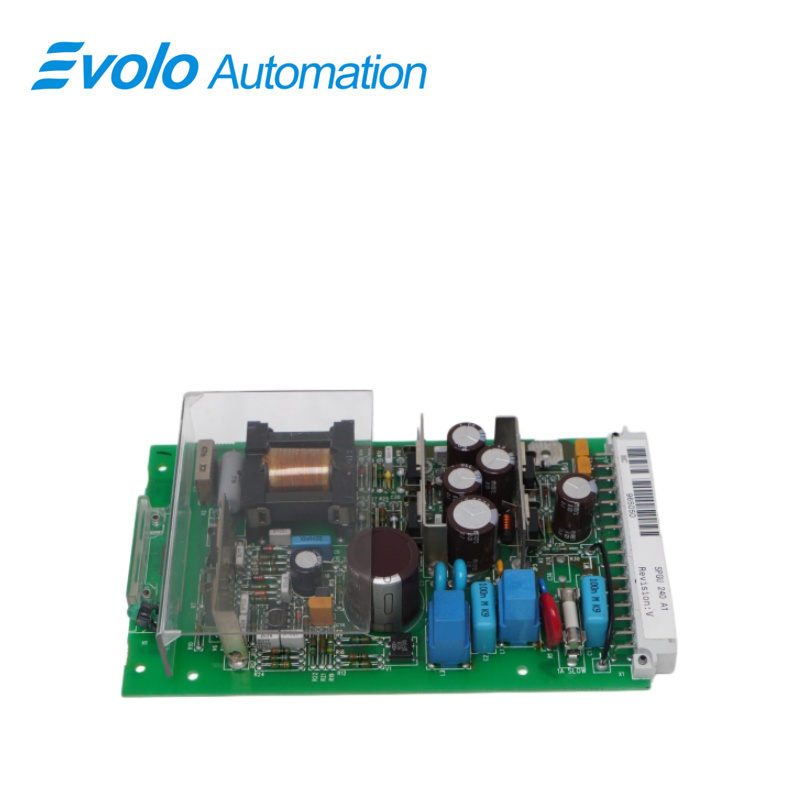
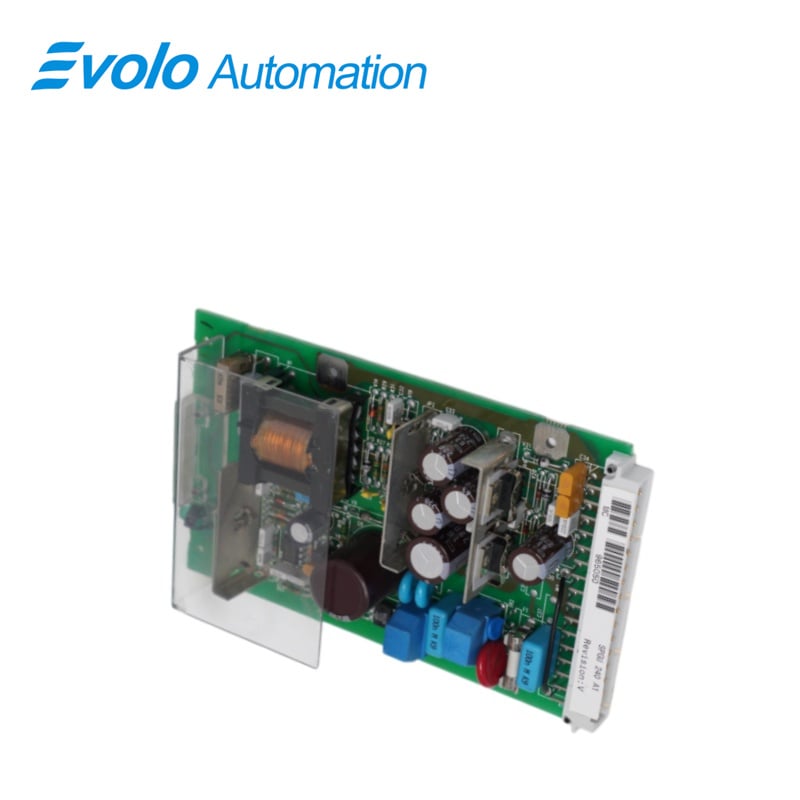
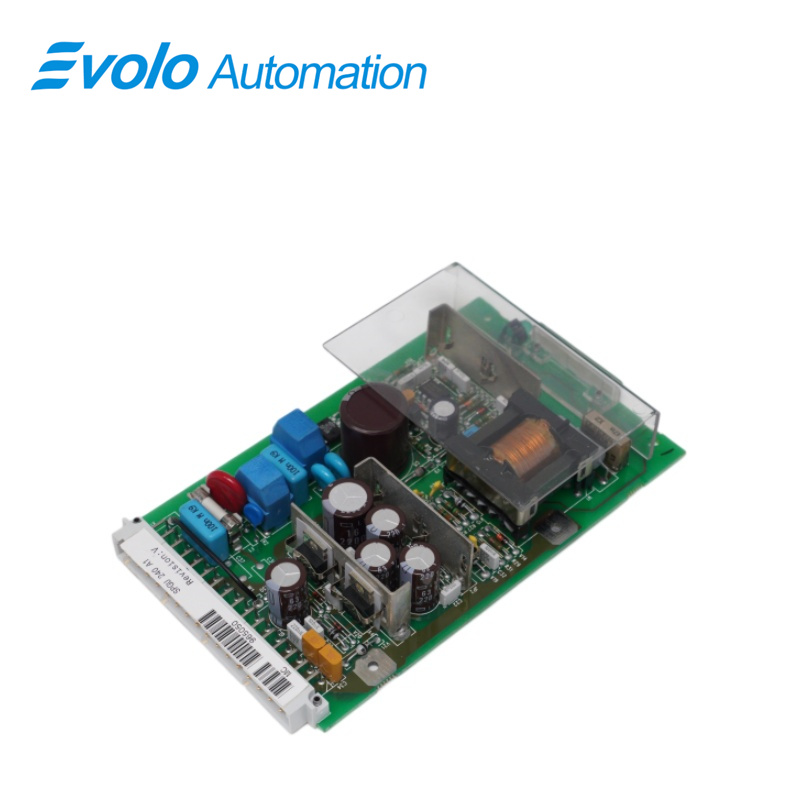
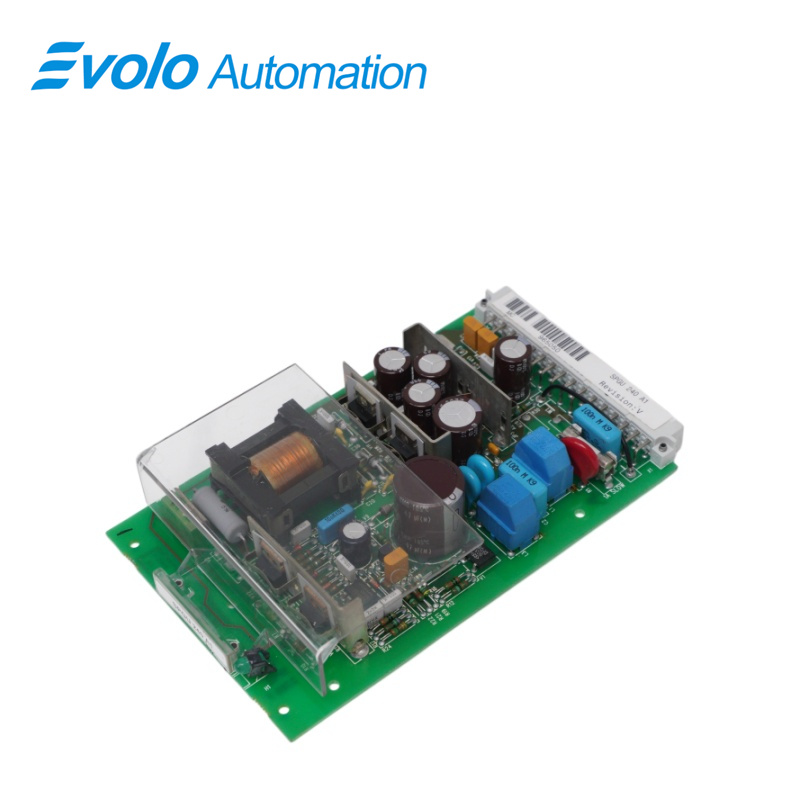
The power supply module SPGU240A1 SPGU 240 A1 is located behind the front PCB of the control module and can be withdrawn from the case after the control module has been removed. For the operation of the feeder terminal a secured auxiliary voltage supply is needed. The power supply module SPGU240A1 SPGU 240 A1 forms the voltages required by the protection relay module, the control module and the input/output module. The power supply module is a transformer connected, i.e. galvanically isolated primary and secondary side, flyback-type DC/DC converter. The primary side of the power supply module is protected with a fuse located on the PCB of the control module. A green LED indicator Uaux on the front panel is lit when the power supply module is in operation. There are two versions of power supply modules available. The secondary sides are identical, only the input voltage range is different. The input voltage range is indicated on the front panel of the control module.
Applications
Thermal power plants: Provide main power for DCS control cabinets and field transmitters.
Waste incineration plants: Ensure continuous power supply to control systems under harsh environments.
Large chemical plants: Used for redundant power systems to ensure uninterrupted power supply to critical control loops.
Steel smelting plants: Provide power distribution for blast furnace monitoring systems and automated instrument panels.
Water treatment plants: Support the stable operation of pump station remote control units (RTUs).
Maintenance Recommendations
Redundancy Testing: Periodically simulate a single power supply failure manually to verify the smooth operation of the redundant power supply switching function.
Heat Dissipation Cleaning: The power supply generates relatively much heat; therefore, regularly clean the dust from the module's air ducts and maintain good ventilation.
Voltage Monitoring: Measure the output voltage quarterly using a multimeter to ensure it remains stable within the range of 24V±0.5V.
FAQ
Q: Does the SPGU240A1 SPGU 240 A1 support redundant parallel operation?
A: Yes. Typically, two modules are connected in parallel through a diode redundancy board to achieve “1+1” hot standby, ensuring continuous power supply.
Q: Can the SPGU240A1 SPGU 240 A1 power 4–20 mA instruments in the field?
A: Yes. Its 24V DC output is standard industrial power and fully meets the requirements for transmitters and actuators.
Q: Can the SPGU240A1 SPGU 240 A1 still operate if the fan stops?
A: It will automatically derate, but prolonged operation may trigger overheating protection and shutdown. The fan or module should be replaced promptly.
Q: Is clearance required during installation of the SPGU240A1 SPGU 240 A1?
A: Yes. It is recommended to leave at least 10 mm of ventilation space on both sides or ensure adequate forced air cooling within the rack.
Q: Does the SPGU240A1 SPGU 240 A1 have surge protection?
A: It includes basic built-in surge protection. However, in lightning-prone areas, installing an external SPD at the input is recommended for enhanced protection.