 EN
EN



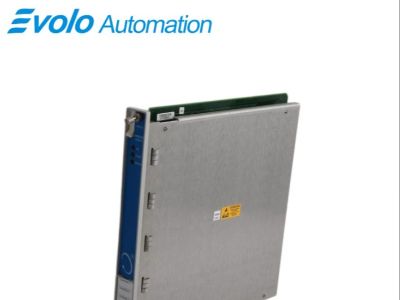
Understanding the intricacies of the 3500/15 voltage requirements and rack compatibility considerations is essential for professionals in the manufacturing and automation sectors. This article delves into the specific needs of bently 3500/15 voltage systems, addressing common concerns such as compatibility, quality, installation challenges, and cost. With insights from Evolo Automation's expertise in industrial automation components, this guide aims to equip purchasing managers, engineers, and product managers with the knowledge to make informed decisions.
Choosing the Right 3500/15 Voltage Components for Your Project
When selecting components for a 3500/15 voltage system, it is crucial to assess the specific requirements of your application. The right components not only ensure compatibility with existing systems but also optimize performance and safety. For instance, proximity sensors and industrial sensors must be rated for bently nevada 3500 15 voltage to function correctly without risking damage.
Consider the intended application environment factors such as temperature range, moisture levels, and exposure to chemicals can impact component selection. For instance, if the sensors will be used in a humid environment, selecting components with appropriate IP ratings for moisture resistance is vital.
Additionally, compatibility with existing rack systems should be evaluated. Ensure that the dimensions and mounting configurations of selected components match those of your current infrastructure. This prevents issues during installation and ensures seamless integration.
Key Specifications for 3500/15 Voltage Systems Explained
Understanding the key specifications of 3500/15 voltage systems is essential for effective component selection. Critical parameters include voltage rating, current capacity, signal type, and response time.
Voltage Rating: This indicates the maximum voltage that a component can handle without failure. Components rated below 3500 volts may lead to overheating or malfunction.
Current Capacity: This specification defines the maximum current a component can carry safely. Exceeding this limit can cause overheating and damage.
Signal Type: Depending on the application, you may require components that support analog or digital signals. It’s crucial to match the signal type of the sensors with that of the control systems to ensure accurate data transmission.
Response Time: For applications requiring real-time data, understanding the response time of sensors is critical. Components with longer response times may not perform adequately in fast-paced environments.
Buyers should ensure these specifications align with their operational needs to avoid costly integration issues.
Evaluating Quality in 3500/15 Voltage Industrial Components
Quality is paramount when selecting 3500/15 voltage components. Look for manufacturers that adhere to recognized quality control processes, such as ISO certifications, which indicate a commitment to maintaining high standards.
Evaluating the materials used in manufacturing is also essential. High-quality materials can enhance durability and performance, particularly in demanding environments. For example, bently nevada 3500 components made from robust, corrosion-resistant materials will have a longer lifespan and require less maintenance.
Moreover, conducting a quality inspection of samples before mass production is advisable. This allows buyers to verify dimensions, performance, and compatibility under actual operating conditions.
Common Installation Problems with 3500/15 Voltage Systems
Installation of 3500/15 voltage systems can present several challenges. One common issue is improper wiring, which can lead to short circuits or component failure. Ensuring that installation teams are trained and understand the specifications is vital to mitigate these risks.
Another potential problem is insufficient space within racks. It’s important to account for the physical dimensions of components and the necessary clearances for airflow and heat dissipation. Proper planning can prevent overheating and subsequent system failures.
Additionally, ensuring that all components are compatible with existing systems is crucial. Mismatched components can lead to operational inefficiencies or system downtime. Therefore, thorough compatibility assessments should be conducted prior to installation.
Cost Factors to Consider When Purchasing 3500/15 Voltage Solutions
When evaluating the cost of 3500/15 voltage components, several factors come into play. Initially, the price of individual components can vary significantly based on quality, brand reputation, and material used.
Buyers should also consider the total cost of ownership, which includes installation costs, maintenance expenses, and potential downtime costs associated with inferior products. While lower-priced components may seem appealing, their long-term reliability and performance should be carefully assessed.
Another factor is the minimum order quantity (MOQ). Suppliers may impose MOQs that could affect overall project budgets. Understanding these requirements early can help buyers plan more effectively.
Lastly, lead times can significantly impact project timelines. Components with longer lead times may delay project completion, leading to increased costs. Buyers should confirm availability and delivery schedules when sourcing components to ensure timely project execution.
Understanding the nuances of 3500/15 voltage requirements and rack compatibility considerations is essential for successful project implementation in the industrial automation sector. By focusing on the right specifications, evaluating quality, anticipating installation challenges, and considering total costs, purchasing managers and engineers can make informed decisions that align with their operational goals.
Table of Contents
- Choosing the Right 3500/15 Voltage Components for Your Project
- Key Specifications for 3500/15 Voltage Systems Explained
- Evaluating Quality in 3500/15 Voltage Industrial Components
- Common Installation Problems with 3500/15 Voltage Systems
- Cost Factors to Consider When Purchasing 3500/15 Voltage Solutions

